How to Test for Mold in Bathroom: A Plain-Language Guide
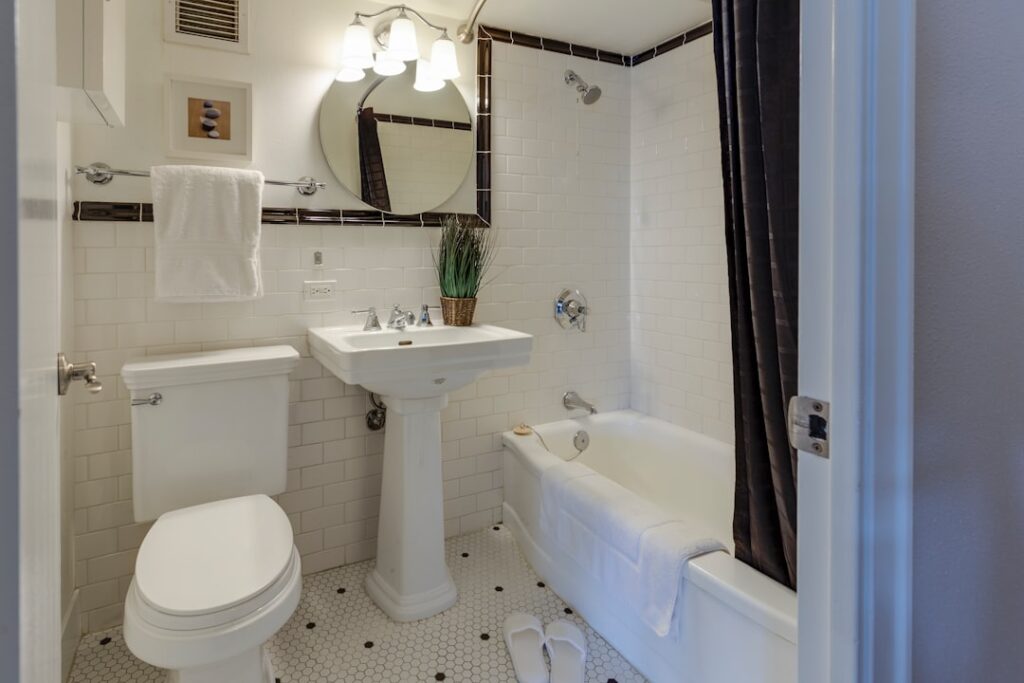
Bathrooms produce more moisture than any other room and host the most common visible mold growth in residential homes. The high-humidity environment, the porous surfaces (grout, caulk, drywall), and the limited ventilation all favor mold establishment. This guide walks through how to test for mold in bathroom with attention to the species typically present, the sampling protocols that work in damp environments, and when bathroom mold warrants more than routine cleaning. It summarizes EPA and CDC guidance current as of 2026 — consult a certified mold inspector for testing decisions and your physician for symptom evaluation.
Part of our Mold Testing & Inspection guide — start there for the full picture →
Is this mold, asbestos, or water damage? Get a free instant screen
Upload a clear photo of the suspect area. You'll get an instant AI screening opinion and what to do next. This is screening guidance, not a professional determination.
Screening guidance only. AI can be wrong. Confirm asbestos, mold type, or lead with lab testing or a licensed professional before acting.
What mold species commonly grow in bathrooms
The species mix in bathrooms differs from other rooms. Cladosporium dominates on grout, caulk, and shower-curtain tracks — its dark green to black colonies tolerate the wet-dry cycles bathrooms produce. Aureobasidium pullulans grows in similar locations, often pink-to-black. Aspergillus and Penicillium species appear in chronically damp areas, particularly around the toilet base, behind vanities, and at the corners of tub surrounds.
Stachybotrys chartarum — the species most commonly meant by “black mold” — rarely establishes in bathrooms because it requires sustained water saturation on cellulose materials (drywall paper, fiberboard, ceiling tile). Bathroom Stachybotrys typically indicates a chronic leak — a slow drain leak under a tub, persistent shower-pan failure, or upstairs bathroom leaking into a downstairs ceiling. Stachybotrys on bathroom drywall is a different problem than Cladosporium on bathroom grout.
What testing answers in a bathroom context
Testing in a bathroom typically answers one of three questions: what is this visible patch (genus identification), is there hidden growth behind walls (which sampling cannot directly answer without invasive inspection), or are airborne spore concentrations elevated (whole-bathroom or whole-house air sampling).
For most homeowners with bathroom mold, the first question is the relevant one. The patch on the shower-corner grout, the pink slime in the toilet tank, the dark ring around the bathtub overflow — each is a candidate for tape-lift identification. The lab return tells the homeowner whether routine cleaning is sufficient or whether escalation is warranted.
Surface sampling protocols for bathrooms
Tape-lift sampling works on most bathroom surfaces. Press the tape firmly against the suspect patch for 5 to 10 seconds. Peel slowly. Transfer to the supplied container sticky-side-down. Photograph the location before sampling. Ship promptly to the lab.
For grout lines, the texture can interfere with tape adhesion. A swab sample collected by rubbing a sterile cotton-tipped swab firmly across the grout, then transferring to a sterile transport tube, often works better than tape on textured surfaces. The lab analyzes the swab using the same microscopy procedures as tape lifts.
For caulk that has darkened significantly, a small bulk sample (a tiny piece of the caulk itself, cut with a clean blade) can be sent to the lab. The lab macerates the bulk sample and examines the contents under microscopy. Bulk samples produce more material than tape lifts and often produce more confident genus identification when the surface is heavily colonized.
For broader investigation context, see our mold inspection and testing hub.
When bathroom-wide air sampling makes sense
Air sampling in bathrooms is less common than surface sampling because the visible growth is usually accessible and the species identification is the actionable question. Air sampling becomes useful when the bathroom smells musty without obvious visible growth, when residents experience symptoms specifically tied to bathroom use, or when post-remediation clearance after a major leak repair is needed.
The protocol matches whole-house air sampling. A spore-trap cassette pulled across a calibrated pump for 5 to 10 minutes captures airborne spores. The cassette goes to an AIHA-accredited lab for microscopy analysis. Indoor counts are compared against same-day outdoor controls. Cost: $400 to $900 for professional assessment.
DIY air-cassette sampling in a single bathroom is rarely cost-effective. The total cost of kit, pump rental, and outdoor control approaches the cost of professional assessment without producing the broader picture that includes moisture mapping and visual inspection.
Common bathroom mold sources to investigate
Before testing, walk the bathroom systematically. Check the exhaust fan — verify it works by holding a tissue near the grille; if the tissue does not stick firmly, the fan is not moving enough air. Open the grille (turn off power first) and look at the blades; black dust accumulation indicates buildup. Trace the duct to confirm it vents outdoors, not into the attic.
Check the shower or tub surround. Look at every caulk joint, every grout line, the corners where wall meets floor, and the ceiling directly above the shower head. Look behind the toilet tank where condensation pools. Check under the sink for slow leaks at supply lines, the trap, and shutoff valves.
Pull out vanity drawers and look at the back panel where humidity collects. Look at the floor under the bathmat, which traps moisture and supports growth on the underside of mats and the floor below.
What to do with the test result
A tape-lift result identifying Cladosporium on bathroom grout: routine cleaning with detergent and water. Replace caulk if it has degraded. Run the exhaust fan during every shower and for 20 minutes after. Wipe down shower walls after use.
A tape-lift result identifying Aspergillus or Penicillium on bathroom drywall: investigate the moisture source. Drywall growth indicates more than surface humidity — sustained moisture is reaching the gypsum, possibly from a leak or chronic high humidity without ventilation. Repair the moisture source before remediation, then clean or replace the affected drywall.
A tape-lift result identifying Stachybotrys on any bathroom surface: escalate to professional assessment. Stachybotrys in a bathroom typically indicates a hidden leak — slow tub drain, failed shower pan, upstairs bathroom leaking into a downstairs ceiling. Professional investigation is warranted to locate and repair the source.
Bathroom-specific preventive measures
The exhaust fan is the single most important preventive tool. Run it during every shower and for 20 minutes after. Confirm it vents outdoors, not into the attic. Replace the fan if it does not move significant air or if it has accumulated heavy dust buildup.
Wipe down shower walls and tub surfaces after use to reduce standing water on porous surfaces. Replace caulk every few years before it darkens significantly. Reseal grout annually with a penetrating sealer to reduce biofilm establishment.
Keep humidity below 60 percent. A digital hygrometer ($15 to $30) reads bathroom humidity in real time. After showers, the room may briefly exceed 80 percent humidity; the exhaust fan should bring it back below 60 percent within 30 minutes. If it does not, the fan is undersized or improperly installed.
Half-baths and powder rooms
Half-baths without shower or tub have lower moisture loads than full bathrooms and rarely develop the same level of visible mold. The water sources are limited to sink and toilet. Investigation focuses on under-sink leaks, the wall behind the toilet tank, and any chronic seepage from the floor.
Powder rooms in finished basements warrant extra attention because the below-grade location combines low-level humidity from the bathroom itself with moisture from the foundation. Even a half-bath in a finished basement can develop mold on the lower drywall if the basement has any underlying moisture intrusion. Inspect the bottom 12 inches of drywall in basement half-baths during any mold investigation.
Master bathroom suites
Master bathroom suites often connect to walk-in closets and bedroom dressing areas. Moisture from the bathroom can migrate to these adjacent spaces if the bathroom door stays closed during humid post-shower periods or if the exhaust fan is undersized. Check the closet and adjacent bedroom corner for musty smells or visible discoloration on drywall and trim.
The relationship between master bathroom moisture and adjacent rooms matters for testing strategy. A tape lift in the bathroom alone may not capture related growth in the closet. If musty smells extend beyond the bathroom, expand the testing scope.
Bathroom-specific HVAC considerations
Some bathrooms share HVAC zones with the rest of the house. Spores from bathroom growth can spread to other rooms via return air. If bathroom mold is identified and respiratory symptoms exist in other parts of the house, HVAC inspection may be warranted to determine whether spore distribution is occurring.
Bathrooms with separate exhaust-only ventilation (most common) do not directly contribute to whole-house spore distribution. The exhaust fan removes moist air to the exterior. The bathroom can have its own mold problem without affecting other rooms.
Distinguishing mold from mildew and stains
Not every dark spot in a bathroom is mold. Soap scum, hard-water deposits, and rust stains can mimic the appearance of mold growth. A clean cloth wiped over a spot often distinguishes — surface deposits wipe away, while mold leaves residue and may return. Tape-lift testing settles the question definitively when the homeowner cannot tell by visual inspection alone.
Mildew is a common term often used interchangeably with mold but in the strict sense refers specifically to powdery surface growth, particularly Cladosporium and related genera. The cleanup response is the same for either term — moisture control, surface cleaning, and replacement of porous materials if needed.
Cost expectations for bathroom mold testing
DIY tape lift on a single bathroom patch: $60 to $125. DIY tape lifts on three different visible patches in the same bathroom: $180 to $375. Professional bathroom-focused investigation with sampling and moisture mapping: $300 to $600. Full mold remediation if water-indicator species are confirmed and significant damage exists: $1,000 to $5,000 for a typical bathroom.
Cleaning safely after testing
After tape-lift sampling, normal cleaning is appropriate for common surface mildew. The EPA does not recommend bleach for most porous surfaces — detergent and water with proper ventilation work better. Wear gloves and avoid disturbing the mold patch beyond what cleaning requires.
For drywall growth identified as Aspergillus or Penicillium, cleaning the surface is insufficient if the moisture has reached the gypsum substrate. The drywall section typically needs replacement after the moisture source is corrected. Larger areas warrant professional remediation under containment to avoid spreading spores.
When to call a professional
Call a certified mold inspector when growth covers more than 10 square feet, when bathroom drywall shows signs of water damage, when persistent musty smell has no visible source, when Stachybotrys is identified by DIY tape lift, or when a real-estate transaction requires documented testing. The inspector should hold InterNACHI or ACAC credentials and use an AIHA-accredited lab.
Bathroom mold that returns after cleaning is a signal that the underlying moisture problem has not been corrected. Professional assessment focused on the moisture source — leak detection, ventilation evaluation, humidity tracking — often produces more value than additional surface sampling alone.
References
- Brief Guide to Mold, Moisture, and Your Home — U.S. Environmental Protection Agency
- About Mold — Centers for Disease Control and Prevention
- Mold Remediation Guidance — U.S. Environmental Protection Agency
- Mold Inspection Standards — International Association of Certified Home Inspectors
Frequently asked questions
Is bathroom mold dangerous?
Most bathroom mold is Cladosporium or similar common surface mildew, which is unsightly but rarely the same species as the toxic black mold (Stachybotrys) found on water-damaged drywall. Identification through a tape-lift test confirms the species and guides the response — routine cleaning for Cladosporium, professional assessment for Stachybotrys.
How do I test for mold in my shower?
Tape-lift sampling on visible patches identifies the species with high confidence. For grout and caulk, a swab sample sometimes works better than tape because the textured surface interferes with tape adhesion. Submit the sample to an accredited lab for microscopy analysis. Results return in 5 to 10 business days.
Can bathroom mold cause health problems?
Mold exposure can trigger allergic and asthmatic reactions in sensitive individuals. The clinical significance of any specific bathroom mold depends on the species, concentration, and resident sensitivity. A physician familiar with environmental exposures can help interpret symptoms in the context of household testing results.
How often should I test for mold in my bathroom?
Routine testing without visible signs or symptoms is not generally recommended. Test when visible growth appears and identification would inform the response. Run the exhaust fan during showers, replace caulk every few years, and reseal grout annually as preventive practice instead of routine testing.
Front Range homeowners with chronic bathroom mold issues that point to hidden leaks or HVAC problems can reach our team via the contact page for a referral to a qualified local inspector.
DIY mold test kits
A test kit can confirm whether a suspect patch is mold and (with lab analysis) what type — though visible mold over ~10 sq ft generally warrants a professional.
| Product | Why | Buy |
|---|---|---|
 DIY Mold Test (lab included) DIY Mold Test (lab included) | Surface + air-sampling options. | Amazon — $49.99 |
 Healthful Home 5-Minute Mold Test Healthful Home 5-Minute Mold Test | Rapid screening strips. | Amazon — $35.47 |
 Mold Test Plates (DIY petri dishes) Mold Test Plates (DIY petri dishes) | Settle-plate style sampling you culture at home. | Amazon — $22.99 |