Mold in Bathroom: What Homeowners Need to Know
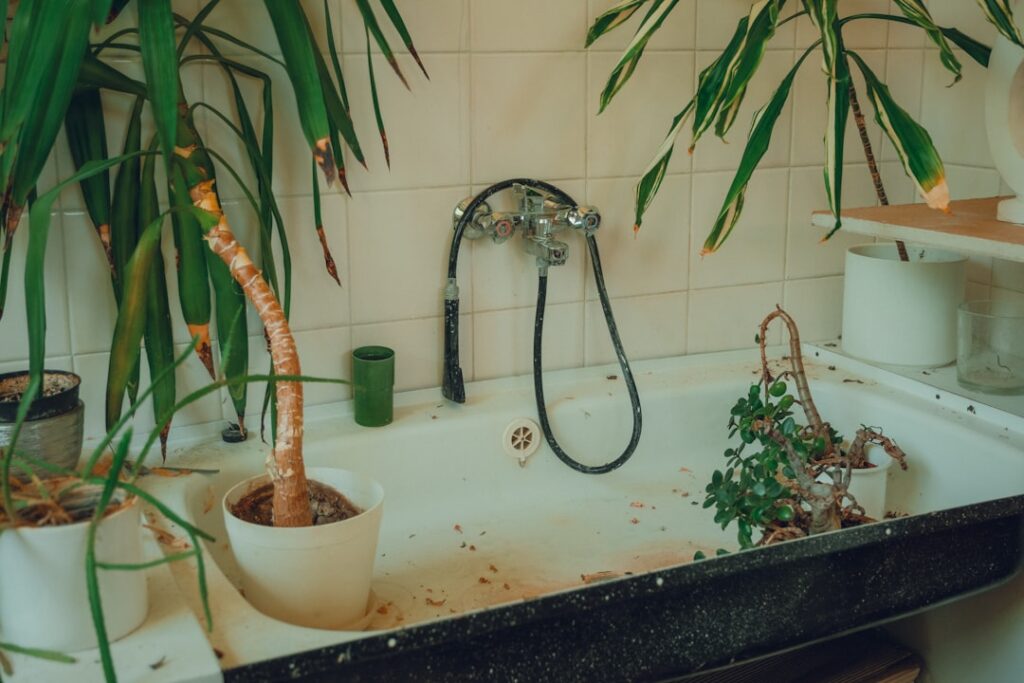
The bathroom is the dampest room in most homes, so it is no surprise that it is where mold appears first. Steam from showers, splashes around the sink, and poor airflow combine to keep surfaces wet long enough for spores to settle and spread. Dealing with mold in bathroom spaces is mostly about controlling that moisture, not just scrubbing stains away. This article summarizes EPA and CDC guidance current as of 2026; consult a physician about health symptoms and a certified professional for testing decisions.
Is this mold, asbestos, or water damage? Get a free instant screen
Upload a clear photo of the suspect area. You'll get an instant AI screening opinion and what to do next. This is screening guidance, not a professional determination.
Screening guidance only. AI can be wrong. Confirm asbestos, mold type, or lead with lab testing or a licensed professional before acting.
Why bathrooms grow mold faster than other rooms
Mold needs moisture, a food source, and time. Bathrooms supply all three on a daily cycle. Grout, caulk, drywall paper, and soap residue feed growth, while warm humid air keeps surfaces damp between uses.
The smaller and less ventilated the bathroom, the worse the problem. A windowless half-bath with a weak or missing exhaust fan can stay near saturation for hours after a shower, which is plenty of time for mold to establish.
Common places mold hides in a bathroom
Visible spots get attention first: grout lines, silicone caulk, and the ceiling above the shower. But mold also colonizes places you rarely look. Behind the toilet, under the sink, inside the exhaust fan housing, and beneath peeling vinyl flooring are all frequent hiding spots.
If you notice staining spreading on the ceiling rather than on tile, the moisture may be coming from above. Our guide on finding mold in your house explains how to trace hidden growth back to its real source.
Is bathroom mold dangerous?
Most bathroom mold is a nuisance rather than an emergency, but the CDC notes that exposure can trigger allergy and asthma symptoms, nasal irritation, and coughing in sensitive people. People with weakened immune systems or chronic lung conditions face higher risk.
Color alone does not tell you the species or the danger. Dark mold in a shower is common and is not necessarily toxic. For any symptoms you connect to your home, consult a physician rather than self-diagnosing from the internet.
How to clean mold in a bathroom safely
Protect yourself first
Wear gloves, eye protection, and an N95 respirator. Open a window and run the fan to keep spores from concentrating in the air while you work.
Clean hard surfaces
On tile, glass, and sealed surfaces, a detergent-and-water scrub removes most mold. The EPA recommends soap and water for routine cleaning; it specifically advises against mixing bleach with ammonia or other cleaners, which can release toxic fumes.
Know when caulk has to go
Mold rooted in old silicone caulk rarely cleans out fully. The durable fix is to cut out the moldy caulk, dry the joint, and re-seal with a mold-resistant product.
Does bleach actually kill bathroom mold?
Bleach can lighten stains on nonporous surfaces, but it struggles on porous materials like grout and drywall because it does not penetrate. The water in bleach can even feed deeper growth. For a fuller breakdown, see our guide on whether bleach kills black mold. For most bathroom surfaces, detergent and thorough drying outperform bleach.
When mold means a hidden leak
If mold keeps returning in the same spot despite cleaning, suspect a hidden water source. A failing wax ring under the toilet, a slow supply-line drip, or a cracked shower pan can keep wall cavities wet. Soft spots in the floor, bubbling paint, and a persistent musty smell point to water behind the surface.
These problems need repair, not just cleaning. Left alone, they rot subfloor and framing and can spread mold into adjacent rooms.
The ventilation fix that stops recurrence
The single most effective prevention step is moving humid air out of the room. A properly sized exhaust fan, vented to the outdoors rather than into the attic, should run during every shower and for 20 to 30 minutes afterward. A simple timer switch automates this.
Where a fan is undersized or missing, upgrading it often solves chronic mold better than any cleaning routine.
Daily habits that keep mold away
Small routines add up. Squeegee the shower walls after use, hang towels to dry rather than bunching them, and keep the door open between showers so humidity disperses. Wiping down the tub surround weekly removes the soap film that mold feeds on.
Keeping indoor humidity below about 50 percent, as the EPA recommends, deprives mold of the moisture it needs.
Grout, caulk, and sealing
Unsealed grout absorbs water and harbors growth. Sealing grout annually and replacing cracked caulk promptly closes the gaps where moisture hides. Mold-resistant paint on bathroom ceilings adds another layer of protection in steamy rooms.
When to call a professional
Call a remediation specialist if mold covers more than roughly 10 square feet, if it returns after cleaning, if you find soft or water-damaged drywall, or if anyone in the home has unexplained respiratory symptoms. A pro can find the moisture source and remove contaminated material safely. For the full picture on testing and inspection, visit our mold inspection and testing hub.
Mold on the bathroom ceiling
Ceiling mold above the shower is one of the most common bathroom complaints, and it usually points to one of two causes. The first is trapped humidity: steam rises, condenses on the cool ceiling, and lingers because the room cannot clear the moist air fast enough. The second is a leak from above, such as a failing seal around an upstairs fixture or a roof problem directly overhead.
Telling them apart matters. Humidity-driven ceiling mold spreads evenly across the ceiling and worsens in winter when the surface is coldest. Leak-driven mold tends to concentrate in a defined patch, often with staining that darkens toward the center. If a stain keeps growing despite better ventilation, the moisture is coming from above and needs a repair, not just a fan.
Mold under and around the sink
The cabinet under the bathroom sink is a quiet incubator for mold. Slow drips from the trap or supply lines keep the cabinet floor damp, and the enclosed space holds humidity. Because homeowners store cleaning supplies there and rarely look closely, growth can spread across the cabinet base before anyone notices.
Check under-sink cabinets periodically for water staining, a swollen cabinet bottom, or a musty smell when you open the doors. Catching a small drip early prevents both mold and the cabinet damage that follows. A bead of plumber’s tape or a tightened connection often solves the leak, after which the cabinet can be cleaned and dried.
Why the exhaust fan matters more than the cleaner
Many homeowners treat bathroom mold as a cleaning problem when it is really a ventilation problem. A bathroom that clears its humid air within half an hour rarely grows much mold, no matter how often it is used. A bathroom that stays damp for hours after every shower will grow mold faster than anyone can scrub it away.
The fix is a properly sized exhaust fan rated for the room’s square footage, vented to the outdoors rather than dumping into the attic where it causes new problems. Running the fan during the shower and for 20 to 30 minutes afterward, ideally on a timer, removes the moisture before it can settle. Upgrading a weak or noisy fan often does more to stop recurring mold than any product on the shelf.
Mold around windows and on window sills
Bathroom windows are a frequent and overlooked mold site. Condensation collects on the cold glass and runs down to the sill and the frame below, where it pools and lingers. Wooden sills absorb that water, and the corners of the frame stay damp long enough for mold to establish, often hidden by curtains or blinds.
Wiping down the glass and sill after showers removes the condensation before it can feed growth. Improving ventilation reduces the humidity that condenses on the window in the first place. If a sill is repeatedly wet and the paint is peeling, the wood beneath may be holding moisture and need attention before mold spreads into the wall around the frame.
How quickly bathroom mold spreads
Mold can begin colonizing a damp surface within a day or two under the right conditions, which is why a bathroom that stays wet grows mold so fast. Spores are always present in the air, waiting for moisture and a food source, and a warm humid bathroom supplies both continuously. This speed is why prevention beats cleanup.
The practical takeaway is to interrupt the cycle early. Drying surfaces quickly after each use denies spores the window they need to take hold. A bathroom that dries within an hour rarely develops a mold problem, while one that stays damp for hours invites growth no cleaning schedule can keep up with. Controlling the moisture timeline is the real key.
Mold-resistant materials and finishes
When remodeling a bathroom, material choices can reduce future mold. Mold-resistant drywall, often called green board or its successors, resists moisture better than standard gypsum board behind tile and around wet areas. Semi-gloss or mold-resistant paint sheds moisture more readily than flat paint on ceilings and walls.
Sealing grout when it is installed and resealing it annually keeps water from soaking into the porous lines where mold roots. Choosing larger tiles means fewer grout lines to maintain. None of these choices eliminates the need for ventilation, but together they make a bathroom far less hospitable to mold over its lifetime.
Bathroom mold and the rest of the house
A bathroom is rarely a sealed box. Humid air escapes under the door and through gaps around plumbing into adjacent rooms, carrying spores with it. A bathroom that runs chronically damp can seed mold in a neighboring closet, a hallway wall, or the framing it shares with the next room. This is why a persistent bathroom moisture problem deserves attention even when the visible mold seems minor.
Keeping the bathroom dry protects more than the bathroom. Good ventilation, prompt leak repair, and humidity control all reduce the spore load that drifts into the rest of the home. If you notice musty odors spreading beyond the bathroom, the source may be moisture that started there and migrated. Our guide on finding mold in your house helps trace that path.
When children or sensitive people use the bathroom
Households with infants, elderly relatives, or anyone with asthma or a compromised immune system should treat bathroom mold with extra care. The CDC notes these groups face higher risk of respiratory irritation from mold exposure. In these homes, addressing mold promptly and keeping humidity controlled is more than cosmetic.
That does not mean panic over a small patch of shower grout, which is common and manageable. It does mean staying ahead of moisture, cleaning growth quickly, and consulting a physician about any symptoms that appear. For broader context on health signals, our guide on the warning signs of mold at home offers a measured overview.
References
- Mold Cleanup in Your Home — U.S. Environmental Protection Agency
- About Mold and Your Health — Centers for Disease Control and Prevention
- A Brief Guide to Mold, Moisture and Your Home — U.S. Environmental Protection Agency
- Mold and Indoor Air Quality — American Lung Association
Front Range homeowners dealing with stubborn bathroom mold or a suspected hidden leak can get in touch through our contact page to connect with a vetted local inspector who can find the moisture source.
Mold removal & cleanup picks
For a small, contained patch (under ~10 sq ft) these EPA-friendly removers handle surface mold. Larger or recurring growth warrants a professional assessment first.
| Product | Why | Buy |
|---|---|---|
 RMR-86 Instant Mold Stain Remover RMR-86 Instant Mold Stain Remover | Fast-acting on stains; ventilate and wear PPE. | Amazon — $25.99 |
 Concrobium Mold Control Concrobium Mold Control | No-bleach formula that also helps prevent regrowth. | Amazon — $13.48 |
 Mold Armor Mold & Mildew Remover Mold Armor Mold & Mildew Remover | Widely stocked bathroom/surface remover. | Amazon — $22.98 |