Hardwood Floor Cleaners: What Damages Finishes and Wood
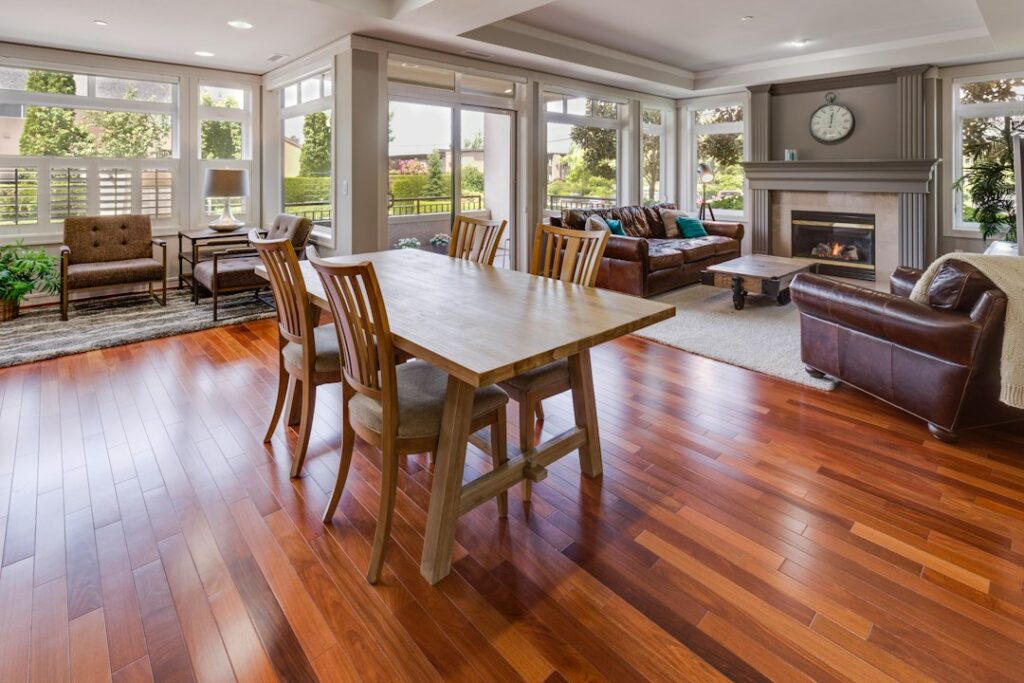
Hardwood floors usually fail from the top down. The finish wears, dulls or gets etched, water finds a way past it, and the wood underneath cups, stains or turns gray. A surprising amount of that damage traces back to cleaning: a mop that is too wet, a steam cleaner used on a floor not designed for it, a homemade vinegar mix used every week for years, or a product that leaves residue that dulls the finish and attracts dirt. Picking a hardwood floor cleaner is less about brand than about matching the product and method to the finish on the floor. This guide covers how to identify common finish types, why water, steam and some household mixes can cause harm, what pH-neutral cleaners are, how the EPA Safer Choice label works, signs of water damage, when cleaning is no longer enough and refinishing is due, and how Colorado’s dry air affects wood floors.
Part of our Structure & Exterior guide — start there for the full picture →
What Is the Best Hardwood Floor Cleaner?
For most modern site-finished and factory-finished hardwood, the safe default is a cleaner the floor or finish manufacturer recommends, usually a pH-neutral product designed for sealed wood floors, applied sparingly with a damp (not wet) microfiber mop. Regular dry cleaning matters more than the liquid: sweeping, dust-mopping or vacuuming with a hard-floor setting removes the grit that scratches finish under foot traffic.
The right answer shifts with the finish:
- Surface finishes such as polyurethane and factory aluminum-oxide finishes sit on top of the wood and are cleaned with products made for sealed floors.
- Penetrating oil and hardwax-oil finishes soak into the wood and often call for specific soap or maintenance products from the finish maker; general cleaners can strip or dull them.
- Wax finishes, common on older floors, are generally not cleaned with water-based products at all, and maintenance usually involves dry cleaning plus periodic rewaxing.
When in doubt, the floor installer’s or finish manufacturer’s maintenance instructions take priority over any general advice, including this guide. Using an unapproved product can sometimes void a finish warranty.
How to Identify the Finish on a Floor
Homeowners who moved into an existing house often do not know what finish is on the floor. A few low-risk tests can narrow it down, always performed in an inconspicuous spot such as inside a closet:
- Water drop test. Place a drop of water on the floor. On a well-maintained surface finish it typically beads. If it soaks in quickly and darkens the wood, the finish may be worn through, or the floor may have a penetrating oil finish.
- Scratch test. Gently scrape a hidden spot with a fingernail or coin. A waxed floor often smudges or leaves a mark in soft wax; a hard surface finish usually does not.
- Look and feel. Surface finishes tend to look like a clear film on top of the wood. Oil finishes look and feel more like the wood itself, with a low sheen.
- Age and history. Prefinished planks installed in the last few decades usually have a factory urethane or aluminum-oxide finish. Floors in much older homes may have been waxed, or refinished with several different products over the years.
Engineered hardwood has a real wood wear layer and is cleaned like solid hardwood with the same finish. Laminate and vinyl plank look similar but are different materials with their own care guidance; the LVP flooring guide covers that product category.
Best Hardwood Floor Cleaner: our top 3 picks
| Product | Best for | Key features | Price | Buy |
|---|---|---|---|---|
| Bona Hardwood Floor Cleaner Spray | Everyday cleaning on polyurethane |
| $8.97as of Nov 19, 2026 3:20 am GMT+0000 | Buy now →Check current price |
| Bona Premium Spray Mop | Complete mop-and-cleaner system |
| $41.97as of Nov 19, 2026 8:13 am GMT+0000 | Buy now →Check current price |
| Bona Cleaner Refill, Unscented | Fragrance-free refills |
| $19.97as of Nov 18, 2026 10:14 pm GMT+0000 | Buy now →Check current price |


Prices are Amazon’s listed prices as of the time shown and change often; check Amazon for today’s price. As an Amazon Associate we earn from qualifying purchases.
Why Water, Steam and Vinegar Can Cause Problems
Wood is hygroscopic: it absorbs and releases moisture and swells and shrinks as it does. The finish is the barrier that slows that exchange. Most cleaning damage comes from overwhelming or degrading that barrier.
Too much water
A soaking-wet string mop leaves standing water in board seams and at the edges where finish is thinnest. Repeated over months, water can wick into the edges of boards, causing cupping (edges higher than centers), gray or black staining, and finish breakdown along the joints. Many flooring and finish manufacturers advise against wet-mopping for this reason and recommend a well-wrung or sprayed microfiber pad instead.
Steam mops
Steam combines heat and moisture and forces both toward the seams. Many hardwood flooring manufacturers and finish makers advise against steam cleaners on wood floors, and some state that steam use can void the warranty. Some steam mop makers market settings for sealed floors, but the floor manufacturer’s guidance should control. Possible effects include whitening or clouding of the finish, finish delamination, and swelling at board edges.
Vinegar and other homemade mixes
Diluted vinegar is a popular homemade floor cleaner. Vinegar is acidic, and many finish manufacturers recommend against acidic or alkaline cleaners on their products because, over time, they may dull or etch the finish. Occasional use at high dilution may cause no visible harm on some finishes; the concern is mainly with frequent, long-term use. Other household products to approach cautiously include:
- Oil soaps and furniture polish, which can leave residue that builds up, makes floors slippery, and can interfere with later recoating.
- Ammonia and strong alkaline cleaners, which can dull or soften some finishes.
- All-purpose and abrasive cleaners, which may scratch or leave a film.
- Wax products on a polyurethane floor, which can create a slippery layer and complicate future refinishing because new finish may not adhere over wax.
What pH-Neutral Cleaners Are
The pH scale runs from acidic (low numbers) to alkaline (high numbers), with 7 as neutral. A pH-neutral cleaner is formulated near the middle of that scale, so it is less likely to react with the finish than a strongly acidic or alkaline product. Most commercial hardwood floor cleaners designed for sealed floors are marketed as pH-neutral or close to it, and many use mild surfactants that lift dirt without leaving much residue.
A few practical points:
- More product is not better. Overconcentrating a cleaner tends to leave residue that dulls the floor and attracts dirt.
- Spray the cleaner onto the mop pad or apply a light mist to a small section, rather than flooding the floor.
- Change or rinse microfiber pads as they load with dirt; dragging grit around causes fine scratching.
- If a floor is hazy from product buildup, a manufacturer-recommended residue remover or professional cleaning may be needed before switching products.
EPA Safer Choice and Indoor Air
Some households want cleaners with fewer harsh ingredients. The EPA’s Safer Choice program is one way to screen products. According to the EPA, products carrying the Safer Choice label have every chemical ingredient reviewed against safety criteria for human health and the environment, must perform comparably to conventional products, must meet pH standards meant to minimize the potential for skin and eye irritation, and are subject to VOC limits to minimize indoor air pollution. EPA also offers a fragrance-free version of the label. Participation is voluntary, so many acceptable floor cleaners do not carry the label; it is a screening aid, not a requirement.
The EPA notes more generally that many cleaning, disinfecting and degreasing products, as well as waxes, contain organic solvents that can release volatile organic compounds during use and, to some degree, during storage. Its guidance on reducing exposure includes increasing ventilation when using products that emit VOCs and following label directions. For floor care that means opening windows or running fans when using solvent-based products, especially wax strippers or refinishing chemicals, and storing products tightly closed.
Daily and Weekly Routines That Protect the Finish
The routine that keeps a floor looking good is mostly dry, with occasional damp cleaning:
- Daily or as needed: dust-mop or sweep high-traffic areas to remove grit. A vacuum without a beater bar, or with the brush roll turned off, works well; a central vacuum with a hard-floor tool is another option.
- Weekly or less: damp-mop with an appropriate cleaner using a lightly misted microfiber pad.
- Immediately: wipe up spills, pet accidents, and tracked-in snow with a dry cloth.
- Preventively: put felt pads on furniture legs, use walk-off mats at entries, and keep pet nails trimmed.
Front Range winters add a specific challenge: tracked-in snow, sand and de-icing salts. Sand is abrasive, and melted snow pools under boots. Boot trays and mats inside entry doors, plus a quick wipe-down of wet floors, do more to protect hardwood than any cleaning product.
Handling Common Spots and Stains
Most everyday marks on a sealed floor sit on top of the finish and come off with the regular cleaner and a little patience. The approach changes when a mark has reached the wood.
- Sticky spills and food: soften with a lightly dampened cloth and the floor’s usual cleaner, then dry the area. Avoid scraping with metal tools.
- Scuffs from shoes: often lift with a clean, dry microfiber cloth or a tennis ball rubbed gently across the mark.
- Pet urine: clean up quickly. Urine that sits can penetrate worn finish and leave dark stains in the wood that cleaners cannot reach; deep stains may require board replacement or sanding.
- Candle wax and gum: harden with an ice pack in a plastic bag, then ease off with a plastic scraper.
- White rings or haze: often moisture trapped in the finish rather than dirt. Some lighten over time as they dry; persistent haze may need professional attention.
On oil-finished and waxed floors, follow the finish maker’s spot-repair instructions, since these finishes are typically touched up locally rather than cleaned with general products. If a spot treatment changes the sheen or color, stop and try it in a hidden area first.
Signs the Problem Is Water Damage, Not Dirt
Some floor problems will not clean away because they are moisture damage, not surface soil. Signs include:
- Cupping, where board edges stand higher than the centers.
- Crowning, where centers are higher than edges, sometimes after a cupped floor was sanded flat before it dried.
- Dark gray or black staining, often near sinks, dishwashers, refrigerators, pet bowls, plants and exterior doors.
- White hazy areas in the finish, which can indicate moisture trapped in or under the finish.
- Buckling, where boards lift off the subfloor, usually from significant water exposure.
- Musty odors or soft spots that may indicate moisture below the floor.
The EPA’s mold and moisture guidance stresses drying wet materials within 24 to 48 hours and fixing the water source, because mold is likely to return if the water problem is not resolved. A slow dishwasher or refrigerator line leak under a hardwood floor can go unnoticed for weeks. The hardwood floor water damage guide explains how inspectors and contractors evaluate moisture in floors and what drying and repair typically involve.
Colorado’s Dry Air and Seasonal Gaps
Wood floors along the Front Range face the opposite problem from many humid regions. Winter heating drives indoor humidity very low, and boards lose moisture and shrink. That can open visible gaps between boards in winter that close again in summer. Seasonal gapping is often normal to a degree, though wide or permanent gaps may indicate installation or moisture issues.
Cleaning interacts with those gaps. Water left on a gapped floor has an easy path into the seams and the subfloor. Many flooring manufacturers specify a recommended indoor humidity range for their products, and some homeowners use humidifiers in winter to reduce gapping. Humidity control should be balanced against condensation and mold risk; the EPA’s general guidance recommends keeping indoor relative humidity below 60 percent, ideally between 30 and 50 percent.
When Cleaning Is Not Enough: Refinishing
Eventually every surface finish wears through in traffic lanes. Signs that cleaning can no longer restore a floor include gray or bare wood showing in traffic paths, scratches that catch a fingernail, finish peeling or flaking, and dullness that remains after residue removal.
The options typically include:
- Screen and recoat: light abrasion of the existing finish followed by a new coat, appropriate when wear has not reached the wood. Wax residue or some cleaning-product buildup can prevent the new coat from bonding, which is one reason product choice matters.
- Full sand and refinish: sanding to bare wood and applying new stain and finish, for floors with deeper damage, stains or worn-through areas. Engineered floors can only be sanded as many times as their wear layer allows.
The hardwood floor refinishing cost guide covers what drives pricing for both approaches.
What Home Inspectors Evaluate
The American Society of Home Inspectors Standard of Practice directs inspectors to inspect walls, ceilings and floors, but lists paint, wallpaper and other finish treatments, as well as floor coverings, among items the inspector is not required to inspect. The standard also says inspections are not required to report cosmetic imperfections that do not significantly affect a component’s function. In practice, inspectors often note buckling, cupping, soft spots, water staining and evidence of leaks around appliances, while finish wear is usually treated as cosmetic. Buyers who care about floor condition may want a flooring contractor’s opinion as well.
Typical Costs
These general 2026 ranges are meant for budgeting, not quotes:
- Hardwood floor cleaner: commonly a modest per-bottle cost; concentrates usually cost less per use.
- Microfiber mop with washable pads: generally an inexpensive one-time purchase.
- Professional deep cleaning: typically priced per square foot, varying by region and floor condition.
- Screen and recoat: usually considerably less than a full refinish.
- Full sand and refinish: priced per square foot and influenced by repairs, stain and finish type.
When to Call a Professional
Bring in a flooring contractor when residue will not come off, when the finish is peeling, when gray or bare wood shows, or when the floor type is unknown and a product mistake could be costly. Call a plumber or an inspector when staining, cupping or musty odors suggest a hidden leak. For guidance on vetting the trades involved, see the structure and exterior hiring guide and the broader hiring process section.
More Questions About Hardwood Floor Cleaners
Is homemade hardwood floor cleaner safe to use?
Some homemade hardwood floor cleaners are safe, but many common recipes can damage the finish. A few drops of mild, pH-neutral dish soap in warm water, applied with a well-wrung mop, is generally gentle for sealed floors. Vinegar, ammonia, lemon juice and baking soda mixtures can dull or etch some finishes over time, and oil soaps can leave residue that complicates future recoating. Never use homemade mixes on waxed or oiled floors without checking the finish type. Always test any cleaner in a hidden spot first and use as little water as possible.
How do you remove sticky residue from hardwood floors?
Sticky residue on hardwood floors usually comes from too much cleaner, oil soaps, spilled drinks or wax buildup, and it often lifts with a damp microfiber mop and plain warm water, followed by drying the floor. For stubborn spots, a pH-neutral hardwood cleaner and gentle rubbing usually work. Avoid scraping with metal tools or using solvents on modern finishes without testing. For adhesive from tape or labels, a small amount of a cleaner made for adhesives and approved for finished wood can help. Heavy buildup across the floor may call for a professional deep clean.
Can you use a robot mop on hardwood floors?
Yes, robot vacuums and many robot mops can be used on sealed hardwood floors if they use only a small amount of water and a cleaner approved for wood. Choose a model with adjustable water flow, set it to the lowest damp setting, and avoid running it over standing water or unsealed, waxed or oiled floors. Pads should be clean and only lightly damp. Check the flooring manufacturer’s care instructions, since some warranties limit wet cleaning. Dry vacuuming with soft brushes and rubber wheels is gentle on finishes.
How do you clean hardwood floors with pets?
Hardwood floors in pet households stay in better shape with daily dry cleaning and prompt spill cleanup. Vacuum or dust-mop often to remove fur and grit that scratch the finish, and keep nails trimmed. Clean urine and other accidents quickly with a damp cloth and an enzyme cleaner approved for wood floors, then dry the area, because urine left standing can stain and penetrate the finish. Place washable rugs near food and water bowls and doorways. Dark stains that remain after cleaning may have reached the wood and may need sanding or board replacement.
References
- Learn About the Safer Choice Label — U.S. Environmental Protection Agency
- Volatile Organic Compounds’ Impact on Indoor Air Quality — U.S. Environmental Protection Agency
- A Brief Guide to Mold, Moisture and Your Home — U.S. Environmental Protection Agency
- Standard of Practice — American Society of Home Inspectors
Frequently asked questions
Can vinegar be used to clean hardwood floors?
Many finish manufacturers advise against acidic cleaners such as vinegar because frequent use may dull or etch some finishes over time. Occasional, highly diluted use may not cause visible harm, but a pH-neutral cleaner recommended for the floor is the safer default.
Is a steam mop safe on hardwood floors?
Many hardwood flooring and finish manufacturers advise against steam mops because heat and moisture can cloud finishes and swell board edges, and some say steam use can void warranties. Check the floor manufacturer's instructions first.
What does pH-neutral mean for a floor cleaner?
It means the product is formulated near 7 on the pH scale, neither strongly acidic nor strongly alkaline. Neutral cleaners are less likely to react with wood floor finishes than harsh acidic or alkaline products.
Why are there gaps between my hardwood boards in winter?
Wood shrinks as it loses moisture, and Colorado's dry winter air plus indoor heating can open seasonal gaps that close again in summer. Some gapping is normal; wide or permanent gaps may indicate other issues worth evaluating.
How often should hardwood floors be cleaned?
Dry cleaning high-traffic areas daily or as needed removes abrasive grit. Damp-mopping with an appropriate cleaner is usually needed weekly or less often, depending on traffic, pets and the finish manufacturer's guidance.
How do you remove scuff marks from hardwood floors?
Most scuff marks on hardwood floors come off by rubbing gently with a clean tennis ball, a soft cloth, or a microfiber pad lightly dampened with pH-neutral cleaner. Avoid abrasive pads that scratch the finish. Deep scratches through the finish may need a touch-up.
Can you clean hardwood floors with just water?
Yes, sealed hardwood floors can be cleaned with a microfiber mop lightly dampened with plain water, which is often enough for routine cleaning. Wring the mop well and dry any standing water quickly. Unsealed, oiled or waxed floors need dry cleaning instead.
Do hardwood floor polishes damage the finish?
Some hardwood floor polishes and restorers leave a layer that can build up, look cloudy, and interfere with future recoating. Use only products recommended by the flooring or finish manufacturer, and avoid frequent use. Many professionals prefer a screen and recoat for worn finishes.
Seeing cupped boards or dark stains on the hardwood in a home you are buying? Contact our team to find a Front Range inspector who can check for the moisture behind them.