Can Mold Destroy a House? Structural Damage Explained
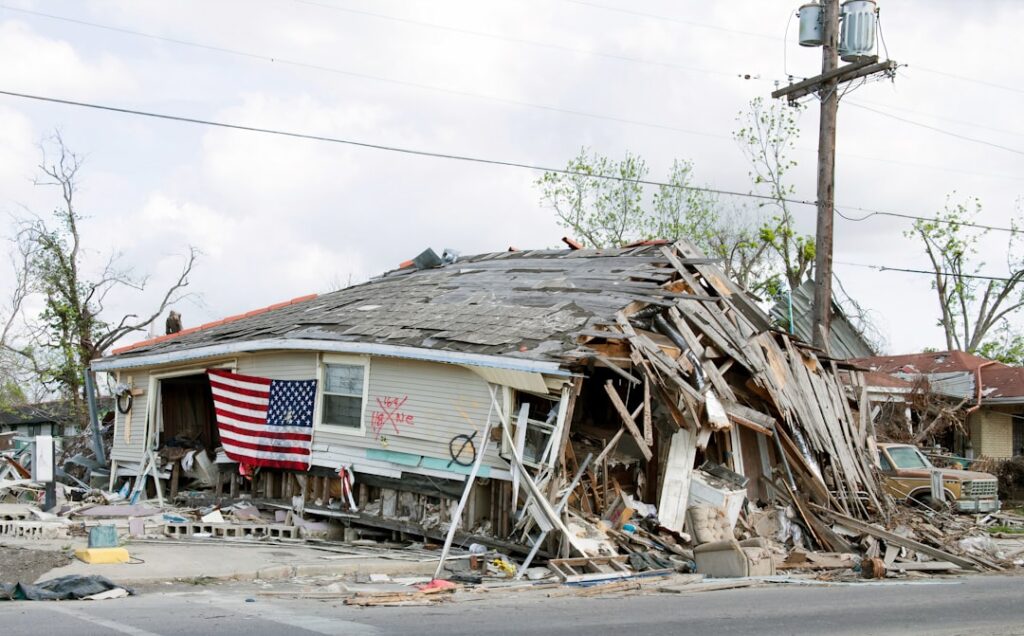
The fear behind the question is real: you find mold spreading across a basement wall or creeping along a ceiling joist and you wonder whether the house itself is at risk. So can mold destroy a house? Mold rarely eats a structure on its own, but the chronic moisture that feeds mold absolutely can degrade wood, drywall, and framing over time, and the two problems travel together. This guide summarizes EPA and CDC guidance current as of 2026 and is general information rather than medical advice or a diagnosis; consult your physician about symptoms and a certified professional about testing and structural assessment. Understanding what mold actually does to building materials helps you tell a cosmetic nuisance from a problem that needs urgent attention.
Part of our Types of Mold guide — start there for the full picture →
Is this mold, asbestos, or water damage? Get a free instant screen
Upload a clear photo of the suspect area. You'll get an instant AI screening opinion and what to do next. This is screening guidance, not a professional determination.
Screening guidance only. AI can be wrong. Confirm asbestos, mold type, or lead with lab testing or a licensed professional before acting.
Can Mold Destroy a House? The Direct Answer
On its own, household mold does not consume structural steel or concrete, and it will not collapse a sound, dry house overnight. What it does is grow on organic materials and, in concert with sustained moisture and wood-decay fungi, contribute to the breakdown of the materials that hold a house up.
The key word is moisture. Mold and structural decay share the same cause: water that should not be there. Where you see persistent mold, you are usually also looking at conditions that rot wood, soften drywall, corrode fasteners, and feed wood-destroying organisms. So the accurate framing is that mold is both a warning sign and a contributor, while the underlying water problem is the real destroyer. Treating the mold without fixing the water leaves the structural risk in place.
How Mold and Moisture Damage Wood
Wood is the structural backbone of most homes, and it is vulnerable to moisture-driven decay. Surface mold on framing is a symptom; the more serious threat is wood rot caused by decay fungi that thrive in the same damp conditions.
When wood stays above roughly 20 percent moisture content for extended periods, decay fungi can establish and begin breaking down the cellulose and lignin that give lumber its strength. Affected wood darkens, softens, and eventually crumbles or feels spongy. Joists, beams, sill plates, and subflooring lose load-bearing capacity as the decay advances. This process is gradual, which is exactly why it is dangerous: a slow leak under a bathroom or a chronically damp crawl space can quietly weaken framing for years before anyone notices. Homeowners who want to understand how inspectors locate hidden moisture in framing can start with the mold inspection and testing overview.
Best At Home Mold Test Kit: our top 3 picks
| Product | Best for | Key features | Price | Buy |
|---|---|---|---|---|
| Varify 6-Pack | All-round DIY plate kit |
| $13.39as of Nov 27, 2026 11:48 am GMT+0000 | Buy now →Check current price |
| KAYENQO 12-Test | Testing many rooms |
| $21.65as of Nov 27, 2026 11:44 am GMT+0000 | Buy now →Check current price |
| Detekt Indoor Air Quality Kit | HVAC vents |
| $36.99as of Nov 27, 2026 11:48 am GMT+0000 | Buy now →Check current price |


Prices are Amazon’s listed prices as of the time shown and change often; check Amazon for today’s price. As an Amazon Associate we earn from qualifying purchases.
What Happens to Drywall and Interior Surfaces
Drywall is especially susceptible because its paper facing is a food source for mold and it loses integrity when wet. Once gypsum board absorbs water, it swells, sags, and crumbles, and any mold rooted in the paper cannot be cleaned out; the panel has to be cut away and replaced.
Ceiling tiles, insulation, and carpet padding behave similarly. The EPA advises that porous materials saturated and visibly moldy generally need to be removed rather than cleaned, because the growth penetrates beyond the surface. Beyond the materials themselves, trapped moisture in wall cavities can corrode metal fasteners and connectors, and damp insulation loses much of its R-value, raising energy costs and creating cold spots where more condensation forms. The damage compounds.
When Damage Becomes Serious
Most mold you find early is a maintenance issue. Certain signs, though, point to damage that has moved past cosmetic and into structural territory, and these warrant prompt professional evaluation.
Warning Signs of Structural Involvement
Soft, spongy, or springy floors signal possible subfloor or joist decay. Sagging ceilings or rooflines, doors and windows that suddenly stick, and visible cracking can indicate that framing has lost strength. Crumbling or darkened wood that yields when pressed with a screwdriver is a classic decay indicator. A persistent musty smell combined with these signs suggests long-standing moisture rather than a fresh spill.
High-Risk Locations
Crawl spaces, basements, and the areas around chronic plumbing or roof leaks are where serious damage tends to concentrate. Front Range homes with finished basements can hide moisture intrusion behind drywall for long stretches. If you are weighing whether the issue is surface mold or something deeper, the guide on telling cleaning apart from the real fix helps frame the decision.
How Moisture Reaches the Structure
Because the real destroyer is water rather than mold itself, knowing how moisture finds its way into structural materials helps you cut it off before damage starts. The pathways are predictable, and most homes face a handful of them.
Roof and flashing failures let rain into the attic and down through ceilings and walls, often showing first as a stain far from the actual leak. Plumbing leaks, from supply lines, drains, and fixtures, feed moisture directly into wall cavities, under floors, and around the framing near bathrooms and kitchens. Foundation and grading problems allow groundwater to seep into basements and crawl spaces, keeping the lowest, often most structurally important wood damp. Condensation is the quieter culprit: warm, humid indoor air meeting cold surfaces in attics, crawl spaces, and uninsulated walls produces water without any leak at all. Poor ventilation compounds all of these by letting moisture linger. In Front Range homes, snowmelt against foundations and condensation in under-insulated spaces are common contributors that the dry regional reputation can mask. Identifying which pathway is feeding a problem is the first step in stopping the damage, because the fix, roofing, plumbing, drainage, insulation, or ventilation, depends entirely on the source.
The Health Dimension Runs Alongside
Structural concern is not the only reason to act. According to CDC guidance, prolonged exposure to indoor dampness and mold is associated with respiratory symptoms in some people, with greater risk for those who have asthma, allergies, or compromised immune systems. A house with enough moisture to threaten its framing usually has enough to affect indoor air quality.
That overlap is useful: the same fix that protects the structure, removing the mold and eliminating the water source, also protects the people inside. There is rarely a reason to address one and ignore the other.
How Damage Progresses Over Time
Structural harm from mold and moisture rarely arrives all at once; it unfolds in stages, and recognizing the timeline helps explain why early action matters so much. In the first stage, a moisture source, a leak, condensation, or seepage, raises the moisture content of nearby materials. Mold appears on surfaces as an early visible sign, but the more consequential change is invisible: wood and other materials begin absorbing and holding water.
In the second stage, sustained dampness allows decay fungi to establish in wood that stays above roughly 20 percent moisture content. At this point the material starts losing strength even if it still looks intact. The third stage is advancing decay, where wood softens, darkens, and crumbles, drywall sags and disintegrates, fasteners corrode, and insulation loses its function. By the final stage, load-bearing elements may be compromised enough to show in the building itself, sagging floors, sticking doors, visible movement.
The reason this progression is dangerous is that it is slow and quiet. A homeowner may notice nothing for months or years while the early and middle stages play out behind walls and under floors. By the time the damage is obvious, the repair is large. That timeline is the strongest argument for treating any persistent moisture or mold as a structural concern in waiting, not a cosmetic nuisance to deal with eventually.
What Insurance Does and Does Not Cover
Because structural mold damage can be expensive, homeowners reasonably wonder whether insurance will help, and the answer hinges on the cause. Policies commonly cover damage that results from a sudden, accidental, covered event, a burst pipe or a failed appliance hose, including resulting mold, often up to a stated limit.
What policies frequently exclude is damage from long-term, gradual problems: a slow leak left unrepaired, chronic condensation, or seepage from poor maintenance. This is exactly the kind of moisture that causes the worst structural decay, which puts homeowners in a difficult spot. The practical lesson is twofold. First, address leaks and moisture promptly, both to protect the structure and to preserve any insurance claim, since insurers may deny coverage for damage they attribute to deferred maintenance. Second, document the cause and timeline of any water event, because the distinction between sudden and gradual determines coverage. Read your specific policy, since mold provisions and limits vary widely, and when a covered event occurs, act and document quickly. None of this replaces prevention, but it underscores why catching moisture early protects both your home and your wallet.
How to Protect Your Home
Prevention follows the moisture. Keep indoor humidity between 30 and 50 percent, and dry any wet materials within the 24-to-48-hour window the EPA cites before mold and decay take hold. Fix roof, plumbing, and foundation leaks promptly rather than letting them run.
Maintain grading and gutters so rainwater drains away from the foundation, ventilate crawl spaces and consider a vapor barrier, and run a dehumidifier in damp basements. Inspect vulnerable areas, under sinks, around water heaters, near the washing machine, at the base of exterior walls, on a regular schedule. When mold exceeds roughly 10 square feet, involves HVAC systems, or shows any of the structural warning signs above, bring in a professional for both the remediation and a structural assessment. Catching moisture early is far cheaper than replacing framing later, and it is the single best answer to whether mold can destroy a house: not if you stop the water in time.
When to Call a Structural Professional
Some situations move beyond what a homeowner or even a mold remediator should evaluate alone, and recognizing them protects both safety and budget. If you encounter wood that is soft, spongy, or crumbles under light pressure in a load-bearing element, a beam, joist, sill plate, or column, that is a signal to involve a structural professional rather than simply cleaning the surface.
The same applies to floors that feel springy or sag, ceilings that bow, rooflines that dip, and doors or windows that have begun sticking in homes with known moisture problems. These can indicate that decay has reduced the strength of framing, and only a qualified professional can judge whether a member needs reinforcement or replacement. A mold remediation contractor addresses the growth and the moisture; a structural assessment addresses whether the building’s bones have been compromised. On significant water-damage projects the two work together, with remediation removing contaminated material and drying the structure, and a structural evaluation confirming what must be repaired or replaced. Front Range homeowners dealing with long-standing basement or crawl-space moisture are wise to ask for a structural opinion when any of these signs appear, because the cost of an assessment is small next to the cost of a missed framing failure. Understanding how moisture is traced through a home, covered in the mold inspection and testing hub, helps you know what to ask for.
More Questions About Mold and Structural Damage
How long does it take mold to damage a house?
Mold can begin growing on wet materials within about 24 to 48 hours, but serious damage to wood framing usually takes months to years of ongoing moisture. Surface mold on drywall and paint can stain and degrade finishes within weeks.
The real driver is wood rot, caused by decay fungi that need sustained wet conditions. A slow, hidden leak inside a wall or under a floor is far more destructive over time than a single spill that dries quickly. Fixing leaks promptly and drying materials fast prevents most structural harm.
Is a house with mold worth buying?
A house with mold can still be worth buying if the moisture source is identifiable, the affected area is limited, and the price or seller credits reflect the repair cost. Small areas of surface mold are common in older homes.
Get a home inspection and, where warranted, a mold assessment before closing. Ask for repair estimates from qualified contractors. Extensive growth, rotted framing, or recurring flooding raises costs sharply and may affect insurance. Negotiating repairs or credits is common, and a real estate attorney can explain disclosure rules locally.
How much does it cost to repair mold damage to a house?
Industry estimates typically put professional mold remediation between about $1,500 and $9,000 for many homes, with severe cases involving structural repair costing well over $10,000. Small, accessible areas cost far less than whole crawl spaces or attics.
Costs depend on the size of the area, access, containment needs, and whether framing, subfloor, or drywall must be replaced. Fixing the moisture source, such as a roof, plumbing, or grading problem, is an additional cost. Getting at least two written quotes that describe scope clearly helps compare offers.
Can mold spread from one room to the whole house?
Mold spores travel through air and HVAC systems, so they can reach every room, but mold only grows where there is enough moisture. A moldy bathroom does not automatically infest the rest of the house.
Growth spreads within damp materials, such as wet wall cavities, flooded carpet, or a humid crawl space. Disturbing mold without containment can scatter spores widely, which is why professionals use plastic sheeting and negative air pressure for larger jobs. Controlling humidity throughout the home keeps stray spores from taking hold.
References
- A Brief Guide to Mold, Moisture, and Your Home — U.S. Environmental Protection Agency
- About Mold and Health — Centers for Disease Control and Prevention
- Mold Cleanup in Your Home — U.S. Environmental Protection Agency
Frequently asked questions
Can mold actually destroy a house?
Mold alone will not collapse a sound house, but the chronic moisture that feeds it can rot wood, ruin drywall, and weaken framing over time. Mold is both a warning sign and a contributor, while the underlying water problem is the real cause of structural damage.
How does mold-related moisture weaken wood?
When wood stays above roughly 20 percent moisture for long periods, decay fungi break down its cellulose and lignin. The wood darkens, softens, and loses load-bearing strength in joists, beams, and subflooring. The process is gradual, so it often goes unnoticed for years.
What are signs of structural mold damage?
Soft or spongy floors, sagging ceilings or rooflines, sticking doors and windows, and crumbling darkened wood all suggest decay has moved past cosmetic. Combined with a persistent musty odor, these signs warrant prompt professional evaluation.
Can moldy drywall be cleaned or must it be replaced?
Saturated, visibly moldy drywall generally must be removed and replaced. Its paper facing feeds mold and it loses structural integrity when wet, so the EPA advises removing porous materials rather than trying to clean them.
Does homeowners insurance cover mold damage to a house?
Homeowners insurance typically covers mold only when it results from a sudden, covered event such as a burst pipe, and often with a coverage cap. Mold from long-term leaks, neglect, or flooding is usually excluded. Policy wording varies, so review the policy and speak with the insurer before starting repairs.
Can mold make a house unlivable?
Severe mold can make a house unsafe to live in temporarily, especially for people with asthma, allergies, or weakened immune systems, or when it accompanies serious water damage. Most mold problems can be remediated. A professional assessment helps decide whether occupants should stay elsewhere during the work.
Is it worth fixing a house with mold or tearing it down?
Most homes with mold are worth fixing, because remediation and moisture repairs usually cost far less than rebuilding. Demolition is generally considered only when extensive rot, repeated flooding, and other major defects combine. A structural engineer and qualified remediation contractor can provide estimates to compare the options.
If you suspect moisture has reached the framing or subfloor, Front Range homeowners can request a connection to a vetted local inspector through our contact page before small damage becomes a major repair.