Asbestos Testing Seattle: What Homeowners Need to Know
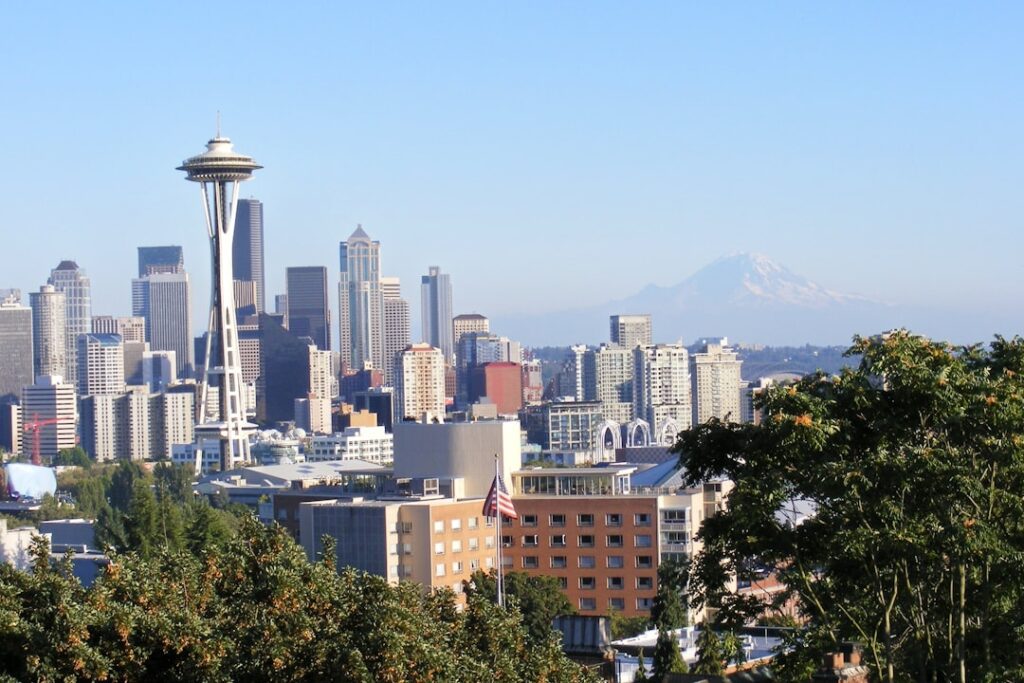
Asbestos testing in Seattle is a frequent first step in renovating or buying the region’s many pre-1980 homes. The Puget Sound area’s older housing stock — from Craftsman bungalows to mid-century ranches — predates the period when asbestos use wound down, so suspect materials are common in ceilings, flooring, insulation, and siding. Washington also enforces some of the strictest asbestos rules in the country, which shapes how testing and any follow-up work proceed. This guide summarizes EPA, CDC, and local regulatory guidance current as of 2026; consult a certified asbestos professional for testing decisions and your physician for any health symptoms.
Part of our Asbestos in the Home guide — start there for the full picture →
Is this mold, asbestos, or water damage? Get a free instant screen
Upload a clear photo of the suspect area. You'll get an instant AI screening opinion and what to do next. This is screening guidance, not a professional determination.
Screening guidance only. AI can be wrong. Confirm asbestos, mold type, or lead with lab testing or a licensed professional before acting.
Why Asbestos Testing Matters in Seattle
Asbestos was used in building materials through the 1970s and into the early 1980s, so any Seattle home built or remodeled before about 1980 should be treated as suspect until laboratory testing proves otherwise. You cannot identify asbestos by sight; confirmation requires microscopic analysis by an accredited laboratory. The risk arises only when fibers become airborne, which happens during disturbance — scraping, sanding, drilling, cutting, or demolition.
That makes testing the gatekeeper for any renovation. Disturbing an untested material can release fibers linked by CDC and EPA to asbestosis, lung cancer, and mesothelioma, often decades later. The rule is consistent everywhere: test before you touch. Our broader asbestos and lead hazard guide maps where these materials commonly hide in older homes.
Where Asbestos Hides in Seattle Homes
The region’s housing styles carry predictable suspect materials. Textured “popcorn” ceilings sprayed before the 1978 ban are a classic concern. Vinyl floor tiles and the black mastic beneath them, sheet flooring backing, pipe and duct insulation, vermiculite attic insulation, joint compound, and certain cement siding products all fall on the suspect list in homes of this vintage.
Older basements and attics, common in Seattle housing, often contain the highest-risk friable materials such as crumbling pipe wrap. Because materials are frequently layered, a sample must capture the full cross-section to be meaningful. Our explainer on asbestos lab testing describes how the laboratory analyzes these samples.
The Testing Process
Testing follows a defined sequence whether a homeowner or a professional collects the sample.
Sampling
A representative sample is collected from the suspect material following EPA and AHERA protocols — shutting down HVAC, lightly wetting the material to suppress dust, wearing protection, cutting through all layers, and sealing the piece in a double bag. Multiple samples from a homogeneous area are recommended, since a single pull is a screening rather than a guarantee.
Lab analysis
The sample goes to a laboratory accredited under NVLAP or equivalent, where an analyst examines it by polarized light microscopy, with transmission electron microscopy reserved for materials where finer detection is needed. The lab returns a written result documenting whether asbestos is present and at what concentration, which becomes part of any renovation or disclosure record.
Washington Rules and What They Mean
Washington regulates asbestos aggressively. In the Seattle area, local clean-air authorities require notification and, for many projects, professional abatement once asbestos is confirmed, and there are restrictions on what homeowners may do themselves. Improper removal can trigger significant penalties and, more importantly, expose your household to fibers. Always verify current local requirements before any project, because the rules here are stricter than EPA federal minimums.
This regulatory environment is a reason many Seattle homeowners hire a certified professional from the testing stage onward. A confirmed positive will usually require licensed abatement anyway, so engaging a pro early streamlines the process. For perspective on costs, our guide on how much asbestos testing costs breaks down the testing and analysis fees.
What Testing Costs in Seattle
Costs depend on whether you collect samples yourself or hire a professional, and on how many samples you submit. DIY mail-in kits pair a modest kit cost with a per-sample lab fee, typically totaling a few dozen dollars per sample. Professional sampling and inspection cost more but include correct sampling, the right number of samples, and a defensible report.
Given Washington’s strict rules and the prevalence of friable materials in older Seattle homes, the professional path frequently makes more sense than it first appears, especially when a renovation will disturb material regardless of the result. Abatement, if needed, is a separate and larger expense handled by licensed contractors.
Testing Before Renovation and Demolition
The most common reason Seattle homeowners need asbestos testing is a planned renovation. Any project that disturbs building materials in a pre-1980 home — removing a popcorn ceiling, pulling up old vinyl flooring, opening walls, replacing insulation, or demolishing a kitchen or bath — risks releasing fibers if those materials contain asbestos. The non-negotiable rule is to test the affected materials before the work begins, not after a contractor has already started cutting and sanding.
This matters for hiring contractors, too. A reputable remodeler working on an older Seattle home will ask whether suspect materials have been tested and may refuse to proceed without clearance, because disturbing asbestos exposes their workers and creates liability. Some renovation permits in the region require asbestos assessment for older structures. Building testing into the project timeline from the start avoids costly mid-project stoppages, protects everyone on site, and keeps the work legal. A few days and a modest testing cost early can prevent a contaminated home, a halted renovation, and a far larger abatement bill later. Treating testing as the first line item in any older-home renovation budget is simply sound planning.
When to Hire a Professional
A DIY kit can be reasonable for an intact, non-friable, easily reached material. But hire a certified professional when the material is friable or deteriorating, overhead or hard to access, when multiple samples are needed, or when the result will drive abatement or a real estate disclosure. In Seattle specifically, the regulatory framework means professional involvement is often required for the work that follows a positive result. A certified inspector collects samples under controlled conditions, follows AHERA protocols, and shoulders the exposure risk. Document the testing and any work performed, since asbestos history is part of property disclosure when you sell.
Friable vs Non-Friable Materials in Older Homes
How risky a Seattle home’s asbestos is depends heavily on whether the material is friable. Friable material crumbles or can be crushed to powder by hand, releasing fibers readily; crumbling pipe and duct insulation, deteriorated spray-applied texture, and damaged insulation are classic friable hazards common in the basements and attics of older Puget Sound homes. Non-friable material binds asbestos in a matrix — intact vinyl floor tile, certain cement products — that resists fiber release unless the material is cut, sanded, or broken.
Condition drives both risk and response. Intact, non-friable material that will stay undisturbed often poses little immediate hazard and can be managed in place, while friable or deteriorating material is a higher priority for professional handling. A trained inspector assesses friability as part of the evaluation, because it shapes whether the recommendation is to monitor, encapsulate, or remove. For homeowners, the practical rule is that the more easily a suspect material crumbles, the more important it is to avoid disturbing it and to bring in a professional rather than sampling it casually.
The Sampling Method, Step by Step
Whether a homeowner or professional collects the sample, the technique determines the result’s reliability and the safety of the process. Forced-air systems are shut down so fibers cannot circulate. The suspect spot is lightly misted with a water-and-detergent solution to suppress dust. The sampler wears gloves and a properly fitted respirator, then uses a clean tool to collect a small piece that captures the full cross-section of layered material — not just a surface coat — and seals it directly into a double bag.
The disturbed area is wiped with a damp cloth, never vacuumed, and sealed. Multiple samples from a homogeneous area improve reliability, since a single pull is a screening rather than a guarantee, and building materials are frequently inhomogeneous. The samples go to a laboratory accredited under the National Voluntary Laboratory Accreditation Program, where analysis by polarized light microscopy, or transmission electron microscopy for fine-fiber materials, confirms whether asbestos is present. Because Seattle’s older homes so often contain friable materials, many homeowners reasonably conclude that professional sampling under AHERA protocols is the safer choice.
What Happens After a Positive Result
A positive lab result reclassifies the material as asbestos-containing and triggers a different set of decisions. If the material is intact, non-friable, and will not be disturbed, the EPA generally favors managing it in place with monitoring over unnecessary removal. If it is friable, deteriorating, or in the path of a planned renovation, the response shifts toward professional encapsulation, enclosure, or licensed abatement.
In Seattle, the regulatory framework often dictates that abatement be performed by licensed professionals, with notification filed to the local clean-air authority before work begins. Abatement involves containment, negative-air HEPA filtration, wet removal, sealed and labeled disposal at a permitted facility, and air clearance testing before the space is reoccupied. Costs scale with the material’s extent and the home’s layout, and they dwarf the price of testing — which is precisely why testing first, before any disturbance, is the foundation of the whole process. Keeping the lab report and any abatement documentation also supports disclosure when the home is later sold.
Choosing a Qualified Professional in Seattle
Given Washington’s strict rules and the prevalence of friable materials, selecting a qualified professional matters. Look for an inspector or abatement contractor properly certified for asbestos work in Washington, with experience in the region’s older housing styles and a clear understanding of local clean-air authority requirements. Ask whether they use an NVLAP-accredited lab, how they determine the number of samples, and what documentation — lab results, notifications, air clearance — they provide.
A reputable professional explains the friability assessment, recommends management in place when that is the safer and cheaper course, and does not push removal where encapsulation or enclosure would suffice. Confirm certification and insurance, request references, and get itemized written quotes. Engaging a professional early, from the testing stage, often streamlines the process in Seattle because a positive result will usually require licensed handling for the work that follows anyway, making the professional path both safer and more practical than a piecemeal DIY approach.
For Seattle homeowners, the practical takeaway is to treat asbestos testing as routine due diligence on any older home, not an exceptional measure reserved for visible problems. The region’s housing age, the strict regulatory framework, and the prevalence of friable materials in basements and attics all point the same direction: test before disturbing, lean toward professional sampling for anything friable or hard to reach, and keep thorough documentation of results and any work performed. That documentation supports disclosure at resale and gives future occupants a clear record. Approached this way, asbestos becomes a manageable, well-understood condition rather than a hidden hazard, and the modest cost of testing buys both safety and peace of mind on a home that, given its age, almost certainly contains some suspect material somewhere. The goal is never to alarm but to inform, so that any disturbance is planned, tested, and handled correctly from the start.
More Questions About Asbestos Testing in Seattle
How long do asbestos test results take in Seattle?
Asbestos test results in Seattle typically take three to five business days for standard lab analysis of bulk samples, and many labs offer 24-hour or same-day rush service for a higher fee. The site visit for a typical renovation area usually takes an hour or two.
Because Washington and regional rules generally require a survey before regulated renovation or demolition, testing belongs at the start of the project schedule. Allowing one to two weeks for sampling, results, and any required notifications keeps contractors from waiting. Rush service helps when an unexpected material turns up mid-project.
Does homeowners insurance cover asbestos testing in Seattle?
Homeowners insurance in Seattle usually does not cover asbestos testing or removal for planned renovations or aging materials, since insurers treat these as maintenance. Pollution exclusions in many policies can also apply to asbestos.
Coverage is more likely when a covered event, such as a fire or burst pipe, damages materials and testing becomes part of the repair. Asking the adjuster to approve testing before the visit helps with reimbursement. Keeping the survey report and lab results with the claim documents supports the request if abatement costs follow.
Should you test for asbestos before buying an older Seattle home?
Yes, adding asbestos testing during the inspection period makes sense when buying an older Seattle home you plan to renovate. A standard home inspection does not include asbestos sampling; inspectors only flag suspect materials such as ceiling texture, vinyl flooring, or duct wrap.
A separate asbestos survey with lab analysis gives real numbers for a remodel budget and can support a repair request or price negotiation. Craftsman and mid-century homes often contain several suspect materials, so testing before closing avoids discovering abatement costs after the purchase is final.
Is vermiculite attic insulation in Seattle homes dangerous?
Vermiculite attic insulation in Seattle homes should be treated as if it contains asbestos, according to EPA guidance. Much of the vermiculite sold in the United States before 1990 came from a contaminated mine near Libby, Montana, and testing can miss uneven contamination.
Vermiculite is generally low risk when left undisturbed and sealed away from living spaces. The risk rises when people store items in the attic, run wiring, or add insulation. A certified professional should handle any attic project that would move it, and the attic should not be used for storage in the meantime.
Can lead paint and asbestos be tested in the same visit in Seattle?
Yes, many Seattle environmental firms test for lead paint and asbestos in the same visit, which suits the city’s many pre-1978 homes. One combined inspection covers paint on walls, trim, and windows along with the building materials a renovation will disturb.
Federal rules require lead-safe certified contractors for paid renovation work that disturbs paint in homes built before 1978, and Washington runs its own certification program. Knowing where both hazards are before demolition helps contractors plan containment once and keeps a project from stalling when painted surfaces are opened up.
References
- Protecting your family from asbestos exposure — EPA
- Asbestos health effects and exposure — CDC
- Asbestos handling and worker protection standards — OSHA
Frequently asked questions
Does my Seattle home likely contain asbestos?
Any Seattle home built or remodeled before about 1980 should be treated as suspect, given the region's older housing stock. You cannot confirm asbestos by sight; only laboratory analysis of a properly collected sample can confirm it.
Can I test for asbestos myself in Seattle?
A DIY mail-in kit can work for intact, non-friable, accessible materials. However, Washington's strict rules and the prevalence of friable materials in older homes mean professional sampling is often the safer and more practical choice, especially before abatement.
What does asbestos testing cost in Seattle?
DIY kits pair a modest kit cost with a per-sample lab fee totaling a few dozen dollars per sample. Professional sampling and inspection cost more but include correct sampling and a defensible report. Abatement is a separate, larger expense.
Are there special asbestos rules in Seattle?
Yes. Washington and Seattle-area clean-air authorities enforce strict notification and abatement requirements, often requiring licensed professionals once asbestos is confirmed. Verify current local rules before any project, as they exceed federal minimums.
Can Seattle renters ask for asbestos testing?
Seattle renters can ask the landlord in writing to have damaged or crumbling suspect material assessed, and landlords must follow asbestos rules before renovating. Tenants should not sample or disturb the material themselves. Dated photos and written requests help if repairs stall.
Is old cement siding on a Seattle house safe to paint?
Old asbestos-cement siding on a Seattle house is generally safe to paint when intact, as long as it is not sanded, scraped hard, or pressure-washed. Hand washing and priming are the usual approach. Cutting, drilling, or removing panels releases fibers, so test before any re-siding work.
Who checks the air after asbestos removal in Seattle?
After asbestos removal in Seattle, an independent consultant or industrial hygienist typically performs clearance air testing inside the work area. Containment stays up until results meet the clearance standard. Choosing a tester unaffiliated with the abatement contractor keeps the result objective.
What should you do if you accidentally broke asbestos material in Seattle?
After accidentally breaking suspected asbestos material in Seattle, stop work, leave the area, and shut off forced-air heating. Do not sweep or vacuum. Have a sample tested, and if it is positive, hire a certified abatement contractor to clean up. Talk with a doctor about any exposure concerns.
Front Range homeowners weighing a renovation in an older property can get in touch through our contact page to connect with a certified asbestos professional before disturbing any suspect material.