Asbestos Testing in Thornton, Colorado
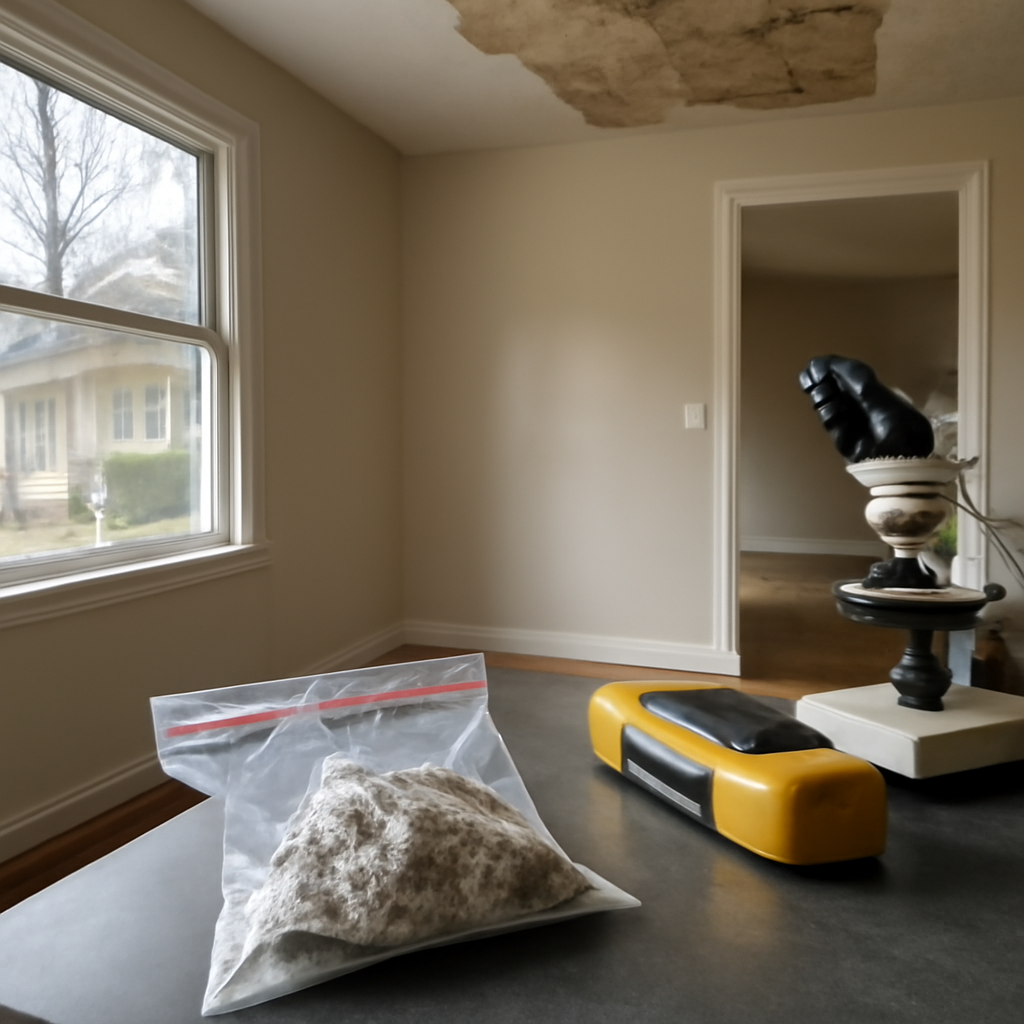
Asbestos was used widely in building materials until federal restrictions phased it out, so the older a home, the more likely it contains asbestos in flooring, insulation, popcorn ceilings, or pipe wrap. In Thornton, that risk concentrates in the south-Thornton stock near the original townsite, where 1950s-to-1970s homes predate the era when asbestos use wound down. Asbestos testing thornton homeowners arrange before a renovation confirms through laboratory analysis whether a suspect material actually contains asbestos before anyone disturbs it. This page explains where asbestos hides in Thornton homes, how testing works, and what it costs. This summary reflects EPA, OSHA, and CDC guidance current as of 2026; consult a certified professional before disturbing any suspect material.
Is this mold, asbestos, or water damage? Get a free instant screen
Upload a clear photo of the suspect area. You'll get an instant AI screening opinion and what to do next. This is screening guidance, not a professional determination.
Screening guidance only. AI can be wrong. Confirm asbestos, mold type, or lead with lab testing or a licensed professional before acting.
Asbestos testing in Thornton: what to know
Asbestos is only dangerous when its fibers become airborne and are inhaled, which happens when an asbestos-containing material is cut, sanded, scraped, or demolished. Intact, undisturbed material is generally low risk. That is why testing matters most before a renovation: you need to know whether the popcorn ceiling you are about to scrape, or the old floor tile you are about to pull up, contains asbestos before the work releases fibers.
Testing means collecting a small sample of the suspect material and sending it to an accredited lab for analysis under polarized-light microscopy. A trained sampler wets the material and takes the sample carefully to avoid releasing fibers, then the lab reports the percentage and type of asbestos, if any. For the broader picture of pre-1978 housing hazards and how asbestos and lead often appear together, our guide to asbestos and lead in older homes covers the fundamentals.
An important point for Thornton homeowners: you cannot identify asbestos by looking. A popcorn ceiling, a sheet of old floor tile, or a length of pipe insulation looks the same whether or not it contains asbestos. Only a lab can confirm it. That is why guessing is dangerous, scraping a ceiling that turns out to be asbestos releases fibers into the home, while paying to remove a material that was never asbestos wastes money. The lab test resolves the question before the work starts.
Why Thornton homes need asbestos testing
The housing era is the deciding factor. Thornton’s south side near the original townsite includes homes built in the 1950s, 1960s, and 1970s, the decades when asbestos was common in residential construction. These homes may carry asbestos in vinyl floor tile and the mastic beneath it, in textured “popcorn” ceilings, in pipe and duct insulation, in some drywall joint compound, and in older HVAC components. A renovation in one of these homes is the moment testing becomes essential.
Newer Thornton matters less for asbestos. The tract homes that grew across Hunters Glen, North Creek, and Trail Winds from the 1980s onward were largely built after asbestos use had wound down, so the risk there is low. This split, higher risk in the older core, lower risk in the newer suburbs, is why asbestos testing in Thornton is so tied to which part of the city a home sits in and what era it was built.
Renovation activity drives the need. Thornton’s older homes are popular for updates, and removing a popcorn ceiling, replacing dated flooring, or opening walls during a remodel can disturb asbestos if it is present. Doing that work without testing first risks contaminating the home with fibers that are expensive to clean up and hazardous to breathe. Testing a few suspect materials before the project begins is far cheaper than an abatement after an accidental release.
Even routine repairs in older south-Thornton homes warrant caution. A burst pipe wrapped in old insulation, a damaged section of floor tile, or a water-stained ceiling can release fibers if handled carelessly. For these homes, knowing in advance which materials contain asbestos lets a homeowner plan repairs safely rather than discovering the hazard mid-project.
Water damage links asbestos to Thornton’s other common hazards. When a swamp-cooler leak or a basement seep damages an older ceiling or floor in a pre-1978 home, the same event that creates a mold concern can also disturb asbestos-containing material. A homeowner cleaning up after water damage in an older south-Thornton home should know which materials are asbestos-bearing before scraping, cutting, or tearing them out, because the cleanup itself is the moment fibers are most likely to be released. Testing first turns a hazardous demolition into a controlled, safe one.
What Thornton asbestos testing covers
Testing targets the materials most likely to contain asbestos in a given home, guided by its age and construction.
Flooring and ceilings
Vinyl floor tile, sheet flooring, and the black mastic adhesive beneath are common asbestos sources in older homes, as are textured popcorn ceilings. The sampler takes small pieces of each suspect material for lab analysis before any removal.
Insulation and mechanical systems
Pipe wrap, duct insulation, boiler and furnace components, and some attic or wall insulation in older homes can contain asbestos. These are sampled carefully because mechanical insulation is often friable, meaning it crumbles and releases fibers easily when disturbed.
Walls and miscellaneous materials
Drywall joint compound, certain textured wall coatings, older roofing and siding materials, and window glazing can also contain asbestos in homes of the right vintage. The sampler identifies suspect materials based on the home’s age and condition, then collects representative samples for the lab.
Asbestos testing cost in Thornton
In the Thornton market, asbestos testing is usually priced per sample plus a base visit or assessment fee. Each sample with accredited lab analysis commonly runs $30 to $75, and a typical pre-renovation job sampling several materials plus the visit lands around $250 to $600 depending on home size and how many suspect materials need testing.
A larger project touching many materials, or a friable-insulation assessment that requires extra care, pushes cost toward the upper end. For a single suspect material, such as one popcorn ceiling before a scrape, testing can be quite inexpensive relative to the renovation it protects.
Set the cost against the alternative. A few hundred dollars of testing before a remodel can prevent an accidental asbestos release that contaminates a Thornton home and requires professional abatement costing thousands of dollars and weeks of cleanup. Testing also prevents wasted money on removing materials that turn out to be asbestos-free. For older south-Thornton homes, testing before any disturbance is the clear economy.
Thornton regulations and disclosure
Colorado regulates asbestos through CDPHE, and state rules govern abatement when asbestos is found in regulated quantities. Sampling and analysis should follow recognized protocols, with samples analyzed by an accredited laboratory. For any abatement, Colorado requires certified contractors, so a homeowner who confirms asbestos through testing should not attempt removal of regulated materials themselves. The Colorado Seller’s Property Disclosure asks sellers to report known asbestos, making documented test results relevant in a Thornton sale.
Because older south-Thornton homes that may contain asbestos often also contain pre-1978 lead paint, the same vintage that raises one hazard frequently raises the other. A buyer or renovator of one of these homes may need both asbestos and lead testing, covered on our lead testing in Thornton page. Newer north-Thornton homes generally carry neither concern. Disclosure depends on what a seller knows, and many do not know what is in their walls and ceilings, which is why independent testing before a renovation fills the gap.
Neighborhoods and areas served
Asbestos testing in Thornton is most relevant in the older core, Original Thornton and Eastlake near the historic townsite, where 1950s-to-1970s homes are concentrated. The newer neighborhoods of Trail Winds, North Creek, and Hunters Glen, built largely after asbestos use declined, carry far lower risk, so testing there is usually limited to any older outbuilding or unexpected legacy material.
Service typically extends to adjacent Northglenn, Westminster, Brighton, and Commerce City, all of which include older housing stock of similar vintage near their own historic cores. A homeowner renovating an older property across these communities benefits from the same pre-renovation testing, since the asbestos-bearing materials, popcorn ceilings, old floor tile, and pipe wrap, are consistent across mid-century Front Range construction. Knowing a home’s era guides which materials to sample.
How to choose a Thornton asbestos testing provider
Ask whether samples go to an accredited laboratory and whether the sampler is trained to collect material safely, wetting it and minimizing fiber release. A capable provider asks about the home’s age and your renovation plans, then targets the materials most likely to contain asbestos rather than sampling indiscriminately. For an older south-Thornton home, a provider who understands mid-century construction knows where to look.
Favor a tester independent of abatement work where possible, since a provider who also profits from removal has an incentive to find a problem. A straight provider will sometimes report that a material is asbestos-free and no abatement is needed, which is the honesty worth paying for. For regulated materials that do test positive, the provider should explain that Colorado requires certified abatement rather than do-it-yourself removal.
Finally, confirm the deliverable includes the lab report identifying each material, the asbestos percentage and type, and clear guidance on which materials are safe to disturb and which require certified abatement. That documentation lets a Thornton homeowner plan a renovation safely and proves the home’s status in a future sale. Clear, lab-backed reporting is what separates useful asbestos testing from guesswork before a remodel.
References
- Protect your family from asbestos — U.S. Environmental Protection Agency
- Asbestos safety standards — Occupational Safety and Health Administration
- Asbestos and your health — Centers for Disease Control and Prevention
Before scraping a ceiling or pulling old flooring in an older Thornton home, confirm what is in the material. To arrange asbestos testing with a vetted local provider before your renovation begins, get in touch through our contact page.