Asbestos Testing in Park County, Colorado
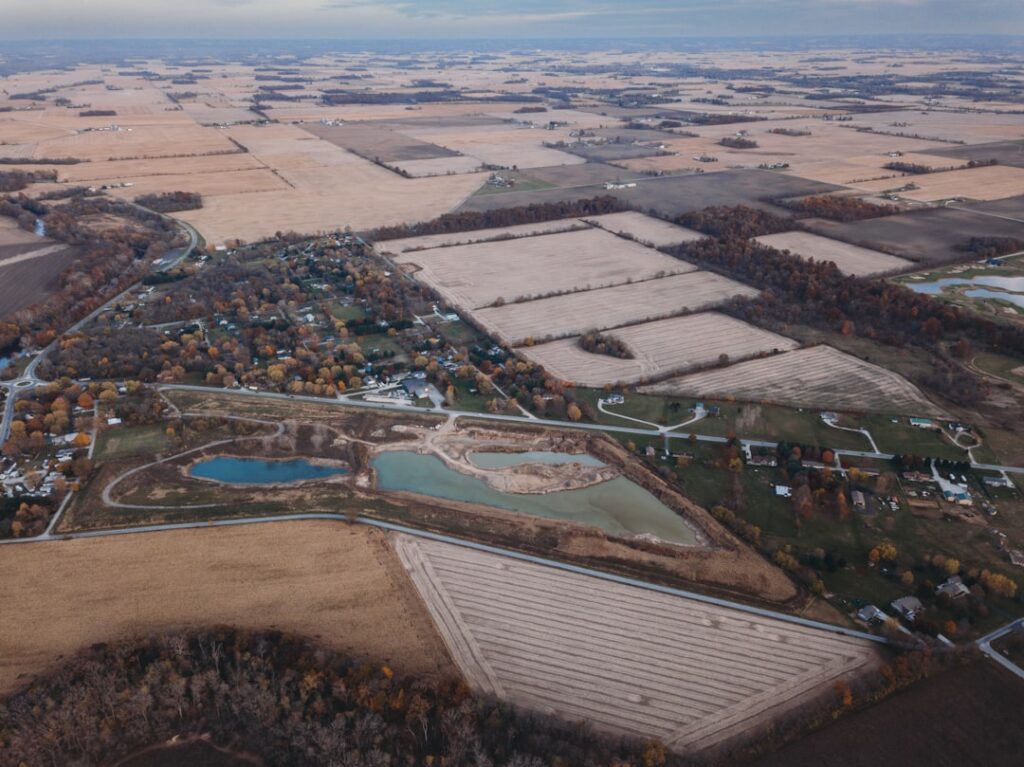
Asbestos testing park county homeowners need most when renovating, buying, or repairing an older mountain property. Asbestos was used in building materials for decades and is still legal in some products, so age and material type — not a guess — determine the risk. Park County’s housing skews old in places: the mining-era towns of Fairplay and Alma hold pre-1978 stock, while Bailey, Como, and the remote South Park communities mix older cabins with newer builds. This page is a county-level hub covering when testing matters, how sampling works, local costs, and how to act. This summary reflects EPA, OSHA, and CDPHE guidance current as of 2026; consult a certified professional for sampling and abatement decisions and your physician for health questions.
Is this mold, asbestos, or water damage? Get a free instant screen
Upload a clear photo of the suspect area. You'll get an instant AI screening opinion and what to do next. This is screening guidance, not a professional determination.
Screening guidance only. AI can be wrong. Confirm asbestos, mold type, or lead with lab testing or a licensed professional before acting.
Asbestos testing in Park County: what to know
Asbestos testing identifies whether a building material contains asbestos fibers before that material is disturbed. Intact, undisturbed asbestos is generally not an immediate hazard; the danger comes when sanding, demolition, or damage releases microscopic fibers into the air, where they can be inhaled. Testing therefore matters most before any renovation or repair that would cut, scrape, or tear into suspect materials.
In Park County, the trigger is usually a renovation of an older home or a pre-purchase question about a mining-era property. Common suspect materials include vinyl floor tile and the mastic beneath it, popcorn and textured ceilings, pipe and duct insulation, joint compound, and old siding or roofing. A certified inspector collects small samples and an accredited lab analyzes them, because asbestos cannot be identified by eye.
For the broader context of pre-1978 housing hazards and how asbestos and lead overlap, our pre-1978 housing hazard guide covers the fundamentals. This page stays focused on the Park County picture — its mining-era stock and remote renovation realities — and how to test before disturbing suspect materials.
Why Park County homes need asbestos testing
Housing age is the main driver. Fairplay and Alma were built up during a 19th-century mining boom that long predates the late-1970s restrictions on many asbestos products, so genuinely old structures are common there. Even where original buildings were updated, mid-century repairs and additions often used asbestos-containing materials, which means a home’s apparent modernization does not rule out asbestos hidden in floors, ceilings, or mechanical insulation.
Renovation and restoration raise the stakes. Mountain properties across Park County are frequently remodeled — cabins modernized, mining-era homes restored, ranch houses updated — and renovation is exactly the activity that disturbs asbestos. Tearing out an old kitchen floor in a Fairplay house, scraping a textured ceiling in a Bailey home, or removing pipe insulation in an Alma basement can release fibers if the material is not tested and handled correctly first.
Heating systems add a specific concern. Older Park County homes often retain legacy heating: pipe-wrapped boilers, duct insulation, and materials around wood-stove and furnace installations, all of which historically contained asbestos. Because these homes run hard through some of the coldest winters in the state, that insulation may be aged and friable, so testing before any heating-system repair or replacement protects both the worker and the household from fiber release.
What a Park County asbestos test covers
Testing follows a careful, controlled sequence so sampling does not itself create exposure. A certified inspector identifies suspect materials, collects small samples using wet methods to suppress dust, and submits them to an accredited laboratory.
Material sampling and lab analysis
The inspector targets the materials most likely to contain asbestos given the home’s age — floor tile and mastic, textured ceilings, joint compound, insulation, and siding. Samples are taken with minimal disturbance and analyzed by polarized light microscopy, the standard method for bulk asbestos identification. Results report whether each material contains asbestos and at what percentage, which guides whether abatement is needed.
Scope and renovation planning
A good assessment maps which materials in the planned work area need testing, so a Bailey remodel or a Fairplay restoration proceeds with a clear picture. Knowing in advance which materials are positive lets the homeowner budget for proper abatement and schedule it before demolition, rather than discovering a problem mid-project and halting work on a remote property.
Asbestos testing cost in Park County
Asbestos testing in the Park County market typically runs about $350 to $650 for a focused assessment with a few lab-analyzed samples, with the higher end reflecting long drive times to remote South Park properties and additional sample points on a larger or older home. Each added sample increases the total because of per-sample lab fees. A whole-house pre-renovation survey of an older mining-era home, with many suspect materials, sits above that range.
Against the cost and legal exposure of an improper renovation — Colorado regulates asbestos abatement, and disturbing materials without testing can mean cleanup and fines — testing is a modest, protective expense. Many homeowners test before a remodel so the project budget reflects any abatement from the start rather than as a surprise discovered far from the highway.
Colorado regulations and disclosure
Colorado regulates asbestos through the Air Pollution Control Division, and the state sets thresholds above which abatement must be performed by certified professionals — generally for amounts beyond a small homeowner quantity. Disturbing regulated amounts of asbestos-containing material without proper handling can trigger enforcement, so testing first establishes what you are dealing with before any work begins on a Park County property.
For real-estate transactions, Colorado’s Seller’s Property Disclosure asks about known asbestos, so a documented test supports a clean sale of an older Fairplay or Bailey home. Keeping lab results and any abatement records gives both buyer and seller a defensible record, which matters in a county where many homes predate the relevant restrictions.
Communities and areas served across Park County
Asbestos concern concentrates in the older stock but appears county-wide. Fairplay and Alma, the mining-era heart of the county, hold the densest pre-1978 housing, where original construction and decades of repairs make testing routine before any renovation. Bailey mixes older homes that warrant testing with newer builds that generally do not, so age guides the decision. Como, Shawnee, Hartsel, Guffey, and Lake George bring cabins and rural properties that often carry legacy heating and flooring materials worth checking. The same older properties frequently warrant lead testing too — see our county page on lead testing in Park County for that overlap.
Coverage extends across the South Platte headwaters and the high South Park basin, including properties reached over Kenosha Pass. Homeowners on the eastern edge near the Jefferson County line can reference our nearby work on asbestos testing in Conifer, a foothills community with comparable older housing. Across Park County, a pre-renovation asbestos test and a lead test often run together because the same age threshold drives both.
How mining-era homes change the assessment
Park County’s mining-era housing makes asbestos assessment more involved than a survey of a uniform modern subdivision. A Fairplay or Alma home may carry layers of materials from different decades — original construction, mid-century updates, and recent cosmetic work — each potentially hiding asbestos beneath the surface. An inspector reads the renovation history of the structure, sampling materials that a casual look would miss, such as mastic under newer flooring or insulation buried in a wall during a past remodel.
Cold-climate construction adds specific suspect materials. Homes built to endure South Park’s brutal winters often have substantial mechanical insulation, and older boilers, ducts, and pipe runs are exactly where asbestos was historically used for its heat resistance. A thorough Park County assessment gives extra attention to the heating system and its insulation, because that is both a likely positive and a high-disturbance area during any upgrade.
Restoration intent shapes the scope. Many buyers of mining-district homes plan to restore rather than demolish, which means selectively disturbing original materials. Testing those specific materials before work begins lets a restoration proceed safely and on budget, preserving historic character while keeping fibers out of the air. That planning is the practical heart of asbestos testing in Park County’s oldest communities, where the nearest help is a long drive away if work stalls.
What happens after a positive result in Park County
A positive asbestos result is not a crisis, but it does change how a project proceeds, and Park County’s remoteness makes planning the response worthwhile. If a material tests positive and the renovation will disturb it, Colorado’s rules govern who may remove regulated amounts and how. Below a small homeowner threshold, limited work may be allowed, but anything beyond that requires a certified abatement contractor working under containment, and finding one willing to drive deep into South Park to a Fairplay or Hartsel property takes lead time worth building into the schedule.
Sometimes the best response is to leave the material alone. Intact asbestos that is not in the path of the planned work can often be encapsulated or simply left undisturbed, since the hazard arises from releasing fibers, not from the material’s presence. A Bailey homeowner planning a kitchen update might reroute the project to avoid a positive floor tile, encapsulating it under new flooring rather than tearing it out, which keeps fibers contained and avoids the cost and disruption of full abatement on a remote property.
Documentation protects the homeowner afterward. Keeping the lab report, any abatement records, and clearance results creates a paper trail that supports disclosure at resale and reassures a future buyer that an older Park County home was handled correctly. In a county where so much of the mining-era stock predates the relevant restrictions, that record turns a potential liability into a demonstrated point of diligence, which matters when a Fairplay or Alma home eventually changes hands.
How to choose a Park County asbestos testing provider
Confirm the provider is a certified asbestos inspector who uses an accredited laboratory and wet sampling methods to avoid releasing fibers during collection. Ask whether they will map the planned renovation area and report results by material and percentage, so you know exactly what needs abatement. A provider who understands mining-era construction and legacy heating systems will sample the right materials in an older Park County home.
Keep testing independent of abatement where possible, so the assessment is not shaped by an incentive to find work. A clear written report with lab results, material locations, and percentages is what lets a homeowner plan a safe, compliant renovation and supports disclosure in a Fairplay or Bailey sale.
The bottom line for Park County is that age, not appearance, drives the decision to test. A modernized Fairplay or Bailey home can still sit on asbestos floor tile, and a restored mining-era cabin can hide boiler and pipe insulation from the boom years. Testing the specific materials a renovation will disturb, before the first cut, is what keeps fibers out of the air and a project on schedule in a remote county where so much of the stock predates the relevant restrictions and help is a long drive away. The modest cost of a few lab samples is trivial next to the price of halting a half-finished Fairplay or Bailey remodel, decontaminating a work area, and waiting days for an abatement crew to reach South Park, which is exactly the outcome that testing first is designed to prevent.
References
- Asbestos: protect your family — U.S. Environmental Protection Agency
- Asbestos safety standards — Occupational Safety and Health Administration
- Colorado asbestos regulations and guidance — Colorado Department of Public Health and Environment
Before renovating an older Park County home in Fairplay, Alma, or anywhere across South Park, test suspect materials first. To connect with a certified asbestos inspector and an accredited lab, get in touch through our contact page.