Asbestos Testing in Commerce City, CO | InspectandTest
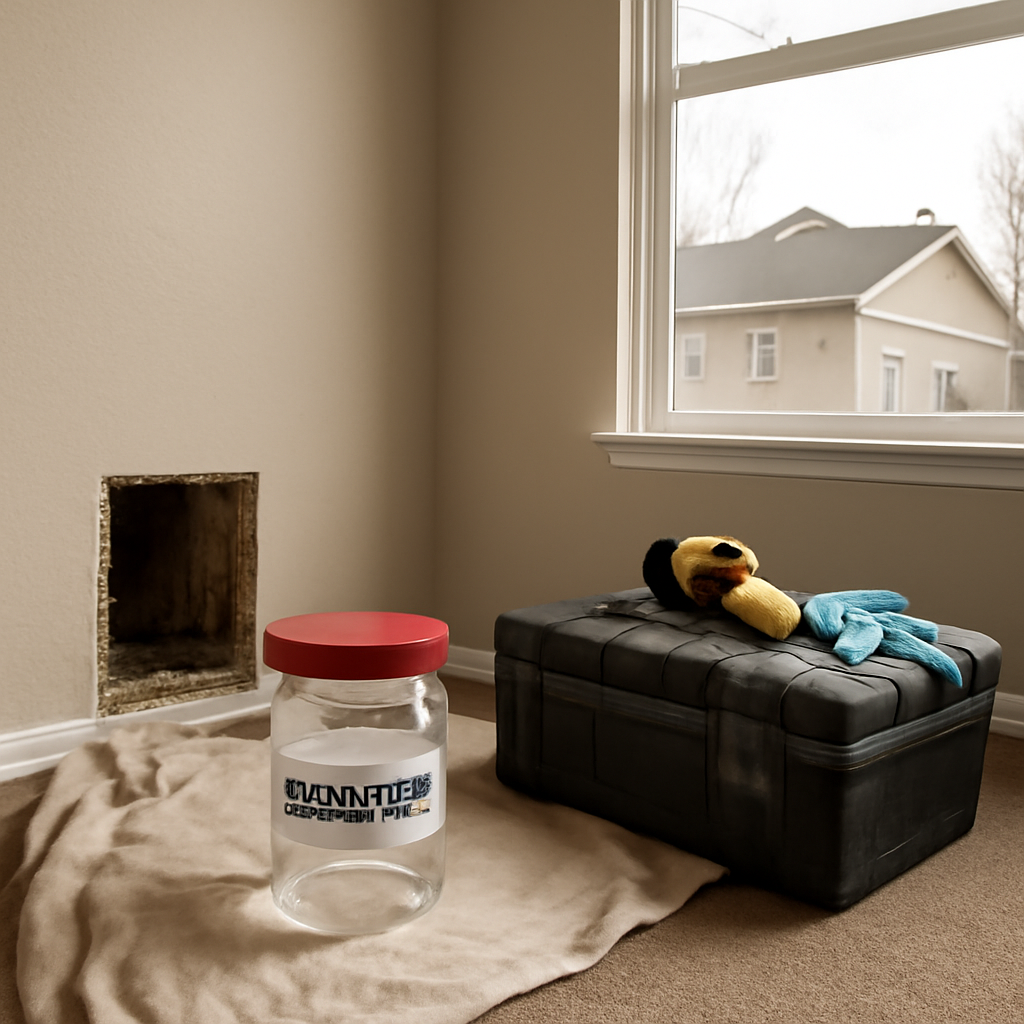
Commerce City, in Adams County north of Denver, carries a distinct asbestos context. Its older pre-1978 housing in original Commerce City and Derby is exactly the era when asbestos-containing building materials were common, and the city’s industrial legacy, oil refineries, rail yards, and the Rocky Mountain Arsenal history, gives the area a long association with environmental and industrial hazards. Newer Reunion and Buffalo Run homes north of E-470 carry far less risk. Asbestos testing commerce city homeowners arrange before disturbing suspect materials is the only way to know whether fibers are present, because asbestos cannot be identified by sight. This page explains where it hides, why the older stock raises the question, and what lab testing costs. This summary reflects EPA and CDC guidance current as of 2026; consult a certified professional before disturbing any suspect material.
Part of our Asbestos in the Home guide — start there for the full picture →
Is this mold, asbestos, or water damage? Get a free instant screen
Upload a clear photo of the suspect area. You'll get an instant AI screening opinion and what to do next. This is screening guidance, not a professional determination.
Screening guidance only. AI can be wrong. Confirm asbestos, mold type, or lead with lab testing or a licensed professional before acting.
Asbestos testing in Commerce City: what to know
Asbestos testing identifies whether a building material contains asbestos fibers by collecting a small sample and analyzing it under a microscope at an accredited lab. The hazard is not the material sitting intact; it is the microscopic fibers released when asbestos-containing material is cut, sanded, drilled, or demolished. Intact, undisturbed material is generally low risk. The danger arrives with a renovation.
You cannot tell whether a material contains asbestos by looking at it, which is the central reason testing exists. A popcorn ceiling, a vinyl floor tile, or pipe insulation can look identical whether or not it contains asbestos. For the broader context of where asbestos and lead appear in older housing and why the pre-1978 era matters, our guide to asbestos and lead in your home lays out the full picture.
The practical rule is to test before you disturb. If a material is intact and you are not renovating, the safest course is often to leave it alone. But the moment a project involves cutting into walls, ceilings, or flooring in an older Derby home, sampling first is what keeps a routine remodel from becoming a fiber-release event.
Why Commerce City homes need asbestos testing
The older housing stock is the main local driver. Original Commerce City and Derby contain substantial pre-1978 homes built when asbestos was routine in flooring, ceilings, insulation, and siding. A buyer or owner renovating one of these homes has a genuine reason to test before disturbing any suspect material, because the era predates the phase-out of most asbestos products.
The industrial context adds a layer specific to the area. Commerce City’s history of refineries, rail yards, and the Rocky Mountain Arsenal means older commercial, agricultural, and accessory structures in the area can carry industrial-grade asbestos materials beyond the typical residential list. While the Arsenal land is now a wildlife refuge and residential exposure comes from a home’s own materials rather than the surrounding industry, the environmental backdrop makes local owners appropriately attentive to legacy hazards.
The newer side of the city tells the opposite story. The 2000s-to-2020s Reunion, Buffalo Run, and Belle Creek subdivisions north of E-470 were built after asbestos products had largely left the residential market, so they carry minimal asbestos risk. For these homes, testing is usually narrow and project-specific rather than a whole-home concern. The trigger across Commerce City is almost always a renovation in an older home or a discovery during one.
What Commerce City asbestos testing covers
A testing visit focuses on suspect materials a project will disturb. A trained sampler collects small pieces using methods that minimize fiber release and submits them to an accredited laboratory.
Common materials sampled
The usual suspects in any home old enough to contain asbestos include popcorn and textured ceilings, vinyl floor tiles and the mastic beneath them, pipe and duct insulation, cement siding and shingles, and some wall and ceiling joint compounds. In an older Derby home, each is worth sampling before disturbance; in a newer Reunion home, most were already asbestos-free by construction.
Lab analysis
The accredited lab examines each sample under polarized light microscopy to determine whether asbestos is present and at what percentage. The report tells you which materials are safe to disturb and which require a licensed abatement contractor. Pairing asbestos sampling with a check for lead-based paint is efficient in an older home, since both hazards share the pre-1978 era; our page on lead testing in Commerce City covers that side.
Friable versus non-friable materials
How a material behaves matters as much as whether it contains asbestos. Friable materials, those that crumble under hand pressure, like deteriorating pipe insulation or old acoustic ceiling texture, release fibers easily and carry the higher risk. Non-friable materials, such as intact vinyl floor tile or cement siding, bind their fibers in a matrix and release them mainly when cut or broken. A positive result for friable material in an older Derby home is a stronger signal to stop and call a certified contractor than the same finding in an intact, bound material a project will not disturb.
What happens if a Commerce City sample comes back positive
A positive result is not a crisis, but it changes the plan. The first question is whether the project will actually disturb the material. If a confirmed asbestos popcorn ceiling or vinyl floor is staying in place and the renovation will not touch it, the safest and often cheapest course is to leave it alone or encapsulate it, since intact, undisturbed asbestos poses limited risk.
When the material must come out, the work shifts to a state-certified abatement contractor who follows containment, wetting, and disposal procedures designed to keep fibers out of the air and the rest of the home. For regulated quantities this is not a do-it-yourself job; the certified process exists because improper removal can spread fibers through a house and create a far larger and costlier contamination problem than the original material posed. In Commerce City’s older Derby neighborhoods, where a single home may contain several suspect materials, planning the abatement around the renovation sequence keeps the project orderly.
For the homeowner, the practical path is to get the lab result, decide with the contractor whether each material can stay or must go, and budget for certified abatement only where disturbance is unavoidable. Many older-home renovations involve one or two confirmed materials that a certified crew removes cleanly in a day, a manageable line item when planned in advance rather than discovered mid-demolition.
Documentation closes the loop. A certified abatement comes with paperwork confirming proper removal and disposal, and that record belongs in the home’s file. If the property later sells, the documentation answers a buyer’s questions and satisfies the disclosure obligation, turning a former hazard into a resolved, recorded item, which carries weight given the area’s broader environmental history.
Asbestos testing cost in Commerce City
Asbestos testing in the Commerce City market generally runs about $250 to $600 for a typical residential sampling visit, depending on the number of materials sampled and lab turnaround. Individual sample lab fees often fall in the $30 to $75 range each, so a project disturbing several material types in an older Derby home costs more than one targeted sample of a single suspect ceiling.
An older home undergoing a gut renovation may warrant a broader pre-demolition survey, which costs more but prevents a far costlier fiber-release cleanup. A newer Reunion or Buffalo Run home usually needs only limited targeted sampling of a specific feature, if any.
Set the cost against the stakes. A few hundred dollars in sampling is trivial next to the expense and health risk of disturbing asbestos unknowingly during a remodel, which can contaminate a home and require professional decontamination. Testing first is the inexpensive insurance that keeps a renovation routine, especially in Commerce City’s older neighborhoods.
The math is clearest for a contractor-led project. Many remodelers will not begin demolition on an older Derby home’s ceilings, floors, or insulation until suspect materials have been tested, both to protect their crews and to avoid the liability of disturbing asbestos. Budgeting for a small pre-demolition sampling round up front keeps the project on schedule rather than forcing a costly stop-work pause when a crew uncovers an unexpected layer of asbestos tile or old pipe wrap mid-job.
Colorado regulations and disclosure
Colorado regulates asbestos through CDPHE, and abatement of regulated quantities must be performed by state-certified contractors following specific work practices. For homeowners, the practical takeaway is that any material confirmed to contain asbestos and slated for disturbance above small thresholds triggers regulated handling rather than a do-it-yourself removal.
Colorado’s Seller’s Property Disclosure asks sellers to report known asbestos. A documented test, whether it confirms or rules out asbestos, becomes part of that record and protects both sides of a transaction. A buyer renovating an older Commerce City home should test suspect materials before demolition, both to comply with handling rules and to avoid releasing fibers into a home they are about to live in.
Neighborhoods and areas served
Testing requests in Commerce City concentrate in the older neighborhoods and renovation projects: pre-1978 homes in original Commerce City and Derby, remodels touching ceilings or flooring of uncertain age, and older accessory structures. The newer Reunion, Buffalo Run, and Belle Creek homes generally carry minimal risk, so testing there is usually narrow and project-specific.
Because Commerce City sits in Adams County, the same pre-1978 housing patterns extend across the area. Our hub page on asbestos testing in Adams County covers the county-level picture, and service typically extends to adjacent Thornton, Brighton, Northglenn, and Denver. Owners comparing a nearby option can also reference asbestos testing in Thornton. The renovation trigger and the home’s age, not the neighborhood alone, usually prompt testing.
How to choose a Commerce City asbestos testing provider
Ask whether the provider uses an accredited laboratory and follows safe sampling methods that minimize fiber release. A good sampler targets only the materials your project will disturb, explains which results require certified abatement, and does not push a whole-home survey on a newer home that likely contains no asbestos at all.
Confirm the provider is independent of the abatement work, or at least transparent about any relationship, so the testing recommendation is honest rather than a setup for a removal sale. For an older Derby home, a sampler who can also evaluate lead-based paint in the same visit saves a second trip, since both hazards share the pre-1978 era.
For a homeowner planning a renovation, the sequence is simple: identify the materials the project will disturb, sample the ones old enough to be suspect, and wait for the lab result before any cutting or demolition. That order, test first and disturb second, is what keeps a Commerce City remodel from turning into a fiber-release problem, especially in the older neighborhoods where suspect materials are common.
References
- Asbestos in the home and renovation guidance — U.S. Environmental Protection Agency
- Asbestos exposure and health — Centers for Disease Control and Prevention
- Colorado asbestos regulations and certification — Colorado Department of Public Health and Environment
Frequently asked questions
Do older Commerce City homes need asbestos testing?
Often, yes. Original Commerce City and Derby contain substantial pre-1978 housing built when asbestos was routine in flooring, ceilings, and insulation. Test suspect materials before any renovation in these older homes.
Does Commerce City's industrial history affect asbestos risk?
Residential exposure comes from a home's own materials, not the surrounding industry. But the city's refinery and rail history means older commercial and accessory structures can carry industrial-grade asbestos materials worth testing before disturbance.
Can I tell if a material contains asbestos by looking?
No. A popcorn ceiling, vinyl tile, or pipe insulation looks identical whether or not it contains asbestos. The only way to know is to collect a sample and have an accredited lab analyze it under a microscope.
How much does asbestos testing cost in Commerce City?
A typical residential sampling visit runs about $250 to $600 depending on the number of materials and lab turnaround. Individual sample lab fees often fall in the $30 to $75 range each.
Who can remove asbestos in Colorado?
Abatement of regulated quantities must be done by state-certified contractors following CDPHE work practices. Confirmed asbestos slated for disturbance above small thresholds is not a do-it-yourself job.
If you are renovating an older Derby or Commerce City home, test suspect ceilings, floors, or insulation before you disturb them. To connect with a vetted local provider who uses an accredited lab and samples only what your project requires, get in touch through our contact page.