Mold Testing in Commerce City, Colorado | InspectandTest
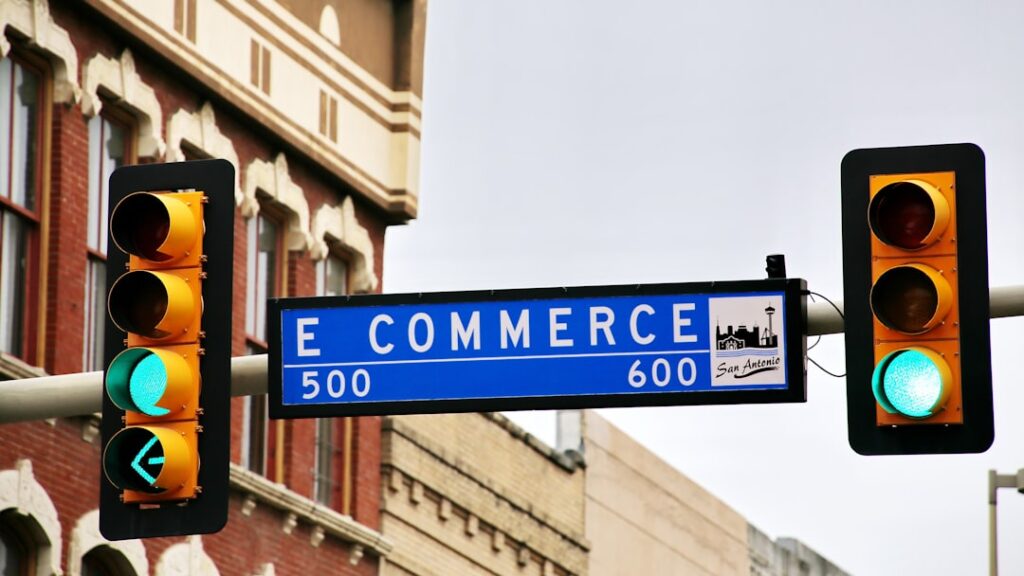
Commerce City, in Adams County north of Denver, splits between older pre-1978 housing in original Commerce City and Derby and fast 2000s-to-2020s growth in the Reunion and Buffalo Run subdivisions north of E-470. When a musty smell appears but no obvious source does, owners in either type of home turn to sampling. Mold testing commerce city residents arrange is the lab step that confirms whether spore levels are elevated, identifies what is present, and verifies a cleanup worked. It is not a substitute for finding the moisture, but it answers questions a visual look cannot. This page explains what testing proves, when it earns its cost, and what it runs locally. This summary reflects EPA and CDC guidance current as of 2026; consult a certified professional for decisions about your home.
Part of our Mold Testing & Inspection guide — start there for the full picture →
Is this mold, asbestos, or water damage? Get a free instant screen
Upload a clear photo of the suspect area. You'll get an instant AI screening opinion and what to do next. This is screening guidance, not a professional determination.
Screening guidance only. AI can be wrong. Confirm asbestos, mold type, or lead with lab testing or a licensed professional before acting.
Mold testing in Commerce City: what to know
Mold testing collects samples, usually air or surface, and sends them to a lab that identifies mold types and estimates concentrations. Air sampling measures spores floating indoors against an outdoor baseline. Surface sampling, by swab or tape lift, confirms whether a stain is actually mold and what kind. The result is a lab report, not a verdict on whether you have a problem; interpreting it takes context about the moisture and the home.
Testing works best paired with a visual assessment. Sampling tells you what spores are present and roughly how many; it does not tell you where the water is coming from. For the broader picture of how mold grows and how inspection and testing fit together, our mold inspection and testing hub lays out the fundamentals so the lab numbers make sense in context.
The EPA is explicit that sampling is not always necessary. If you can see mold, you generally do not need a test to confirm it, you need to clean it up and fix the moisture. Testing earns its place in narrower situations: symptoms with no visible source, a dispute over whether a remediation succeeded, or a buyer who wants documented air quality before closing.
A single air sample is also a snapshot. Spore counts shift with the season, the weather, and whether an evaporative cooler is running, so one reading is a moment in time. That is why interpretation matters more than the raw number, and why a same-day outdoor control sample is standard practice.
Why Commerce City homes need mold testing
The split housing stock shapes when testing helps. In older Derby and original Commerce City homes, decades of aging plumbing and basement moisture can feed hidden growth behind plaster and finishes, the kind of concealed problem air sampling helps surface when a musty smell has no visible cause. In the tight 2000s-to-2020s Reunion and Buffalo Run homes, sealed construction traps spores, so a slow moisture source can raise indoor counts without obvious growth.
Climate supplies the moisture. Front Range freeze-thaw drives snowmelt against foundations, and a crack can let water into a basement each spring in homes old and new. Evaporative coolers, common across Commerce City, add humidity to indoor air by design and can push a sealed home past the comfortable range in a dry summer. Both create the damp, low-airflow conditions where spores accumulate and testing becomes useful.
Occupancy concentrates the question. A basement bedroom or office is where families spend hours and where humidity collects, so an occupant who reports headaches or congestion in that room, with nothing visible on the walls, is a textbook case for air sampling. The test can confirm whether indoor spore levels exceed the outdoor baseline and point toward a hidden source behind a wall or under flooring.
What Commerce City mold testing covers
A testing visit pairs sampling with enough inspection to make the numbers meaningful. The technician notes visible growth, moisture readings, and humidity, then collects samples under controlled conditions.
Air sampling
Air samples are drawn indoors and outdoors the same day, so the lab can compare indoor spore counts against the natural outdoor background. A basement reading well above the outdoor control suggests an indoor source. Samples are usually taken with the home closed up, so a breezy Colorado afternoon does not skew the comparison.
Surface and post-remediation sampling
Surface swabs or tape lifts confirm whether a specific stain is mold and identify the genus. After a cleanup, clearance sampling checks that spore levels have returned to normal, the documented proof a buyer or a remediation contract often requires. If testing confirms an active source, our guide to mold inspection in Commerce City covers tracing the moisture that feeds it.
Reading a mold test report for a Commerce City home
A lab report can look intimidating, but its logic is straightforward. It lists the mold genera found, such as Cladosporium, Penicillium, or Aspergillus, with an estimated spore count for each, set beside the outdoor control sample taken the same day. The comparison is the point: a genus present at high levels indoors but low or absent outside suggests an indoor source, while genera that track the outdoor numbers usually reflect the normal background that enters any home through doors and windows.
The outdoor control is what makes a Commerce City result interpretable. On a windy spring day the outdoor count can be high, and an indoor reading that looks alarming in isolation may simply mirror that elevated background. On a calm winter day both numbers fall. Without the same-day outdoor sample, an indoor number is just a figure with no baseline, which is why a credible technician always pairs the two.
Context from the home matters as much as the figures. A high indoor count in a Derby basement with visible water staining and a known plumbing history tells a clear story, while the same number in a newer Reunion home with no moisture history may point to a transient cause worth re-checking. A good report does not stop at the numbers; it ties them to what the technician observed and recommends a concrete next step, whether that is investigating a wall cavity or simply correcting a humidity source and moving on.
What a report cannot do is assign a health verdict. There is no federal threshold that says a given spore count makes a home unsafe, and reputable technicians avoid implying one. The report tells you whether indoor levels look elevated relative to outdoors and what genera are present; deciding what that means for a specific household, especially one with allergy or asthma concerns, is a conversation for a physician alongside the moisture fix.
Mold testing cost in Commerce City
Mold testing in the Commerce City market generally runs about $300 to $600 depending on how many samples are taken and lab fees. A basic package of one indoor air sample plus an outdoor control sits at the lower end; adding multiple room samples or surface swabs raises it. Standalone post-remediation clearance testing usually falls in a similar range.
When testing is bundled with a visual mold inspection, the combined cost is often more economical, because the technician is already on site. Older homes with multiple suspected areas, or larger newer homes, need more samples and naturally cost more.
The value of testing depends entirely on whether it answers a real question. Paying $400 to confirm a visible basement patch is mold is usually wasted money, because the EPA’s guidance is to clean it and fix the moisture regardless. Paying $400 to find out why a family member feels unwell in a basement office with no visible source, or to prove a remediation worked before closing, is money well spent.
Be cautious of free or very cheap testing offered by companies that also sell remediation. The incentive to find a problem is built into that model, and a sample read loosely can turn a normal Commerce City home into an expensive cleanup. An independent technician who charges a fair fee for the testing alone, and has no stake in the result, gives a homeowner a number they can actually trust, which matters most in older Derby homes where buyers and owners are already primed to fear hidden moisture.
Colorado regulations and disclosure
Colorado does not license mold testers or set a legal action threshold for indoor spore counts, so lab interpretation rests on industry norms and the outdoor comparison rather than a state standard. For testing tied to a sale, choose a provider who follows recognized sampling protocols and uses an accredited laboratory, and confirm both before the visit.
Colorado’s Seller’s Property Disclosure asks sellers to report known mold and moisture history. A documented test, clean or elevated, becomes part of that record. A buyer who commissions independent testing during the contingency has documented grounds to negotiate if results come back high, while a seller with a clean clearance report can use it to reassure, which matters in older Derby homes where buyers may be wary of hidden moisture.
Neighborhoods and areas served
Testing requests come from across Commerce City: older Derby and original Commerce City homes where hidden growth is suspected behind aging finishes, and tight newer Reunion, Buffalo Run, and Belle Creek homes where sealed construction traps spores. The technician reads each home against its era when interpreting the results.
Because Commerce City sits in Adams County, the same regional moisture dynamics extend across the area. Our hub page on mold testing in Adams County covers the county-level picture, and service typically extends to adjacent Thornton, Brighton, Northglenn, and Denver. Owners comparing a nearby option can also reference mold testing in Thornton, a neighboring city with a comparable housing mix.
How to choose a Commerce City mold testing provider
Ask whether the provider pairs sampling with a moisture assessment and uses an accredited lab. A good technician takes an outdoor control sample, explains what the report can and cannot prove, and tells you honestly when testing is unnecessary. Bundling testing with a broader home inspection in Commerce City gives buyers one coordinated picture of the home.
Confirm the provider does not have a financial stake in finding a problem, since a tester who also sells remediation has an incentive to recommend it. The straightest providers explain that visible mold rarely needs testing and reserve sampling for genuine uncertainty or clearance verification. That honesty is the mark of a tester worth hiring.
For a homeowner outside a transaction, testing makes sense mainly when symptoms point to a hidden source or after a cleanup to confirm success. In an older Derby home with a musty basement but nothing visible, starting with a moisture inspection is usually the more useful and economical first step.
References
- When mold sampling is and is not useful — U.S. Environmental Protection Agency
- Mold and your health — Centers for Disease Control and Prevention
- Colorado indoor air and environmental health — Colorado Department of Public Health and Environment
If a Commerce City basement smells musty and someone in the home feels it, sampling can confirm what a visual look cannot. To connect with a vetted local provider who uses an accredited lab and tells you straight whether testing is even needed, get in touch through our contact page.