Asbestos Brake Pads: What Homeowners Need to Know

Most homeowners think of asbestos as a building problem, hidden in attics and floor tile. But one of the most common historical sources of asbestos exposure sat in the family garage: the brakes. Asbestos brake pads and brake linings were standard automotive equipment for most of the twentieth century, valued because asbestos withstands the intense heat that braking generates. The hazard surfaces during brake work, when grinding, blowing out dust, and machining release fibers that mechanics and weekend DIYers can inhale. This guide summarizes EPA, CDC, and OSHA guidance current as of 2026 and is informational only; a certified asbestos professional should make handling decisions, and a physician should address any health questions. The sections below explain why asbestos was used in brakes, where it still turns up, the risks, and how to work safely.
Part of our Asbestos in the Home guide — start there for the full picture →
Is this mold, asbestos, or water damage? Get a free instant screen
Upload a clear photo of the suspect area. You'll get an instant AI screening opinion and what to do next. This is screening guidance, not a professional determination.
Screening guidance only. AI can be wrong. Confirm asbestos, mold type, or lead with lab testing or a licensed professional before acting.
Why Brakes Used Asbestos
Braking converts a vehicle’s motion into heat, and a lot of it. The friction material in brake pads, shoes, and clutch facings has to grip hard, wear slowly, and survive temperatures that would destroy ordinary materials. Asbestos answered all three demands. It resists heat and flame, holds up under friction, and bound well into the resin matrix of a friction component, so manufacturers built it into brake linings for decades.
The same fire-resistant property that made asbestos useful in building insulation made it ideal for brakes. Because asbestos does not burn and conducts heat poorly, it kept friction components stable as they heated and cooled through repeated stops. That durability is why asbestos friction materials dominated the market well into the late twentieth century before manufacturers shifted toward non-asbestos organic, semi-metallic, and ceramic formulations.
This is a useful reminder that asbestos was prized precisely for what it would not do, burn or melt, a property explored in our guide to whether asbestos is flammable. The mineral’s stubborn endurance under heat is exactly what made it both useful in brakes and dangerous to the lungs.
Where Asbestos Brake Pads Still Turn Up
While most modern brake components sold in the United States are asbestos-free, asbestos has not entirely vanished from the automotive aftermarket. Older vehicles, classic cars, and machinery may still carry original asbestos-containing friction material. Some imported and aftermarket replacement parts have also been found to contain asbestos, since a comprehensive ban on the material in friction products has been a long and contested regulatory road.
The practical encounters for a homeowner are a few. Restoring a vintage vehicle often means handling original asbestos brake shoes or clutch parts. Servicing an old tractor, motorcycle, or piece of equipment can mean the same. And buying cheap or imported replacement pads of uncertain origin carries a small but real chance of asbestos content, since packaging may not always disclose it accurately. Anyone doing brake work on older or imported equipment cannot assume the parts are asbestos-free.
The dust itself compounds the concern. Worn brake components shed dust that collects inside the wheel and drum assemblies. When that dust is from asbestos-containing parts, it is asbestos-laden, and the long-standing mechanic’s habit of blowing it out with compressed air is one of the most exposure-heavy actions in all of brake work.
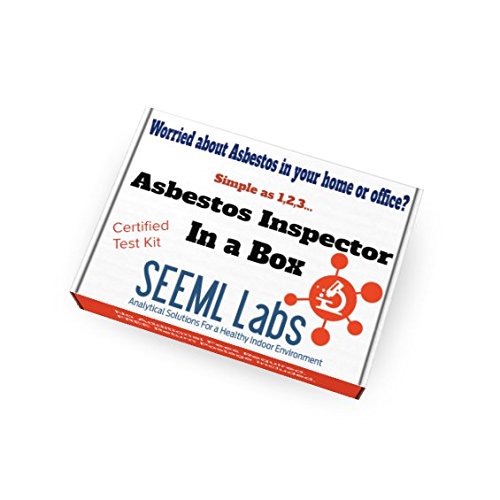
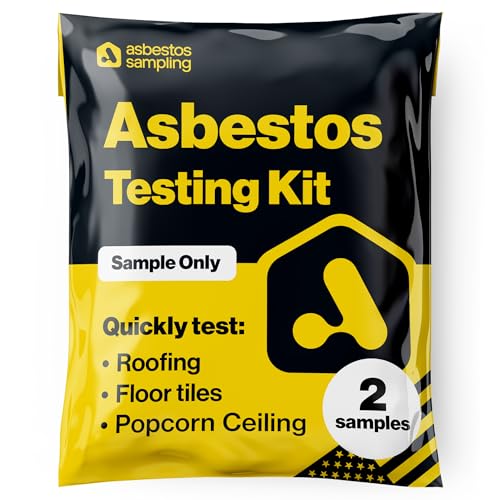
Best Asbestos Test Kit: our top 3 picks
| Product | Best for | Key features | Price | Buy |
|---|---|---|---|---|
| Seeml Labs Asbestos Inspector in a Box | Verifiable lab accreditation |
| $22.00as of Oct 29, 2026 2:03 am GMT+0000 | Buy now →Check current price |
| SLGi 1-Pack (5 Day) | Single sample with return postage |
| $35.00as of Oct 29, 2026 12:40 am GMT+0000 | Buy now →Check current price |
| Asbestos-Sampling.com 2-Sample | Type and percentage in the result |
| $59.95as of Oct 29, 2026 12:40 am GMT+0000 | Buy now →Check current price |

Prices are Amazon’s listed prices as of the time shown and change often; check Amazon for today’s price. As an Amazon Associate we earn from qualifying purchases.
The Health Risks of Brake Dust
The hazard from asbestos brake pads is inhaling fibers released during service, not from the intact pad pressing against a rotor. When brakes are machined, ground, sanded, or cleaned with compressed air, asbestos fibers become airborne in the breathing zone of whoever is doing the work. Those fibers can lodge in the lungs and persist for decades, driving the inflammation and scarring that lead to asbestosis, lung cancer, and mesothelioma, a rare cancer of the lining around the lungs and abdomen.
Federal health agencies classify asbestos as a known human carcinogen, and occupational studies have specifically examined brake mechanics as a group with potential exposure. The most dangerous practices are dry methods: blowing brake dust out with an air hose, sweeping it up dry, or grinding pads without dust controls. Each of these turns settled dust into an inhalable cloud.
As with all asbestos disease, the effects appear years to decades after exposure, so a mechanic or hobbyist who feels fine after a brake job has no immediate signal of risk. Anyone with significant past exposure to asbestos brake dust should mention it to a physician, who can advise on monitoring. This guide does not diagnose or treat any condition.
How to Work on Brakes Safely
The core safety principle is to never create or breathe asbestos dust. Federal worker-safety guidance lays out approved methods for brake and clutch servicing that apply equally to a careful homeowner. The two recommended approaches are a low-pressure wet cleaning method and an enclosed negative-pressure HEPA vacuum system. Both keep the dust either soaked or captured rather than airborne.
For a home mechanic, the wet method is the practical option. Instead of blowing dust out, the brake assembly is wetted down with a low-pressure spray or specialized cleaner so the dust is captured in liquid and wiped into a sealed container rather than lofted into the air. Never use compressed air to clean brakes, never sweep or vacuum the dust with an ordinary shop vacuum, and never dry-grind suspect pads. Wear a properly fitted respirator rated for asbestos, not a simple paper dust mask, along with disposable coveralls and gloves.
Dispose of the captured dust, used rags, and old parts as asbestos waste rather than ordinary trash where required, following the same general principles described in our overview of removing asbestos. When in doubt about whether parts contain asbestos, treat them as if they do, since that conservative assumption costs little and the alternative can be a serious exposure.
When to Test and Get Help
Testing brake parts is less common than testing building materials, but the principle is the same: if you cannot confirm a part is asbestos-free and it is old or of uncertain origin, treat it as suspect. For a classic-car restoration or work on vintage equipment, assume original friction material may contain asbestos and use the wet method and respiratory protection accordingly. For everyday repairs on a modern vehicle with documented asbestos-free parts, the risk is minimal.
The simplest way many homeowners avoid the hazard entirely is to have a professional shop handle brake service on older or questionable vehicles, since reputable shops follow the approved wet or vacuum methods. For the broader context of how asbestos appears across older homes and the items in them, the pre-1978 housing hazard guide sets brake materials alongside the building products more commonly associated with the mineral. The consistent guidance from EPA, CDC, and OSHA is to avoid dry methods, keep brake dust wet or contained, and protect the lungs whenever asbestos content is possible.
Beyond Brakes: Clutches and Other Friction Parts
Brake pads draw the most attention, but they are not the only automotive friction component that historically contained asbestos. Clutch facings faced the same demands, gripping and slipping under heat while transmitting engine power, and asbestos served the same role there that it did in brakes. Anyone working on the clutch of an older vehicle, classic car, or piece of vintage equipment faces a comparable exposure risk when grinding, machining, or blowing out dust from the assembly.
Other heat-exposed parts in older vehicles occasionally used asbestos as well, including some gaskets, heat shields, and engine insulation. Drum brakes, common on older cars and still used on many rear axles, are particularly relevant because the closed drum traps a reservoir of friction dust that pours out when the drum is pulled. That settled dust, if it came from asbestos-containing shoes, is exactly the material that becomes dangerous when disturbed, and the enclosed design means it accumulates rather than dispersing during normal driving.
The practical lesson is to treat the whole brake-and-clutch system of an older vehicle as a potential asbestos source rather than focusing narrowly on the pads. A restoration that involves the clutch, the drums, the gaskets, or any heat-shielding component warrants the same wet methods and respiratory protection as the brake work itself. Where the parts cannot be confirmed asbestos-free, the conservative assumption costs little and avoids a needless exposure across any of these components.
Approved Cleaning Methods in Detail
Federal worker-safety guidance describes two engineering controls for brake and clutch work, and understanding how each functions helps a careful homeowner apply the wet method correctly. The low-pressure wet cleaning method uses a spray bottle or a dedicated wash unit to soak the brake assembly with water, sometimes with a small amount of detergent, before any disassembly. The liquid binds the dust into a slurry that drips into a collection basin rather than becoming airborne, and the wetted surfaces are then wiped with disposable cloths. The key is low pressure: a forceful spray would itself loft dust before the liquid could capture it.
The enclosed negative-pressure HEPA system, more common in professional shops, surrounds the brake assembly with a sealed enclosure fitted with a HEPA-filtered vacuum that draws air inward. The technician works through built-in glove ports, so dust released during cleaning is captured by the vacuum and trapped in the HEPA filter rather than escaping. This method handles higher volumes of work but requires equipment most homeowners do not own, which is why the wet method is the realistic home option.
Whichever method is used, the discipline around it matters as much as the method itself. Compressed air is never appropriate, dry brushing and dry sweeping are out, and an ordinary shop vacuum without a HEPA filter will pass fine fibers straight through and exhaust them into the air. The captured slurry, used cloths, filters, and any removed parts should be handled as asbestos waste where required. A homeowner who cannot commit to the full wet procedure and proper protective gear is better served handing the job to a shop equipped to do it correctly.
Choosing Asbestos-Free Replacement Parts
The simplest way to avoid the brake-dust hazard going forward is to ensure replacement parts are asbestos-free, which is the standard for most components sold by reputable suppliers in the United States today. Modern friction materials fall into a few families: non-asbestos organic formulations, semi-metallic pads that blend metal fibers into the friction compound, and ceramic pads prized for low dust and quiet operation. None relies on asbestos, and choosing any of them for a routine repair sidesteps the exposure question entirely.
The caution applies mainly to parts of uncertain origin. Some inexpensive imported or aftermarket friction products have been found to contain asbestos, and packaging does not always disclose it accurately, so buying from established brands and reputable parts sellers reduces the risk. For a common modern vehicle, asbestos-free replacement parts are easy to source and the historical hazard is largely a thing of the past, present only in the legacy dust trapped inside old assemblies.
Classic-car and vintage-equipment work is where the choice gets deliberate. A restorer may want to replace original asbestos friction material with a modern asbestos-free equivalent both for safety and to avoid handling the old material in future service. Where original parts are retained or encountered, treating them as asbestos-containing and using the wet method and respiratory protection is the conservative course. Pairing asbestos-free replacements with safe handling of any legacy dust addresses both the present repair and the parts that came before it.
The takeaway for brake and clutch work mirrors the broader lesson about asbestos: the intact part is not the hazard, the dust created during service is. For routine repairs on modern vehicles with documented asbestos-free parts, the concern is minimal. For older vehicles, classic restorations, and parts of uncertain origin, the safe path is to assume asbestos may be present, never use compressed air or dry methods, keep the dust wet or contained, protect the lungs, and dispose of the waste properly. That conservative habit costs little and removes what was historically one of the most common sources of asbestos exposure outside the building trades.
References
- Guidance for Brake and Clutch Repair Work — U.S. Environmental Protection Agency
- Asbestos Standards and Worker Protection — Occupational Safety and Health Administration
- Asbestos Exposure and Health Effects — Centers for Disease Control and Prevention
Frequently asked questions
Do brake pads still contain asbestos?
Most modern brake components sold in the United States are asbestos-free, but some older vehicles, classic cars, vintage equipment, and certain imported or aftermarket parts may still contain asbestos. Treat parts of uncertain origin or age as suspect.
How are people exposed to asbestos from brakes?
Exposure happens during service, not from intact pads. Blowing brake dust out with compressed air, dry-sweeping it, or grinding pads releases fibers into the air. Brake dust from asbestos-containing parts is asbestos-laden and inhalable.
How do I clean brakes safely?
Use the approved wet method: spray the assembly with low-pressure liquid so dust is captured rather than lofted, then wipe into a sealed container. Never use compressed air, never dry-sweep or shop-vac the dust, and wear an asbestos-rated respirator.
Is brake dust from old cars dangerous?
It can be if the parts contain asbestos. Inhaled fibers can lodge in the lungs and, over decades, contribute to asbestosis, lung cancer, or mesothelioma. The intact pad is not the hazard; the dust created during service is.
Front Range homeowners restoring older vehicles or unsure whether legacy parts contain asbestos can connect with a qualified local professional for guidance by reaching out through our contact page.