What Does Household Mold Look Like?
What Does Household Mold Look Like?
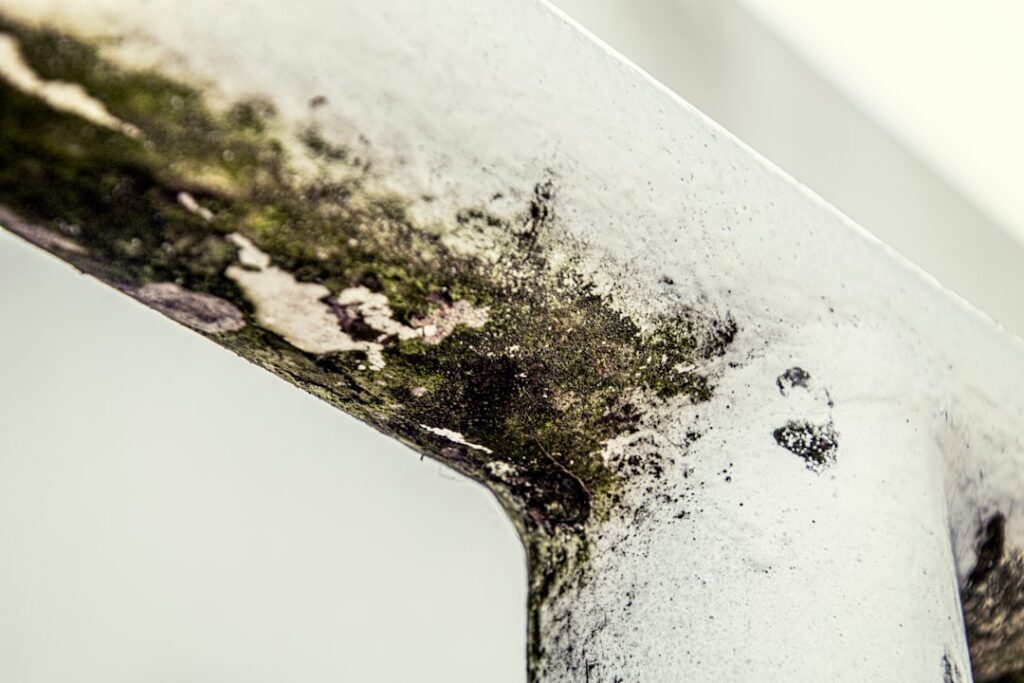
Household mold looks like discoloration that ranges from black, green, and gray to white, brown, pink, and orange, with a texture that may be fuzzy, slimy, powdery, or flat and stain-like, appearing most often in damp, low-airflow spots. Because it varies so much, people frequently confuse it with dirt, soot, or water stains, so identifying it reliably means reading color, texture, and location together. The EPA notes that visible growth should be removed and the moisture fixed regardless of how it looks, since the response is the same for all types. This article is educational and is not a remediation or medical diagnosis for your specific situation.
Part of our Types of Mold guide — start there for the full picture →
Is this mold, asbestos, or water damage? Get a free instant screen
Upload a clear photo of the suspect area. You'll get an instant AI screening opinion and what to do next. This is screening guidance, not a professional determination.
Screening guidance only. AI can be wrong. Confirm asbestos, mold type, or lead with lab testing or a licensed professional before acting.
Color: The First Clue, Not the Final Answer
Color is what most people notice first. Household mold appears in a wide palette: black or dark greenish-black, various greens, gray, white, brown, and sometimes pink, orange, or yellow. Each color can correspond to different molds, but because many species shift color as they mature and several share overlapping shades, color alone cannot identify what you are looking at.
A dark patch is not automatically dangerous black mold, and a light patch is not automatically harmless. Treat color as one input that, combined with texture and location, builds a confident identification. The practical takeaway is that any growth, whatever its color, calls for the same moisture-fix-and-remove response.
Texture: Fuzzy, Slimy, Powdery, or Flat
Texture often distinguishes mold from look-alikes more reliably than color. Many household molds appear fuzzy or cottony, with a raised, three-dimensional growth you can sometimes see standing off the surface. Others look slimy or wet, particularly darker molds on consistently damp materials. Some present as a fine powder, and still others as a flat, almost painted-on stain.
Running through the textures helps. Fuzzy and raised strongly suggests active growth. Slimy points to a wet-loving mold on a soaked surface. Powdery is common on walls and in dusty areas. A flat appearance can be mold or could be simple staining, which is where the smear test below helps.
How to Tell Mold From Dirt and Stains
The most common identification mistake is confusing mold with ordinary dirt, soot, or water staining. A few practical checks separate them. Mold often has a three-dimensional, fuzzy or raised quality, while dirt and stains lie flat. Mold is frequently accompanied by a musty odor that dirt lacks. And mold tends to appear in damp locations, whereas dirt accumulates anywhere.
A simple field test is to dab the spot with a cloth carrying a little diluted detergent. Many surface molds smear and lift, while a water stain or settled dirt behaves differently. Combined with the musty-smell check and the damp-location pattern, this usually settles the question. For the specific case of the genus people worry about most, see the cost and identification overview in our black mold removal cost guide.
Where Household Mold Typically Appears
Location is a powerful identification clue because mold grows where moisture collects. Bathrooms are prime territory: grout and caulk lines, the corners of showers and tubs, around the base of toilets, and on ceilings above poorly ventilated showers. Kitchens host it under sinks, behind dishwashers and refrigerators, and around any plumbing.
Basements and crawl spaces, with their cool surfaces and limited airflow, are classic sites, as are window frames and sills where condensation gathers, closets on exterior walls, and the area around any leak. Finding discoloration in one of these damp, low-airflow spots makes mold far more likely than the same mark in a dry, well-ventilated room.
Black and Dark Green Growth
Dark growth draws the most attention. It can appear slimy and greenish-black on consistently wet, cellulose-rich materials like soaked drywall, or as darker spots and patches from several common molds. Because the dreaded Stachybotrys and ordinary dark molds can look similar, appearance alone does not confirm which it is.
What matters more than the exact identity is the underlying water problem dark growth signals, especially when it is slimy on soaked material, which points to prolonged moisture. The visual cue should prompt you to find the water source and remove the growth, not to gamble on a species call.
Green, White, and Lighter Molds
Green molds are extremely common and appear in many shades with fuzzy or powdery textures on walls, food, fabrics, and damp surfaces. White mold can look powdery or cottony and is sometimes mistaken for efflorescence, the mineral residue on masonry; a quick check is that efflorescence dissolves in water while mold does not.
Lighter molds are no less a sign of a moisture problem than dark ones. Their presence indicates the same need to dry the area and remove the growth, and their location and texture help confirm they are mold rather than mineral deposits or dust.
Pink, Orange, and Other Colors
Less common colors appear too. Pink or orange growth shows up in bathrooms, on shower surfaces, and around drains, often slimy in texture. Some of what looks like pink mold in showers is actually a bacterium rather than a true mold, but the response is similar: clean it and reduce the moisture and film it feeds on.
These colorful growths reinforce that household mold is not limited to black and green. Any unusual discoloration in a damp area deserves the same investigation into its moisture source.
Hidden Mold You Cannot See
Not all household mold is visible. Growth often hides on the back of drywall, inside wall cavities, under carpet and flooring, behind wallpaper, and inside ductwork. When you smell a musty odor but see nothing, hidden growth is the likely explanation, and visual identification alone will not find it.
In these cases, the moisture trail and professional tools matter more than appearance. To pursue suspected hidden growth, see how to find mold in your house and begin with our mold inspection overview.
Look-Alikes That Are Not Mold
Several things resemble mold closely enough to cause confusion, and knowing them prevents both false alarms and missed growth. Efflorescence, the chalky white or grayish mineral deposit on basement masonry and brick, is frequently mistaken for white mold; it forms as water moves through the material and leaves salts behind, and unlike mold it dissolves when wet. Soot and dirt accumulation can look like dark mold but lie flat and lack a musty odor.
Water stains, often brown or yellowish tide lines, mark where water has been but are not growth themselves, though they signal the moisture that could feed it. Mineral deposits around fixtures, adhesive residue, and even some paint discoloration can all mimic mold. The reliable way to tell the difference combines texture, the presence or absence of a musty smell, location in a damp area, and simple tests like whether the substance dissolves in water or smears under a detergent-dampened cloth.
How Texture Changes as Mold Matures
Mold does not look the same throughout its life, and recognizing the stages helps with identification. Early growth often appears as small, scattered specks or a faint discoloration that is easy to dismiss. As a colony matures, it spreads into larger patches and develops its characteristic texture, whether fuzzy, slimy, or powdery. Some molds darken or change color as they age, which is part of why color alone is unreliable.
This progression means catching growth early requires noticing subtle, easily overlooked signs before they become obvious patches. A faint cluster of specks in a damp corner is worth investigating, because it may be the beginning of a colony that will become unmistakable, and harder to remove, if left alone. Training your eye to spot early-stage growth gives you a head start on the moisture problem behind it.
What to Do Once You Identify It
Once you confirm growth visually, the response is consistent regardless of color or texture: find and fix the moisture source, then remove the growth safely, handling small areas yourself with proper precautions and calling a professional for large, hidden, or structural cases. Appearance guides where to look, but moisture control is what resolves the problem for good.
How Texture Changes as Mold Matures
Mold does not look the same throughout its life, and recognizing the stages helps with identification. Early growth often appears as small, scattered specks or a faint discoloration that is easy to dismiss. As a colony matures, it spreads into larger patches and develops its characteristic texture, whether fuzzy, slimy, or powdery. Some molds darken or change color as they age, which is part of why color alone is unreliable.
This progression means catching growth early requires noticing subtle, easily overlooked signs before they become obvious patches. A faint cluster of specks in a damp corner is worth investigating, because it may be the beginning of a colony that will become unmistakable, and harder to remove, if left alone. Training your eye to spot early-stage growth gives you a head start on the moisture problem behind it.
Lighting and How It Affects What You See
How you light a surface dramatically changes your ability to spot mold. Flat, direct lighting can wash out subtle growth, while a flashlight held at a low, raking angle across a wall reveals texture and faint discoloration that would otherwise stay invisible. This technique is especially useful for early-stage growth and for surfaces where the color of the mold is close to the color of the wall.
Good lighting also helps distinguish texture, which is often more diagnostic than color. Under raking light, the three-dimensional fuzziness of active growth stands out from the flat appearance of a stain or settled dirt. When inspecting for mold, treat lighting as a tool: move a bright light around the surface and observe how the appearance shifts, rather than relying on whatever ambient light happens to be present.
What Mold Looks Like on Different Materials
The same mold can present differently depending on the surface it grows on. On smooth, non-porous surfaces like tile and sealed paint, growth tends to sit on top and appears as distinct spots or patches you can sometimes wipe to test. On porous materials like unsealed drywall, the paper backing of drywall, and fabric, growth penetrates into the material, often looking more diffuse and proving far harder to remove.
On wood, mold may appear as staining or fuzzy growth that follows the grain. On grout and caulk, it lodges in the porous lines and resists cleaning. Recognizing how appearance varies by material also tells you something important about removal: surface growth on non-porous materials can usually be cleaned, while growth that has penetrated porous material often means that material must be removed.
Photographing Growth for Identification or Records
Documenting what you see with photographs serves several purposes. Clear, well-lit images create a record of the growth’s location, extent, and appearance that is useful for tracking whether it spreads, for showing a professional inspector, or for supporting an insurance claim. Photograph from multiple angles, include something for scale, and use good lighting to capture the texture accurately.
Photographs also help when you are uncertain whether something is mold. Sharing clear images with a professional can guide a preliminary assessment before an in-person visit. While a photo cannot replace a hands-on inspection or laboratory analysis, it is a practical first step that turns a vague concern into concrete information others can evaluate alongside you.
References
- EPA: Mold and Health
- CDC: Basic Facts About Mold and Dampness
- EPA: A Brief Guide to Mold, Moisture and Your Home
Frequently asked questions
What does household mold look like?
It appears as discoloration in black, green, gray, white, brown, pink, or orange, with fuzzy, slimy, powdery, or flat textures, usually in damp, low-airflow spots.
How can I tell mold from dirt or a water stain?
Mold often has a raised, fuzzy texture, a musty odor, and appears in damp locations. A diluted-detergent dab test makes many surface molds smear and lift.
Is dark-colored mold always dangerous?
No. Color alone cannot identify a species, and several common molds look dark. The response is the same regardless: fix the moisture and remove the growth.
Can mold be present without being visible?
Yes. It often hides behind drywall, under flooring, and in ductwork. A musty smell with no visible growth suggests hidden mold that needs moisture tracing to find.
Spotted something you cannot identify? Contact our inspection team for a clear, professional evaluation.