Video Borescopes: 2026 Brand Comparison Matrix
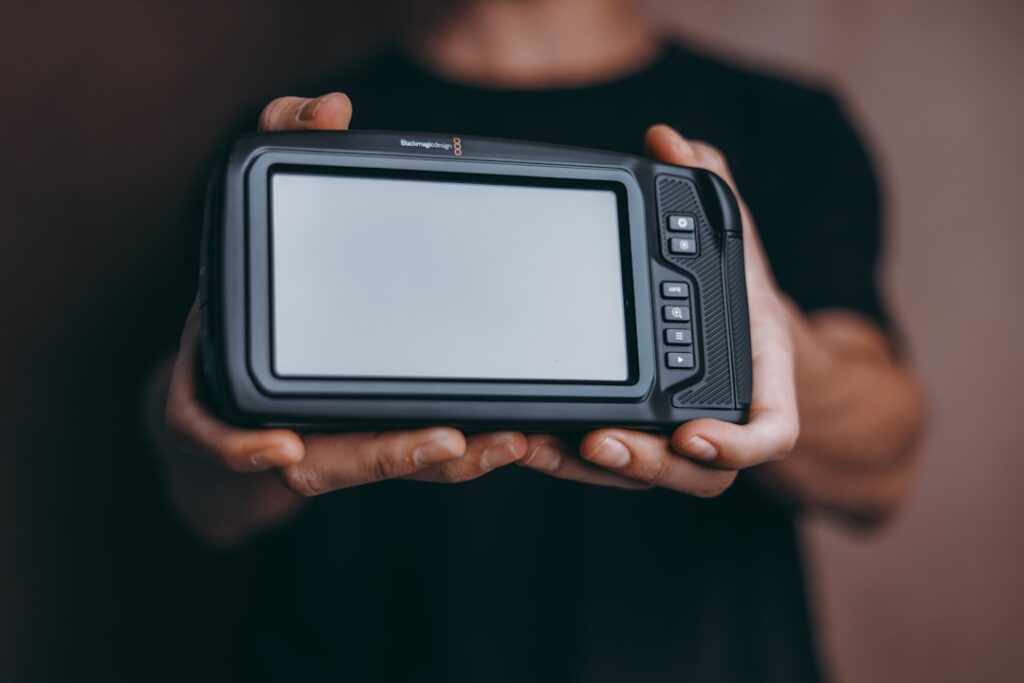
Buyers searching for video borescopes typically face a choice between four brand families that anchor the inspection-grade market: Depstech, FLIR, Klein Tools, and Milwaukee. Each occupies a different position on the price-feature curve, and the right pick depends on whether the buyer is a homeowner, a working residential inspector, an electrician, or a commercial trade. This guide builds an explicit feature/price matrix across the four brands, highlights the trade-offs that buyers most often overlook, and offers buying guidance keyed to common job profiles. Specifications below reflect current 2026 published manufacturer information.
Part of our Home Inspection Tools guide — start there for the full picture →
What Are Video Borescopes and Why Compare Brands?
A video borescope is a flexible camera probe with an integrated screen or smartphone connection that lets the user record what the camera sees. The technology core (camera resolution, LED illumination, probe length, articulation) is similar across brands. What varies most is build quality, software integration, IP rating, accessory ecosystem, and warranty terms. Two cameras with identical specs from different brands can deliver materially different field reliability over a year of professional use.
The broader category fits into the home inspection tools 2026 guide alongside thermal imagers and moisture meters. The related video borescope singular guide walks the same device family from a single-product angle.
The Four-Brand Matrix
Depstech
Depstech anchors the entry and mid market. The DS300, DS500, and DS520 series span $50 to $250 street. Probe lengths run 1 to 10 meters; resolutions reach 1920×1080; LED counts cluster at 6 to 8 around the camera head. IP67 rating is standard. Accessory kits include side mirrors, magnets, and hooks. Software is smartphone-app driven. Warranty is typically 12 months.
Best fit: homeowners, occasional DIY use, secondary tool for working inspectors. Trade-off: app dependency, lower-tier IP fail rates in heavy commercial cycles.
FLIR VS70 and VS90
FLIR’s borescope line ($800 to $1,500) targets working professionals. The VS70 carries a 3.9 mm or 5.8 mm articulating probe, integrated 7-inch screen, MSX-style edge-enhancement on the image, and direct radiometric thermal overlay when paired with a FLIR thermal-capable variant. IP54 to IP67 rating depending on probe. Warranty: 2 years.
Best fit: HVAC techs, working home inspectors who want a single deliverable that integrates with FLIR’s Ignite cloud, commercial trades. Trade-off: price premium, larger form factor.
Klein Tools ET450 and ET500
Klein’s borescope line ($150 to $400) targets electricians and trade pros. The ET450 ships with a 1-meter semi-rigid probe, 5 MP camera, 4.3-inch display, dual-camera (front and side) head. The ET500 adds longer probe and articulation. IP67. Warranty: 2 years.
Best fit: electricians doing panel and conduit work, residential trades, working inspectors with electrical focus. Trade-off: smaller display than FLIR or Milwaukee competition.
Milwaukee 2310-21 and M-Spector
Milwaukee’s 2310-21 and M-Spector lineups ($300 to $800) target trade pros within the M12 battery ecosystem. Probes run 3 to 10 feet; resolution 1080p; display 5 inches. IP67. Warranty: 5 years (Milwaukee tool warranty applies).
Best fit: trades already invested in M12 batteries, working inspectors who value warranty length, plumbers and HVAC techs needing rugged build. Trade-off: M12 ecosystem lock-in, app feature parity behind FLIR Ignite.
Feature/Price Matrix
At entry ($50 to $250), Depstech dominates by margin and feature density. At mid-pro ($300 to $500), Klein and Milwaukee compete on build quality and ecosystem; Milwaukee’s 5-year warranty often tips the decision for working tradespeople. At pro ($800 to $1,500), the FLIR VS70 stands alone with thermal-integration features no competitor matches.
Image quality at native 1080p is similar across all four brands at their respective price tiers. Articulation precision favors Klein and FLIR. Battery life favors Milwaukee inside the M12 ecosystem. Software flexibility favors Depstech (broad phone app support) and FLIR (Ignite cloud).
Which Brand for Which Job?
Home Inspector (Residential)
A working residential inspector with a Depstech or Klein mid-tier unit covers wall cavities, HVAC ducts, and behind-cabinet inspections. Depstech DS520 at $200 to $250 is the value pick. Klein ET450 at $250 to $300 adds dual-camera and electrician utility. FLIR VS70 is overkill for residential-only work unless the inspector already operates a FLIR thermal camera and wants ecosystem integration.
HVAC Technician
HVAC techs benefit from articulating probes that navigate elbows off registers. FLIR VS70 articulates well and integrates with thermal scans. Milwaukee M-Spector with the articulating head also works. Depstech entry units lack the articulation precision for complex duct work.
Electrician
Electricians inspect conduit, panel interiors, and behind switchplates. Klein ET450 with dual-camera (front and side) was designed for exactly this workflow. Milwaukee competes within the M12 ecosystem. Depstech and FLIR are not the electrician’s first pick.
Homeowner / DIY
Homeowners doing occasional inspection (looking behind appliances, checking a drain, surveying a crawlspace edge) are served by Depstech DS300 at $50 to $80. The investment scales with use frequency.
What Specs Actually Differentiate
Three specs cause most field complaints when underbought: IP rating, articulation precision, and probe diameter. IP67 is the working minimum for any borescope likely to encounter water in pipe interiors. Articulation under 120 degrees feels insufficient inside HVAC duct elbows. Probes thicker than 8 mm restrict access through standard inspection holes and pipe interiors.
Resolution above 1080p adds cost without proportional inspection value at typical working distances. LED brightness adjustability matters more than LED count for working pros, because over-illumination on close surfaces washes out detail.
Accessory Ecosystems
All four brands ship standard accessory kits (mirror, magnet, hook attachments at the probe tip). Depstech offers the widest aftermarket accessory selection; Klein and Milwaukee accessories integrate with broader trade ecosystems. FLIR’s accessory cost runs higher per item but matches the professional polish of the rest of the brand.
Warranty and Service Reality
Depstech’s 12-month warranty is the floor. Klein and FLIR offer 2 years. Milwaukee’s 5-year tool warranty is the longest in the segment when buyers fall within the M12 platform purchase requirements. Field reliability data from InterNACHI inspector forums and ASHI community discussions consistently show Milwaukee and FLIR with the lowest first-year failure rates in commercial cycles.
Buying Channels
Authorized retailers (Grainger, Tequipment, manufacturer direct) ship factory-new units with full warranty. Marketplace third-party sellers should be vetted for warranty paper. Counterfeit Depstech and Milwaukee units do circulate; verify the listing carries manufacturer warranty before purchase. ICC and trade-association resource libraries reference inspection-grade tooling expectations under ICC codes.
Buyer Decision Framework
List the top three uses, pick the probe length to match the longest, decide whether articulation is needed, then pick the brand at the price point that includes the IP rating and warranty the buyer can live with. Most buyers overbuy on resolution and underbuy on warranty. The opposite is usually the correct trade.
Resolution Tiers for Video Borescopes
Camera resolution sets the floor for what a video borescope can actually document, and the tiers map cleanly to price bands. Three resolution tiers describe the bulk of the current market: budget 640×480, mid-range 1280×720, and prosumer or pro 1920×1080. Each tier matches a specific quality of working output, and buyers benefit from matching the resolution to the intended deliverable rather than chasing the highest spec marketed.
Budget 640×480 resolution is sufficient for one-time consumer use: identifying a clog in a drain, finding a dropped earring behind a washing machine, or surveying inside an exhaust fan. The image is good enough to make a yes-or-no observation but not detailed enough to document subtle defects for a report. Photographs captured at this resolution lose detail noticeably when zoomed or cropped. For homeowners doing occasional checks, the budget tier is adequate; for any working pro use, it is too thin.
Mid-range 1280×720 (720p HD) is the working floor for inspection-grade borescopes. The image resolves mold colonies as distinct textures rather than dust-like blurs, reads large labels and serial numbers, and documents pipe condition with enough detail to inform a recommendation. Photographs captured at 720p hold up reasonably under modest cropping. This is the tier that anchors the mid-priced borescope market and serves the bulk of working residential inspectors well.
Prosumer and pro 1920×1080 (1080p Full HD) is current standard at the working professional tier. The image resolves fine surface texture: paint stripping, scale on copper pipe, hairline cracks, and subtle wood-rot patterns that 720p flattens. Photographs survive aggressive cropping and zoom, which matters for report deliverables where the inspector wants to highlight a specific finding within a wider captured view. 1080p is the practical ceiling for residential inspection; gains above this resolution rarely justify the cost increase outside specialty industrial use.
Above 1080p, marketing claims of 2K or 4K cameras on borescope probes are usually upscaled rather than native. Genuine 4K microcameras at probe-tip diameters under 8 mm are expensive and uncommon outside specialty industrial endoscopes. Buyers should treat resolution claims above 1080p with skepticism and verify the native sensor resolution rather than the marketed image format. InterNACHI Standards of Practice reference inspection documentation conventions that 1080p comfortably supports.
Recording and Storage Options
Recording capability determines whether the borescope produces deliverables or only on-screen observation. The current 2026 market offers four practical storage and transfer models: built-in flash storage on the body, microSD card slots, USB transfer to a host computer, and mobile-app live-view streaming with phone-based recording. Most working inspectors prefer multiple options for redundancy.
Built-in flash storage on the body ranges from 4 GB at the entry tier to 32 GB on prosumer integrated-screen units. The flash storage is convenient (no card to remove) but capacity is bounded. A typical residential inspection generates 200 MB to 2 GB of borescope video and stills depending on how much footage the inspector records continuously. 32 GB of built-in storage holds dozens of inspections before requiring offload; 4 GB fills up within a few days of working use. Buyers should match storage capacity to expected use frequency.
MicroSD card support is the most common storage path on mid-tier and above units. Card capacity scales easily from the 16 GB to 32 GB starter cards included in retail kits to 128 GB or larger upgrade cards. Working inspectors typically run 64 GB to 128 GB cards to give comfortable headroom and to avoid the in-the-field card-swap interruption that smaller cards cause. SD card class rating matters for video recording: V30 or U3 cards reliably sustain 1080p video write speeds; lower-class cards sometimes drop frames during recording.
USB transfer to a host computer is the standard offload path for both built-in storage and removable cards. USB-C is current standard; microUSB is legacy. Transfer speeds at USB 2.0 (most current borescopes) cap at roughly 30 MB/s, which is sufficient for end-of-day offload but slow for mid-inspection transfer. Some pro borescopes ship USB 3.0 or USB-C support that improves transfer speed substantially.
Mobile-app live-view streaming over Wi-Fi or USB-C is the path that supports phone-based recording. The borescope streams the camera feed to the host phone, which records locally or uploads to cloud workspaces. Streaming quality at 1080p requires reliable Wi-Fi connection; in many crawlspace and attic environments, signal degradation interrupts the stream. App-based recording also depends on the phone’s available storage and battery. Working inspectors typically use mobile streaming as a secondary path while built-in or microSD storage handles primary capture. ASHI Standards of Practice address documentation conventions; the storage path matters less than the reliability of capture and the ease of integrating recorded media into the final report.
References
- InterNACHI Standards of Practice — InterNACHI
- ASHI Standards of Practice — ASHI
- ICC International Codes — ICC
- ASHRAE Resources — ASHRAE
Frequently asked questions
Which video borescope brand is best overall?
Depends on job. Depstech wins value, Klein wins for electricians, Milwaukee wins for M12-ecosystem trades, FLIR VS70 wins for working inspectors who want thermal integration. No single brand is best across all use cases.
Are $50 Depstech borescopes good enough for home inspection?
For occasional homeowner use, yes. For paid professional inspection, the DS520 at $200 to $250 is the lower bound. Below that, articulation and IP rating start to compromise field reliability.
Is the FLIR VS70 worth $1,000?
For inspectors who already run FLIR thermal cameras and want Ignite cloud integration, yes. For residential-only inspectors with no thermal-camera ecosystem, the Klein ET450 or Milwaukee 2310-21 cover the same workflow for less.
What IP rating should I look for?
IP67 minimum. Lower ratings (IP54 and below) shorten useful life inside wet pipe interiors and condensation-prone HVAC environments.