Vibrant Mold Test: What Homeowners Should Know
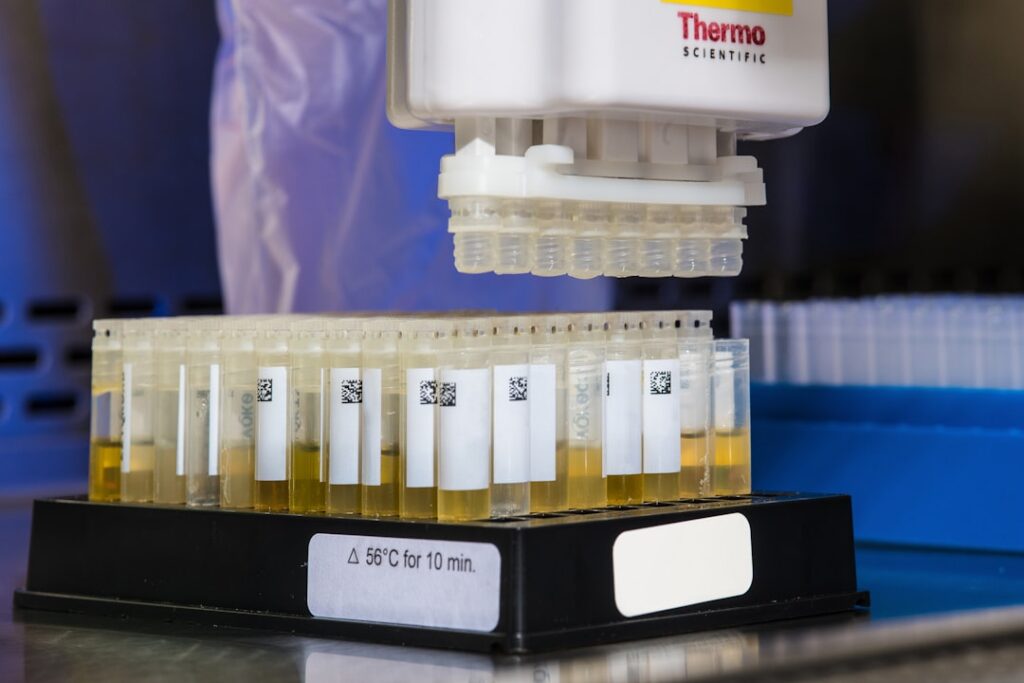
As interest in mold-related illness has grown, so have specialty lab tests marketed directly to consumers and through wellness practitioners. The vibrant mold test is one such product, typically offering urine mycotoxin panels and environmental dust analysis rather than the air sampling a home inspector uses. Understanding what these tests measure, and where mainstream agencies urge caution, helps homeowners spend wisely. This guide summarizes EPA, CDC, and NIEHS guidance current as of 2026 and is educational only; it is not medical advice. Consult your physician for symptoms and a certified professional for building testing.
Is this mold, asbestos, or water damage? Get a free instant screen
Upload a clear photo of the suspect area. You'll get an instant AI screening opinion and what to do next. This is screening guidance, not a professional determination.
Screening guidance only. AI can be wrong. Confirm asbestos, mold type, or lead with lab testing or a licensed professional before acting.
What is the Vibrant mold test?
Vibrant Wellness is a laboratory company that offers mold-related testing products, most notably a urine-based mycotoxin panel that screens for fungal toxins, and an environmental component that analyzes settled house dust for mold-related markers. These differ from the air-cassette and culture sampling used in building inspections, which measure airborne spore concentrations and identify mold genera in the home environment.
The marketing premise is that mycotoxins, toxic compounds some molds produce, can be detected in urine to indicate body burden, and in dust to indicate exposure. The tests are typically ordered through a healthcare practitioner or directly by consumers, and results arrive as a report listing detected toxins or markers. What the report means for diagnosis or for your home is where careful interpretation, and significant scientific debate, begins.
Urine mycotoxin testing versus building air sampling
It helps to separate two very different questions. Building air sampling asks: what mold and how much is in this home’s air, compared to outdoors? Urine mycotoxin testing asks: are fungal toxins detectable in this person’s body? The first is an environmental measurement an inspector performs; the second is a clinical-style test about an individual.
These are not interchangeable. A urine mycotoxin result does not tell you where mold is in your house, whether your home has a moisture problem, or what to remediate. Conversely, air sampling does not measure anything about your body. Homeowners sometimes expect a single test to answer both questions, but they require different methods. For the building side, the air-and-surface approach covered in the mold inspection and testing hub is the established route.
What mainstream agencies say about mycotoxin urine tests
Major medical and public-health bodies have expressed caution about urine mycotoxin testing for diagnosing mold-related illness. The CDC and several professional medical societies have noted that the clinical validity and reliability of urine mycotoxin tests are not well established, that reference ranges are not standardized, and that results can be difficult to interpret, since dietary intake of molds in food can affect mycotoxin levels independent of any household exposure.
This does not mean mold cannot affect health, the CDC and NIEHS clearly recognize respiratory and allergic effects of indoor mold. It means that a positive urine mycotoxin panel is not, by mainstream consensus, a validated diagnosis of “mold illness” or proof that a specific home caused it. Homeowners should view these results as one data point to discuss with a physician, not as a definitive answer, and should be wary of providers who use them to justify expensive treatments or remediation.
What environmental dust testing can and cannot show
The dust-analysis side of consumer mold testing measures mold-related markers in settled house dust, sometimes using DNA-based methods that quantify specific species. This can indicate which molds have been present over time, since dust accumulates a history. It is genuinely useful for some purposes, but it has limits: it reflects accumulated, not current, conditions, and a dust result still does not locate hidden growth or identify the moisture source.
Dust testing also lacks the universal, standardized interpretive thresholds that would let a homeowner read a number as clearly safe or unsafe, the same gap that exists for air sampling. It works best as a complement to a physical inspection and moisture assessment, not as a substitute. The EPA’s consistent message applies: if you can see or smell mold, the priority is cleanup and moisture correction, not additional specialty testing.
Should you use a Vibrant mold test?
For building decisions, conventional air and surface sampling by a certified inspector, interpreted against an outdoor baseline, is the established approach and answers the question most homeowners actually have: is there a mold problem in my home and where? Specialty consumer panels do not replace that. For health questions, a urine mycotoxin panel may be ordered as part of a clinical workup, but it should be interpreted by a physician aware of its limitations, not treated as a standalone diagnosis.
The strongest caution is financial: be skeptical of any provider who pairs a positive specialty panel with an immediate, expensive treatment or remediation upsell. If symptoms are real, address them with a clinician and address visible mold and moisture in the home with proper assessment. The guide on home mold testing near me covers the building-side testing that most directly answers homeowner concerns.
A balanced approach to mold and health
The sensible path combines two independent tracks. On the health track, anyone with persistent symptoms, congestion, cough, wheeze, or irritation, should consult a physician, especially those with asthma, allergies, or weakened immunity, since the CDC recognizes these effects. On the building track, inspect for visible growth, follow musty odors, check humidity against the EPA’s 30 to 50 percent range, and engage a certified inspector for proper air and surface sampling when a hidden source is suspected.
Fixing the moisture source and removing visible mold reduces exposure regardless of what any specialty panel shows. Treating the two tracks separately, and viewing consumer mycotoxin results with informed caution, keeps homeowners from overpaying for testing that mainstream science does not yet consider validated for diagnosis.
Why diet and individual variation complicate urine results
A central reason mainstream bodies urge caution on urine mycotoxin panels is that the body has more than one route to the same compounds. Mycotoxins occur naturally in many common foods, grains, nuts, coffee, dried fruit, and spices can all carry trace fungal toxins, so a person’s diet in the days before a test can influence what shows up in urine independent of anything in their home. A positive result therefore cannot, on its own, distinguish household exposure from dietary intake.
Individual variation adds further noise. People metabolize and excrete compounds at different rates depending on hydration, kidney function, and timing, so the same exposure can produce different readings in different people or in the same person on different days. Without standardized reference ranges that account for these factors, a number on a panel is hard to anchor to a meaningful threshold. This is the heart of the validity concern the CDC and professional societies raise: not that mycotoxins are imaginary, but that a urine level cannot reliably be traced back to a specific building or interpreted against an established safe range.
The DNA dust test and its honest uses
The environmental dust side of consumer mold testing, sometimes using DNA-based quantification of specific species, has genuine but bounded value, and seeing both clearly prevents misuse. Because settled dust accumulates over time, a dust analysis reflects a history of what molds have been present in a space, which can be useful for spotting whether water-damage-associated species have appeared, especially when paired with a physical inspection. It is a complement to walking the building, not a replacement for it.
The limits are real. A dust result captures accumulated rather than current conditions, so it cannot tell you whether a problem is active today. It does not locate hidden growth or identify the moisture source feeding it, the two things a homeowner most needs to act. And like air sampling, it lacks universal interpretive thresholds that would let a number read as plainly safe or unsafe. Used as one input alongside a moisture assessment and visual inspection, dust DNA testing can add context; used alone as a verdict on a home, it overreaches what the method supports.
Spending wisely on mold testing
Because specialty panels are marketed persuasively, it helps to think about where testing dollars do the most good. For the question most homeowners actually have, is there a mold problem in my home and where, conventional air and surface sampling by a certified inspector, read against an outdoor baseline, answers it directly and at a known cost. That spending buys an actionable result: a located source and a comparison that guides what to fix.
A urine mycotoxin panel, by contrast, is a clinical-style test whose interpretation mainstream medicine still debates, and it tells you nothing about your house. If symptoms are the concern, the better first dollar goes to a physician who can evaluate them and decide whether any testing is warranted, rather than to a direct-to-consumer panel that may prompt expensive follow-on treatment. The clearest warning sign is a provider who pairs a positive specialty result with an immediate, costly remediation or treatment plan. Money directed at finding and fixing moisture, and at a clinician for genuine symptoms, consistently outperforms money spent on panels that neither locate growth nor carry a validated diagnostic meaning.
Questions to ask before ordering a specialty panel
If a practitioner or a website recommends a urine mycotoxin or dust panel, a few questions clarify whether the test will actually help. Ask what decision the result will inform: if a positive or negative outcome would not change the treatment or the home repair you would otherwise pursue, the test is unlikely to be worth its cost. Ask how the result will be interpreted, given that mainstream bodies note the absence of standardized reference ranges, and whether dietary mycotoxin intake will be accounted for in a urine panel.
Ask, too, what the provider intends to do with a positive result. The clearest warning sign is a panel bundled with an immediate, expensive treatment regimen or a remediation upsell that the test result alone is said to justify. A cautious clinician treats such a panel as one data point within a broader evaluation, not as a verdict. For the building side, ask whether the recommendation includes an actual physical inspection and moisture assessment, since a dust marker without a located source and a corrected leak leaves the underlying problem in place. Tests that survive these questions, with a clear decision they inform and a sober interpretation, are the ones worth paying for.
What the building-side answer actually requires
For the question most homeowners truly have, is there a mold problem in my home and where, the path that answers it does not run through a specialty panel at all. It runs through a physical assessment: a trained inspector walks the property, follows musty odors, checks the spots where moisture collects, and uses a moisture meter and sometimes an infrared camera or borescope to find wet materials behind surfaces. Air and surface samples, when taken, are read against an outdoor baseline collected the same day, which is the comparison that gives a count meaning.
This building-side approach delivers what a urine or dust panel cannot: a located source, a comparison to outdoor conditions, and a path to a fix. A urine mycotoxin result says nothing about where mold is in the house or whether a moisture problem exists, and a dust marker reflects accumulated history without pinpointing active growth or its cause. The EPA’s consistent message ties it together, if you can see or smell mold, the priority is cleanup and moisture correction, not additional testing. A homeowner whose real concern is the home itself is best served by an inspection that finds and addresses the water source, with specialty health panels left to a physician’s judgment as one input among many.
The two tracks can run at once without competing. A clinician evaluates persistent symptoms and decides whether any testing belongs in a medical workup, while an inspector assesses the building and locates moisture. Neither result needs to wait on the other, and fixing a leak or lowering humidity reduces exposure regardless of what a specialty panel reports. Keeping the building question and the health question separate, each handled by the right professional, is what keeps a homeowner from overpaying for a single test marketed as if it could answer both.
References
- About Mold and Your Health — Centers for Disease Control and Prevention
- Mold Health Topic — National Institute of Environmental Health Sciences
- A Brief Guide to Mold, Moisture and Your Home — U.S. Environmental Protection Agency
- Mold and Indoor Air Quality — American Lung Association
If you want a building-side answer about mold in your home rather than a specialty panel, Front Range homeowners can get in touch through our contact page to connect with a vetted local inspector.