Sewer Camera Inspection Near Me: A Buyer’s Guide
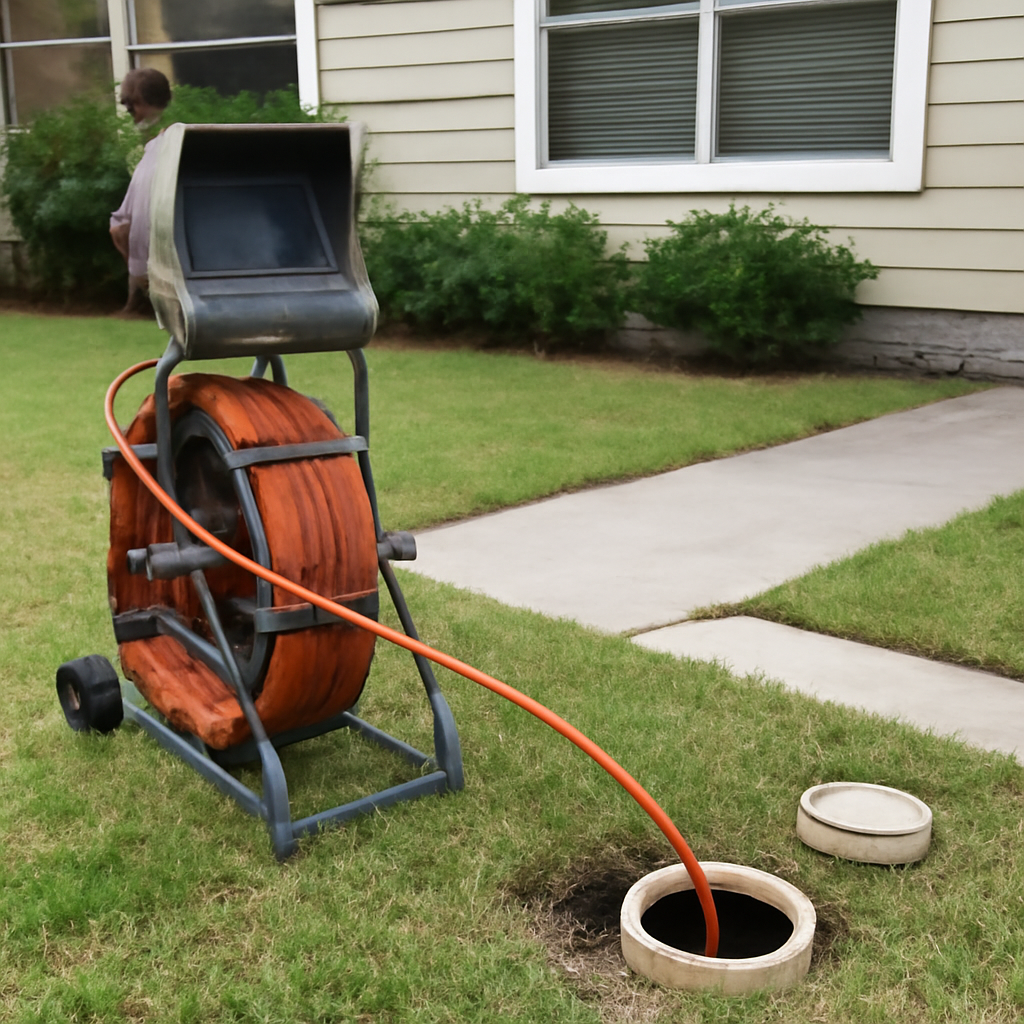
If you are searching for a sewer camera inspection near me, you are likely buying a home, dealing with recurring drain backups, or trying to head off an expensive surprise. A sewer camera inspection, also called a sewer scope, sends a waterproof camera on a flexible cable down the main drain line to record the condition of the pipe from the house to the city connection. It is one of the few ways to see a buried, hidden system without digging. This guide explains what the service includes, what it costs, how to choose a provider, and when it is genuinely worth booking, so you can spend with confidence rather than guess.
Part of our Home Inspection Tools guide — start there for the full picture →
What a Sewer Camera Inspection Near Me Actually Covers
A sewer scope inspects the lateral, the underground pipe that carries wastewater from your home to the municipal sewer or septic tank. A technician inserts the camera through a cleanout or a removed toilet and pushes it down the line, watching a live monitor and recording video. The footage shows the inside of the pipe in real time.
The inspection focuses on the main line, not the small branch drains inside walls. It typically reveals the pipe material (clay, cast iron, Orangeburg, PVC, or ABS), the general age and condition, and any defects along the run. Many providers include a recorded video and a written summary, and some can pinpoint the depth and location of a problem using a locator that tracks the camera head from the surface. That locating ability is valuable, because knowing a defect sits twelve feet down under the front walkway changes the cost and approach of any repair.
It is worth understanding what the scope does not cover. It inspects the main lateral, so a clog in a sink trap or a problem in a vent stack is outside its scope. The value is specifically in the buried main line that no other tool can see without excavation.
What the Camera Can Find
The value of a sewer scope is in catching problems that are invisible from above ground. The most common findings include the following.
Root intrusion
Tree and shrub roots seek moisture and work into pipe joints and cracks. Roots are a leading cause of recurring backups and, left alone, can break a pipe apart over time. A scope shows whether roots are a fine hair-like intrusion that cabling can clear or a dense mass signaling a cracked joint.
Cracks, breaks, and offsets
Shifting soil, ground settling, freeze-thaw cycles, and age cause pipes to crack, separate at joints, or sag into a low spot (a “belly”) that traps waste and water. A belly will not always back up immediately, but it collects solids and leads to chronic slow drainage.
Blockages and buildup
Grease, scale, mineral deposits, flushed wipes, and foreign objects narrow the pipe and slow drainage. The camera shows whether a clog is a one-time event or a sign of a deeper structural issue that will keep recurring.
Problem materials
Older homes may have Orangeburg pipe (a tar-paper product prone to collapse) or deteriorated clay tile. Identifying these materials helps a buyer plan for eventual replacement, since both have limited remaining service life regardless of current condition.
Improper connections and previous repairs
A scope can reveal sloppy past repairs, illegal tie-ins, or sections where a previous owner patched a problem rather than fixing it. These findings matter because they predict future trouble.
How Much a Sewer Scope Costs
Pricing varies by region and provider, but a standalone residential sewer camera inspection commonly runs from about $125 to $400. When bundled with a general home inspection, the add-on price is often lower. Several factors move the number.
An accessible cleanout keeps the price down. If the technician has to pull a toilet to reach the line, expect a higher fee. Longer runs, difficult access, and adding a precise locate of a defect can also raise the cost. Some companies charge extra to provide a copy of the video or a formal written report, so confirm what is included before booking. While price matters, the cheapest quote is not always the best value if it skips recorded video or a written report. Treat the recorded footage as a deliverable you are paying for, not an extra.
For perspective, a sub-$400 inspection is small next to the cost of a main-line repair, which can run from a few thousand dollars for a spot fix to well into five figures for a full replacement under a driveway or street. That ratio is why the service is so often worth it for older homes.
How to Choose a Provider Near You
“Near me” results vary widely in quality, so a few screening questions separate a thorough provider from a quick upsell.
Ask whether the inspection includes a recorded video and a written report you can keep. Confirm the technician will identify pipe material and the location and depth of any defect. Ask if they perform repairs themselves; a company that only inspects has less incentive to oversell a repair, while a full-service plumber can fix what they find but should still give you the raw footage to seek a second opinion. Check that they follow recognized inspection standards.
Many home inspectors who offer sewer scopes are members of trade groups like InterNACHI or ASHI, and you can review the broader expectations in our sewer camera inspection overview. Read recent reviews specifically mentioning sewer scopes, since a great general plumber may not own quality camera equipment. Ask how long the camera cable is, because a short cable may not reach the city connection on a long lateral, leaving part of the line uninspected.
For homeowners who want to understand the equipment itself, our guide to sewer cameras explains how the cable, camera head, and locator work together, which helps you judge whether a provider’s gear is up to the job.
When a Sewer Scope Is Worth It
A sewer camera inspection is not always necessary, but several situations make it a smart spend.
Buying an older home is the strongest case. Homes built before modern PVC, especially those with mature trees near the line, carry real risk of root intrusion or aging clay and Orangeburg pipe. A main-line repair or replacement can run into the thousands, so a sub-$400 scope before closing is cheap insurance. Recurring slow drains or backups across multiple fixtures point to a main-line issue rather than a single clog, and a scope finds the cause. Properties on septic systems, and homes where you plan major renovations or landscaping over the line, also benefit.
If the home is newer with PVC pipe, no mature trees, and no drainage symptoms, the urgency drops, though a baseline scan still gives peace of mind and a record of the pipe’s starting condition. For a first home purchase in particular, the modest cost buys clarity on one of the most expensive systems a homeowner can inherit.
What Happens If the Camera Finds a Problem
Findings range from minor to serious, and the right response depends on severity. Light root intrusion or grease buildup may only need cleaning, such as cabling or hydro-jetting, followed by a re-scope to confirm the line is clear. A single cracked section might be repaired with a spot fix or trenchless lining, which restores the pipe without a full dig. A collapsed pipe, severe belly, or failing Orangeburg run often calls for partial or full replacement.
If you are mid-purchase, a documented defect gives you leverage to negotiate a repair credit or price reduction. Keep the recorded video, get at least one independent repair quote, and avoid signing on with the first company that quotes a full dig before you have a second opinion. Some providers who both inspect and repair may lean toward the most expensive fix, so a competing bid protects your wallet. The footage is your evidence, which is one more reason to insist on receiving it.
Understanding Common Pipe Materials
One of the most useful things a scope reveals is what your lateral is made of, because the material strongly predicts its remaining life and failure mode. Clay tile, common in homes built through the mid-20th century, is durable but brittle and joins in short sections, giving roots many joints to invade. Cast iron, used in many older homes, is strong but corrodes from the inside over decades, narrowing and eventually flaking apart.
Orangeburg, a bituminized fiber pipe made of layers of wood pulp and tar, was installed in some postwar homes and is notorious for deforming and collapsing; finding it on a scope is a clear signal to budget for replacement even if it still functions. PVC and ABS are the modern standards, smooth-walled, root-resistant at the joints when properly installed, and long-lived. When a technician identifies the material, they are not just labeling the pipe; they are telling you how worried to be and how soon a repair might come due. A newer PVC line with minor buildup is a very different situation from an Orangeburg run with a developing sag, even if both currently drain.
Sewer Scope vs. a Standard Home Inspection
A general home inspection is broad but shallow; it covers visible systems and rarely includes the buried sewer line unless you add it. Because the main lateral is one of the costliest hidden systems, treating the sewer scope as a separate, deliberate add-on rather than assuming it is included is the safer approach. Confirm with your inspector or plumber whether the scope is part of their package or a standalone service, and schedule it within your inspection window so any findings can shape your negotiation.
How the Inspection Day Works
Knowing what to expect on the day removes most of the anxiety around booking. A typical sewer scope takes 30 to 60 minutes, though difficult access or a long line can extend it. The technician arrives, locates an access point, and prepares the camera reel.
The preferred entry is an exterior or interior cleanout, a capped fitting that opens directly into the main line. If no accessible cleanout exists, the technician may pull a toilet to feed the camera through the closet flange, which adds time and cost but reaches the line cleanly. As the camera advances, you can usually watch the live monitor alongside the technician, who narrates what they see: the transition from house pipe to the buried lateral, joints, any roots or cracks, and the connection to the city main or septic tank. When a defect appears, the technician may use a locator to mark its position and depth on the ground above, which is the information a repair crew needs. At the end, you should receive the recorded video and, from a thorough provider, a written summary describing the pipe material, overall condition, and any defects with their locations.
Renting a Camera vs. Hiring a Pro
Some homeowners wonder whether renting a sewer camera and doing it themselves is a sensible way to save money. For a one-time pre-purchase inspection, it rarely is. Rental cameras are often shorter, lower-resolution, and lack a reliable locator, so they may not reach the city connection or pin a defect’s position. More importantly, the value of a scope is in correct interpretation, and distinguishing a harmless dip from a true belly, or surface staining from a structural crack, takes experience most homeowners do not have.
Renting can make sense for a homeowner who wants to spot-check a known slow drain or monitor a line they already understand, and our sewer camera guide explains the equipment for those who are curious. But when the result will shape a purchase decision or a repair worth thousands, the small fee for a professional scope, with a recorded video and an expert reading, is money well spent. The professional also carries the right cable length and a working locator, two things rentals often lack.
When to Call a Professional
Sewer scoping is professional work. The equipment is costly, reading the footage takes experience, and interpreting a belly versus a normal dip or a surface stain versus a real crack is not obvious to an untrained eye. Hire a licensed plumber or a certified home inspector who carries a sewer camera as part of a complete toolkit. During a transaction, fold the scope into your overall inspection plan; it is one of several specialized instruments described in our home inspection tools guide that together give a full picture of a property’s hidden systems. The scope shows the condition; a qualified professional interprets it and recommends the right fix.
Questions to Ask Before You Book
A short list of questions filters out weak providers and sets clear expectations. Ask whether the price includes a recorded video and a written report you can keep, and in what format you will receive them. Ask how long the camera cable is and whether it will reach the city tap on your lot. Confirm that the technician will identify the pipe material and locate the depth and position of any defect found. Ask whether they recommend repairs they also sell, and if so, whether they will hand over the raw footage so you can get an independent quote. Finally, ask about access: do they need a cleanout, and what happens, and what does it cost, if a toilet must be pulled. Getting these answers up front prevents the common disappointment of paying for a scope and walking away with nothing but a verbal “looked okay,” which gives you no leverage and no record if a problem surfaces later.
References
- Sewer Scope Inspection Standards — InterNACHI
- Home Inspection Standards of Practice — American Society of Home Inspectors
- Septic Systems Guidance — U.S. Environmental Protection Agency
Frequently asked questions
How much does a sewer camera inspection near me cost?
A standalone residential sewer scope usually runs about $125 to $400, and the price is often lower when bundled with a general home inspection. Cost rises if the technician must pull a toilet to access the line, or if you add a precise defect locate.
What does a sewer camera inspection find?
It reveals the condition of the main drain line, including root intrusion, cracks, breaks, sagging sections, blockages, and the pipe material. It can also identify problem materials like Orangeburg or deteriorated clay tile that may need eventual replacement.
Should I get a sewer scope before buying a house?
For older homes, especially with mature trees nearby, yes. A main-line repair can cost thousands, so a sub-$400 scope before closing is inexpensive protection. Newer homes with PVC pipe and no drainage symptoms have less urgency.
Does a sewer inspection include a video?
A quality provider gives you a recorded video and a written report you can keep. Always confirm this before booking, since the footage is the deliverable you are paying for and lets you get an independent repair quote if a defect is found.