Radon Testing Nashville: What Homeowners Need to Know

Nashville and the broader Middle Tennessee region include areas of elevated radon potential, which makes radon testing Nashville homeowners look into a worthwhile precaution rather than an afterthought. Radon is an invisible, odorless radioactive gas that rises from soil into homes, and testing is the only way to learn your level. This guide summarizes EPA and public-health guidance current as of 2026 and is informational only; consult a certified radon professional for testing and mitigation decisions and your physician for any health concerns. Our service area is Colorado’s Front Range, but the testing principles below apply equally in Tennessee.
Part of our Radon Levels guide — start there for the full picture →
Why radon testing matters in Nashville
Tennessee’s radon potential varies by county, and parts of the Nashville metro fall within moderate-to-elevated EPA radon zones. The region’s limestone geology and karst features can influence how radon moves into homes. Because radon is the leading cause of lung cancer among non-smokers according to the EPA, testing is the practical first step in understanding and managing the risk in any home.
Radon levels depend on local soil, foundation, construction, and air exchange, so neighboring Nashville homes can read very differently. That is why a county’s zone designation is only a starting point and every home should be tested on its own. The pillar on radon testing for homeowners explains why individual testing matters more than regional averages.
Middle Tennessee’s geology adds a reason for individual testing. The region’s limestone bedrock can fracture and form cavities and channels that move radon unpredictably, so two homes a short distance apart may sit over very different conditions. A zone map smooths these local differences into a single regional figure, which is useful for setting expectations but useless for predicting one home’s level. The only reliable answer comes from measuring the specific home under proper conditions.
This is also why a previous owner’s old test result should not be trusted as current. Radon entry changes as a home settles, as foundations crack, and as renovations or HVAC changes alter how the house exchanges air. A clean test from years ago, or a neighbor’s reassuring number, says little about the home a buyer is considering today. Fresh testing, done correctly, is the foundation of any sound decision about radon in a Nashville home.
How to test a Nashville home for radon
Homeowners can use DIY kits, continuous monitors, or certified professionals. Each is reliable when used correctly.
DIY test kits
Short-term kits measure for a few days before lab analysis; long-term kits run 90 days or more for a better seasonal average. Both are affordable and widely sold. Correct placement in the lowest livable level under closed-house conditions is key, as covered in the guide on how at-home radon tests work.
Continuous monitors
Electronic monitors show ongoing levels and trends, letting homeowners re-test easily. The overview of the Corentium home radon detector describes how consumer monitors perform and where they fit.
Professional testing
Certified measurement providers deliver documented, tamper-resistant results, the standard for real estate transactions where a result affects a contract or price.
What your radon results mean
Radon is measured in picocuries per liter (pCi/L). The EPA recommends acting at 4 pCi/L or higher and considering action between 2 and 4 pCi/L. No level is completely risk-free because exposure accumulates, but 4 pCi/L is the widely used action threshold. A borderline or high short-term result should be confirmed with a follow-up test before deciding on mitigation.
Because Nashville-area readings vary, a single number from one home tells you little about another. Test your own home, confirm high results, and act on confirmed levels.
When and where to test
Test the lowest level you use or could finish into living space, typically a basement or ground floor. Run short-term tests under closed-house conditions, keeping windows and exterior doors closed except for ordinary use, and avoid testing during storms or high winds that can skew readings. Buyers often test during the inspection window; the guide on getting a radon test with a home inspection explains how to fit it into a purchase.
Existing homeowners should re-test every couple of years and after renovations, foundation work, or HVAC changes that can shift radon levels.
What to do if your Nashville home tests high
A high reading is fixable. Confirm it, then hire a certified mitigation contractor if levels remain at or above the action threshold. The standard remedy is active soil depressurization, a fan and sealed pipe that pull radon from beneath the foundation and vent it above the roofline. The guides on how to mitigate radon and what a radon system is explain the components and design.
Mitigation reliably lowers levels, usually well below the threshold, and a post-installation test confirms the outcome. The cost is comparable to other common home repairs, and systems run quietly for years.
Radon and real estate in Nashville
In Nashville’s active housing market, radon often comes up during transactions. Buyers may request professional testing, and sellers sometimes test ahead of listing or disclose existing systems. A documented test and, where warranted, a mitigation system reassure buyers and keep deals on schedule. Handling a high result before listing is usually simpler than renegotiating after a buyer tests.
Approaching radon as a routine, solvable item benefits buyers and sellers alike in a fast-moving market. Buyers gain assurance that the home has been measured and, if needed, mitigated, while sellers who address radon ahead of listing avoid a common late-stage negotiation snag. Because mitigation is reliable and reasonably priced, a documented system reassures rather than worries informed buyers, and it can keep a deal moving in a market where time pressure is real.
Short-term and long-term testing compared
Nashville homeowners weighing test methods face the same tradeoff between speed and accuracy. Short-term tests run a few days to a week and fit transaction timelines, but a single short reading can be influenced by weather and how the home is run that week. Long-term tests over 90 days or more average out those swings and better reflect the year-round level a household actually breathes.
A practical sequence is a short-term test for a quick read, followed by a long-term test or a confirmatory short-term test if the first result is near or above the action threshold. Continuous electronic monitors offer ongoing readings and trends, which appeal to homeowners who want to watch how levels shift across seasons rather than relying on a single snapshot.
Why levels vary house to house in Middle Tennessee
One Nashville home can test high while a neighbor tests low, because radon entry depends on the specific soil beneath each foundation, the foundation’s type and condition, the number of entry points, and how the home exchanges air. Middle Tennessee’s limestone geology and karst features create uneven radon potential that does not respect property lines, so location alone never predicts a single home’s level.
This variability means a neighbor’s clean test or a previous owner’s old result cannot substitute for testing your own home now. Foundation settling, renovations, and changes to heating and ventilation all shift radon entry over time. A current test of the specific home, under proper conditions, is the only reliable measure.
Testing mistakes that skew results
Accuracy depends on proper procedure. Place the test device in the lowest livable level, away from exterior doors, windows, drafts, and humid areas like bathrooms. Maintain closed-house conditions during short-term tests, keeping windows and exterior doors closed except for normal use. Avoid testing during storms or high winds, and never move or disturb the device during the test.
For results that affect a real estate transaction, professional testing with documented, tamper-resistant placement is often preferred. DIY users should follow kit instructions carefully and confirm any high or borderline reading with a second test before deciding on mitigation. The guide on testing your home for radon explains correct procedure in detail.
What mitigation involves
When a Nashville home needs mitigation, the standard approach is active soil depressurization. A contractor installs a sealed pipe through the foundation, connects a continuously running fan, and vents radon above the roofline where it disperses harmlessly. Sealing slab cracks and other openings improves the system, and a monitoring device confirms the fan is working.
The system operates quietly and continuously, and a post-installation test verifies that levels dropped below the action threshold. Maintenance is minimal beyond an eventual fan replacement and periodic re-testing. The guides on how to mitigate radon and at-home radon testing cover both the solution and the verification.
Radon health risk explained
Radon is the second-leading cause of lung cancer overall and the leading cause among people who have never smoked, according to the EPA. The risk arises from inhaling radon and its decay products over years, which can damage lung tissue. For people who smoke, radon and tobacco together multiply the risk well beyond either factor alone, which makes mitigation particularly valuable in households where anyone smokes.
The reassuring reality is that radon risk is preventable. It can be measured cheaply and reduced reliably with proven equipment. A Nashville homeowner who tests, confirms a high reading, and mitigates has eliminated a significant exposure. Viewing radon as a solvable problem rather than an unavoidable hazard encourages the practical steps that actually protect a household. Questions about health effects or past exposure belong with a physician, while testing and mitigation decisions belong with certified radon professionals.
Testing across home types and the karst factor
Home construction and local geology both shape radon in Middle Tennessee. Basement homes generally show the highest readings and should be tested in the lowest livable level. Slab-on-grade homes can still draw radon through cracks and utility penetrations, warranting ground-floor testing. Crawl space homes pull radon from exposed soil and may need a vapor barrier with depressurization rather than slab work.
The region’s limestone and karst features add a wrinkle, since fractured bedrock and underground voids can channel radon toward homes in ways that vary sharply over short distances. This geology is part of why neighboring Nashville homes can test so differently and why individual testing matters more than regional averages. Whatever the home type, test the lowest occupied level under closed-house conditions and confirm high results before mitigating. The pillar on radon testing for homeowners details how construction and geology interact.
Choosing a provider
Use certified radon measurement and mitigation professionals, require clear documentation, and ensure any mitigation quote includes a post-installation test. Verify credentials, read reviews for specifics, and get scope in writing. These standards hold whether you are in Nashville or Colorado. The pillar on radon testing fundamentals details how to evaluate providers and interpret results anywhere radon is a concern.
The practical bottom line for Nashville homeowners is to test, confirm, and act. A DIY kit or professional test establishes the level, a follow-up confirms any high reading, and a certified contractor mitigates if the level warrants it. None of these steps is expensive or complicated relative to the health risk radon poses, and each one moves a household from uncertainty toward a documented, managed answer. Treating radon as a routine part of home maintenance, rather than a rare emergency, is the mindset that keeps families protected over the long term.
References
- Radon zones and state contact information — U.S. Environmental Protection Agency
- Health risk of radon exposure — U.S. Environmental Protection Agency
- Radon testing and health risks — American Lung Association
Frequently asked questions
Is radon a concern in Nashville?
Parts of the Nashville metro fall within moderate-to-elevated EPA radon zones, and limestone geology can influence radon movement. Because levels vary house to house, every home should be tested individually rather than relying on the county zone.
How do I test for radon in Nashville?
Use a short-term or long-term DIY kit placed in the lowest livable level under closed-house conditions, a continuous monitor, or hire a certified professional. Professional testing is preferred for real estate transactions.
What radon level requires action?
The EPA recommends action at 4 pCi/L or higher and considering action between 2 and 4 pCi/L. No level is fully risk-free, since exposure accumulates. Confirm high short-term results with a follow-up test.
How is high radon corrected?
A certified contractor installs active soil depressurization, a fan and sealed pipe that draw radon from beneath the foundation and vent it above the roof. This reliably lowers levels, verified by a post-installation test.
Colorado Front Range homeowners with radon questions can reach out through our contact page to connect with a certified testing or mitigation professional.
Test your home for radon
Radon is invisible and odorless, so a test is the only way to know your level. A short-term kit gives a first reading in days; a digital monitor tracks it over time.
| Product | Why | Buy |
|---|---|---|
 AirChek Charcoal Radon Test Kit | Lab fee usually included; EPA short-term protocol. | Amazon |
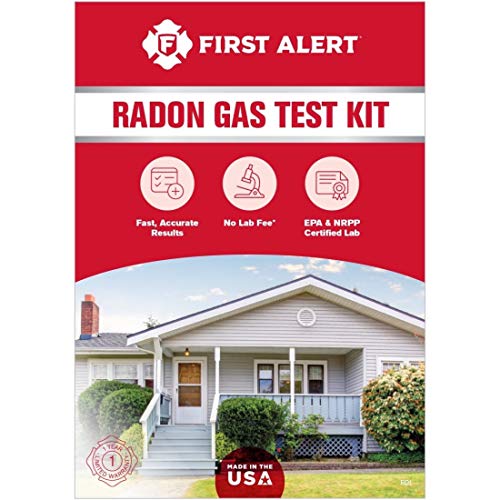 First Alert RD1 Radon Test Kit | Widely stocked; 48-hour charcoal test. | Amazon — $17.95 |
 Airthings Corentium Home | Digital monitor with a long-term average. | Amazon — $142.99 |