Radon Mitigation in Niwot, CO | InspectandTest
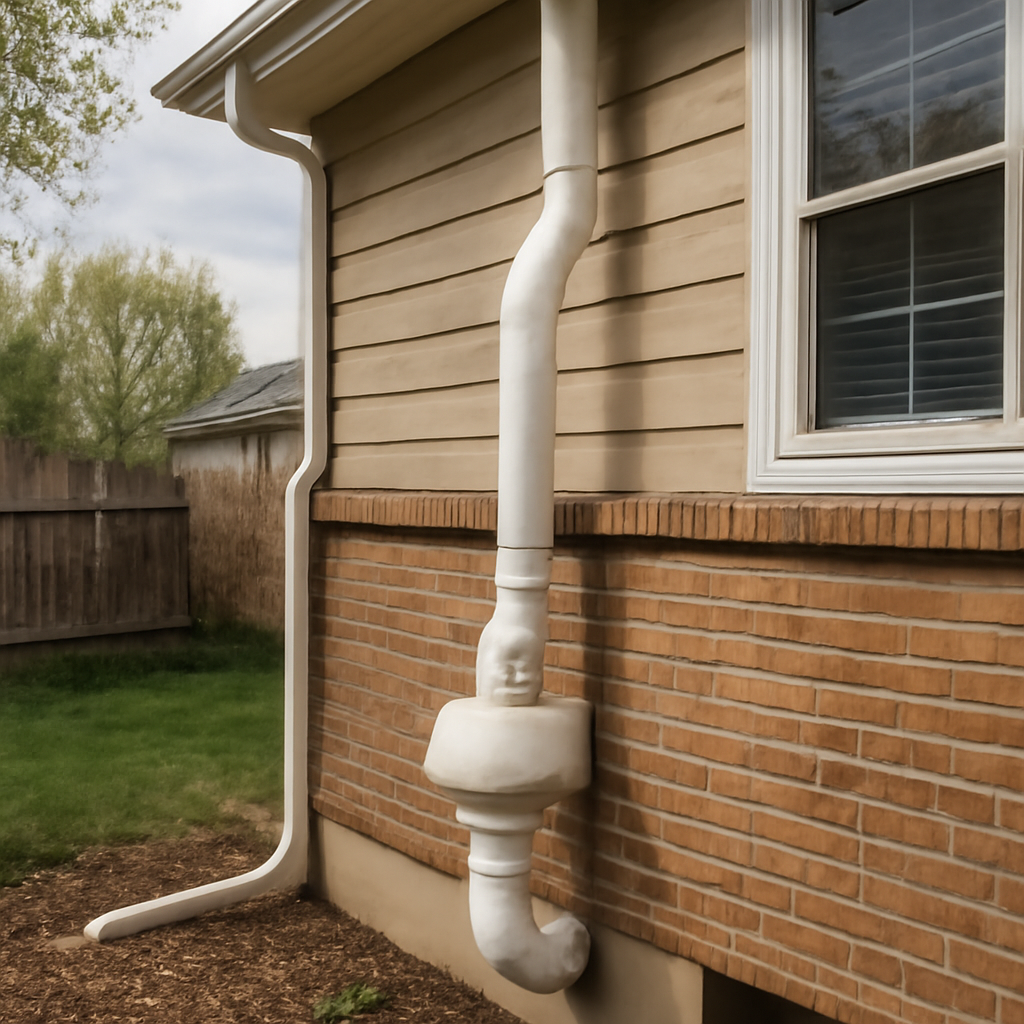
Niwot sits in Boulder County, an EPA Radon Zone 1 area where the foothills and coal-seam geology drive indoor radon to or above the 4 pCi/L action threshold in many homes. When a test confirms an elevated level, radon mitigation is the engineered fix that lowers it. Radon is a colorless, odorless radioactive gas and the second-leading cause of lung cancer after smoking, so a high reading in a Niwot finished basement is worth acting on. This page explains how radon mitigation niwot homeowners should approach the work, why local conditions matter, and what a system costs. This summary reflects EPA and CDPHE guidance current as of 2026; consult a certified mitigation professional for system design.
Part of our Radon Mitigation Systems guide — start there for the full picture →
Radon mitigation in Niwot: what to know
Radon mitigation reduces indoor radon by intercepting the gas before it enters living space, most commonly through an active sub-slab depressurization system. A pipe is sealed into the slab or sump, and a continuously running fan draws soil gas from beneath the foundation and vents it above the roofline, where it disperses harmlessly. A properly designed system routinely brings a home from well above 4 pCi/L down to 2 pCi/L or lower.
In Niwot, the housing variety shapes system design. A new Niwot Highlands home on a single poured slab is straightforward, while a restored Old Town Niwot cottage with a fieldstone foundation, a partial basement, or a crawl space needs a more tailored approach. Rural acreage homes with multiple foundation types under additions require careful diagnostics. For the broader framework on how mitigation fits with testing, our radon guide for Front Range homeowners explains the full sequence from measurement to fix.
Mitigation follows testing, never the reverse. A confirmed reading at or above 4 pCi/L is the trigger, and after a system is installed, a post-mitigation test verifies it actually brought the level down. The EPA recommends re-testing every couple of years even after mitigation, because fan performance, slab settling, and home changes can shift radon entry over time. For a Niwot homeowner, that post-mitigation test is the proof the investment worked.
Why Niwot homes need radon mitigation
The geology that drives Niwot’s high readings does not go away on its own. Boulder County’s foothills and coal-seam soils release radon continuously, and a finished basement in Somerset or Lake Valley keeps drawing that gas through slab cracks and control joints as long as the home is heated and sealed. A high test result reflects an ongoing condition, which is why mitigation, rather than ventilation alone, is the durable answer.
Climate reinforces the need. Colorado winters keep Niwot homes closed for months while furnaces create slight negative pressure that pulls soil gas indoors, concentrating radon in exactly the lower-level rooms families use most. Chinook winds and freeze-thaw cycles open new foundation cracks over time, so a home that tested moderate a few years ago can read higher after a season of structural movement. Mitigation seals these pathways and actively reverses the pressure that draws gas in.
The finished-basement pattern is what makes mitigation a genuine occupancy concern in Niwot. A basement bedroom, home office, or playroom is both the lowest, most soil-contacted space and a place where people spend hours every day. That combination of maximum soil contact and maximum time is the worst case for radon exposure. A family that finished a basement to gain living space may have unknowingly created the highest-exposure room in the house, and mitigation is what makes that space safe to occupy.
What a Niwot radon mitigation system covers
A mitigation contractor begins with a diagnostic visit to assess the foundation type, locate the best suction point, and design a system suited to the specific home.
Sub-slab depressurization
The standard system seals a PVC pipe into the slab or an existing sump, connects it to an inline fan, and routes the pipe up through the home or along an exterior wall to vent above the roof. The fan runs continuously, creating a low-pressure zone beneath the slab that captures radon before it can enter. A manometer on the pipe lets the homeowner confirm at a glance that the fan is working.
Sealing and tailored designs
The contractor seals visible slab cracks, control joints, and the sump lid to improve system efficiency and reduce the volume of air the fan must move. For a Niwot home with a crawl space, common in Old Town stock and on rural acreage, the fix may involve a sealed vapor barrier with sub-membrane depressurization rather than a slab suction point. Multi-foundation homes with additions sometimes need more than one suction point. After installation, a post-mitigation test confirms the system brought the level below 4 pCi/L.
Radon mitigation cost in Niwot
A typical residential radon mitigation system in the Niwot and Boulder County market runs about $1,200 to $2,500 installed, with most standard single-family homes landing near the middle of that range. Straightforward new-construction-style slabs sit at the lower end, while complex installations cost more.
Several Niwot-specific factors push toward the higher end. A fieldstone or partial foundation in an Old Town cottage, a crawl space requiring a sealed membrane, multiple foundation types under additions, or a long exterior pipe run to reach above the roofline all add labor and materials. Rural acreage homes with sprawling footprints sometimes need more than one suction point, which raises the price accordingly.
Set that against the benefit. Mitigation cuts radon exposure by 90 percent or more, and ongoing operating cost is modest, mainly the electricity to run a low-wattage fan plus eventual fan replacement every several years. Against the EPA’s estimate that radon causes thousands of lung-cancer deaths annually, a one-time system that protects a finished basement for the life of the home is among the better-value health investments a Niwot homeowner can make. For a buyer, a mitigation credit negotiated during a sale can offset much of the cost.
Niwot regulations and disclosure
Colorado requires radon disclosure in residential transactions, and the Seller’s Property Disclosure asks sellers to report known radon results and any existing mitigation system, including whether it is active and functioning. A documented, properly installed system with a passing post-mitigation test is a selling point that reassures buyers in Zone 1 Niwot. CDPHE runs the state radon program and references the 4 pCi/L action level throughout its guidance.
Because Niwot is unincorporated, mitigation system installation and any related permitting fall under Boulder County rather than a municipal department, so confirm county requirements before work begins. Colorado has moved toward requiring radon mitigation professionals to hold national certification, so ask whether your contractor holds a recognized credential such as NRPP or NRSB. A certified installer who provides a post-mitigation test and a system warranty gives a Niwot homeowner documentation that holds up at resale.
Neighborhoods and areas served
Radon mitigation serves all of Niwot’s housing: finished-basement homes in Somerset, Lake Valley, and Niwot Highlands, crawl-space and fieldstone-foundation stock in Old Town Niwot, and rural acreage along Left Hand Creek. Coverage typically extends to adjacent Longmont, Boulder, Gunbarrel, and Hygiene, all within the same Boulder County Zone 1 footprint.
Our Boulder County radon mitigation hub covers the regional picture and system options in more depth, and any mitigation should follow a confirmed result from radon testing in Niwot, since the test is what tells you whether and how much reduction a system needs to achieve.
How to choose a Niwot radon mitigation provider
Ask whether the contractor holds a recognized mitigation certification, performs a diagnostic before quoting, and includes a post-mitigation test to prove the system works. A good installer designs the system around your specific foundation rather than applying a one-size template, which matters for Niwot’s varied Old Town and rural housing.
Confirm the quote includes sealing, a system manometer, and a workmanship warranty, and ask how the contractor will route the vent pipe, since an exterior run on a visible elevation can affect curb appeal on an upscale Niwot home. A provider who explains the design choices, guarantees the result will fall below 4 pCi/L, and documents the post-mitigation reading is one whose work will hold up both for your health and at resale.
Living with a radon system in a Niwot home
Once installed, a mitigation system is largely hands-off, but a few habits keep it working. The manometer, the small U-shaped gauge on the vent pipe, shows the system is under suction; when the two columns of liquid sit at different heights, the fan is pulling air as designed. A Niwot homeowner should glance at it occasionally, since columns that level out indicate the fan has failed or a pipe is blocked, meaning radon could be creeping back up. Most fans are designed to run continuously for years, and replacing one when it eventually wears out is a modest expense compared with the original install.
The system runs quietly and uses little electricity, roughly comparable to a standard light bulb left on, so its impact on a utility bill is small. In Niwot’s cold winters, a properly designed system vents above the roofline where the exhaust disperses without drawing back into the home, and the continuous airflow does not noticeably affect heating, since the volume of air moved is small and drawn from beneath the slab rather than from conditioned living space. Homeowners sometimes worry a radon fan will make a finished basement drafty or cold, but a correctly installed sub-slab system pulls from the soil, not the room.
Re-testing closes the loop. The EPA recommends testing again every couple of years even with a working system, and after any major change, a basement remodel, a new furnace, foundation work, or an addition, since these can alter the pressures and pathways the system was designed around. For a Niwot home that later finishes additional basement space or replaces HVAC equipment, a fresh test confirms the existing system still holds the level below 4 pCi/L. Keeping the post-mitigation report and any re-test results on file also serves the homeowner at resale, when a documented, verified system reassures a buyer in Zone 1 Niwot.
When a Niwot home needs more than a standard system
Most Niwot homes are well served by a single-point sub-slab system, but some present complications that call for a more involved design. A home with multiple foundation sections, common where an Old Town cottage has been expanded or where a rural home has additions on different slabs, may need more than one suction point to depressurize the whole footprint. A poured slab over poorly permeable fill can resist suction, requiring the contractor to add suction points or modify the sub-slab communication so the fan can draw effectively across the area.
Crawl spaces change the approach entirely. Rather than a slab suction point, a crawl space typically needs a sealed vapor barrier laid across the soil with a depressurization point beneath it, which both controls radon and reduces the ground moisture that feeds mold, a useful dual benefit in a Niwot home where Left Hand Creek groundwater is a factor. Homes that combine a basement, a slab-on-grade addition, and a crawl space, not unusual on Niwot acreage, may need a hybrid design addressing each foundation type. A contractor who runs proper diagnostics before quoting will identify these complications up front, so the proposed system is sized to actually reach the target rather than falling short and requiring expensive revisions after a disappointing post-mitigation test.
References
- Consumer’s guide to radon reduction — U.S. Environmental Protection Agency
- Colorado radon program — Colorado Department of Public Health and Environment
- Radon and lung cancer — Centers for Disease Control and Prevention
Frequently asked questions
How does radon mitigation work in a Niwot home?
The standard fix is active sub-slab depressurization: a fan draws soil gas from beneath the foundation through a sealed pipe and vents it above the roof, lowering indoor radon, typically to 2 pCi/L or below.
How much does radon mitigation cost in Niwot?
A typical system runs about $1,200 to $2,500 installed. Crawl spaces, fieldstone or partial foundations in Old Town stock, and long exterior pipe runs push toward the higher end.
Do I need to test before mitigating?
Yes. Mitigation follows a confirmed test result at or above 4 pCi/L, and a post-mitigation test verifies the system brought the level down. The EPA recommends re-testing every couple of years even after a system is installed.
Does Niwot's crawl-space and older housing need a special system?
Often, yes. Crawl spaces and fieldstone or partial foundations common in Old Town Niwot may need a sealed vapor barrier with sub-membrane depressurization rather than a simple slab suction point.
Is a mitigation system worth it at resale in Niwot?
Yes. Colorado disclosure asks about radon and existing systems, so a documented, certified install with a passing post-mitigation test reassures buyers in Zone 1 Niwot and can be a selling point.
In Boulder County’s Zone 1, a confirmed radon reading is an ongoing condition that mitigation puts to rest for the life of the home. To connect with a vetted, certified Niwot mitigation contractor after your test, reach out through our contact page.
Test your home for radon
Radon is invisible and odorless, so a test is the only way to know your level. A short-term kit gives a first reading in days; a digital monitor tracks it over time.
| Product | Why | Buy |
|---|---|---|
 AirChek Charcoal Radon Test Kit AirChek Charcoal Radon Test Kit | Lab fee usually included; EPA short-term protocol. | Amazon — $21.95 |
 First Alert RD1 Radon Test Kit First Alert RD1 Radon Test Kit | Widely stocked; 48-hour charcoal test. | Amazon — $16.98 |
 Airthings Corentium Home Airthings Corentium Home | Digital monitor with a long-term average. | Amazon — $143.65 |