Radon Mitigation in Broomfield County, Colorado
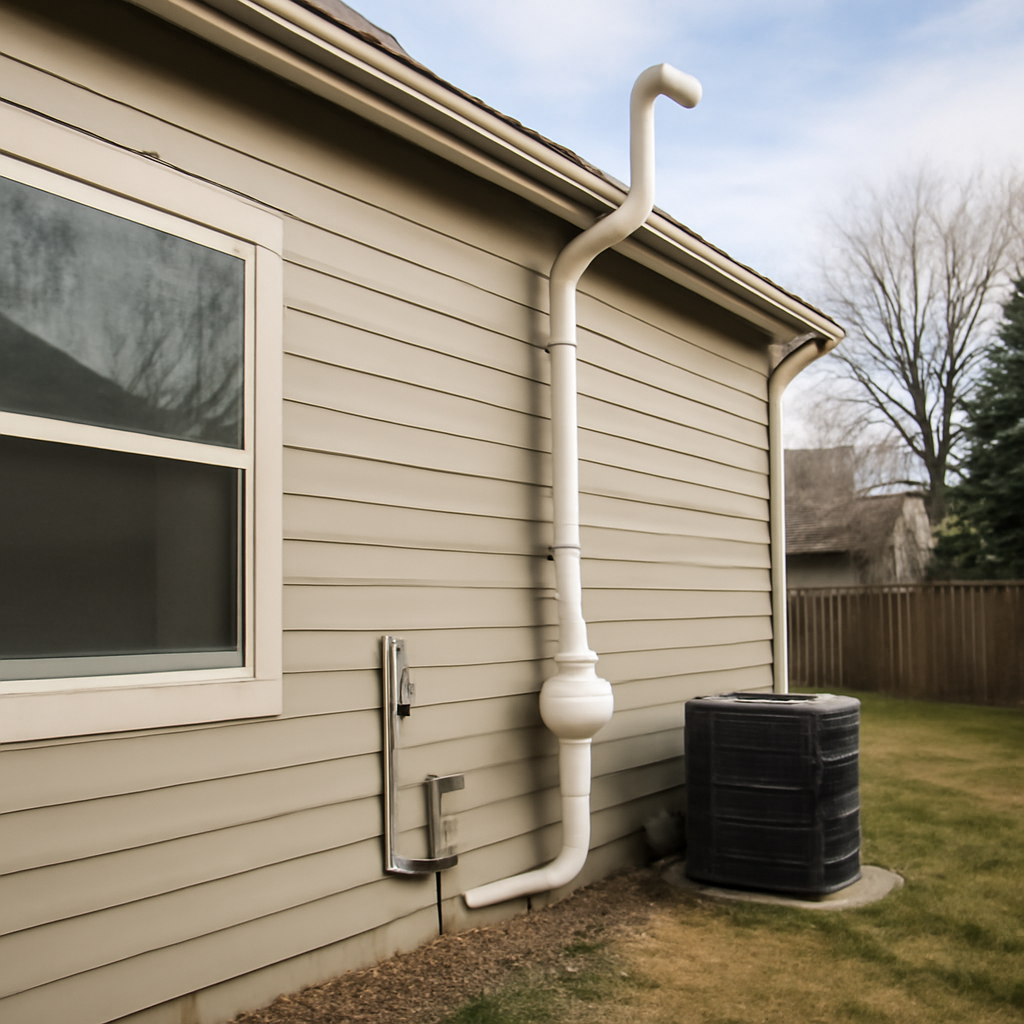
Radon mitigation broomfield county homeowners arrange after a high test result is the practical follow-through to a Zone 1 problem, because Broomfield sits in EPA Radon Zone 1, where predicted indoor radon exceeds the 4 pCi/L action threshold. Broomfield is the consolidated City and County of Broomfield, Colorado’s smallest county by area, a planned tech-corridor community along the US-36 turnpike. Its newer, finished-basement homes in Anthem, McKay Landing, The Broadlands, and Interlocken make elevated results common and very fixable. This page is a county-level hub: it covers when mitigation is needed, how systems work, what to expect locally, costs, and links to our city pages. This summary reflects EPA guidance current as of 2026; consult a Colorado-licensed radon professional for design and installation.
Part of our Radon Mitigation Systems guide — start there for the full picture →
Radon mitigation in Broomfield County: what to know
Radon mitigation is the engineered reduction of indoor radon, most often through an active soil depressurization system that draws gas from beneath the foundation and vents it safely above the roofline before it can enter the home. EPA recommends mitigation when a confirmed level reaches or exceeds 4 pCi/L, and because Broomfield is Zone 1, many tested homes here cross that line. A properly designed system reliably brings levels down, usually well below the threshold.
Mitigation comes after testing, not instead of it. A confirmed result — ideally a short-term test verified by a second test or a continuous-monitor reading — establishes both the need and the baseline against which the finished system is judged. Broomfield’s newer homes often help here: many were built with a passive radon-ready rough-in, a stub of vent pipe through the slab that an installer can activate with a fan, which can simplify the job.
For how radon enters and how systems perform, our Colorado radon guide covers the fundamentals. This page focuses on the county. For city-level detail, see our radon mitigation in Broomfield page, and for the testing step, our radon testing in Broomfield County hub.
Why Broomfield County homes need mitigation
The Zone 1 designation is the headline reason. Broomfield’s uranium-bearing Front Range soils generate radon that migrates into homes, and measured levels across the community frequently exceed the action threshold. A home does not have to be old to read high; the gas comes from the ground every home sits on, and Broomfield’s newer construction is no exception.
Finished basements concentrate both the gas and the exposure. Broomfield families routinely use their below-grade space as bedrooms, family rooms, and home offices, which puts people in the lowest, highest-radon part of the house for long stretches. A finished Anthem or McKay Landing basement bedroom reading above 4 pCi/L delivers that dose to whoever sleeps there nightly, which is why mitigation is treated as a health step rather than a cosmetic upgrade.
Tight envelopes reduce natural dilution. Modern Broomfield homes are sealed for efficiency, so radon drawn in from the soil has fewer paths to disperse than in a leaky older home. That same sealing that lowers energy bills can hold radon at elevated levels, which is part of why even recently built homes here benefit from an active mitigation system once a test confirms the need.
What a Broomfield County radon mitigation system covers
A standard system is engineered to the specific foundation, and Broomfield’s construction often makes the design straightforward.
Active soil depressurization
The workhorse system is sub-slab depressurization: a suction pipe is sealed into the slab, an inline fan pulls soil gas from beneath the foundation, and a vent stack carries it above the roofline to disperse. In a Broomfield home with a poured slab and clean aggregate beneath — typical of newer construction — a single suction point is often enough to bring levels well down.
Activating a passive rough-in
Many Broomfield homes were built with a passive radon-ready system: a vent pipe already runs from beneath the slab up through the roof. Activating it usually means installing an inline fan and verifying the seal at the slab, which can be cleaner and less costly than retrofitting a system from scratch. The installer confirms the rough-in actually performs, since a passive stub alone often does not reduce levels enough on its own.
Radon mitigation cost in Broomfield County
A typical residential radon mitigation system in the Broomfield market runs about $1,200 to $2,500 installed, depending on foundation type, the number of suction points, and the vent routing. A straightforward single-suction system, or the activation of an existing passive rough-in in a newer Anthem home, sits toward the lower end; a home needing multiple suction points or complex routing costs more.
Against the health risk of long-term radon exposure and the cost of the test that revealed it, mitigation is a one-time investment that protects the household for the life of the system. A post-installation test confirms the system brought the level down, which is the result a homeowner is actually paying for.
Broomfield County regulations and disclosure
Colorado requires radon mitigation professionals to be licensed by the state, which protects homeowners from improperly designed systems. A licensed installer follows recognized mitigation standards for system design, fan sizing, and vent placement, and provides a post-mitigation test to verify performance.
For real-estate transactions, Colorado’s Seller’s Property Disclosure asks sellers to report known radon mitigation systems, so a documented installation and the verifying post-test add value and transparency to a Broomfield sale. Because Broomfield permits through a single consolidated city-county authority, records of a passive rough-in or an installed system are typically easy to verify. Buyers should ask to see the post-mitigation result, not just confirmation that a system exists.
Communities and areas served across Broomfield County
Mitigation is relevant community-wide because the whole county is Zone 1. Broomfield is essentially one city, so coverage spans its neighborhoods — Anthem, McKay Landing, The Broadlands, Broomfield Heights, and the Interlocken area — where newer slab construction and passive rough-ins often allow a clean single-suction system; our radon mitigation in Broomfield page has the detail.
Broomfield’s land came from Adams, Boulder, Jefferson, and Weld counties, so its neighbors include Westminster, Superior, Louisville, Northglenn, and Lafayette, all in the same Zone 1 terrain. A confirmed high test in any of them leads to the same fix. Start with radon testing in Broomfield County if you have not yet established your home’s level.
What to expect after a Broomfield County mitigation install
A radon mitigation system is largely silent and low-maintenance once installed, but knowing what to watch for helps a homeowner keep it working. The fan runs continuously, and a manometer (a small pressure gauge on the vent pipe) shows at a glance that the system is drawing suction. If the two fluid columns in that gauge ever level out, the fan may have failed, and a re-test is warranted.
A post-installation test is the proof of performance, and a conscientious installer schedules one a few weeks after the work. In a Broomfield home where the original reading drove the project, that follow-up test should show the level well below 4 pCi/L. If it does not, the installer adjusts the system — adding a suction point or improving the slab seal — until it does, which is part of a properly warranted installation.
Long-term, EPA suggests re-testing every couple of years and after any major renovation, because changes to the basement finish or the home’s air handling can shift radon behavior. In a county where finished basements are actively lived in, that periodic re-test is cheap insurance that the protection is still doing its job.
How to choose a Broomfield County radon mitigation provider
Hire a Colorado-licensed radon mitigation contractor who inspects the foundation before quoting, checks for an existing passive rough-in, designs the system to the specific home, and includes a post-mitigation verification test in the price. Ask how they will handle your foundation and whether activating a rough-in is an option, since that can save cost in a newer Broomfield home.
A reputable installer guarantees a result below the action threshold and warranties both the workmanship and the fan. Because mitigation is a health investment in a Zone 1 county, that guaranteed post-test number, not just a finished-looking pipe, is what you are buying, and a licensed provider stands behind it.
Why passive rough-ins are common in Broomfield
Broomfield’s relatively recent build-out gives many of its homes a head start on mitigation that older Colorado housing lacks. As radon-resistant new-construction practices spread through the building codes and standards in effect while Broomfield’s subdivisions were going up, a large share of its homes were built with a passive radon system already roughed in: a vent pipe running from beneath the slab, through the interior of the house, and out the roof, sealed at the slab and capped for future use. This is precisely the infrastructure an active system needs.
Activating such a rough-in is usually simpler and cheaper than retrofitting a system from scratch. An installer adds an inline fan to the existing vent stack, verifies the slab seal and the suction the fan develops, and confirms with a post-test that the level has dropped below the action threshold. Because the pipe routing already exists and runs cleanly through the home, there is no need to cut a new suction point through a finished basement floor or run an unsightly exterior stack, which is why activation is often the first option an installer evaluates in an Anthem or McKay Landing home.
The caveat is that a passive rough-in alone frequently does not reduce radon enough on its own. The passive stack relies only on the natural stack effect of the house, which in a tight Broomfield home is often too weak to draw sufficient soil gas, so a home with a passive system can still test high. That is why a homeowner should not assume the presence of a rough-in means the home is protected; the rough-in is a convenience that makes activation easy, but it is the fan and the verifying post-test that actually bring the level down.
Verifying and maintaining a Broomfield mitigation system
After installation, the proof of a Broomfield system is the post-mitigation test, and the home’s seasonal radon swing makes the timing of that verification worth considering. A re-test under closed-house winter conditions confirms the system holds the level down when radon naturally peaks, which is more reassuring than a summer re-test taken while open windows and any cooler already dilute the gas. A conscientious installer schedules this verification a few weeks after the work and adjusts the system if the number is not where it should be.
Ongoing maintenance is minimal but not zero. The fan runs continuously and the manometer on the vent pipe is the homeowner’s at-a-glance confirmation that suction is being maintained; if the gauge’s columns level out, the fan has likely failed and a re-test is due. Because Broomfield families actively finish and re-finish their basements, EPA’s advice to re-test after any major renovation applies with real force here, since changes to the basement build or the home’s air handling can alter how radon behaves and how well the existing system controls it.
References
- Consumer’s guide to radon reduction — U.S. Environmental Protection Agency
- Radon health risk and mitigation — U.S. Environmental Protection Agency
- Colorado radon program and licensing — Colorado Department of Public Health and Environment
Frequently asked questions
When does a Broomfield County home need radon mitigation?
EPA recommends mitigation when a confirmed radon level reaches or exceeds 4 pCi/L. Because Broomfield is Zone 1, many tested homes here cross that line and benefit from a system, including newer homes.
Do Broomfield homes have passive radon rough-ins?
Many do. Newer Broomfield construction often includes a passive vent pipe from beneath the slab through the roof. Activating it with an inline fan can be a cleaner, lower-cost path to mitigation.
How much does radon mitigation cost in Broomfield County?
A typical system runs $1,200 to $2,500 installed. Activating an existing rough-in or a simple single-suction system sits lower; homes needing multiple suction points cost more.
Is a post-installation test included?
It should be. A licensed installer re-tests a few weeks after install to confirm the level dropped below 4 pCi/L, and adjusts the system if it has not. Ask to see that verifying number.
A confirmed high radon result in a Zone 1 county like Broomfield calls for a properly designed system, not a wait-and-see. To connect with a licensed local mitigation contractor and get a verified post-install number, get in touch through our contact page.
Test your home for radon
Radon is invisible and odorless, so a test is the only way to know your level. A short-term kit gives a first reading in days; a digital monitor tracks it over time.
| Product | Why | Buy |
|---|---|---|
 AirChek Charcoal Radon Test Kit AirChek Charcoal Radon Test Kit | Lab fee usually included; EPA short-term protocol. | Amazon — $21.95 |
 First Alert RD1 Radon Test Kit First Alert RD1 Radon Test Kit | Widely stocked; 48-hour charcoal test. | Amazon — $16.98 |
 Airthings Corentium Home Airthings Corentium Home | Digital monitor with a long-term average. | Amazon — $143.65 |