New Construction Home Inspection Cost: Warranty Timing Guide
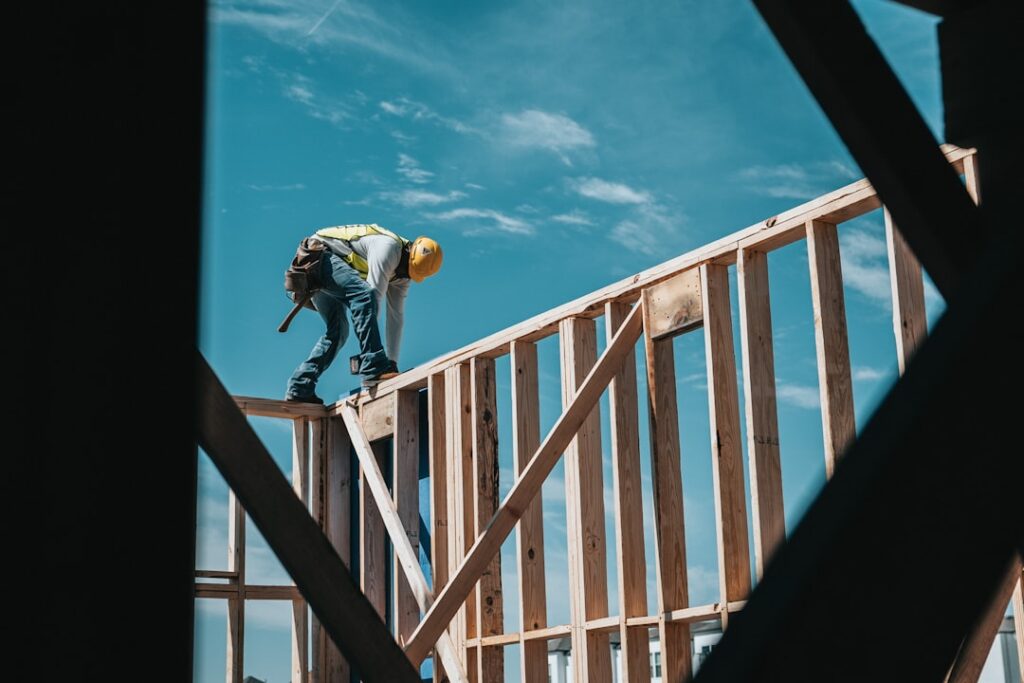
New construction home inspection cost falls into two distinct events: the pre-closing inspection at $300-$500 and the 11-month warranty inspection at $200-$350 before the builder’s 1-year workmanship warranty expires. Each inspection serves a different purpose, captures different defects, and produces different remediation outcomes. The pre-closing inspection identifies construction errors and missing items before transfer of ownership. The 11-month inspection captures issues that have emerged during the first year of occupancy in time to file warranty claims. This guide walks through both inspection events, their pricing, what they cover, and how to use them together to maximize value from the builder’s warranty period.
Part of our Home Inspections Explained guide — start there for the full picture →
The Two-Stage Inspection Strategy
New construction homebuyers benefit most from two inspection events spaced about a year apart. The pre-closing inspection happens 7-14 days before closing, costs $300-$500, and addresses defects that exist at the time of transfer. The 11-month inspection happens 30-60 days before the 1-year warranty expires, costs $200-$350, and addresses issues that have appeared during the first year of occupancy. Together, these two inspections cost $500-$850 and capture both construction-time defects and use-period defects, all of which get repaired under the builder’s warranty at no additional cost.
The hiring a home inspector guide covers both inspection types in detail. Specific 11-month inspection cost coverage walks through that follow-up event.
Pre-Closing Inspection Pricing
For new single-family construction under 2,500 square feet, expect $300-$500. Homes from 2,500 to 4,000 square feet run $450-$650. Luxury homes above 4,000 square feet typically cost $600-$1,000. Townhome and condo new construction generally falls at the lower end of the range ($250-$400) because the inspection scope is smaller. Multi-family conversions and accessory dwelling units have their own pricing based on square footage and complexity.
11-Month Warranty Inspection Pricing
The 11-month warranty inspection typically prices at $200-$350, lower than the pre-closing inspection because the inspector is looking specifically for issues that have emerged or changed since the pre-closing assessment. The inspector uses the original pre-closing report as a baseline, focuses on specific high-risk areas (foundation movement, framing settlement, exterior caulk failure, roof system performance), and documents new issues that the builder is obligated to repair under the 1-year warranty.
The Builder’s 1-Year Workmanship Warranty
Most new construction homes carry a 1-year workmanship warranty covering defects in materials and workmanship. Some builders offer extended warranties on specific systems (10-year structural, 2-year mechanical) but the 1-year general warranty is the broadest and most useful for the homeowner. Items covered under workmanship warranty include drywall cracks from framing settlement, paint and trim defects, plumbing fixture issues, electrical issues that emerge under normal use, HVAC performance issues, and exterior caulking failures.
The warranty exists, but it must be invoked through written documentation before the 1-year deadline. ICC residential code standards establish baseline construction quality expectations; the builder’s warranty provides the remediation mechanism for deviations.
Why the 11-Month Timing Matters
Scheduling the warranty inspection at month 11 (not month 12) provides a buffer for completing builder repairs before the warranty deadline. Builders move at their own pace on punch-list items; submitting a claim with two weeks of warranty remaining often produces frantic repair work that may need follow-up after warranty expiration. Submitting at month 11 with documented inspection findings gives the builder 30-45 days of warranty time to complete repairs while the obligation is still binding.
Common Issues Found at 11-Month Inspection
Issues that emerge during the first year of occupancy follow predictable patterns. Drywall cracks at corners and seams (framing settlement under load). Door and window operation changes (framing shrinkage and movement). Caulking failures around windows, doors, and tubs. Grout cracks in tile work. Hairline foundation cracks (most are normal, some require repair). HVAC performance issues as systems balance into normal operation. Plumbing leaks at fittings that have loosened. Electrical outlets and switches that have developed problems. Exterior issues including paint failures, fastener corrosion, and roof material seating.
Each item that gets documented and submitted as a warranty claim becomes a free repair. The economic value of finding even 3-5 items often exceeds the inspection cost.
What the 11-Month Inspector Looks For
The 11-month inspection scope mirrors the pre-closing scope but with emphasis on items most likely to have changed: foundation walls and slab for new cracks, framing visible from attic for settlement or movement, exterior walls for caulk and flashing failures, roof system for material seating and penetration sealing, HVAC system performance under various conditions, plumbing fixtures for leaks at connections, electrical system under load, and appliance operation. The inspector compares current condition to the pre-closing baseline when possible.
Documentation Standards for Warranty Claims
Submitting warranty claims successfully requires documented evidence. The 11-month inspection report should include photos of each documented defect, written descriptions of the issue, and references to applicable code or industry standard. ASHI and InterNACHI Standards of Practice provide the methodology framework. The ASHI Standards of Practice outline what an inspection must cover and how findings are documented.
Buyers submitting warranty claims should attach the inspection report directly rather than paraphrasing findings. Builders’ warranty departments process documented inspector reports more readily than informal homeowner descriptions.
Limitations of the 1-Year Warranty
The 1-year warranty does not cover normal wear and tear, items damaged by homeowner activity, items that were specifically noted as acceptable in the pre-closing inspection, or items that the buyer accepted at closing despite identified defects. Maintaining the warranty also requires the homeowner to maintain reasonable home care during the first year — failing to clean gutters, ignoring HVAC filter changes, or neglecting routine maintenance can void specific warranty claims.
Extended Warranty Coverage and Inspection Strategy
Many new homes include structural warranties of 5-10 years and mechanical warranties of 2-4 years. Strategic inspections at years 2, 5, and 10 can identify issues within these extended warranty periods. Pricing for year-2 mechanical and year-5 structural inspections typically runs $250-$400. These extended inspections are less common than the 11-month inspection but can be valuable for homes with documented construction concerns or in markets where builders have variable quality records.
Ancillary Inspection Add-Ons
For Colorado Front Range new construction, the most valuable add-ons during either pre-closing or 11-month inspections include radon testing ($150-$250 — strongly recommended given Colorado’s elevated radon exposure), sewer scope inspection ($150-$300 if not done at pre-closing), thermal imaging ($150-$300 to identify insulation gaps), and moisture meter survey of high-risk areas. Bundle pricing on the same visit typically saves 10-20 percent versus separate service appointments.
Confused by your home inspection report? Decode it free in plain English
Upload your inspector's PDF and get a plain-English summary, what actually matters, rough repair costs, and negotiation talking points. Educational only — not a professional re-inspection. Your file is analyzed and discarded, never stored.
Educational summary only. AI can be wrong and cost figures are rough estimates. This is not a professional re-inspection, appraisal, or legal/financial advice — confirm major items with your inspector or a licensed contractor.
Regional Pricing Variance
Denver Front Range pricing runs $300-$450 pre-closing and $200-$300 at 11-month. Northern California runs $450-$700 pre-closing and $275-$400 at 11-month. Texas markets run $325-$475 pre-closing and $200-$325 at 11-month. Midwest pricing tends to be 10-20 percent below national average. Coastal pricing tends to be 20-40 percent above. Local market conditions, inspector availability, and seasonal demand all shift pricing within these ranges.
Choosing the Inspector for Each Stage
Using the same inspector for both pre-closing and 11-month inspections has practical advantages. The inspector remembers the property, has the original report as a baseline, and can spot changes more efficiently. Some inspectors offer combination pricing ($475-$700 for both inspections) that saves 10-15 percent versus separate engagement.
If the original inspector is unavailable or the buyer wants a second-opinion perspective, hiring a different inspector for the 11-month visit produces fresh eyes that may catch issues the original missed. InterNACHI’s inspector directory supports either approach.
When to Skip the 11-Month Inspection
For builders with consistent quality records and homes that have shown no concerning issues during the first year, the 11-month inspection may not produce findings worth the cost. Signs that the inspection is worth scheduling include any cracking in walls or floors, any plumbing or electrical issues experienced during the year, any HVAC performance complaints, any exterior caulk or paint failures visible, and any concerns the buyer or family members have noticed but not reported. When any of these conditions exist, the 11-month inspection almost always finds additional issues.
Builder Cooperation Patterns
Builders vary widely in warranty responsiveness. National production builders typically have systematic warranty departments that process claims through documented procedures. Custom and regional builders may be more or less cooperative depending on their relationship management. Inspection reports submitted with photos, specific defect descriptions, and code or standard references receive better response than informal complaints. Persistence matters; some warranty claims require multiple follow-ups before resolution.
The Economics of Two-Stage Inspection
The total $500-$850 cost of pre-closing plus 11-month inspections typically returns 3-10x in builder-funded repairs identified through the inspections. For homes priced at $400,000-$800,000, the inspection investment represents 0.07-0.20 percent of purchase price. Few other due-diligence expenditures during home purchase deliver this return ratio. Even when inspections identify only $1,000-$2,000 of remediation, the inspection cost has been justified.
Pre-Closing Inspection Detailed Scope
The pre-closing inspection scope follows ASHI and InterNACHI Standards of Practice with new-construction-specific emphasis. Foundation and slab condition gets careful documentation, with photos of any visible cracks, settlement indicators, or moisture intrusion paths. Framing visible from attic and crawlspace gets reviewed for missed nails, improper bracing, or settlement signs. Roof system inspection focuses on shingle installation, flashing at penetrations, drip-edge installation, and ventilation. Exterior inspection covers siding installation, window and door installation, grading, drainage, and walkways.
Interior inspection covers walls, ceilings, floors, and trim work. Plumbing inspection runs water at all fixtures, checks drainage, examines the water heater installation, and verifies shutoffs work. Electrical inspection examines the panel, tests representative outlets, verifies GFCI/AFCI installations, and checks the meter and service entrance. HVAC inspection runs heating and cooling systems, checks thermostat operation, examines ductwork visible in attic, and verifies condensate drainage. Insulation review documents attic insulation depth and condition.
11-Month Inspection Detailed Scope
The 11-month inspection focuses on changes since pre-closing. Foundation gets re-examined for new cracks. Drywall gets reviewed for cracks at corners, seams, around windows, and around doors. Doors and windows get tested for operation changes from initial installation. Exterior caulking gets examined for failures. Roof system gets reviewed for shingle seating, ridge cap alignment, and flashing condition. HVAC system gets tested under various conditions to verify continued performance. Plumbing fittings get checked for any leaks that developed during the first year of use. Electrical system gets re-tested for any malfunctions.
Builder Quality Variation
National production builders, regional builders, and custom builders all produce homes with varying quality. National production builders use standardized plans and large subcontractor pools, producing consistent but sometimes formulaic results. Regional builders typically have tighter quality control and more direct supervision. Custom builders deliver the most variable quality — excellent custom homes and poor custom homes exist at the same price tier depending on the builder’s track record. Buyers should research the specific builder’s reputation before relying on the construction process to deliver quality without independent inspection.
How to Use the Pre-Closing Report
The pre-closing inspection report typically arrives 24-48 hours after the inspection. The buyer should review it with the realtor, identify items requiring builder repair, and submit a written punch list to the builder before closing. Items requiring substantial repair (structural concerns, major HVAC issues, electrical safety issues) may justify delaying closing until completion. Minor items can be handled through builder follow-up after closing within the 1-year warranty period.
How to Use the 11-Month Report
The 11-month inspection report becomes the basis for warranty claims. The buyer should submit the report directly to the builder’s warranty department with a written list of items requesting repair. Photos and code references in the report support the claim. The builder typically schedules a walkthrough to confirm findings, then performs repairs over a 30-60 day window. Re-inspection after repairs ($150-$250) verifies completion.
References
- ASHI Standards of Practice — American Society of Home Inspectors
- InterNACHI Certified Inspector Directory — InterNACHI
- International Code Council Residential Standards — ICC
Frequently asked questions
How much does a new construction home inspection cost?
Pre-closing new construction inspections cost $300-$500 for homes under 2,500 square feet, $450-$650 for 2,500-4,000 square feet, and $600-$1,000 for luxury homes. The 11-month warranty inspection adds $200-$350. Both inspections together typically cost $500-$850 and capture defects that the builder repairs under warranty.
What is the 11-month home inspection?
The 11-month inspection happens just before the builder's 1-year workmanship warranty expires. It documents defects that have emerged during the first year of occupancy — drywall cracks, foundation hairlines, caulk failures, HVAC issues — in time to file warranty claims. The inspection typically costs $200-$350 and produces builder repairs at no additional cost.
Is a new construction home inspection worth it?
Yes. New construction inspections regularly identify $1,000-$10,000 worth of defects that the builder repairs under warranty at no charge. The combined pre-closing and 11-month inspection cost of $500-$850 typically returns multiple times its cost through identified repairs. Skipping the inspection means accepting whatever defects the builder overlooked.
Front Range new construction buyers can reach a vetted local inspector through our contact page for pre-closing or 11-month warranty inspection scheduling.