New House Inspection Cost: 2026 Pre-Closing Pricing Guide
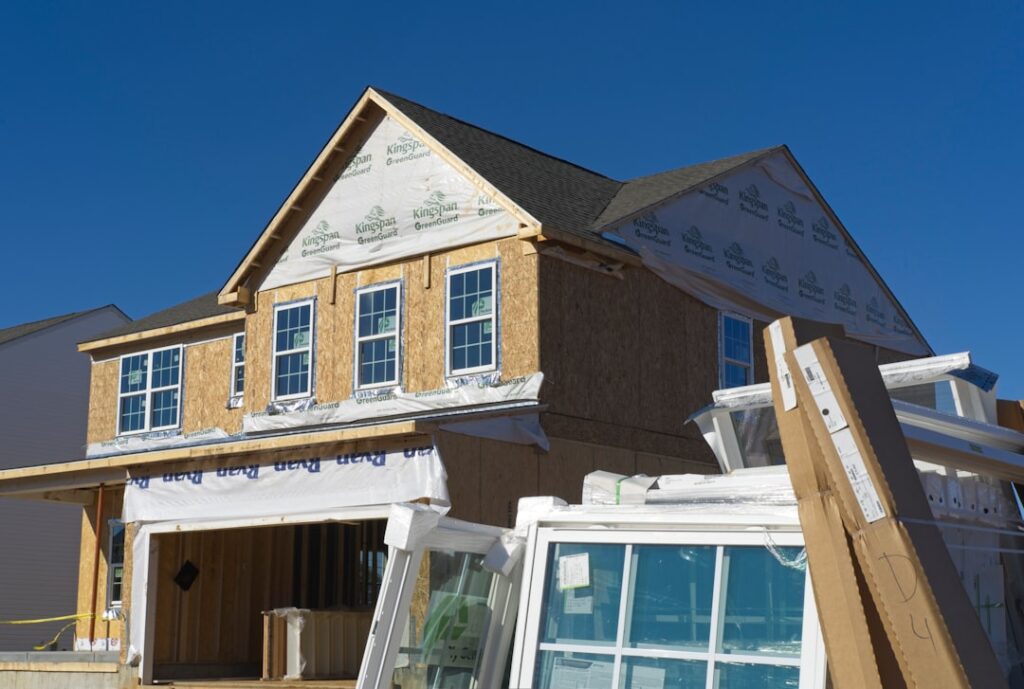
New house inspection cost typically runs $300-$500 in 2026, notably lower than the $400-$700 range for older existing homes. The price reduction reflects shorter inspection time because new systems do not yet show wear, but the lower cost does not mean lower value. New construction inspections regularly identify framing errors, missed insulation, plumbing connection mistakes, and electrical issues that builders miss or overlook. This guide covers what a new house inspection costs, what affects pricing, why the independent inspection matters even when the builder offers their own walkthrough, and how to use the inspection effectively in the closing process. Pricing varies by region, square footage, and inspector experience, and a few hundred dollars of variance is normal.
The Typical New House Inspection Cost Range in 2026
For a single-family new construction home under 2,500 square feet, expect to pay $300-$500 for a standard pre-closing inspection. Larger homes (2,500-4,000 square feet) push pricing to $450-$650, and luxury homes (4,000+ square feet) regularly run $600-$1,000. The pricing scales partly with inspection time and partly with the increased complexity of larger systems. A 1,500 square foot starter home takes 2-3 hours; a 4,000 square foot home takes 4-6 hours.
Regional variance is meaningful. Denver metro and Front Range pricing runs $375-$525 for a typical new home. Coastal California markets (San Francisco, Los Angeles) run $500-$800. Midwest and Southeast markets often run $275-$400. The hiring a home inspector pillar guide covers regional pricing variance in detail. The 2026 average home inspection bell curve guide shows how new construction sits at the lower end of the distribution.
Why New House Inspections Cost Less Than Older Homes
The pricing differential between new and existing home inspections reflects time on site. An inspector working through a 5-year-old home documents wear patterns, age-related issues, recent repairs, and minor deferred maintenance — all of which add observation time. The same inspector at a brand-new home sees clean systems, new appliances, and unweathered exterior surfaces. The inspection report is shorter because there is less to document, the time on site is shorter, and the inspector’s fee reflects both.
The cost reduction is typically 15-30 percent below an equivalent older home in the same market. A standard $500 inspection on a 1990s home might price at $375-$425 on the same-sized new construction. The reduction is real but not dramatic, because the inspector still walks every system, climbs into the attic, opens the electrical panel, and runs the appliances regardless of age.
Builder Walkthrough vs Independent Inspection
Builders typically offer a pre-closing walkthrough at no charge to the buyer. This walkthrough involves the builder’s superintendent or warranty representative walking the buyer through the home, demonstrating systems, and documenting any visible defects. The builder walkthrough is useful for the punch-list process but it is not an inspection in any meaningful sense. The builder has a conflict of interest — they are not going to flag their own construction errors aggressively, and the walkthrough is structured around buyer orientation rather than defect identification.
An independent inspection adds $300-$500 to the closing cost but produces a documented third-party assessment of construction quality. Inspectors regularly identify items the builder walkthrough missed: improperly installed flashing, missing insulation in difficult-to-reach areas, electrical connection errors, plumbing trap issues, HVAC duct leakage, roof penetration sealing problems, and grading defects that will cause future water intrusion. Most of these get fixed before closing if identified in time.
What’s Included in a New House Inspection
A standard new construction inspection follows the same scope as any home inspection: structural elements (foundation, framing visible from attic and crawlspace), exterior (siding, roofing, windows, doors, grading, drainage), interior (walls, ceilings, floors, doors, windows), plumbing (supply, drainage, water heater, fixtures), electrical (panel, outlets, switches, GFCI/AFCI testing), HVAC (heating, cooling, ductwork visible), insulation and ventilation (attic and accessible walls), and appliances (operation testing). The scope follows ASHI and InterNACHI Standards of Practice. ASHI Standards of Practice documents the inspection scope.
What’s Not Included
The standard inspection does not include septic systems (separate $150-$400 service if applicable), radon testing ($150-$250 add-on, recommended in Colorado Front Range), mold or air quality testing ($200-$800 if symptoms suggest), well water testing ($150-$300 if private well), pool/spa inspection ($150-$300 if applicable), or specialized engineering review for structural concerns. For new construction in radon-prone Front Range counties, the radon test add-on is essentially mandatory.
Pricing Factors Beyond Square Footage
Inspector experience and certification level affect pricing. An ASHI-certified inspector with 10+ years of experience typically charges 10-20 percent above newly licensed inspectors. Specialized credentials (InterNACHI Certified Master Inspector, ASHI Certified Inspector) command premium pricing. The market reality is that experienced inspectors find more issues, which is worth the premium for buyers who can afford it.
Geographic factors include travel time for rural properties (mileage charges of $0.65-$1.00 per mile outside the inspector’s standard service area), urgency surcharges for same-day or next-day inspections (10-25 percent premium), and weekend availability premiums (10-15 percent on Saturdays and Sundays). Standard weekday business-hours scheduling produces the lowest pricing.
Ancillary Services Pricing
For new construction in Colorado, ancillary services that commonly add to the base inspection include radon testing ($150-$250), sewer scope inspection ($150-$300), thermal imaging ($150-$300, useful for identifying missing insulation), and moisture meter survey (often included in base price but sometimes separately invoiced at $75-$150). Bundling these into a single service appointment typically saves 10-20 percent versus separate service calls.
Common Issues Found in New Construction Inspections
Despite being new, freshly built homes regularly show measurable defects. The most common new-construction issues include: missing or improperly installed attic insulation (32-40 percent of new homes have at least one area of compromised insulation), incomplete kitchen exhaust venting, plumbing trap deficiencies under sinks, electrical outlet wiring errors (improper grounding, reversed polarity), HVAC duct disconnects in attics, missing or unsealed roof penetrations (vent pipes, electrical mast), improperly installed flashing around windows and doors, and grading issues that direct water toward the foundation.
Each of these has remediation cost ranging from $50 (outlet rewiring) to $5,000+ (major flashing or grading correction). Identifying issues during the inspection window allows the builder to fix them at no charge to the buyer, which is the core economic argument for the independent inspection investment.
Confused by your home inspection report? Decode it free in plain English
Upload your inspector's PDF and get a plain-English summary, what actually matters, rough repair costs, and negotiation talking points. Educational only — not a professional re-inspection. Your file is analyzed and discarded, never stored.
Educational summary only. AI can be wrong and cost figures are rough estimates. This is not a professional re-inspection, appraisal, or legal/financial advice — confirm major items with your inspector or a licensed contractor.
Timing the Inspection in the Closing Process
Schedule the inspection 7-14 days before closing. This window allows enough time for the inspector to complete the report, for the buyer to review findings with the realtor, for the builder to address punch-list items, and for a brief re-inspection if major issues required correction. Scheduling too late (within 3-5 days of closing) creates pressure that can lead to overlooked defects or rushed remediation. Scheduling too early (more than 21 days) misses final construction details that get installed in the last week.
The Re-Inspection Question
If the original inspection identifies significant issues, a re-inspection after builder remediation costs $150-$250 typically. This second visit verifies that the builder actually fixed the documented problems rather than just claiming they did. Re-inspections are recommended when the original report flagged five or more material defects or any single defect requiring substantial work (roof, structure, electrical). For minor punch-list items, a re-inspection is often unnecessary because verification happens at closing walkthrough.
Builder-Provided Inspector vs Independent Inspector
Some builders offer to arrange an inspector for the buyer, sometimes at reduced or zero cost. This arrangement is a red flag. An inspector recommended and possibly paid by the builder faces conflict of interest. Independent inspectors selected by the buyer, ideally without builder involvement, deliver objective assessments. The $300-$500 cost is part of buyer-protective due diligence and should be controlled by the buyer.
The InterNACHI directory lists certified inspectors by service area and allows direct buyer selection without builder involvement. ASHI’s find-an-inspector tool serves the same function.
Negotiation Leverage From a New House Inspection
Inspection findings on new construction usually result in builder repairs rather than price negotiations because the new-construction sale price typically does not have negotiation room. Builders fix documented defects under their workmanship warranty rather than reducing price. This dynamic actually works in the buyer’s favor — fixes happen at zero additional cost. The inspection cost essentially buys the right to require defect remediation that the buyer otherwise might not have authority to request.
The 1-Year and 11-Month Inspection Follow-Up
Most builders offer a 1-year warranty on workmanship. Scheduling an 11-month follow-up inspection (priced separately at $200-$350) catches issues that have emerged during the first year of use, in time to file warranty claims before the 1-year deadline. The 11-month inspection is one of the most cost-effective inspections available because identified issues get repaired under warranty rather than at homeowner expense.
Regional Variance in New Construction Inspection Pricing
Denver Front Range markets show pricing in the $375-$525 range for typical new construction. Northern California pricing runs $500-$800. Florida markets run $300-$450. Texas markets run $350-$500. Pacific Northwest pricing runs $450-$650. The variance reflects local cost of living, inspector market saturation, and demand patterns. New construction velocity in the local market affects pricing — high-volume markets sometimes see more competitive inspector pricing.
What to Bring to a New Construction Inspection
Attending the inspection is recommended. Bring the builder’s punch list (if provided), a notebook and pen for capturing the inspector’s verbal observations, a phone for taking your own photos, and any specific concerns about the construction. Spending 2-3 hours walking the home with the inspector is the most educational time investment a new homeowner can make. The inspector explains how systems work, where shutoffs are located, and what maintenance the home will need.
What Sellers (Builders) Are Required to Disclose
New construction sellers (the builder) are typically not required to provide disclosure documents in the same format as resale sellers, but they are subject to consumer protection laws and contractor licensing requirements. Buyers should request the builder’s punch list, any known issues from the construction process, and information about subcontractors who worked on the home. The independent inspection effectively serves as the buyer’s primary information source about construction quality, since builder-provided documentation typically focuses on warranty terms rather than construction defects.
Common Hidden Costs in New Construction Inspections
Beyond the base inspection fee, new construction buyers often encounter several additional costs. Ancillary testing (radon, sewer scope, thermal imaging) adds $300-$800. Re-inspections after builder remediation add $150-$250. Specialized engineering review for unusual structural concerns adds $300-$1,500. Lead paint testing is rarely needed for new construction but radon is essentially mandatory in Front Range counties. Total realistic inspection-package cost for a Front Range new construction home with appropriate ancillaries lands at $550-$900.
The Inspector’s Role Beyond Inspection Day
A good new construction inspector serves the buyer beyond the inspection event itself. The report becomes the basis for builder communication during the closing process. Some inspectors offer phone consultation if the buyer encounters questions during the closing negotiation. Some offer reduced-rate consultation calls if issues emerge in the first year, ahead of the 11-month inspection. This ongoing relationship adds value beyond the inspection fee and is worth considering when selecting an inspector for new construction work.
Why Production Builders Get Inspected More Carefully
National production builders construct hundreds or thousands of homes annually using standardized plans and large subcontractor pools. Quality varies across subcontractor crews, time of year, and supervision intensity. The same builder model can produce a great home in one community and a defect-ridden home in another. Independent inspections on production-builder homes regularly identify subcontractor variations that the builder’s own quality assurance missed. Custom and regional builders typically have tighter quality control because the volume is lower; production builders benefit disproportionately from buyer-paid independent inspection.
References
- ASHI Standards of Practice — American Society of Home Inspectors
- InterNACHI Certified Inspector Directory — InterNACHI
- International Code Council Building Standards — ICC
Front Range buyers planning a new construction purchase can connect with a vetted local inspector through our contact page for pre-closing inspection scheduling.