Mold Soray: What Homeowners Need to Know
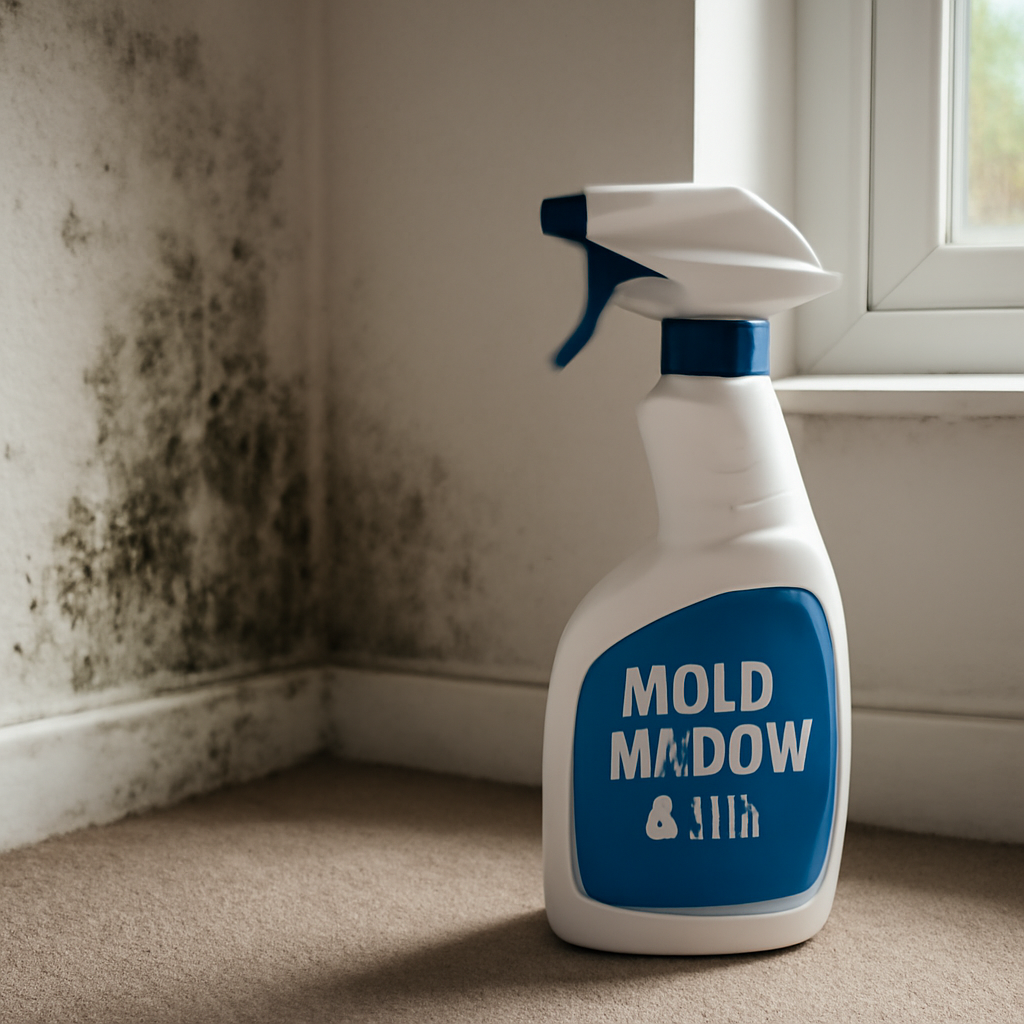
If you typed mold soray into a search bar, you almost certainly meant mold spray, and this guide answers exactly that question. A mold spray is a liquid cleaner you apply to a moldy surface to loosen and reduce visible growth, sometimes with an active ingredient meant to kill spores on contact. The product is useful for small jobs, but its effectiveness depends heavily on the material you are spraying. This guide summarizes EPA and CDC guidance current as of 2026 and is not medical advice; consult a physician for symptoms and a certified professional for testing or large removals.
Part of our Types of Mold guide — start there for the full picture →
Is this mold, asbestos, or water damage? Get a free instant screen
Upload a clear photo of the suspect area. You'll get an instant AI screening opinion and what to do next. This is screening guidance, not a professional determination.
Screening guidance only. AI can be wrong. Confirm asbestos, mold type, or lead with lab testing or a licensed professional before acting.
What a mold spray is and is not
A mold spray is a surface treatment. It wets the moldy area so you can wipe the growth away, and many formulas add a biocide intended to kill spores. What it is not is a permanent cure. The EPA is direct on this point: applying a chemical to mold does not address the moisture that grew it, and as long as the surface stays damp, the mold returns.
The killing claim also gets oversold. The EPA notes that dead mold can still cause allergic reactions, so the real goal is physical removal, not just a chemical kill. A spray helps you remove growth more easily; it does not replace the scrubbing, rinsing, and drying that actually clear the surface.
The porous versus non-porous divide
The single most useful thing to understand before spraying is whether your surface is porous. This one distinction predicts whether a spray will work.
Non-porous surfaces
Tile, glass, glazed ceramic, metal, sealed countertops, and finished plastics do not absorb water or mold filaments. The active ingredient stays on top where it can act, and you can scrub and rinse the surface clean. These are the surfaces where a mold spray reliably works.
Porous surfaces
Drywall paper, bare wood, ceiling tiles, carpet, fabric, and grout absorb moisture, and mold roots deep into them. A spray can lighten the surface stain, but the colony living inside the material survives. The EPA recommends removing and replacing porous materials that are visibly moldy rather than trying to spray them clean. Spending money spraying carpet or drywall paper usually buys a cosmetic improvement and little else.
Common spray formulas and their trade-offs
Mold sprays are built on a few active ingredients, each with a distinct profile.
Chlorine bleach lightens stains and disinfects hard surfaces quickly, but it fumes, corrodes metal, and is useless on porous materials. Hydrogen peroxide is gentler, leaves no chlorine residue, and works on many painted surfaces and fabrics. Quaternary ammonium products leave a residual antimicrobial film that slows regrowth in damp rooms. Botanical sprays based on thyme oil or other plant extracts are low-toxicity options for light growth, though slower and weaker on heavy staining.
One rule overrides formula preference: never mix a bleach spray with an ammonia-based cleaner. The CDC warns the combination releases toxic chloramine gas. Use one product at a time. Our overview of how mold removal sprays differ and what each is for compares these chemistries in more depth.
How to use a mold spray safely
Technique matters as much as product choice. Start by ventilating: open a window and run a fan so fumes and disturbed spores move outside. The CDC recommends ventilation and protective gear for mold cleanup, so wear an N95 respirator, gloves, and eye protection.
Apply the spray until the surface is wet, then leave it for the dwell time the label specifies. That contact period is what lets an antimicrobial work, and wiping immediately wastes it. Scrub the surface, rinse non-porous materials with clean water, and dry the area completely with fans. Residual dampness is the top reason mold returns after a cleaning.
Do not paint over a surface that is still moldy or damp. Coatings, even mold-resistant ones, trap growth underneath rather than stopping it.
The moisture problem behind the mold
Mold is a moisture story. Spraying the visible patch handles the symptom while the cause keeps working. Before calling the job finished, find the water source. Typical culprits include a hidden plumbing leak, condensation on cold walls or windows, a roof leak, or a room with chronic high humidity and poor ventilation.
If you keep spraying the same spot and the mold keeps coming back, the spray is not defective. The moisture is unresolved. The homeowner hub on mold inspection and testing explains how professionals locate hidden moisture sources a spray can never reach, and our guide to preventing mold from returning at home covers the humidity habits that keep cleaned surfaces clear.
When a spray is the wrong tool
A mold spray suits small, surface-level growth. The EPA’s general benchmark is that homeowners can usually manage areas smaller than about 10 square feet, and that larger jobs call for professional remediation.
Skip the spray and hire help when the moldy area is large, when growth has spread into wall cavities, insulation, or framing, when the water came from sewage or flooding, when a strong musty smell persists with no visible source, or when someone in the home has asthma, allergies, or a weakened immune system. Spraying a big infestation without containment can scatter spores through the house. Professionals use containment, HEPA filtration, and proper disposal that a household bottle cannot match.
Reading the label before you buy
An EPA registration number signals a product reviewed for antimicrobial claims, with vetted directions and precautions; products without one are stain removers rather than disinfectants. Check which surfaces the label approves so you do not apply a corrosive formula to a material it will damage, and note the dwell time so you know how long to leave it on. A minute of label reading prevents most disappointing results.
The precautionary statements matter as much as the claims. They reveal how much ventilation the product needs and what protective gear the manufacturer expects, which together signal how strong the formula is. A spray that warns against use in poorly ventilated rooms will be uncomfortable in a small bathroom, and one that requires gloves and eye protection is potent enough to handle carefully. On a vertical surface, a thicker foam or gel clings longer than a thin liquid, giving the active ingredient the contact time it needs before running off.
Common mistakes when using a mold spray
A handful of habits undermine an otherwise capable spray. Spraying a dry, dusty moldy surface releases spores into the air, so a light initial mist to keep them down is worth the extra step. Wiping immediately after applying skips the dwell time, leaving living spores behind even though the surface looks clean. Applying a spray to a surface still wet from an active leak treats the symptom while the cause keeps feeding new growth. And escalating to a stronger product when a stain keeps returning misreads the situation, since the usual cause is unresolved moisture rather than weak chemistry.
Using a single spray for every job is another frequent error. An indoor spray is formulated differently from an outdoor concentrate, and using one in the other setting wastes product or risks damage. Matching the spray to the surface and the room, then following the directions, prevents most disappointing outcomes and avoids a second trip to the store for the right product.
Keeping the surface clear afterward
Cleaning is only half the work; keeping conditions dry is what makes it last. Run exhaust fans during showers and cooking, open windows when the weather allows, and keep relative humidity below roughly 50 percent in damp spaces with a dehumidifier. Dry spills and condensation quickly, since mold can begin growing on a wet surface within a day or two. Wiping high-risk areas like shower walls and window sills during routine cleaning removes mildew while it is still a light film.
Periodic checks pay off. After heavy rain, snowmelt, or plumbing work, glance at spots that have grown mold before, because those events can reintroduce moisture. A surface that stays clear for months after a thorough spray and a moisture fix confirms the problem was solved at its source. If growth returns quickly, that is the cue to look harder at where the water is coming from rather than to buy a different spray.
Why mold keeps coming back after spraying
The most common frustration with a mold spray is a stain that returns within weeks. The cause is almost never a weak product. Mold grows wherever moisture and an organic food source meet, and a spray addresses neither. If the surface keeps getting damp from a leak, condensation, or high humidity, new growth simply re-establishes on the same spot, often using the faint residue and surface texture left behind.
Breaking the cycle means treating the spray as one step in a larger fix. After cleaning, find and resolve the water source, dry the area fully, and improve ventilation so the surface does not stay damp. Only then does the spray’s work hold. Homeowners who escalate to stronger and stronger products without fixing the moisture usually end up re-cleaning the same patch indefinitely, which is the clearest sign the problem is moisture rather than chemistry.
DIY mixes versus store-bought sprays
Many homeowners wonder whether a homemade solution works as well as a store spray. For light surface growth on a hard, non-porous surface, simple options like diluted hydrogen peroxide or a detergent-and-water scrub are inexpensive and effective. They lack the residual antimicrobial film of some commercial products and the reviewed claims of an EPA-registered disinfectant, but for a small cosmetic job they are reasonable. A store spray earns its place when you want verified disinfecting power, residual protection in a damp room, or a formula matched to a tricky surface.
Neither route overcomes the two fundamental limits. A DIY mix cannot reach mold embedded in porous materials any more than a commercial spray can, and neither one controls the moisture that grows mold. The choice between homemade and store-bought is about convenience and assurance, not about which finally cures the problem. One safety note applies to both: never combine cleaning products, and in particular never mix bleach with ammonia, since the result is toxic chloramine gas.
Realistic expectations for a mold spray
Setting expectations before you spray prevents frustration. On an appropriate surface, a spray will lighten and disinfect surface growth, and a residual product will slow its return in a damp room. It will not penetrate porous materials, will not fix the underlying moisture, and will not by itself remove the dead residue that can still trigger allergies. Those tasks belong to physical scrubbing, material replacement when needed, and moisture control.
Understanding this keeps the hunt for a perfect spray from becoming endless. The product matters less than the surface, the technique, and the moisture fix behind it. A modest spray used correctly on a dry, non-porous surface beats the strongest product used on a still-damp porous one. The honest measure of success is whether the surface stays clean weeks later, not whether the stain vanished the day you sprayed.
References
- Mold Cleanup in Your Home — U.S. Environmental Protection Agency
- Mold Cleanup and Remediation — Centers for Disease Control and Prevention
- A Brief Guide to Mold, Moisture and Your Home — U.S. Environmental Protection Agency
Frequently asked questions
Did I mean mold spray when I searched mold soray?
Almost certainly. Mold soray is a common misspelling of mold spray, the liquid cleaner used to treat moldy surfaces. This guide covers how a mold spray works, where it fails, and how to use it safely.
Does a mold spray kill mold for good?
No. A spray can kill spores on a hard surface, but the EPA stresses that mold returns unless the moisture source is fixed. Dead mold can still cause allergic reactions, so physical removal matters more than the chemical kill.
Can a mold spray clean carpet or drywall?
Not reliably. These materials are porous, and mold roots inside them. A spray may lighten the stain, but the EPA recommends replacing visibly moldy porous materials instead.
How big a mold problem can I spray myself?
The EPA suggests homeowners can usually handle moldy areas under about 10 square feet. Larger growth, mold inside walls, or contaminated water calls for professional remediation.
Front Range homeowners who keep re-spraying the same mold spot often have a hidden moisture issue worth investigating. You can reach a vetted local inspector through our contact page to find out what is feeding the growth.