Mold Remediation Certification: What It Means
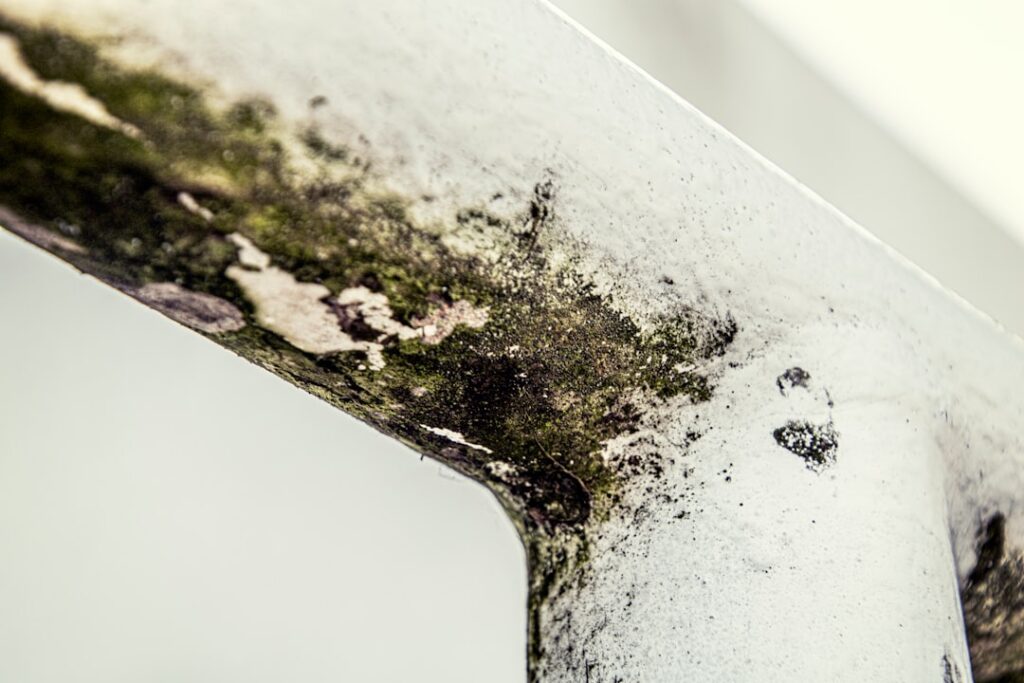
When mold shows up behind a baseboard or across a basement ceiling, the contractors who answer the phone often lead with their credentials. Understanding what a mold remediation certification actually proves helps Front Range homeowners separate a trained crew from a pressure-washing operation with a new sign. This guide summarizes EPA, CDC, and trade-body guidance current as of 2026 and explains how the major credentials differ. It is general information, not a substitute for an on-site evaluation by a qualified professional or medical advice for symptoms.
Part of our How to Become a Home Inspector guide — start there for the full picture →
Is this mold, asbestos, or water damage? Get a free instant screen
Upload a clear photo of the suspect area. You'll get an instant AI screening opinion and what to do next. This is screening guidance, not a professional determination.
Screening guidance only. AI can be wrong. Confirm asbestos, mold type, or lead with lab testing or a licensed professional before acting.
What a mold remediation certification actually means
A mold remediation certification is a credential issued by a training body confirming that a technician or firm has completed coursework, passed an exam, and agreed to follow a written standard of practice. It is not a government license in most states. Colorado, for example, does not run a statewide mold contractor licensing program, so the certification a company holds carries most of the weight a buyer can verify.
The credential signals three things. First, the holder learned containment and air-management methods rather than improvising. Second, they follow a published protocol such as the IICRC S520 standard. Third, the issuing body can revoke the credential for violations, which gives it teeth. None of that guarantees a flawless job, but it raises the floor. Homeowners researching the broader topic can start with the site’s mold inspection and testing hub before they call anyone.
The certifications that matter most
A handful of credentials dominate the residential market. Knowing the acronyms keeps a sales pitch honest.
IICRC certifications
The Institute of Inspection, Cleaning and Restoration Certification issues the most widely recognized remediation credentials. The Applied Microbial Remediation Technician (AMRT) covers mold cleanup specifically, while the Water Damage Restoration Technician (WRT) covers the drying work that prevents mold in the first place. The IICRC S520 document is the reference standard most insurers and litigators cite, and it is updated periodically. A firm that says it “follows S520” should be able to name the technicians who hold the AMRT.
Manufacturer and association programs
Groups such as the National Organization of Remediators and Mold Inspectors (NORMI) and the American Council for Accredited Certification (ACAC) issue their own credentials, including the Council-certified Microbial Remediator. These programs vary in rigor. ACAC, for instance, requires documented field experience and a proctored exam, which makes its certificants easier to trust than a one-day online certificate.
Inspector versus remediator
The person who tests for mold and the person who removes it should ideally be different parties to avoid a conflict of interest. A combined inspection-and-removal pitch is not automatically wrong, but it deserves scrutiny, because the party that diagnoses the problem also profits from treating it. The cleanest arrangement uses an independent assessor for the inspection and clearance test and a separately certified crew for the removal. Readers weighing that arrangement can review how the two roles fit together in our explainer on mold inspection and removal.
Why certification matters for a safe, lasting result
Mold is a biological problem, and disturbing a colony without containment spreads spores through the home’s air. The EPA’s guidance on mold cleanup stresses controlling moisture and isolating the work area, two things a certified technician is trained to do. A crew that skips negative-air containment can leave a house dirtier than they found it.
Certification also matters when money and liability enter the picture. Insurance adjusters frequently ask for documentation that the remediation followed a recognized standard. A post-remediation clearance test performed by an independent party carries far more weight when the removal crew worked to S520. If a sale or claim is involved, that paper trail can be the difference between reimbursement and a denied claim.
Health is the third reason. The CDC notes that people with asthma, allergies, or weakened immune systems can react strongly to mold exposure. A trained remediator limits how much airborne material the household breathes during the work, which is exactly when exposure tends to spike. That is a meaningful safeguard, not a marketing line.
Certification versus experience
A credential and real-world experience are not the same thing, and the best contractors have both. A newly certified technician knows the standard but may have remediated few homes; a veteran with decades of jobs may have let a certification lapse. Neither extreme is ideal. The certification confirms a baseline of correct method, while experience shows the firm has handled the surprises that real homes produce, such as mold hidden deeper than expected or a moisture source in an unexpected place.
When weighing two firms, look for current certification paired with a track record of recent local jobs. Ask how many similar projects the company completed in the past year and whether the certified technician will personally be on site or merely supervising from the office. A common gap is a firm that markets the owner’s credential while sending uncertified crews to do the actual work. Confirming who will physically perform the remediation, and that they are trained, closes that gap.
How to verify a contractor’s credentials
Verification takes a few minutes and protects against fake claims. Start by asking which specific certification the individual technicians hold, not just the company. A firm can advertise that it is “IICRC certified” when only the owner ever sat the exam.
- Ask for the certificant’s name and certification number, then check the issuing body’s online registry. The IICRC and ACAC both maintain searchable databases.
- Confirm the credential is current. Certifications lapse and require continuing education to renew.
- Request proof of liability insurance and, where applicable, workers’ compensation coverage. A mold job that damages a structure or injures a worker can otherwise land on the homeowner.
- Ask whether the same company is also doing the clearance testing. If so, push for an independent test.
Front Range buyers should also ask about local references. A contractor working across Denver, Jefferson, and Douglas counties should be able to name recent residential jobs. Homeowners who want a structured way to compare firms can use the approach outlined in our guide to choosing a black mold cleaning company.
The training behind the credential
Understanding what a certified technician actually learned makes the credential less abstract. A reputable mold-remediation course covers the biology of mold growth, the conditions that feed it, and why moisture control sits at the center of every job. It teaches containment engineering: how to build a sealed work area, establish negative air pressure with HEPA-filtered machines, and create decontamination zones so workers do not track spores out. It covers personal protective equipment selection, the safe removal and disposal of contaminated materials, and the cleaning methods appropriate to different surfaces.
Crucially, the better programs teach the written standard of practice, most often the IICRC S520, which describes the principles a remediation should follow and the conditions that define success. A technician who has internalized that document approaches a job as a repeatable process rather than improvisation. The exam at the end is meant to confirm the technician can apply those principles, and the continuing-education requirement for renewal keeps the knowledge current as methods and standards evolve. None of this guarantees diligence on a given day, but it means the person on site has a framework to work from.
How certification interacts with state rules
The regulatory picture varies sharply by state, which is why certification carries different weight depending on where a homeowner lives. A handful of states, such as Texas and Florida, do license mold contractors and assessors and impose their own training and insurance requirements. In those states, the state license is the baseline and certification layers on top. Most states, including Colorado, have no such program, so the private certification is the primary credential a homeowner can verify, and the absence of a state license is normal rather than a red flag. What stays constant everywhere is the value of confirming the individual technician’s certification, insurance, and references, because those checks do not depend on a state program existing.
What certification does not cover
A credential confirms training, not honesty or outcome. Three gaps are worth naming. A certified technician can still cut corners on a given job if no one inspects the result. Certification rarely addresses the root moisture problem, which is a plumbing, grading, or ventilation issue that belongs to other trades. And the credential says nothing about price, so two certified firms can quote wildly different numbers for the same scope.
This is why an independent post-remediation verification matters more than the logo on the truck. The most reliable sequence is an independent assessment, a documented removal by a certified crew, and a separate clearance test confirming the work succeeded.
A certification also says little about the company’s business practices, such as whether it provides a detailed written scope, honors warranties, or responds when a problem recurs. Two firms with identical credentials can differ enormously in professionalism. References from recent local jobs, a clear written contract, and a willingness to explain the scope in plain language reveal more about how a job will go than the credential alone. Treating certification as a necessary first filter rather than the final answer keeps a homeowner’s expectations realistic.
When to call a professional
The EPA suggests that homeowners can often handle mold covering less than about 10 square feet themselves, provided the underlying moisture is fixed and protective equipment is used. Larger areas, mold inside HVAC systems, contamination from sewage, or any situation involving an occupant with respiratory illness call for a certified professional. If the affected material is structural or hidden behind finished surfaces, professional containment is the safer choice.
For Front Range homeowners, the seasonal freeze-thaw cycle and basement humidity make recurring mold a common problem, so confirming credentials before a contractor disturbs anything is time well spent.
Verifying a credential is also far cheaper than the consequences of skipping it. An uncertified crew that spreads spores while removing mold, or that cleans the visible growth without addressing the moisture, can leave a home dirtier and the problem unsolved, forcing a second, larger remediation. The few minutes spent checking a registry and asking for proof of insurance are trivial against that risk, which is why treating certification as a baseline filter is sensible even though the credential alone does not guarantee a perfect job.
Questions to ask a certified contractor
A short list of questions separates a confident, well-run firm from one hoping you will not probe. Asking them costs nothing and the answers are revealing.
- Which technicians on my job hold a mold-remediation certification, and what is the certification number? Confirm the named individual, not just the company.
- Will you provide a written scope of work describing containment, what will be removed, and how the area will be dried?
- How will you establish containment and negative air pressure, and how will you protect the rest of the home’s air?
- Who performs the clearance test, and is that party independent of your firm?
- What is your plan to identify and correct the moisture source, not just the visible mold?
- Can you provide proof of liability insurance and recent local references?
A contractor who answers these clearly and without defensiveness is demonstrating the same discipline the certification is meant to instill. Hesitation, vague answers, or pressure to skip the independent clearance test are signals to keep looking. The credential opens the conversation; the answers to these questions decide whether the firm earns the work. Homeowners weighing several firms can apply the same logic from our broader guide on choosing a residential mold removal service.
References
- Mold Cleanup in Your Home — U.S. Environmental Protection Agency
- About Mold and Health — Centers for Disease Control and Prevention
- Mold and Health Research — National Institute of Environmental Health Sciences
- Mold and Indoor Air Quality — American Lung Association
Frequently asked questions
Is a mold remediation certification a legal license?
In most states, including Colorado, it is a private credential rather than a government license. Colorado does not run a statewide mold contractor licensing program, so the certification a firm holds is the main thing a homeowner can independently verify.
Which mold remediation certification is most respected?
The IICRC's Applied Microbial Remediation Technician credential and ACAC's Council-certified Microbial Remediator are widely recognized. Both require an exam, and ACAC also requires documented field experience.
Can the same company test for mold and remove it?
It can, but doing both creates a conflict of interest. An independent clearance test after the removal gives a more trustworthy confirmation that the work actually succeeded.
How do I check if a certification is real?
Ask for the technician's name and certification number, then search the issuing body's online registry. The IICRC and ACAC both keep searchable databases, and you can confirm the credential is current and not lapsed.
If mold has surfaced in your Denver-metro or Front Range home and you want a connection to a vetted local inspector before hiring a remediation crew, reach out through our contact page for a referral.