Mold Inspection Georgetown SC: A Coastal Heritage Guide
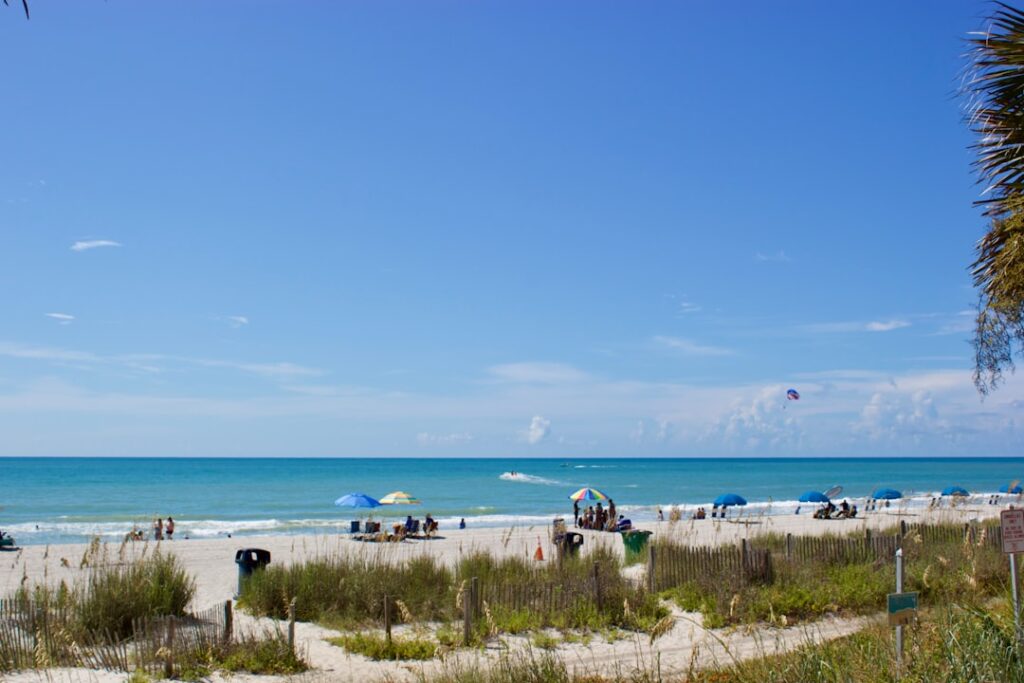
Georgetown County stretches along the South Carolina coast from the Waccamaw Neck through the Santee River delta, with the historic communities of Pawleys Island, Murrells Inlet, and Georgetown itself. The subtropical maritime climate delivers year-round humidity above 70 percent, intense summer thunderstorms, and seasonal hurricane risk. Combined with a housing stock that includes pre-1900 raised cottages, mid-century beach houses, and modern stucco-on-block construction, the region produces one of the more layered mold-risk profiles in the Carolinas. InspectandTest’s service area is the Colorado Front Range. The principles in this guide apply nationally, but readers in Georgetown County should look for ASHI/InterNACHI-certified local inspectors. This guide summarizes EPA and CDC guidance current as of 2026.
Part of our Mold Testing & Inspection guide — start there for the full picture →
Is this mold, asbestos, or water damage? Get a free instant screen
Upload a clear photo of the suspect area. You'll get an instant AI screening opinion and what to do next. This is screening guidance, not a professional determination.
Screening guidance only. AI can be wrong. Confirm asbestos, mold type, or lead with lab testing or a licensed professional before acting.
What a Georgetown County Mold Inspection Covers
A residential mold inspection in Georgetown County is a structured visual and instrument-aided assessment of moisture, ventilation, HVAC condition, and observable fungal growth. The inspector takes moisture meter readings across drywall, baseboards, plaster (in older homes), and subfloor materials, uses an infrared camera to identify thermal anomalies, and photographs each colony. When laboratory confirmation is warranted, air cassettes and surface samples go to an AIHA-LAP accredited lab.
Georgetown County inspections give heavy attention to elevated raised-cottage crawl spaces, HVAC air handler condensate systems, post-hurricane recovery zones, and wood-shake or wood-shingle roof systems on heritage homes. A typical inspection runs two to three hours for modern construction and four to five hours for historic raised cottages with multi-zone crawl space access. EPA guidance is consistent: visible mold rarely requires species identification before remediation, because the response is the same regardless of genus.
Why Georgetown’s Coastal Climate Drives Year-Round Mold
Annual rainfall in Georgetown County averages 53 inches with dew points routinely above 70 degrees Fahrenheit from May through October. The CDC associates sustained indoor relative humidity above 60 percent with mold growth, and coastal HVAC systems must work continuously to keep indoor humidity below that threshold. Salt-laden air accelerates corrosion of HVAC coils and refrigeration components, shortening service life and increasing condensate-system failures.
Hurricane and tropical storm exposure adds episodic catastrophic moisture loading. Storms such as Florence in 2018 and Ian in 2022 produced wind-driven rain that entered wall assemblies through compromised flashing, roof transitions, and elevated-house perimeter sealing. The InspectandTest mold inspection knowledge hub covers the building science of humidity control and post-storm drying.
Common Mold Locations in Georgetown County Homes
Inspectors describe a recognizable pattern across local housing.
Raised Cottage Crawl Spaces
Historic Pawleys Island and Hagley Estates cottages are elevated on brick or concrete piers to clear coastal flood levels. The vented crawl space catches humid coastal air all summer, and floor joist mold develops on the underside of subfloors. Modern remediation strategies include sealed-and-conditioned crawl space encapsulation, though heritage districts may restrict visible exterior changes.
HVAC Air Handler Mold
Coastal HVAC systems run continuously to dehumidify indoor air. Condensate drain clogs back water into air handler closets, fueling drywall mold. Salt-air coil corrosion adds a secondary failure pathway. Inspectors find this pattern in roughly one in three Georgetown County homes built between 1990 and 2010.
Wood-Shingle Roof Mold
Some heritage homes retain wood-shake or wood-shingle roofs. While not inherently mold-prone, aging shake systems lose their water-shedding capacity, and saturated decking below develops sheathing mold. Inspectors examine ceiling stains beneath shake roofs particularly carefully.
How to Vet a Georgetown County Mold Inspector
South Carolina does not maintain a state mold inspector license, though Department of Labor, Licensing and Regulation rules govern residential contractors performing remediation. Credentialing for inspectors rests on trade associations and certification bodies. Look for ASHI or InterNACHI membership plus ACAC certifications such as Council-certified Microbial Investigator (CMI) or Council-certified Indoor Environmental Consultant (CIEC). Verify the laboratory is AIHA-LAP accredited and the inspector carries errors-and-omissions insurance.
A reasonable Georgetown County visual inspection runs $325 to $525 for a typical single-family home. Historic raised cottages with extensive crawl space access typically run $475 to $750. Air samples cost $40 to $100 each.
Sampling Methods Used in Georgetown County Inspections
Air cassettes, surface tape lifts, and cavity sampling dominate. Lab turnaround is five to seven business days. EPA cautions that no federal threshold defines safe or unsafe airborne spore counts. Interpretation rests on indoor-to-outdoor ratios, dominant genera, and the presence of marker species relative to the outdoor baseline. In coastal South Carolina, outdoor control samples taken during winter winter dry-weather conditions differ dramatically from those collected during humid summer afternoons. Inspectors should time sampling to match the indoor conditions of concern.
Post-Hurricane Mold Inspection Timing
The EPA’s drying window is 48 to 72 hours from initial water intrusion. After that, mold colonization begins. Georgetown County recovery often pushes that window because power outages, debris-clearing demands, and contractor backlog delay drying. A typical post-storm sequence runs: water intrusion event, emergency tarping within 24 hours, drying equipment deployed within 72 hours, formal mold assessment within two weeks, remediation execution within four to eight weeks, and clearance assessment immediately after remediation.
Homeowners should photograph water intrusion within 24 hours, contact their insurer promptly, and engage a credentialed mold inspector before any extensive drying or remediation begins. Pre-mitigation documentation often determines insurance claim acceptance. The mold clearance testing guide explains what post-remediation verification should look like.
When Remediation Becomes Necessary
EPA guidance recommends professional remediation when contiguous mold exceeds roughly 10 square feet, when HVAC contamination is documented, or when sewage or chronic plumbing leaks are involved. Below that threshold, careful homeowner cleaning of hard surfaces with detergent and water is acceptable, though porous materials such as drywall and insulation usually need replacement.
Remediation contractors should follow IICRC S520 for containment, negative air pressure, and HEPA filtration. Independent post-remediation clearance testing performed by the original inspector rather than the remediation firm provides defensible verification.
Realistic 2026 Cost Ranges in Georgetown County
Visual mold inspections run $325 to $525 for modern construction, $475 to $750 for heritage raised cottages. Air samples cost $40 to $100 each. Cavity sampling adds $70 to $130 per location. Crawl space encapsulation, when warranted, ranges from $4,000 for a small cottage to $15,000 or more for larger properties. Air handler decontamination ranges from $2,500 to $7,500. Hurricane recovery remediation involving multiple wall cavities can reach $25,000 or more. South Carolina homeowner insurance typically excludes long-term seepage but may cover sudden-loss mold, with sub-limits often between $5,000 and $25,000.
National Standards That Apply to Any Georgetown Inspector
South Carolina does not maintain a state mold inspector license, which makes the national framework the binding reference for what defensible inspection and remediation actually look like. IICRC S520, published by the Institute of Inspection, Cleaning and Restoration Certification, is the ANSI-approved standard for professional mold remediation. The document specifies containment construction methods, negative air pressure requirements, HEPA filtration ratings, worker respiratory protection, and post-remediation verification methodology. A Georgetown County remediation contractor unfamiliar with S520 by name and substance is operating outside the industry framework. Homeowners can request the contractor’s S520 reference page during proposal review and verify that the stated scope of work matches its containment and verification provisions.
Laboratory accreditation forms the second universal benchmark. Environmental microbiology samples should be analyzed by an AIHA-LAP accredited laboratory, the Industrial Hygiene Laboratory Accreditation Program operated by the American Industrial Hygiene Association. AIHA-LAP accreditation requires participation in proficiency testing rounds, documented quality control procedures, and periodic on-site assessments by external auditors. NVLAP, the National Voluntary Laboratory Accreditation Program operated by the National Institute of Standards and Technology, accredits laboratories analyzing bulk materials. Asking the prospective Georgetown inspector which laboratory analyzes their samples, then verifying current AIHA-LAP listing on the lab’s published credentials page, is a five-minute due-diligence step that filters out substandard providers.
Chain-of-custody documentation closes the evidentiary loop on every sample collected during a Georgetown County inspection. Each sample should carry a chain-of-custody form documenting the collector’s name and signature, the unique sample identifier, the collection date and time, the property address and specific location within it, the courier transporting the sample to the lab, and the lab receiver’s signature on intake. Reports referencing samples without chain-of-custody paperwork carry diminished evidentiary weight in disputes with sellers, buyers, insurance carriers, or remediation contractors. Georgetown homeowners pursuing inspections in real-estate transactions or hurricane-related insurance claims should require chain-of-custody copies as part of the deliverable.
References
- EPA Mold Cleanup in Your Home — U.S. Environmental Protection Agency
- CDC Basic Facts About Mold and Dampness — Centers for Disease Control and Prevention
- InterNACHI Mold Inspection Standards — International Association of Certified Home Inspectors
- American Lung Association Indoor Mold — American Lung Association
Frequently asked questions
Does South Carolina license mold inspectors?
South Carolina does not maintain a state mold inspector license. Homeowners should look for ASHI or InterNACHI membership plus ACAC credentials such as CMI or CIEC, and verify the laboratory is AIHA-LAP accredited. South Carolina Department of Labor, Licensing and Regulation governs residential remediation contractors.
Why are Pawleys Island raised cottages mold-prone?
Elevated piers create a vented crawl space that catches humid coastal air all summer. Floor joists and subfloor decking develop mold on the underside. Encapsulation with a sealed vapor barrier and dehumidifier addresses the root cause, though heritage districts may restrict exterior changes.
How much does a Georgetown County mold inspection cost in 2026?
Modern construction runs $325 to $525 for a visual inspection. Heritage raised cottages with crawl space access typically run $475 to $750. Air samples cost $40 to $100 per cassette. Post-hurricane assessments add scope and cost.
How fast should I file a Carolina hurricane mold claim?
Within the first two weeks. Insurers may dispute causation if mold documentation emerges weeks after the initial water intrusion. Engage a credentialed mold inspector promptly to document conditions and establish the timeline between the covered loss and mold development.
Georgetown County readers searching for a vetted inspector should start with the InterNACHI or ASHI directories. Front Range buyers relocating from the Carolinas can reach out through our contact page for a Colorado inspector connection.