Home Inspection Landrum SC: A Buyer’s Guide
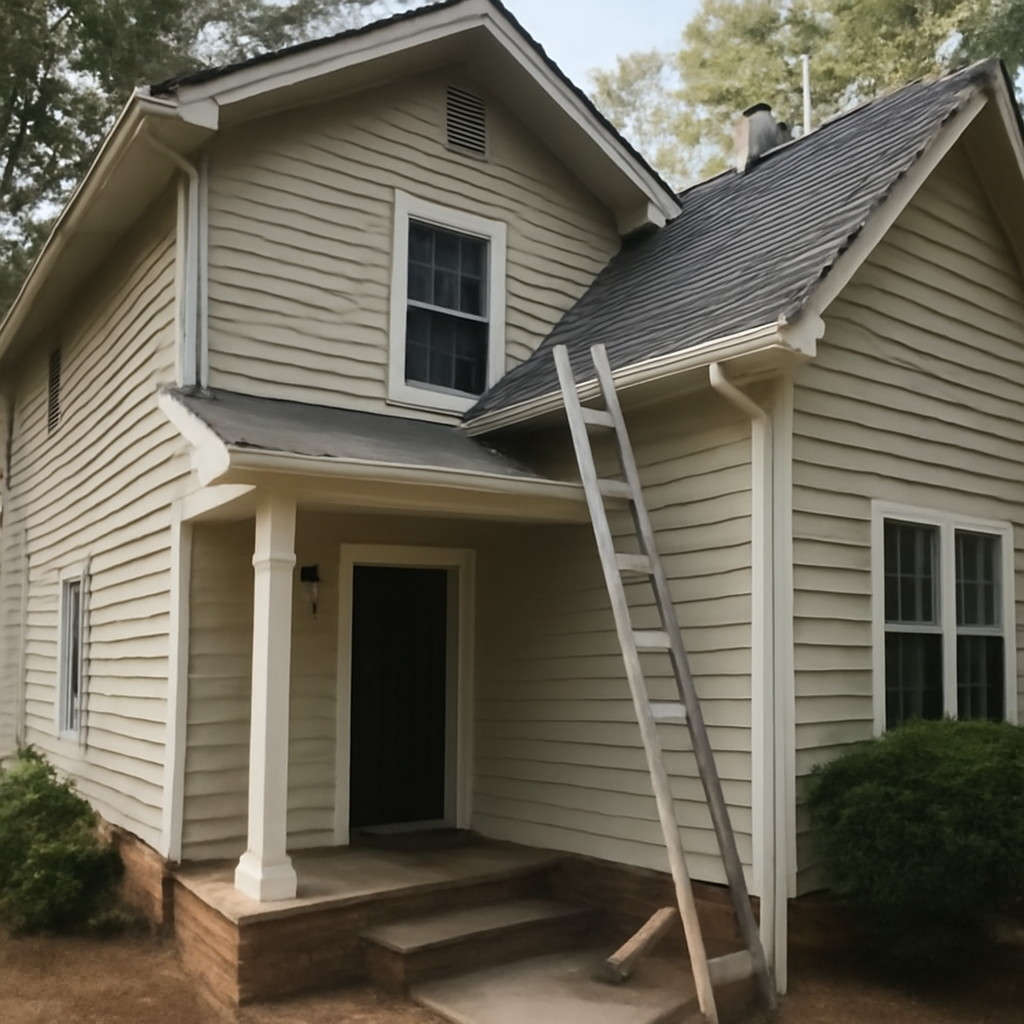
Landrum sits in the foothills of the Blue Ridge in upstate South Carolina, where rolling pastureland, equestrian estates, and small-town homes share the same zip code. The mix of property types makes the area distinctive, and it shapes what a careful inspection needs to cover. A reliable home inspection Landrum SC buyers can trust looks beyond the house itself to wells, septic systems, outbuildings, and the land around them. This guide explains what local inspectors examine, how South Carolina licensing works, what inspections cost, and how to choose an inspector who understands rural and foothills properties.
Part of our Home Inspections Explained guide — start there for the full picture →
Why Home Inspections Matter in Landrum
An inspection gives a buyer an independent, documented assessment of a property’s condition before closing. In a market like Landrum, where homes range from cottages in town to sprawling horse farms on acreage, the stakes vary widely but the principle holds: you want to know what you are buying before the money changes hands. The written report becomes your basis for negotiating repairs or reconsidering the deal.
Rural and semi-rural properties carry risks that a city buyer might never consider. Private wells supply drinking water, septic systems handle waste, and gravel drives and culverts manage drainage across slopes. Each of these is a system that can fail expensively, and none is part of a municipal network someone else maintains. An inspection that ignores them leaves a buyer exposed to surprises that surface months after closing.
The foothills terrain adds its own considerations. Homes built on slopes face grading and drainage challenges, and older mountain and farm properties may have additions, outbuildings, and wiring that accumulated over decades without permits. A thorough inspector treats the whole property as the subject, not just the four walls of the main house.
What a Landrum Home Inspection Covers
A general home inspection follows a recognized standards of practice and examines the home’s major systems: roof, exterior, structure and foundation, electrical, plumbing, heating and cooling, insulation and ventilation, and interior components. The inspector documents defects, safety issues, and components nearing the end of their useful life so the buyer can act on the findings.
In Landrum, several local factors deserve focused attention. Crawl-space foundations are common, and the humid upstate climate makes them prone to moisture, wood rot, and the conditions that let mold grow. HVAC systems work hard through warm, humid summers, so their age and condition matter. Roofs exposed to mountain weather and falling limbs may show wear earlier than in sheltered locations. A good inspector adapts the checklist to these realities rather than running a generic routine.
Understanding the inspection’s boundaries helps set expectations. A standard inspection is visual and non-invasive — the inspector does not open walls, dig into the ground, or dismantle systems. Hidden or inaccessible conditions may go unreported. Our overview of what house inspectors look for lays out the standard scope and where it stops, which is useful context before you book.
Specialized Inspections for Rural Properties
On acreage, the general inspection is often just the start. Well-water testing checks for bacteria, nitrates, and contaminants that a municipal system would otherwise filter. Septic inspections assess tank condition and drain-field function, which is critical because septic repairs run into the thousands. Radon testing is worth considering given regional geology. Barns, run-in sheds, and detached garages may warrant their own structural and electrical review. Buyers of equestrian or farm property should plan for these add-ons from the outset.
Home Inspector Licensing in South Carolina
South Carolina licenses home inspectors through the South Carolina Department of Labor, Licensing and Regulation. Inspectors must meet education, examination, and continuing-education standards to hold and keep a license. For buyers, this means any inspector you hire in Landrum should carry a current state license, and you can verify it before signing a contract.
A license is the floor, not the finish line. Many of the strongest inspectors also belong to professional associations such as InterNACHI or the American Society of Home Inspectors, which require adherence to a written standards of practice and a code of ethics. For rural work, ask specifically about experience with wells, septic systems, and acreage; not every inspector who is excellent in a subdivision is equally fluent in farm property. The broader guide to hiring a home inspector walks through how to weigh license, certifications, and relevant experience together.
Confirm the license is active and ask for proof of errors-and-omissions and general liability insurance. Insurance matters if a serious defect is missed through negligence, and a credible inspector will provide documentation readily. License plus insurance is the baseline trust signal for any hire.
What Does a Home Inspection Cost in Landrum?
Pricing in the upstate generally reflects the home’s size, age, and complexity. A general inspection of a typical single-family home falls within a few hundred dollars, while larger homes, older houses, and properties with multiple structures cost more because they require more time and cover more components. Acreage with outbuildings naturally pushes the total higher.
Specialized services are priced separately. Well-water testing, septic inspections, radon testing, and termite or wood-destroying-organism reports each carry their own fee, and bundling several can sometimes reduce the combined cost. The lowest bid rarely represents the best value; an experienced inspector who spends the necessary hours and produces a detailed, photo-supported report protects you far more than a rushed budget service. Our guide to house inspection costs explains the factors that move the price.
Viewed against the purchase price and the cost of a missed defect, the inspection fee is modest. A few hundred dollars can surface a failing septic field, a contaminated well, or a structural problem that would otherwise cost many times more to discover after closing. On a rural property especially, skipping the inspection trades a small, known cost for a large, unknown risk.
Choosing the Right Inspector for Foothills Property
Begin by verifying the South Carolina license and requesting proof of insurance. Then probe for relevant experience: how long the inspector has worked in the Landrum and upstate area, and how familiar they are with wells, septic, crawl spaces, and slope drainage. Local and property-type knowledge directly affects how much a buyer learns.
Ask to review a sample report. The best reports are organized by system, generous with photos, and written in plain language that explains why each finding matters. A thin checklist tells you little about a complex rural property. Confirm that you may attend the inspection and walk the grounds with the inspector, since the on-site conversation about a well house or a hillside drainage swale is often where the most valuable insight emerges.
Independence is the final piece. An inspector working directly for the buyer, rather than one nudged by a fast-closing agenda, has every reason to report problems candidly. Check references and reviews, prioritize clear communication, and pick someone who treats the inspection of a foothills property as the comprehensive task it is. The goal is to walk into closing knowing the land, the systems, and the structures as well as anyone reasonably can.
Well Water Testing on Landrum Properties
For homes that draw water from a private well, water quality is a health issue that no municipal authority is checking on the buyer’s behalf. The CDC recommends testing private well water for bacteria such as coliform and E. coli, for nitrates, and for other contaminants that can affect drinking-water safety. A well that looks fine and produces clear water can still carry contamination that only laboratory analysis reveals.
Beyond safety, the well’s mechanical condition matters to a buyer’s wallet. The pump, pressure tank, and pressure switch all have finite lifespans, and replacing a failed well pump is a substantial expense. An inspection that evaluates flow rate and the system’s components, alongside water-quality testing, gives a buyer a realistic picture of both the water and the equipment delivering it. Older wells may also predate current construction standards, which is worth understanding before closing.
Landrum’s foothills geology can influence water characteristics, with some wells showing hardness, iron, or other mineral content typical of the region. None of this is necessarily disqualifying, but knowing about it lets a buyer budget for treatment equipment if desired. The point is to enter ownership informed rather than discovering a water problem after the keys change hands.
Septic Systems and Why They Demand Attention
Properties outside municipal sewer service rely on septic systems, and these are among the most expensive components to repair when neglected. A septic system consists of a tank that separates solids and a drain field that disperses effluent into the soil. When either fails, repair or replacement can run into the thousands, and a failed drain field can render a property temporarily uninhabitable until fixed.
A septic inspection assesses the tank’s condition, checks for signs of leakage or overflow, and evaluates whether the drain field is functioning. Inspectors look at the age of the system, whether it has been pumped and maintained on schedule, and whether the soil and field show signs of saturation or failure. Because a septic inspection is specialized, it is usually performed by a septic professional rather than the general home inspector, and arranging it early in the buying process is wise.
Maintenance history is a strong predictor of a septic system’s remaining life. A system that has been pumped regularly and not overloaded tends to last far longer than one that has been ignored. Asking the seller for pumping and service records, and confirming the system’s size matches the home’s bedroom count, helps a buyer judge whether they are inheriting a well-cared-for system or a looming expense.
Foothills Terrain, Drainage, and Outbuildings
Landrum’s sloping terrain shapes how water moves around a property, and drainage problems are a common source of expensive damage. Homes built into hillsides can experience water intrusion into basements and crawl spaces if grading directs runoff toward the foundation. Culverts, swales, and gravel drives all play a role in managing water across acreage, and a careful inspection considers how the land sheds water during heavy rain.
Equestrian and farm properties add outbuildings that deserve their own scrutiny. Barns, run-in sheds, detached garages, and workshops may have been built or modified over the years without permits, and their wiring, structural condition, and roofing can vary widely from the main house. A buyer purchasing acreage for horses or hobby farming should ask the inspector to assess these structures rather than focusing on the residence alone, since a failing barn roof or unsafe wiring in an outbuilding carries real cost and risk.
Slope also affects the foundation and the long-term stability of structures. Settlement, retaining-wall condition, and signs of soil movement are worth documenting on hillside properties. An inspector experienced with foothills construction knows to look at how a home sits on its lot, not just at the walls and systems inside it. Pairing that whole-property perspective with well, septic, and outbuilding evaluations gives a Landrum buyer the complete understanding that a rural purchase requires.
Scheduling and Coordinating a Rural Inspection
Rural inspections take more planning than suburban ones because several specialists may be involved. A buyer purchasing acreage with a well, a septic system, and outbuildings might need the general inspector, a septic professional, a water-testing lab, and possibly a structural or pest specialist. Coordinating these visits early in the contract period leaves time to react to whatever the inspections reveal before any deadline passes.
Access is a practical consideration on larger properties. The inspector needs to reach the well house, the septic tank lid, every outbuilding, the crawl space, and the full perimeter of the home. Confirming with the seller that these areas will be accessible — gates unlocked, pumps powered, tank lids reachable — prevents a partial inspection that leaves key systems unevaluated. On a property with significant acreage, simply walking the land takes time that should be built into the schedule.
Budgeting for the combined cost of multiple inspections is wise. Each specialist charges separately, and a thorough evaluation of a rural property can total more than a simple suburban inspection. That said, the combined cost is modest against the price of discovering a failed septic field, a contaminated well, or an unsafe outbuilding after closing. Treating the full slate of rural inspections as a single coordinated effort gives a Landrum buyer the comprehensive picture that protects a significant investment.
References
- Residential Standards of Practice — International Association of Certified Home Inspectors
- Standard of Practice and Code of Ethics — American Society of Home Inspectors
- Private Well Water Safety — Centers for Disease Control and Prevention
Frequently asked questions
Are home inspectors licensed in South Carolina?
Yes. Home inspectors in Landrum and across South Carolina must be licensed through the South Carolina Department of Labor, Licensing and Regulation, which sets education, exam, and continuing-education requirements. Verify the license is active before booking.
What extra inspections do rural Landrum properties need?
Acreage homes often need well-water testing, septic inspections, radon testing, and termite reports beyond the general inspection. Outbuildings like barns and detached garages may warrant their own structural and electrical review.
How much does a home inspection cost in Landrum SC?
A general inspection of a typical single-family home usually falls within a few hundred dollars, with larger, older, or multi-structure properties costing more. Well, septic, radon, and termite services are priced separately.
Why does well and septic inspection matter so much here?
Rural Landrum homes rely on private wells and septic systems instead of municipal utilities. Both can fail expensively, so testing water quality and assessing the septic tank and drain field protects buyers from costly post-closing surprises.