Mildew Eliminator: What Homeowners Need to Know
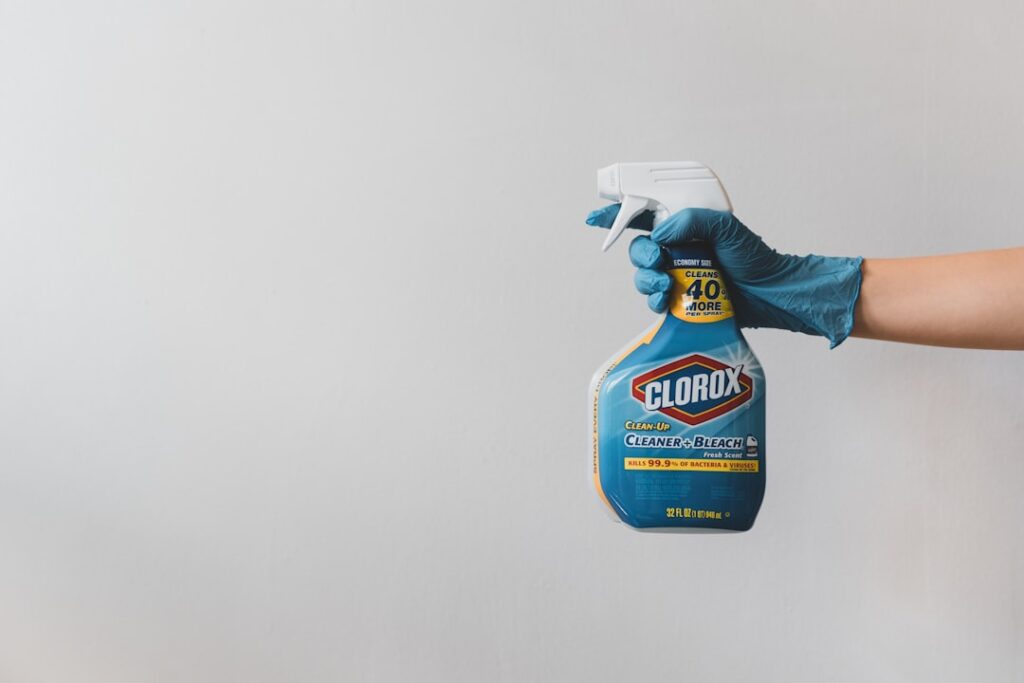
The shelves of any hardware store hold a row of sprays promising to wipe out the gray and black film that creeps across shower grout, window frames, and basement corners. A mildew eliminator can genuinely solve a surface mildew problem, but understanding what these products do — and where their limits lie — keeps homeowners from expecting a spray to fix what is actually a deeper mold or moisture issue. This guide summarizes EPA and CDC guidance current as of 2026 and is educational only; consult a certified professional for extensive or recurring growth.
Part of our Types of Mold guide — start there for the full picture →
Is this mold, asbestos, or water damage? Get a free instant screen
Upload a clear photo of the suspect area. You'll get an instant AI screening opinion and what to do next. This is screening guidance, not a professional determination.
Screening guidance only. AI can be wrong. Confirm asbestos, mold type, or lead with lab testing or a licensed professional before acting.
What a Mildew Eliminator Does
A mildew eliminator is a cleaning product formulated to kill and remove mildew — the flat, powdery surface growth that appears on damp, non-porous surfaces. Most rely on one of a few active ingredients: sodium hypochlorite (the bleach found in many bathroom mildew sprays), hydrogen peroxide, quaternary ammonium compounds, or surfactant-based cleaners. They work by killing the surface organism and lifting it off the material so it can be wiped or rinsed away.
These products excel on hard, non-porous surfaces: tile, grout, glass, fiberglass tubs, sealed countertops, and painted surfaces in sound condition. Their fundamental limit is the same one all surface cleaners share — they cannot penetrate porous materials. A spray that erases mildew from shower tile will not eliminate mold that has rooted into drywall behind the tile. Knowing that boundary is the difference between solving a problem and masking one, a theme connected to cleaning mildew effectively.
Mildew Versus Mold
The words are often used interchangeably, but the distinction guides product choice. Mildew is a surface growth, typically gray, white, or light brown, with a flat, powdery texture. It wipes away relatively easily from hard surfaces. Mold tends to be raised, fuzzy or slimy, and comes in a wider range of colors including green and black; it often penetrates the material it grows on.
Both are fungi, and both need moisture. The CDC notes that color alone cannot identify a fungus or its health risk, so the practical test is texture and penetration. A mildew eliminator suits surface mildew and light mold on hard surfaces. Growth that is raised, embedded, or covers a large area is a mold problem that a spray will not resolve.
Best Mold and Mildew Remover: our top 3 picks
| Product | Best for | Key features | Price | Buy |
|---|---|---|---|---|
| RMR-86 Instant Stain Remover | Fast mildew stain removal |
| — | Buy now →Check current price |
| Concrobium Mold Control | Mold control and prevention |
| — | Buy now →Check current price |
| 30 SECONDS Pro | Indoor and outdoor stains |
| $17.28as of Nov 26, 2026 3:43 pm GMT+0000 | Buy now →Check current price |


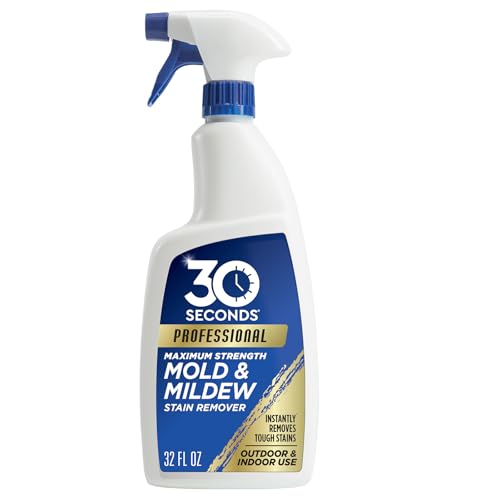
Prices are Amazon’s listed prices as of the time shown and change often; check Amazon for today’s price. As an Amazon Associate we earn from qualifying purchases.
Types of Mildew Eliminators
Bleach-based eliminators are the most common and effective at removing staining on hard, non-porous surfaces, though the EPA does not recommend bleach for routine mold cleaning on porous building materials. Hydrogen-peroxide-based products oxidize mildew without chlorine fumes and are gentler on many finishes. Both kill surface growth effectively on tile and grout.
Surfactant and enzyme-based cleaners lift mildew through detergent action rather than harsh chemicals, which suits households avoiding bleach. There are also “no-scrub” sprays designed to cling to vertical surfaces and dissolve mildew over time. Each type handles surface mildew; none reaches into porous materials. The right pick depends on the surface, ventilation, and a household’s sensitivity to fumes.
What to Look For in a Mildew Eliminator
Match the product to the surface. For grout and tile staining, a bleach- or peroxide-based eliminator removes discoloration well. For surfaces near fabrics or finishes that could discolor, a non-bleach formula is safer. Cling foams help on vertical shower walls, while spray-and-wipe formulas suit quick maintenance.
Check that the product is labeled for the material — some finishes, natural stone, and metals react poorly to certain chemicals. Ventilation requirements on the label matter for bathroom use. And consider whether the goal is killing active mildew, removing stains, or preventing return, since some products emphasize one over the others. No eliminator substitutes for fixing the moisture that caused the mildew.
How to Use a Mildew Eliminator Safely
Safety precautions apply even to routine mildew cleaning. The CDC recommends gloves and eye protection, and adequate ventilation is essential with any bleach-based product. Open a window or run the exhaust fan, and never mix a bleach product with ammonia or with vinegar, which can release dangerous gases.
Apply the product, allow the dwell time the label specifies so it can work, then scrub stubborn spots and rinse or wipe clean. Dry the surface afterward, because residual moisture invites mildew right back. For anyone with asthma or chemical sensitivity, peroxide or surfactant formulas with good ventilation are gentler choices than chlorine bleach.
Why Mildew Keeps Coming Back
Recurring mildew always traces to persistent moisture. Showers that stay wet, bathrooms without working exhaust fans, condensation on cold surfaces, and chronically humid basements all rebuild a mildew film no matter how often it is sprayed away. The eliminator addresses the symptom; the moisture is the cause.
Breaking the cycle means improving ventilation, squeegeeing shower walls, running exhaust fans during and after bathing, and keeping indoor humidity between 30 and 50 percent. If mildew returns within days of cleaning, the moisture problem is unresolved, and persistent recurrence on a wall surface can signal mold growing within the material rather than simple surface mildew. The broader mold inspection and testing hub covers when surface cleaning is no longer enough.
When a Mildew Eliminator Is Not Enough
A spray reaches its limit when growth is embedded in porous material, covers a large area, returns repeatedly despite moisture control, or comes with a strong musty odor suggesting hidden growth. In those cases, the issue is mold in drywall, framing, or behind tile, and the EPA recommends removing affected porous materials rather than surface-treating them.
Soft or discolored drywall, bubbling paint, and mildew that bleeds back through after cleaning are signs the problem is structural, not cosmetic. At that point a mildew eliminator only delays proper remediation. Recognizing the boundary saves homeowners from repeatedly spraying a problem that needs removal.
Reading the Label Before You Buy
The claims on a mildew-eliminator bottle reward a careful read, because the marketing language and the practical performance do not always match. Terms like “kills mold and mildew” describe surface action on non-porous materials and say nothing about penetrating drywall or wood. “Mildew stain remover” emphasizes lifting discoloration rather than killing active growth, useful after a surface is already clean. “No-scrub” or “cling” formulas trade convenience for dwell time, clinging to vertical surfaces so the chemistry has minutes to work where a quick spray would run off.
The functional details matter more than the headline. Check the listed active ingredient to know whether the product is bleach-, peroxide-, or surfactant-based, and confirm the label clears the surface you intend to use it on, since stone, certain metals, and some finishes carry explicit warnings. Note the stated dwell time, because cutting it short is a common reason a product seems ineffective. Ventilation requirements, fabric-discoloration cautions, and the firm instruction never to mix with other cleaners round out what a homeowner should absorb before the bottle ever reaches the shower wall.
Mildew Eliminators on Different Surfaces
The same bottle behaves differently depending on what it lands on, so matching the eliminator to the surface is half the job. Glazed ceramic tile, glass shower doors, and fiberglass tub surrounds are fully non-porous, so almost any eliminator removes surface mildew cleanly and the choice comes down to fume tolerance and finish safety. Sealed countertops and painted surfaces in sound condition behave similarly, though aggressive scrubbing can dull a finish over time.
Grout is the trap. It sits among hard tile but is itself porous, absorbing moisture and holding mildew deep in its texture, which is why a quick spray often leaves grout lines gray after the surrounding tile looks clean. Grout usually needs a longer dwell time, firmer scrubbing, and sometimes repeated treatment, and badly stained lines may only respond to regrouting. Natural stone — marble, travertine, slate — reacts poorly to acidic and chlorine products, so a pH-neutral cleaner protects the surface. Metal fixtures tolerate detergent and peroxide but can corrode under prolonged bleach contact. Caulk around tubs and showers is a special case: once mildew roots into aging caulk, no eliminator fully restores it, and cutting it out and recaulking is the durable fix.
Bleach Versus Peroxide-Based Eliminators
The two most common chemistries in mildew sprays — sodium hypochlorite (bleach) and hydrogen peroxide — each have a place, and choosing between them comes down to the surface, the ventilation, and the household. Bleach-based products excel at removing dark staining on hard, non-porous surfaces and disinfecting them, but they produce harsh fumes, can discolor fabrics and some finishes, and the EPA does not recommend them for routine cleaning of porous building materials. On porous surfaces bleach deposits water without penetrating, doing little to the embedded growth while feeding the moisture that caused it.
Hydrogen peroxide at the standard 3 percent drugstore strength oxidizes mildew without chlorine fumes, making it gentler for poorly ventilated bathrooms and households with respiratory sensitivity. It still bleaches some fabrics, so spot-testing is wise. Neither chemistry penetrates porous materials, so neither substitutes for removal when mold has rooted into drywall or unsealed wood. For homeowners avoiding both, surfactant and enzyme cleaners lift surface mildew through detergent action and suit a low-chemical household, though they may need more scrubbing. The practical rule is to use the gentlest product that handles the surface, reserve bleach for hard surfaces where staining must go, and never combine products.
Preventing Mildew So You Use Less Eliminator
The most effective way to reduce reliance on any mildew eliminator is to deny mildew the dampness it needs. In bathrooms, running the exhaust fan during and for twenty to thirty minutes after a shower removes the humid air before it settles on surfaces, and squeegeeing glass and tile walls cuts the standing moisture mildew feeds on. Keeping shower curtains and bath mats spread out to dry rather than bunched prevents the perpetually damp folds where mildew thrives.
Whole-home humidity control extends the same logic. Keeping indoor relative humidity between 30 and 50 percent — easier in the dry Front Range than in humid regions but still a winter challenge in tightly sealed homes — removes the ambient moisture mildew needs to establish. Dehumidifiers help in basements and during damp stretches, and leaving small gaps between furniture and exterior walls improves airflow over the cold surfaces where condensation forms. Fixing leaks promptly and venting kitchens and laundry areas outdoors round out the routine. A home kept reliably dry develops mildew slowly if at all, turning the eliminator from a frequent necessity into an occasional touch-up.
Mildew Eliminators in the Front Range Context
Colorado’s semi-arid climate gives homeowners a genuine advantage when relying on a mildew eliminator, because surfaces dry quickly and ambient humidity stays low much of the year. A treated shower wall is far less likely to redevelop mildew here than in a humid coastal region, simply because the moisture does not constantly return. That advantage holds best when the home’s own moisture sources are managed.
The exceptions are local and worth watching. Finished basements stay cool and can hold humidity year-round, poorly vented bathrooms trap shower moisture regardless of outdoor conditions, and winter condensation forms where heated indoor air meets cold exterior walls and single-pane windows. Evaporative coolers, common across the region, deliberately add indoor humidity and can undercut the dry-climate edge when run with damp pads. For Front Range homeowners, the takeaway is that an eliminator handles the occasional surface mildew the dry climate allows, but persistent recurrence signals one of these indoor moisture traps — and that is a cue to fix the source rather than buy another bottle.
When to Call a Professional
Call a professional when suspected mildew turns out to be mold covering more than about 10 square feet, when it has penetrated porous materials, when it keeps returning despite moisture control, or when it involves HVAC systems. The CDC advises sensitive occupants avoid the area during cleanup.
A professional can determine whether the growth is surface mildew a homeowner can manage or embedded mold requiring removal, and can locate the moisture source feeding it. For routine surface mildew on hard surfaces, a quality eliminator and good ventilation usually suffice; for anything beyond that, professional evaluation is the safer route.
More Questions About Mildew Eliminators
How do you get rid of a musty mildew smell in a house?
Getting rid of a musty mildew smell in a house starts with finding and drying the moisture source, because odor sprays only mask the problem. Check basements, crawlspaces, bathrooms, under sinks, closets, carpet and HVAC drain pans. Clean visible mildew, wash fabrics and run a dehumidifier to keep humidity around 30 to 50 percent. Increasing ventilation and replacing the HVAC filter help too. If the smell continues after cleaning and drying, hidden growth inside walls, under floors or in ductwork may need a professional inspection.
How do you remove mildew odor from a basement?
Mildew odor in a basement is usually removed by lowering humidity with a dehumidifier, fixing water entry and cleaning or removing affected materials. Keep humidity below about 50 percent, and check gutters, downspouts and grading for water problems outside. Cardboard boxes, carpet, upholstered furniture and stored fabrics often hold musty odors and may need cleaning or removal. Sealing foundation cracks and insulating cold water pipes reduces condensation. Odors that persist may point to hidden growth behind finished walls or under flooring.
How do you remove mildew smell from a car?
Mildew smell in a car usually comes from damp carpet, wet floor mats or a moldy air conditioning evaporator. Remove and dry mats, vacuum the interior and clean affected fabric with an upholstery-safe cleaner. Check door seals, sunroof drains and window seals for leaks. Replacing the cabin air filter and running the fan with the AC off before parking can help dry the system. A persistent musty smell from the vents may require a professional AC cleaning service. Dry the car completely before using odor absorbers.
Does a mildew eliminator kill the smell or just cover it?
A true mildew eliminator works by cleaning or killing the mildew causing the odor, while many air fresheners only cover the smell. Products that only mask odors leave the growth and moisture in place, so the smell comes back. Look for cleaners labeled for mildew on the specific surface, and pair them with drying and ventilation. Odor absorbers such as activated charcoal can reduce lingering smells after cleaning. If the musty odor returns quickly, the moisture problem has not been fixed.
What humidity level prevents mildew?
Keeping indoor humidity below about 50 to 60 percent helps prevent mildew, with roughly 30 to 50 percent often recommended for comfort and moisture control. Mildew grows quickly on surfaces that stay damp, especially in bathrooms, basements and closets. A digital hygrometer shows actual humidity levels in different rooms. Dehumidifiers, exhaust fans, air conditioning and better ventilation reduce humidity. In winter, very low outdoor temperatures can cause condensation on windows and exterior walls, so moisture control still matters in cold weather.
References
- Mold Cleanup in Your Home — U.S. Environmental Protection Agency
- Mold Cleanup Guidelines — Centers for Disease Control and Prevention
- A Brief Guide to Mold, Moisture and Your Home — U.S. Environmental Protection Agency
- Mold and Your Health — Colorado Department of Public Health and Environment
Frequently asked questions
What is the best mildew eliminator?
The best choice depends on the surface. Bleach- or peroxide-based products remove staining well on hard, non-porous surfaces like tile and grout, while surfactant or enzyme cleaners suit households avoiding chemicals. No eliminator penetrates porous materials, so none replaces fixing the moisture source.
Is mildew the same as mold?
They are related fungi but differ in form. Mildew is a flat, powdery surface growth that wipes away easily, while mold is often raised, fuzzy or slimy, and penetrates materials. Color cannot identify either, per the CDC, so texture and penetration guide the response.
Why does mildew keep coming back after I spray it?
Recurring mildew means the moisture feeding it is unresolved. Spraying removes the surface growth, but persistent dampness from poor ventilation, condensation, or humidity rebuilds it. If it returns quickly, fix the moisture and check for hidden mold in the material.
Can I mix mildew cleaners for better results?
No. Never mix bleach with ammonia or vinegar, which can release dangerous gases. Use one product as directed, allow the label dwell time, ventilate the area, and wear gloves and eye protection.
Do charcoal bags or baking soda remove mildew odor?
Charcoal bags and baking soda can absorb some lingering mildew odor in closets, cars and small spaces, but they do not kill mildew or fix moisture problems. Use them after cleaning and drying the affected area, and replace or refresh them regularly.
Is an ozone generator safe for removing mildew smell?
Ozone generators are not recommended in occupied homes, because ozone can irritate the lungs and does not reliably remove mold or mildew. Public health agencies caution against using them where people or pets are present. Cleaning, drying and ventilation are safer approaches.
How long does mildew smell last after cleaning?
Mildew smell often fades within a day or two after cleaning, drying and ventilating the area. If it lingers longer or returns, porous materials may still hold odor or moisture, or hidden growth may remain behind walls, flooring or furniture.
If surface mildew in your Front Range home turns out to be embedded mold, get in touch through our contact page for a connection to a vetted local inspector.