How Much Does It Cost for Asbestos Removal in Colorado
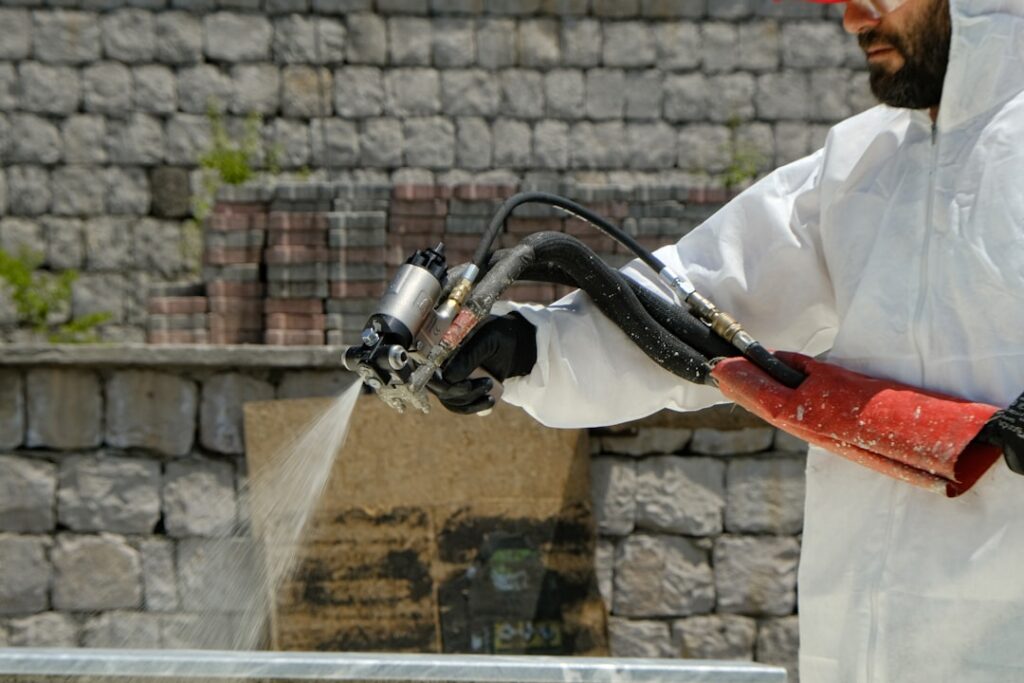
Asbestos removal cost is one of the most-searched questions among Front Range homeowners who find suspicious popcorn ceiling, pipe wrap, vermiculite attic insulation, or vinyl floor tile during a renovation walkthrough. Pricing varies widely by material, by accessibility, by the scope of the job, and by whether full abatement or selective encapsulation is appropriate. This guide summarizes EPA, OSHA, and Colorado-specific guidance current as of 2026 — consult a licensed abatement contractor and CDPHE’s asbestos program for project-specific quotes and your physician for symptom evaluation.
Is this mold, asbestos, or water damage? Get a free instant screen
Upload a clear photo of the suspect area. You'll get an instant AI screening opinion and what to do next. This is screening guidance, not a professional determination.
Screening guidance only. AI can be wrong. Confirm asbestos, mold type, or lead with lab testing or a licensed professional before acting.
What asbestos removal actually costs in Colorado
Front Range asbestos abatement firms quote primarily by material type and square footage, with adjustments for accessibility and clearance requirements. Standard pricing falls in the following ranges in 2026.
Popcorn ceiling removal — $3 to $7 per square foot
Popcorn ceilings installed before 1986 frequently contain chrysotile asbestos, sometimes mixed with vermiculite. Abatement involves containing the work area with plastic sheeting and negative-pressure HEPA air filtration, wetting the texture, scraping it down, and disposing of the waste at a permitted landfill. A typical 1,500 square foot home with popcorn throughout the main floor runs $4,500 to $10,500 in Denver-metro pricing.
Pipe insulation wrap removal — $11 to $22 per linear foot
Asbestos pipe wrap (often white chalky cloth-wrapped insulation in basements and crawlspaces of pre-1980 homes) requires glove-bag removal under negative pressure or full enclosure depending on condition. Pricing reflects the precision of the work and the limited access in tight mechanical spaces. A basement with 80 linear feet of pipe insulation typically runs $900 to $1,800.
Attic vermiculite removal — $5 to $10 per square foot
Vermiculite insulation from the Libby, Montana mine carried asbestos contamination through the late 1980s. Removal involves HEPA-vacuum extraction from the attic, bagging, and disposal — plus often the cost of new insulation installation after the vermiculite is out. A 1,200 square foot attic in a Lakewood or Arvada ranch runs $6,000 to $12,000 for extraction alone.
Floor tile and mastic removal — $5 to $15 per square foot
Nine-by-nine vinyl floor tile manufactured before 1980 frequently contains asbestos in the tile body, the underlying black mastic adhesive, or both. Removal is labor-intensive because the mastic bonds tightly to underlying concrete. A 600 square foot basement floor with tile and mastic runs $3,000 to $9,000 depending on condition.
Drywall and joint compound — $5 to $9 per square foot
Pre-1980 joint compound sometimes contained asbestos. When drywall is being removed during renovation, the abatement contractor handles the joint-compound debris as suspect-asbestos material under wet-removal protocols, which adds cost over a non-asbestos demolition.
Full-home abatement and large-scope work
For homes with widespread asbestos-containing materials — popcorn ceilings throughout, pipe insulation in a finished basement, floor tile, and exterior siding — a full-home abatement scope typically runs $5,500 to $30,000 depending on home size and material count. A 2,500 square foot mid-century ranch with popcorn, pipe wrap, and floor tile sits commonly in the $12,000 to $22,000 range.
Full-home pricing reflects mobilization cost (containment setup, negative-pressure HEPA equipment, decontamination chamber, worker protective equipment), labor (typically two to four certified workers for one to three weeks), waste disposal (permitted landfill fees in Colorado), and post-abatement clearance testing by an independent industrial hygienist. The mobilization fixed costs make small jobs disproportionately expensive on a per-square-foot basis, which is why owners sometimes bundle multiple materials into a single abatement scope.
What drives the bill up
Six factors most often push a quote toward the high end of its range, and understanding them helps homeowners read bids comparatively.
Friability is the single largest factor. Friable asbestos — material that crumbles easily under hand pressure, like pipe insulation or sprayed-on fireproofing — requires more aggressive containment and is regulated more strictly than non-friable material like floor tile or cement siding. A friable-asbestos job at a given square footage costs roughly two to three times its non-friable equivalent.
Accessibility matters next. Pipe insulation in an unfinished basement is easier to remove than pipe insulation behind finished drywall, which has to be opened up and re-closed. Attic work requires PPE in tight, hot spaces and is slower than equivalent work in a basement. Exterior siding work can require scaffolding, weather windows, and protection of adjacent landscaping.
Encapsulation versus full removal is the third lever. EPA and OSHA permit encapsulation of intact asbestos-containing material in many cases — a sealant coat that prevents fiber release without removing the material. Encapsulation typically runs 30 to 60 percent of full-removal cost but creates an ongoing maintenance obligation and may not satisfy a buyer’s purchase contingency.
Clearance testing requirements vary by scope and jurisdiction. Colorado requires post-abatement clearance air sampling on most regulated jobs, performed by an independent industrial hygienist (typically $300 to $800 per round). Some scopes require multiple clearance rounds before the containment is dismantled.
Disposal fees and trucking add up. Colorado requires asbestos waste to be transported by a permitted hauler to a certified landfill. Denver-metro disposal fees in 2026 typically run $90 to $200 per cubic yard plus trucking. A full-home abatement can generate 10 to 40 cubic yards of regulated waste.
Project size at the small end carries an outsized mobilization premium. A single 50-square-foot popcorn ceiling repair quoted in isolation might cost $1,200 to $2,500 because of the fixed mobilization cost, while bundling that scope into a larger ceiling job drops the per-square-foot rate significantly.
Colorado-specific requirements
The Colorado Department of Public Health and Environment regulates asbestos abatement through the Air Pollution Control Division. CDPHE certifies abatement workers, supervisors, and project managers; permits abatement projects above regulatory thresholds (160 square feet of friable material on residential projects or 260 linear feet of pipe wrap); and conducts inspections during active work.
Front Range homeowners hiring abatement contractors should verify the firm’s current Colorado Asbestos General Contractor (GAC) status through CDPHE’s online certification lookup, and verify individual worker and supervisor certifications. Firms operating without state certification carry significant legal exposure and the work may not satisfy disclosure obligations at resale.
A broader pre-1978 housing framework — including how asbestos and lead testing fits into pre-purchase inspection scope — lives in our pre-1978 hazard guide, with companion pricing detail in our average asbestos removal cost piece and material-specific detail in our asbestos insulation removal cost guide.
Does insurance cover asbestos removal
Homeowner’s insurance generally does not cover routine asbestos removal that the owner discovers and elects to address. Standard homeowner’s policies cover sudden and accidental losses, not pre-existing conditions or planned renovation. An owner who finds popcorn ceiling, decides to remove it, and pays an abatement contractor is paying out of pocket in nearly every case.
Insurance coverage may apply in narrower scenarios. A covered peril (hail, wind, fire, water from burst pipe) that damages asbestos-containing material to the point of triggering abatement under federal or state rule may be partially covered under the loss-mitigation portion of the homeowner’s policy. For example, a Front Range hailstorm that damages an asbestos cement siding system to the point of fiber release may be a covered loss including the abatement scope, while the underlying cosmetic deterioration of intact siding would not be.
Buyers and sellers sometimes negotiate asbestos remediation credit into the closing, which is effectively a price adjustment rather than insurance. A discovery during inspection — whether through visible suspect material or through air sampling — frequently becomes a contract negotiation, with the seller offering a credit toward future abatement, removing the material before closing, or accepting a price reduction. The Title X disclosure framework for lead paint does not directly apply to asbestos, but state-level disclosure obligations in Colorado require sellers to disclose known asbestos-containing materials when asked or when included on the Seller’s Property Disclosure form.
How to get a credible quote
A defensible asbestos abatement quote includes the following components: scope (material, location, square footage or linear footage, friable vs non-friable designation), method (removal, encapsulation, enclosure), containment plan (negative pressure, plastic sheeting, decontamination chamber), waste handling and disposal destination, clearance testing scope and contractor, project schedule, and total price broken into mobilization, labor, materials, disposal, and testing.
Homeowners should solicit two to three competitive bids on jobs above $5,000 in scope. A bid 30 percent below the cluster of others usually reflects either a missing scope element or unverified credentials — verify the firm’s CDPHE GAC status and ask for references on similar past projects before signing.
For pre-purchase scenarios where the abatement scope is uncertain at contract time, consider hiring a Colorado-certified asbestos building inspector to perform a survey first ($350 to $900 typical residential survey). The survey produces a written inventory of asbestos-containing materials with sample locations, lab results, and condition assessment — which then anchors the abatement bid more reliably than a walkthrough estimate.
Timing, occupancy, and disruption
Most residential abatement projects run between three and 15 working days on site, depending on scope. A single popcorn-ceiling room can be completed in one to two days. A whole-home popcorn job runs four to seven days. Full-home multi-material abatement (popcorn plus pipe wrap plus floor tile) runs two to three weeks.
Occupancy during abatement depends on scope. Containment isolates the work area from the rest of the house, and many smaller-scope jobs allow occupants to live in unaffected portions of the home. Full-home abatement, attic vermiculite removal, and any job with extensive HVAC disturbance typically require the family to relocate for the duration plus the clearance period. Lodging cost is a real line item that some homeowners overlook when comparing bids — a two-week hotel stay for a Front Range family of four can add $3,000 to $6,000 to the practical project cost.
Post-abatement cleanup also takes time. After clearance testing passes, the containment comes down, the HEPA-vacuumed surfaces are wiped, and the family can return. Some firms include a final cleaning service in the quote; others quote it separately. Restoring the wall, ceiling, or floor finish after abatement is a separate scope handled by a general contractor, not the abatement firm.
Project sequencing matters when abatement is embedded in a larger renovation. A kitchen remodel that includes removing pre-1980 vinyl tile under the cabinets, for example, has to schedule the abatement crew between demolition and the new flooring install — abatement after demo of cabinets and walls, clearance testing before the new floor goes in, and the general contractor’s schedule rebuilt around that window. A homeowner managing the project directly should expect three to seven additional calendar days added to the renovation timeline for the abatement plus clearance sequence, even when the actual on-site abatement labor is short.
Communication between the abatement firm and the general contractor is often where homeowner-managed projects break down. The two trades work on different schedules, use different containment standards, and read scope language differently. Either coordinate the schedule personally with both firms or hire a general contractor who has prior experience subcontracting Colorado-certified abatement scope into a larger remodel.
References
- EPA — Asbestos Laws and Regulations — U.S. Environmental Protection Agency
- OSHA — Asbestos Standards for Construction — Occupational Safety and Health Administration
- CDPHE — Colorado Asbestos Program — Colorado Department of Public Health and Environment
- Asbestos.com — Public asbestos resource clearinghouse — Asbestos.com
Front Range homeowners weighing asbestos abatement bids or pre-renovation surveys can connect with a vetted Colorado professional through our contact page for a referral.
Asbestos test kits
Asbestos can only be confirmed by a lab. A mail-in kit gets you a sealed sample container and accredited analysis — never sand or disturb suspect material first.
| Product | Why | Buy |
|---|---|---|
 Asbestos Test Kit (mail-in lab) Asbestos Test Kit (mail-in lab) | Includes PPE + sealed mailer. | Amazon — $35.00 |
 Pro-Lab Asbestos Test Kit Pro-Lab Asbestos Test Kit | Widely available; lab fee separate. | Amazon — $45.99 |