How Long Does a Garage Door Opener Last? Lifespan and Signs
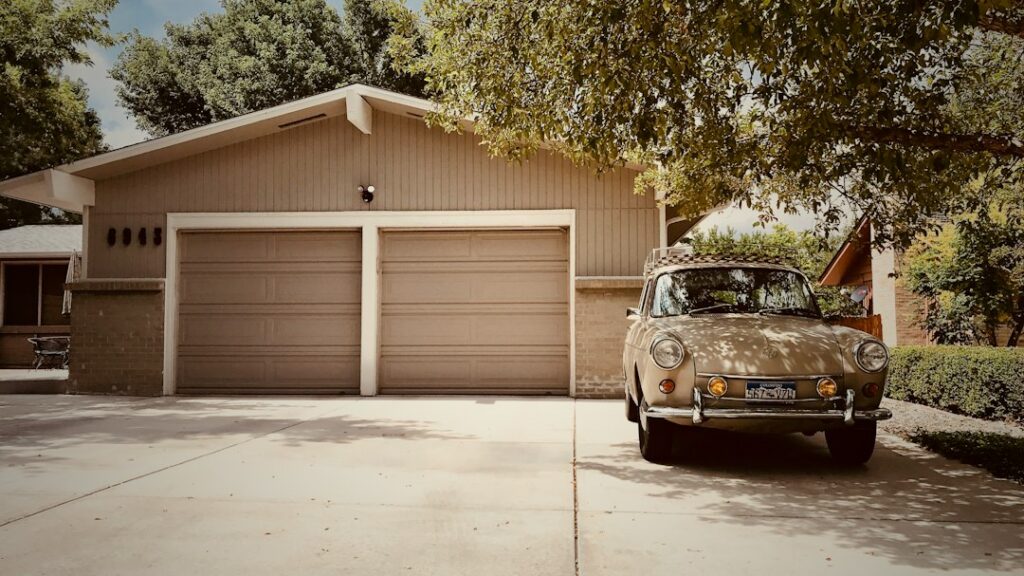
A typical residential garage door opener lasts roughly 10 to 15 years, and a well-matched opener on a balanced, well-maintained door can run longer. The range is wide because the opener is only half of the system. The door’s springs are supposed to carry nearly all of the door’s weight, and the opener only guides it up and down. When springs weaken, rollers bind or the door is heavier than the opener was chosen for, the motor and gears do work they were never meant to do and wear out early. Age also matters for a reason that has nothing to do with whether the motor still runs: older openers may lack the safety reversal features that federal rules have required for decades. This guide covers how long a garage door opener lasts by drive type, what shortens or extends its life, signs it is near the end, the safety tests every owner should know, repair-versus-replace logic, typical replacement costs and how a home inspector evaluates the opener. It reflects general guidance current as of 2026; the manufacturer’s manual and a qualified garage door technician take priority for any specific installation.
Part of our Structure & Exterior guide — start there for the full picture →
Garage Door Opener Lifespan at a Glance
These ranges are general planning figures, not guarantees. Cycles per day, door weight and door balance matter more than the brand.
| Opener type | Typical lifespan range | Notes |
|---|---|---|
| Chain-drive opener | About 10–15 years | Simple and durable; louder; chain needs periodic adjustment and lubrication |
| Belt-drive opener | About 10–15+ years | Quieter; belt can stretch or crack with age but has fewer metal wear points |
| Screw-drive opener | About 10–15 years | Fewer parts; threaded rod needs the right lubricant; can be sensitive to big temperature swings |
| Wall-mount (jackshaft) opener | About 10–15+ years | Mounted beside the door on the torsion shaft; needs a suitable spring setup |
| Direct-drive opener | About 15+ years | Motor travels along a fixed chain; very few moving parts |
| Remote batteries and keypads | Batteries 1–3 years; keypads several years | Keypads exposed to sun and weather wear faster |
| Safety sensors (photo eyes) | Often outlast the motor but can fail sooner | Misalignment, damaged wiring and sun-faded lenses are common |
Typical range — varies with use and maintenance. These are general industry planning ranges, not cited statistics.
A busy household that runs the door eight or ten times a day puts several times more cycles on an opener than a retired couple who drives once a day. Openers in garages used as the main entry to the house tend to land at the short end of these ranges.
The Safety Question: Openers Older Than the Federal Rules
Lifespan is not only about whether the motor still works. A garage door is usually the largest and heaviest moving object in a home, and the U.S. Consumer Product Safety Commission has addressed entrapment risk for decades.
In a 1990 safety advisory, the CPSC asked homeowners to replace non-reversing garage door openers. It stated that units manufactured before 1982 do not have the safety features of the voluntary standard of that time, that some old openers only stop rather than reverse when they strike an object, and that those older devices cannot be adjusted or repaired to provide the safety available in openers made in 1982 or later. The CPSC’s page on garage door operator standards explains that federal law required residential openers manufactured on or after January 1, 1991 to meet the entrapment protection requirements of UL 325, and the Commission issued a mandatory rule (16 CFR Part 1211) the same year. A later CPSC release on final rules for automatic garage door openers describes additional requirements for openers manufactured on or after January 1, 1993, including an external entrapment protection device such as an electric eye or a door edge sensor.
The practical takeaway for owners and buyers:
- An opener with no photo-eye sensors near the floor is almost certainly from before 1993 and is a strong candidate for replacement on safety grounds alone, regardless of how well the motor runs.
- An opener that does not reverse on contact should be disconnected and serviced or replaced, as the CPSC advises.
- Safety features have to work, not just exist. Sensors that have been bypassed, taped together or mounted at the ceiling defeat the purpose. Our guide to the garage door safety sensor covers correct placement and alignment.
The reversal test
The CPSC’s 1990 advisory describes a simple check: place a two-inch wooden block in the path of the door. If the door does not promptly reverse on striking the block, the unit should be disengaged and a service technician called. Many manufacturers also describe a photo-eye test, where an object passed through the beam while the door is closing should make it reverse. Keep children and pets clear during any test, and do not stand under a moving door.
Best Garage Door Opener: our top 3 picks
| Product | Best for | Key features | Price | Buy |
|---|---|---|---|---|
| Chamberlain B4310 | Best overall smart belt opener |
| $248.86as of Oct 19, 2026 11:54 pm GMT+0000 | Buy now →Check current price |
| Chamberlain RJO101MC | Best for low headroom or tall doors |
| $519.00as of Oct 19, 2026 11:54 pm GMT+0000 | Buy now →Check current price |
| Genie StealthDrive 7155-TKV | Best for smart-home integration |
| $337.64as of Oct 19, 2026 11:54 pm GMT+0000 | Buy now →Check current price |


Prices are Amazon’s listed prices as of the time shown and change often; check Amazon for today’s price. As an Amazon Associate we earn from qualifying purchases.
What Shortens or Extends Opener Life
Door balance and springs
This is the big one. With the opener disconnected using the emergency release, a properly balanced door should lift with modest effort and stay roughly in place when raised partway. A door that slams down or is very heavy to lift has spring problems, and the opener is straining every cycle. Replacing an opener without fixing a spring problem often leads to the new opener wearing out early. Spring work is dangerous because springs store a great deal of energy; leave it to a trained technician. Our guide to garage door spring repair explains the warning signs and what the work involves.
Rollers, tracks and hinges
Worn rollers, dented tracks and dry hinges add friction. The opener has to push harder, and its force settings may be turned up to compensate, which makes the door less safe. Periodic lubrication of rollers, hinges and the opener’s rail (with the lubricant the manufacturer specifies) helps.
Opener sized for the door
A light single-car door and a heavy insulated or wood double door place very different demands on a motor. An opener at the low end of the power range on a heavy door works near its limit for its whole life.
Electrical problems
Power surges from storms can damage logic boards. A surge-protected outlet and a proper ceiling receptacle, rather than an extension cord, help protect the electronics.
Front Range factors
- Cold mornings. Lubricants thicken in cold weather, and screw-drive units in particular can slow or struggle in deep cold. Some owners notice the door reversing on cold days because the force setting is borderline. Unheated garages along the Front Range see big swings between cold nights and warm afternoons.
- Sun and UV at altitude. Exterior keypads, weather seals and the plastic lenses of photo-eyes can degrade faster under strong high-altitude sun. A faded or cracked keypad is a common early replacement.
- Hail. Hail mostly damages the door panels rather than the opener, but a dented or bent door can bind in its tracks, which loads the opener. Our guide to a garage door that will not close covers binding, sensor and limit problems.
- Dust and wind. Windy, dusty conditions coat rails and tracks with grit; wiping them down before lubricating helps.
Signs a Garage Door Opener Is Near the End
- Age past 12 to 15 years, especially with heavy daily use.
- No photo-eye sensors or a door that fails the reversal test.
- Grinding, straining or humming without the door moving, which can point to stripped drive gears or a failing motor or capacitor.
- Slow or jerky travel after the door’s springs, rollers and tracks have been checked and found sound.
- Intermittent operation: the door stops partway, reverses for no reason or does not respond to remotes, after batteries, sensor alignment and limits have been ruled out.
- Excessive vibration of the rail or the opener’s mounting.
- Repeated logic board failures or replacement parts that are no longer available.
- No modern security features. Very old remotes used fixed codes; newer openers use rolling-code technology that is harder to copy.
A Simple Maintenance Routine That Adds Years
Garage door openers need very little attention, which is exactly why they tend to get none. A short routine a couple of times a year, often in spring and fall, catches most of the problems that shorten an opener’s life. Always read the manufacturer’s manual first, because lubrication points and adjustment procedures vary by model.
- Watch and listen. Run the door through a full cycle and stand back. Jerky motion, scraping, popping or a door that sags on one side are clues to a hardware problem the opener is fighting.
- Check the balance. Close the door, pull the emergency release, and lift the door by hand to about waist height. A balanced door should lift without heavy effort and should not slam down or fly up when released. If it does, call a technician for the springs before doing anything else.
- Reconnect and test safety. Re-engage the trolley, then run the reversal test and the photo-eye test described above.
- Clean and lubricate. Wipe dust and grit from the rail and tracks. Lubricate rollers, hinges and the opener’s drive as the manual specifies. Screw drives and chain drives often call for specific products; belt drives usually need little or none on the belt itself.
- Tighten hardware. Vibration loosens the bolts that hold the rail, the motor head and the hinges. Snug them, but avoid touching anything connected to the springs or the bottom brackets, which are under high tension.
- Check the sensors and wiring. Clean the photo-eye lenses, confirm the indicator lights are steady, and look for staples through low-voltage wires or wires chewed by rodents.
- Replace remote and keypad batteries before they fail completely.
Force and travel-limit adjustments are best left to the manual’s exact procedure or a technician. Turning the force up to overcome a binding door hides the real problem and makes the door less likely to reverse when it should.
Questions to ask when buying a home
- How old is the opener, and has it or the door’s springs ever been replaced?
- Are the remotes and keypad codes included, and can they be reset for the new owner?
- Is there a battery backup, and when was its battery last replaced?
- Has the door been damaged by hail or a vehicle, and was it repaired?
Reprogramming remotes and changing keypad codes after closing is a sensible security step regardless of the opener’s age.
Repair or Replace? Rules of Thumb
Some opener problems are cheap fixes on an otherwise healthy unit. Others mean the opener is done. These are rules of thumb, not official guidance:
- Usually worth repairing: sensor alignment or wiring, a stripped plastic drive gear on a mid-life opener, a limit or force adjustment, a worn chain or belt, a remote or keypad replacement, a capacitor.
- Usually time to replace: a pre-1993 opener without photo eyes; a failed logic board on an opener past about 10 to 12 years; a motor failure out of warranty; an opener whose parts are discontinued; an opener undersized for a heavier replacement door.
- The 50 percent rule (rule of thumb): if a repair quote is more than about half the price of a new installed opener, and the unit is past the middle of its typical life, replacement is often the better value.
- Fix the door first. Before replacing an opener because it struggles, confirm the springs, cables and rollers are sound. A new opener on a bad door is money spent on the wrong problem.
Our guide to garage door opener repair covers the common fixes in more detail, including which ones are reasonable owner projects and which need a technician.
What Replacement Typically Costs
| Job | Typical national range, 2026 | Main cost drivers |
|---|---|---|
| Common opener repair (sensor, gear, capacitor, board) | Roughly $100–$400 | Part type, service-call fee, after-hours timing |
| Chain- or belt-drive opener, installed | Roughly $300–$800 | Horsepower, belt vs chain, battery backup, smart features |
| Wall-mount (jackshaft) opener, installed | Roughly $600–$1,500 | Door and spring compatibility, side clearance, smart features |
| Opener plus spring and roller tune-up | Roughly $500–$1,200 | Spring type and size, roller material, cable condition |
Typical national range, 2026 — get local quotes. These are general estimates, not cited figures.
Costs rise if the ceiling needs a new receptacle, if the rail needs a longer extension for a tall door, or if the door itself needs work first. A written quote should list the opener model, drive type, motor rating, rail length, accessories, removal of the old unit, and the labor warranty. Ask whether the technician will check door balance and set force and limit adjustments as part of the job. If you are choosing a model yourself, our roundup of the best garage door openers is the next step, and our garage door installation guide helps when the door itself is due for replacement too.
Features worth considering on a replacement
- Battery backup so the door works during power outages. Some jurisdictions require it on new installations; check with your city or county building department.
- DC motors with soft start and stop, which are quieter and gentler on the door hardware.
- Rolling-code remotes and, if wanted, app control with notifications and activity logs.
- Automatic lock or deadbolt accessories for wall-mount openers.
- A motion-sensing light and a wall console mounted out of children’s reach.
How a Home Inspector Evaluates the Opener
The ASHI Standard of Practice includes garage vehicle doors and garage vehicle door operators in the interior items the inspector inspects. Its general exclusions say the inspector is not required to determine the remaining life expectancy of systems and components, so an age estimate in a report is an informed judgment rather than a promise.
During an inspection, an inspector will typically:
- Operate the door with the wall button and note any noise, binding or hesitation
- Check for photo-eye sensors near the floor and whether they reverse the door when the beam is interrupted
- Test the reversal feature on contact where it can be done safely, following their own standards and the manufacturer’s guidance
- Look at the rail mounting, the emergency release handle, the electrical supply and whether an extension cord is in use
- Observe spring, cable, roller and track condition visibly and note signs of imbalance
- Look for a manufacture date or serial label on the opener’s motor housing; many openers print it there or on the back panel, and the serial number may encode the year
A failed reversal test is usually reported as a safety deficiency with a recommendation for repair or replacement by a qualified garage door technician. For other garage and exterior items an inspector may flag, see our structure and exterior inspection hub.
References
- To Save Lives, Homeowners Should Replace Non-Reversing Garage Doors — U.S. Consumer Product Safety Commission
- Safety Commission Publishes Final Rules for Automatic Garage Door Openers — U.S. Consumer Product Safety Commission
- Garage Door Operators/Gate Operators — U.S. Consumer Product Safety Commission
- ASHI Standard of Practice for Home Inspection — American Society of Home Inspectors
Frequently asked questions
How long does a garage door opener last on average?
Most residential garage door openers last roughly 10 to 15 years. Heavy daily use, a poorly balanced door or weak springs can shorten that, while a light, well-balanced door and routine lubrication help an opener reach the long end of the range.
Which type of garage door opener lasts longest?
Direct-drive and wall-mount openers have few moving parts and often run a long time, and belt drives are durable as well. In practice, door balance and daily cycles affect lifespan more than drive type.
Should an old garage door opener be replaced even if it works?
If it has no photo-eye sensors or does not reverse when it strikes an object, yes. The CPSC has advised that openers made before 1982 cannot be adjusted to provide modern reversal safety, and federal rules have required entrapment protection on openers since 1991 and 1993.
How do you test a garage door opener's safety reverse?
The CPSC describes placing a two-inch wooden block in the door's path. If the door does not promptly reverse on striking it, disengage the opener and call a technician. Also check that interrupting the photo-eye beam reverses a closing door.
How can you tell how old a garage door opener is?
Look for a label on the motor housing, often on the back or side. Many list a manufacture date, and others encode the year in the serial number. The presence or absence of photo-eye sensors also gives a rough clue.
Buying a Front Range home and want the garage door, opener and safety features checked properly? Get in touch with our team to connect with a qualified local inspector.