How Do You Kill Mold: A Plain-Language Guide
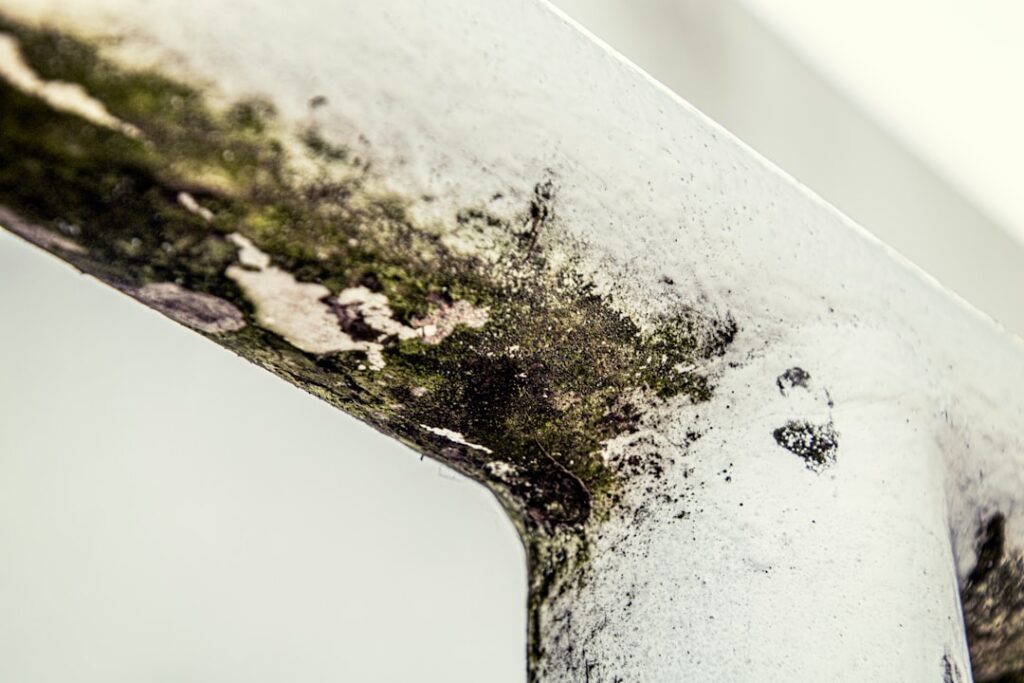
Killing mold is less about a magic product and more about removing it and denying it moisture. So how do you kill mold in a way that actually keeps it gone? The short answer: clean the visible growth from hard surfaces, discard porous materials that are saturated, and fix the water problem that fed it. This guide summarizes EPA and CDC guidance current as of 2026 and is educational only; consult your physician about any symptoms and a certified professional for large or recurring growth.
Part of our Mold Removal & Remediation guide — start there for the full picture →
Is this mold, asbestos, or water damage? Get a free instant screen
Upload a clear photo of the suspect area. You'll get an instant AI screening opinion and what to do next. This is screening guidance, not a professional determination.
Screening guidance only. AI can be wrong. Confirm asbestos, mold type, or lead with lab testing or a licensed professional before acting.
How do you kill mold the right way?
On a non-porous surface like tile, glass, or sealed metal, scrubbing with detergent and water physically removes mold, and that removal is what matters most. The EPA’s core message is that you do not necessarily need to kill mold with a biocide; you need to remove it and keep the surface dry. Dead spores can still trigger allergic reactions, so leaving killed mold in place is not the goal.
The process has three parts: protect yourself, remove the growth, and dry the area thoroughly. Skipping the drying step is the most common reason mold returns within weeks. If a material stays damp, new spores from the air will colonize it regardless of how aggressively you cleaned.
What actually kills mold on hard surfaces
Several agents work on non-porous materials. Plain detergent and water is the EPA’s baseline recommendation and is sufficient for most small jobs. Diluted bleach can be used on hard, non-porous surfaces but is not required, and the CDC notes that scrubbing with soap and water is adequate for routine cleanup.
Distilled white vinegar is a popular household option; its acidity disrupts many mold species on hard surfaces, though it works more slowly than commercial products. Hydrogen peroxide at common concentrations also has antifungal action. Whatever you choose, never mix bleach with ammonia or with vinegar, because the combination releases toxic gases. Our breakdown of when bleach works on black mold and when it fails explains why bleach underperforms on porous materials.
Porous materials usually cannot be saved
Drywall, carpet, ceiling tiles, upholstery, and insulation absorb moisture deep into their structure. Mold roots, called hyphae, grow below the surface where no cleaner reaches. The EPA advises that absorbent or porous materials with mold growth may need to be discarded, because surface cleaning leaves living growth behind. Trying to “kill” mold on saturated drywall almost always fails; replacement is the durable fix. For drywall specifically, the steps in our guide to removing mold from drywall describe when patching is safe and when the panel comes out.
Protective gear you need before you start
Even small cleanups stir up spores. The CDC and EPA recommend an N95 respirator, not a cloth or surgical mask, to keep spores out of your lungs. Wear non-porous gloves that extend to mid-forearm, and use goggles without ventilation holes so spores cannot reach your eyes.
For anything beyond a small patch, open windows for ventilation and consider sealing the work area with plastic sheeting to keep spores from spreading to clean rooms. People with asthma, allergies, or weakened immune systems should avoid doing the cleanup themselves and let someone else handle it.
Step-by-step cleanup for a small area
Start by stopping the moisture source, whether that is a drip, a humidity problem, or a leak. Put on your gear. Mist the moldy surface lightly with water to reduce airborne spores during scrubbing. Apply your cleaning solution and scrub the area with a stiff brush until visible growth is gone.
Wipe the surface clean, then dry it completely with fans and, if available, a dehumidifier. Bag and seal any disposable materials and contaminated rags before carrying them out of the home. Monitor the area over the following weeks; if growth returns, the moisture source was not fully resolved.
Why mold keeps coming back
Recurring mold is a moisture problem wearing a costume. Common culprits include condensation on cold surfaces, a slow plumbing leak, poor bathroom ventilation, and high indoor humidity. The EPA recommends keeping indoor relative humidity below roughly 60 percent, and ideally between 30 and 50 percent, to discourage growth.
On the Front Range, the dry outdoor climate helps, but localized damp spots persist in basements, around swamp coolers, and behind finished walls after ice-dam leaks. Running an exhaust fan, repairing leaks promptly, and improving air circulation in problem rooms address the root cause that cleaning alone never will.
When killing mold is a job for professionals
The EPA suggests that growth covering more than about ten square feet generally calls for professional remediation. Large jobs require containment, negative air pressure, and HEPA filtration to prevent cross-contamination, equipment most homeowners do not have.
Mold inside HVAC systems, behind large wall sections, or paired with sewage or floodwater also belongs to professionals. Contaminated water carries pathogens beyond mold, and HVAC growth can distribute spores through the whole house. When in doubt about scale, an independent inspection clarifies whether you are facing a weekend chore or a remediation project.
Cleaning agents compared in detail
Each common agent has a profile worth understanding. Detergent and water is the EPA’s baseline because the mechanical action of scrubbing physically removes mold and the surfactants lift it from the surface; it works on most non-porous materials and carries no fumes. Diluted bleach removes surface mold and lightens staining on hard, non-porous surfaces, but it is mostly water, so on porous materials it soaks in and can feed surviving roots while the chlorine fails to reach them.
Distilled white vinegar is mildly acidic and penetrates slightly into porous surfaces, disrupting many mold species, though it acts slowly and leaves an odor that fades. Hydrogen peroxide at common household strength has antifungal action and decomposes into water and oxygen, making it a low-residue option. Borax dissolved in water is sometimes used because it inhibits regrowth and does not off-gas like bleach. None of these substitutes for removing saturated porous material, and none keeps mold away if the moisture source remains, which is the recurring theme of the EPA’s guidance.
Mistakes that let mold survive
Several common errors undo a cleanup. Skipping the drying step leaves the surface damp enough for spores in the air to recolonize within days, which is the single most frequent cause of return. Painting over mold rather than removing it traps growth beneath the finish, where it continues until the paint bubbles and peels. Using bleach on drywall produces a clean-looking surface and a colony living below it.
Disturbing a large area without containment spreads spores throughout the home, sometimes seeding new growth in previously clean rooms. Cleaning without protective gear exposes the worker to a spore cloud, particularly risky for anyone with asthma or allergies. And treating the symptom while ignoring the moisture source guarantees a repeat, no matter how thorough the cleaning. Avoiding these mistakes is as important as choosing the right agent.
How to prevent regrowth long term
Prevention beats repeated cleaning. Fix leaks within 24 to 48 hours, vent bathrooms and kitchens to the outside, insulate cold pipes that sweat, and use a dehumidifier in chronically damp spaces. Keeping gutters clear and grading soil away from the foundation reduces the water that reaches basements in the first place. Running bathroom exhaust fans during and after showers, leaving closet and cabinet doors open to circulate air in damp rooms, and monitoring humidity with an inexpensive hygrometer all help hold the indoor environment below the level mold needs to colonize.
Killing mold on specific surfaces
The right method shifts with the material. On bathroom tile and glass, scrubbing with detergent or a diluted bleach solution removes growth and any staining, followed by drying. On grout, which is porous, surface cleaners lighten the line but tend to allow regrowth, so a paste that can sit in the pores, such as baking soda or a borax solution, often holds longer. On caulk and silicone, mold roots into micro-cracks, and replacing the bead is usually more durable than repeated cleaning.
On finished wood, vinegar or a borax solution penetrates the grain better than bleach, though heavy growth in structural wood may require sanding or replacement. On fabric and upholstery, laundering at the hottest safe temperature handles small items, while saturated soft goods are often discarded. On concrete and masonry, a detergent scrub works, but the porous surface and any underlying moisture must be addressed or growth returns. Matching the method to the surface is the difference between a lasting result and a cosmetic one.
How long it takes and what to expect
A small cleanup on a hard surface is often a single-session task: protect yourself, scrub, wipe, and dry, with the drying continuing for a day or more with fans running. The visible mold should be gone immediately, but the real test is the weeks that follow. If growth returns, the moisture source was not resolved, and the cycle will repeat until it is.
For porous materials slated for removal, the timeline extends because the material must be cut out, bagged, and replaced, and the area dried before reconstruction. Larger jobs involving containment and professional equipment take longer still. Setting realistic expectations helps: killing the visible mold is the quick part, while drying thoroughly and confirming the moisture fix held are what actually end the problem. Patience with the monitoring period prevents declaring victory too early.
Containing spores during cleanup
Even a modest cleanup disturbs the colony and sends spores into the air, so containment matters more than homeowners expect. For anything beyond a tiny spot, sealing the room with plastic sheeting over doorways limits how far spores travel, and closing HVAC vents in the work area keeps the system from distributing them through the house. Lightly misting the growth before scrubbing weighs down spores so fewer become airborne.
Disposal is part of containment. Bag and seal moldy materials and used rags inside the work area before carrying them out, so spores do not shed along the way through clean rooms. Running an air filter and ventilating to the outside, rather than recirculating, helps clear the air afterward. These steps cost little and prevent the common scenario where cleaning one spot seeds new growth elsewhere because spores were free to spread. For growth large enough to need negative air pressure and HEPA filtration, the EPA’s threshold of roughly ten square feet is the signal to bring in professionals rather than attempt containment with household materials.
Products marketed as mold killers
Store shelves carry sprays and concentrates promising to kill mold instantly, and it helps to read them with the EPA’s framing in mind. Many are effective at removing surface growth from hard, non-porous materials, which is genuine value, but none overcome the core limits: they cannot reach roots in porous materials, and they cannot keep mold away if the moisture source persists. A product that kills mold on contact still leaves dead spores that can trigger reactions, so removal and drying remain necessary.
Treat bold claims skeptically. A spray cannot make moldy drywall sound, and a label promising to prevent regrowth means little if the wall keeps getting wet. The most useful purchase for most homeowners is not a specialty killer but the basics: detergent, protective gear, fans, and a dehumidifier, paired with fixing the leak or humidity that caused the problem. Spending on moisture control does more to keep mold gone than any product marketed to kill it.
References
- Mold Cleanup in Your Home — U.S. Environmental Protection Agency
- About Mold and Health — Centers for Disease Control and Prevention
- A Brief Guide to Mold, Moisture and Your Home — U.S. Environmental Protection Agency
- Mold and Your Health — National Institute of Environmental Health Sciences
Frequently asked questions
Does bleach kill mold permanently?
Bleach can remove mold from hard, non-porous surfaces, but it does not address the moisture source, so growth returns if dampness persists. On porous materials like drywall, bleach fails to reach the roots below the surface, and the EPA does not consider bleach necessary for routine cleanup.
Do I need to kill mold or just remove it?
Removal is what matters most. Dead mold spores can still trigger allergic reactions, so cleaning the growth off and drying the surface is the goal rather than simply killing it in place.
How large a mold area can I clean myself?
The EPA suggests homeowners can generally handle areas under about ten square feet. Larger growth, HVAC contamination, or mold tied to sewage or floodwater should go to a professional with containment equipment.
What humidity level prevents mold?
Keep indoor relative humidity below roughly 60 percent, and ideally between 30 and 50 percent. A dehumidifier and good ventilation in damp rooms help maintain that range.
Front Range homeowners dealing with mold that keeps returning can get in touch through our contact page to connect with a qualified local inspector who can trace the moisture source.
Mold removal & cleanup picks
For a small, contained patch (under ~10 sq ft) these EPA-friendly removers handle surface mold. Larger or recurring growth warrants a professional assessment first.
| Product | Why | Buy |
|---|---|---|
 RMR-86 Instant Mold Stain Remover RMR-86 Instant Mold Stain Remover | Fast-acting on stains; ventilate and wear PPE. | Amazon |
 Concrobium Mold Control Concrobium Mold Control | No-bleach formula that also helps prevent regrowth. | Amazon — $12.81 |
 Mold Armor Mold & Mildew Remover Mold Armor Mold & Mildew Remover | Widely stocked bathroom/surface remover. | Amazon — $22.98 |