Home Test for Black Mold: What to Know
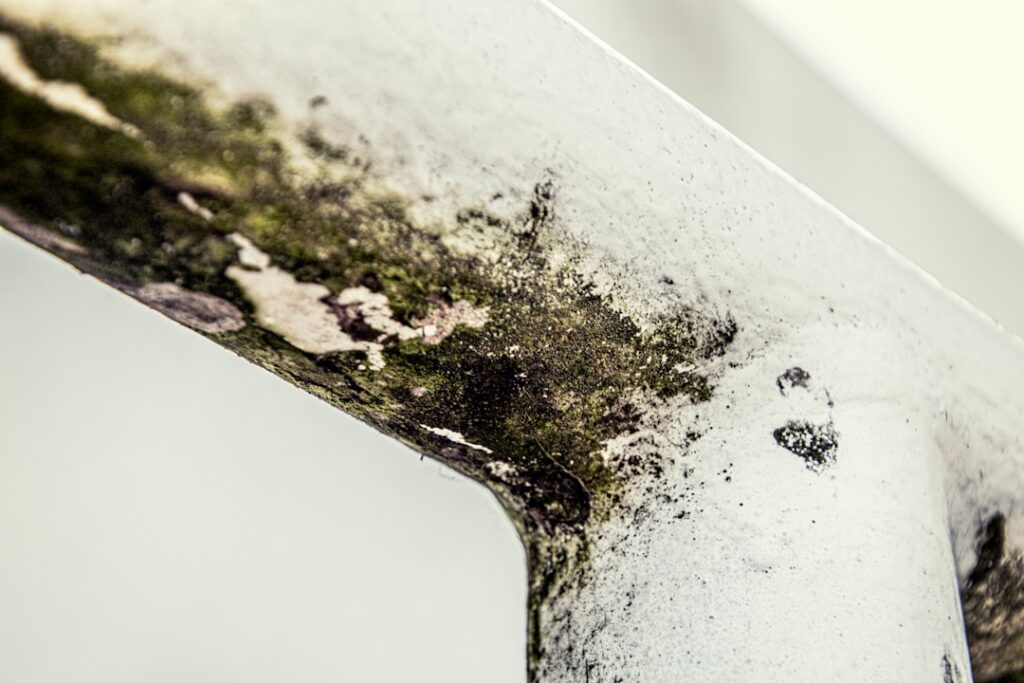
Black mold, the genus Stachybotrys chartarum, draws the most worried searches because it signals chronic water damage. A home test for black mold offers a DIY way to confirm a suspicion, but the value depends heavily on which method you choose and whether the situation calls for a professional instead. This guide summarizes EPA and CDC guidance current as of 2026; consult your physician for symptoms and a certified professional for testing decisions tied to a sale or remediation.
Part of our Black Mold & Your Health guide — start there for the full picture →
Is this mold, asbestos, or water damage? Get a free instant screen
Upload a clear photo of the suspect area. You'll get an instant AI screening opinion and what to do next. This is screening guidance, not a professional determination.
Screening guidance only. AI can be wrong. Confirm asbestos, mold type, or lead with lab testing or a licensed professional before acting.
Home test for black mold: the DIY options
Three home methods can detect black mold, each ending at a laboratory: surface swabs, tape-lifts, and air spore traps. Surface methods confirm whether a visible patch is Stachybotrys. Air sampling assesses what is circulating. None of them identifies black mold by color alone, because color is unreliable.
Choose the method by the question. Confirming a dark patch points to a surface test; assessing airborne spread points to an air test.
Why color cannot confirm black mold
Many common molds look dark green or black, including Cladosporium and Aspergillus, and Stachybotrys itself can appear greenish or slimy. A dark patch is not proof of black mold, and a black-mold problem can look unremarkable. Only laboratory microscopy or culture identifies the genus.
The CDC stresses that the cleanup response does not depend on identifying the species. All indoor mold warrants removal, which means a home test confirms a label more than it changes the plan.
Surface swab and tape-lift tests
A swab wipes a suspect patch; a tape-lift presses adhesive against it to preserve structure. Both go to a lab that identifies the genus. They are the cheapest, fastest way to answer is this black mold for a visible spot. Cost including analysis is modest.
The limit is scope. Surface tests confirm one spot and say nothing about airborne spores elsewhere. The black mold testing methods guide details each technique.
Air spore-trap tests
Air kits use a calibrated pump to draw a measured volume across a cassette that the lab analyzes for spore counts and genera. This assesses airborne load, including water-damage genera like Stachybotrys, across a room. It requires a pump and, ideally, a paired outdoor control.
Air testing is the right call when growth is suspected but hidden or when verifying a cleanup, rather than confirming a visible patch.
The outdoor control
A simultaneous outdoor sample sets the baseline. Indoor counts well above outdoor, featuring Stachybotrys absent outside, indicate an interior source. Without the control, an indoor number is hard to interpret.
Cost tiers for home black mold testing
Budget strips and settle plates sit under $20 but rarely include analysis and cannot reliably identify Stachybotrys. Mid-tier swab and tape-lift kits with prepaid lab shipping run roughly $30 to $80. Air kits with a pump and analysis land higher, often $100 to $200. Professional assessment starts in the low hundreds.
Match the spend to the stakes. A pre-purchase decision or a health concern justifies more than a curiosity check.
When to skip the home test
If you see a dark, fuzzy patch on damp drywall, the EPA’s guidance is to clean it and fix the leak regardless of species. Confirming it is Stachybotrys does not change the cleanup. Home testing earns its cost for hidden growth, unexplained symptoms, or verification.
For visible growth larger than about ten square feet, the EPA recommends professional remediation, where a contractor scopes any testing.
DIY versus professional for black mold
A careful homeowner can collect a usable surface or air sample, but a professional adds calibrated equipment, documented chain of custody, and interpretation against baselines. For a real estate transaction, an insurance claim, or a health-driven investigation, that documentation carries more weight.
For a quick confirmation of a visible patch you intend to clean anyway, DIY is reasonable. The mold inspection hub helps decide which route fits.
Health context without the alarm
Stachybotrys can produce mycotoxins under sustained wet conditions, fueling its reputation. The NIH-affiliated and CDC consensus is that all indoor mold can irritate airways and trigger allergic responses in sensitive people, and that removal plus moisture control is the priority over species hunting.
A home test result is environmental data, not a medical diagnosis. Persistent symptoms warrant a physician.
Step-by-step DIY collection
A careful homeowner can collect a usable sample by following the protocol exactly. For a surface test, put on a mask and gloves, then either wipe the patch firmly with the sterile swab along the included path or press the tape-lift cleanly against the growth and lift without sliding. Seal the sample in its sleeve without touching the collection surface.
For an air test, attach the calibrated pump to the cassette, set the specified flow rate, and run for the stated duration in the room of concern, with a matching outdoor sample collected the same day. Keep windows closed and HVAC running normally. Label everything by location and date, then ship promptly to the accredited lab. Precision at each step is what makes the result trustworthy.
Avoiding contamination during sampling
A contaminated sample is worse than no sample. Touching the swab tip, the tape adhesive, or the inside of a cassette transfers spores from your hands and skews the result. Sampling right after vacuuming or sweeping stirs settled spores into the air and inflates an air reading. Sampling near an open window pulls in outdoor spores that distort the comparison.
The defenses are simple: handle collection surfaces only by their edges or housing, avoid disturbing dust for an hour or more before sampling, and keep the space sealed during collection. Wearing a mask protects you from inhaling disturbed spores when sampling visible growth and also keeps your own breath from affecting the sample. Clean technique is free and decisive.
When DIY results should be double-checked
Some situations call for confirming a DIY result rather than acting on it alone. If a home sample drives a major decision, such as a purchase, an insurance claim, or a costly remediation, a professional sample provides documented, defensible data with chain of custody. If a DIY result conflicts with obvious water damage, a second opinion resolves the contradiction.
Re-sampling is also wise when technique was uncertain, for instance if a window was open or the pump’s flow could not be verified. A DIY test is a reasonable screen, but it is not the final word when the stakes are high. Knowing when to corroborate keeps a quick home test from carrying more weight than its method can bear.
Cost of acting versus cost of testing
It helps to weigh testing against the cost of the action it informs. Confirming a small visible patch with a lab test costs money and time, yet the cleanup for a small area is inexpensive and recommended regardless of species. In that case testing rarely changes the decision, so spending on it adds little.
For a large or hidden problem, the calculus shifts. Here a test can prevent either an unnecessary major remediation or a missed serious one, so the cost of testing is small against the cost of getting the action wrong. Matching the testing spend to the size of the decision it guides keeps the budget aligned with the actual stakes.
Front Range black mold notes
Stachybotrys needs sustained wetness, which in Colorado comes from basement seepage, plumbing leaks, ice dams, and snowmelt against foundations rather than ambient humidity. The dry outdoor air rarely sustains it, but a slow leak behind a finished basement wall easily can.
Because the trigger is usually a contained water source, finding and fixing that source is the real test. Sample the low, enclosed spaces where water collects.
Surface versus air for a black mold home test
The two method families answer different questions, and picking the wrong one wastes the test. A surface method, swab or tape-lift, confirms whether a specific dark patch is Stachybotrys. It is fast, inexpensive, and ideal when you have a visible spot to identify. An air method assesses what is circulating, which matters when growth is hidden or you want to know what occupants breathe.
A practical rule: if you can point at the growth, use a surface test; if you suspect it but cannot see it, use a paired air test. Trying to confirm a visible patch with an air sample is roundabout, and trying to assess airborne load with a surface swab is impossible. Matching the method to the question is the single biggest factor in getting a useful home result.
How weather affects a home black mold test
Outdoor spore levels swing with the seasons and weather, which directly affects an air-based home test. A high outdoor-count day can make indoor numbers look elevated simply through infiltration, while fresh snowfall can scrub outdoor air nearly clean. This is why a same-day outdoor control is essential rather than optional.
Collecting the indoor and outdoor samples at the same time lets weather-driven swings affect both equally, so they cancel out in the comparison. Comparing an indoor sample to an outdoor figure from a different day reintroduces the very error the control is meant to remove. For surface tests this matters less, since they confirm a specific spot rather than ambient air, but for any air sample, timing the control to match is non-negotiable.
Documenting a home test for later use
A home result is more valuable when documented. Record each sample’s location, the date and time, the conditions, including HVAC state and weather, and the genera and concentrations the lab returned. Photograph any visible growth before sampling. This record turns a loose lab sheet into evidence you can use.
Good documentation supports several later needs: guiding a remediation contractor to the right spots, providing a baseline for clearance testing after a cleanup, and supporting disclosure if you sell. If a DIY result must be defended in a transaction or claim, the record also reveals its limits, which is honest and useful. A few notes at collection time preserve the value of a test you cannot redo under the same conditions.
Turning a result into action
If the test confirms black mold, find and stop the moisture, then remediate the affected materials. Re-test with the same method afterward to confirm the cleanup. Small areas can often be handled by a homeowner with precautions; larger areas point to professional remediation.
The genus matters less than the water. Remove the growth, dry the structure, and close the leak, and the black-mold question resolves itself.
The bottom line on a home black mold test
A home test for black mold confirms a genus through an accredited lab, since color cannot identify Stachybotrys and no instant gadget replaces microscopy. Pick a surface method for a visible patch and a paired air method, with a same-day outdoor control, for hidden or airborne concerns. Collect carefully, avoid contamination, and document the conditions so the result holds up later.
Weigh the cost of testing against the size of the decision it informs. For a small visible patch you intend to clean anyway, testing rarely changes the EPA-recommended response of cleaning and fixing the moisture. For a hidden problem, a purchase, or a claim, a careful DIY sample or a professional assessment earns its cost. In every case, the genus matters less than the water, so finding and stopping the moisture is the real home test for black mold.
References
- CDC on Stachybotrys and black mold — Centers for Disease Control and Prevention
- EPA on mold cleanup and remediation — U.S. Environmental Protection Agency
- NIEHS on mold and health effects — National Institute of Environmental Health Sciences
Frequently asked questions
What is the best home test for black mold?
For a visible patch, a swab or tape-lift analyzed by an accredited lab. For airborne assessment, an air spore-trap kit with a calibrated pump and a paired outdoor control. No method identifies black mold by color.
Can a home test confirm Stachybotrys?
Yes, when the sample goes to a lab that identifies genera under magnification. Color cannot confirm it, and a clean-looking patch can still be Stachybotrys, so lab analysis is required.
Should I test or just clean visible black mold?
The EPA recommends cleaning visible mold and fixing the moisture regardless of species, so testing visible growth rarely changes the response. Testing helps mainly for hidden growth or verification.
When should I hire a professional instead?
For a real estate transaction, an insurance claim, a health investigation, or growth larger than about ten square feet, a professional adds calibrated equipment and documented interpretation.
Front Range homeowners facing a possible black mold problem can connect with a vetted inspector through our contact page for sampling and next steps.