Home Inspector Course: What You Need to Know
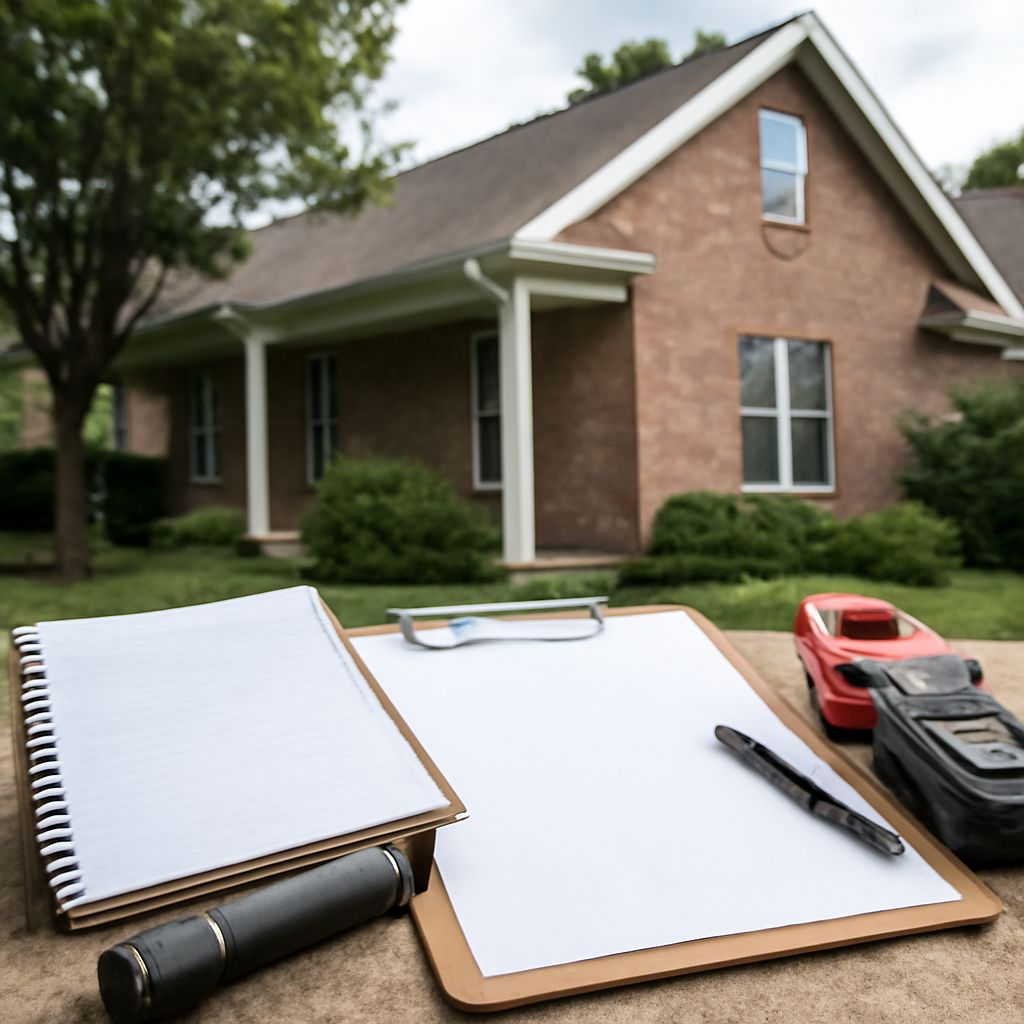
Becoming a home inspector starts with education, and a home inspector course is where that education happens, covering everything from roof structures to electrical panels to the standards of practice that govern the profession. The right course does more than tick a licensing box; it builds the judgment an inspector relies on when standing in an unfamiliar attic deciding what to report. Because requirements and offerings vary widely by state and provider, understanding what a quality course includes, how formats differ, and what it costs helps prospective inspectors choose well. This guide summarizes general industry and trade-association guidance current as of 2026 and is informational rather than a substitute for your state’s specific licensing rules.
What a Home Inspector Course Covers
A comprehensive course walks through the home as a set of interacting systems. Students study the building’s structure and foundation, roofing and exterior, plumbing, electrical systems, heating and cooling, insulation and ventilation, and interior components. Each module teaches not only how a system works but how it fails, what defects look like, and which findings rise to the level of a reported safety or functional concern.
Beyond systems knowledge, a good course teaches the professional framework around the inspection: the standards of practice published by associations such as ASHI and InterNACHI, report writing, the inspector’s scope and limitations, ethics, and risk management. It also introduces the instruments inspectors use, the moisture meters, thermal cameras, and borescopes that turn a visual survey into evidence. The broader context of the field, including how clients evaluate inspectors, is laid out in the guide to hiring a home inspector, which is useful background for anyone entering the profession from the service side.
Course Formats and What to Expect
Courses come in three broad formats, and many programs blend them. Self-paced online courses let students study on their own schedule, which suits people changing careers while still employed; the trade-off is less direct interaction and a reliance on self-discipline. Live instructor-led classes, whether in person or virtual, add real-time questions, demonstrations, and structure, and some states require a portion of training to be delivered live rather than purely online.
Hands-on field training is the format that separates competent inspectors from those who have only read about a crawl space. Field components, often through ride-alongs, mock inspections, or supervised inspections, teach students to recognize real conditions, navigate the physical demands of attics and roofs, and practice describing findings. Many states require a number of supervised or field inspections before licensure precisely because classroom knowledge alone does not produce a safe inspector. When comparing programs, weigh how much genuine hands-on experience each provides, not just classroom hours. The realities of the work itself are described in the overview of what home inspectors do.
State Requirements and Course Approval
Licensing is not federal, so requirements differ sharply by state. Some states license home inspectors and mandate a specific number of approved education hours, a passing score on an exam, and a set of supervised inspections; others have lighter or no state licensing and rely on association certification instead. Before enrolling, a prospective inspector should confirm their state’s rules and that the course is approved or recognized for that state’s requirements, because an unapproved course can leave a student with hours that do not count.
The National Home Inspector Examination, recognized in many licensing states, is a common benchmark, and quality courses prepare students for it. Association credentials from ASHI and InterNACHI carry weight with clients and, in some states, satisfy or supplement licensing. Because the timeline and steps depend on these state-by-state rules, the related guidance on how long it takes to become a home inspector is worth reading alongside any course decision. Colorado, notably, does not impose a state license for home inspectors, which makes choosing a reputable course and earning a respected certification especially important for credibility on the Front Range.
What a Home Inspector Course Costs
Pricing varies with format, depth, and included materials. Self-paced online courses tend to sit at the lower end, while programs that bundle live instruction, field training, exam preparation, and association membership cost more. Some providers package the course with the tools, report-writing software, and ongoing support a new inspector needs to start a business, which raises the price but reduces the number of separate purchases.
The cheapest course is not always the best value. A program that gets a student through the minimum hours but leaves them unprepared for real inspections or the licensing exam can cost more in failed exams, weak early reports, and liability exposure than a more thorough program. Prospective inspectors should also budget beyond the course for exam fees, licensing or certification fees, tools, and insurance. The insurance piece is significant and often overlooked, and the explainer on home inspector errors and omissions insurance covers why coverage matters before taking a first paid job.
How to Choose a Home Inspector Course
Start with approval. Confirm the course meets your state’s licensing requirements or, in non-licensing states, that it leads to a respected certification clients recognize. Then evaluate the curriculum for breadth across all major home systems and depth in defect recognition, not just system descriptions. Look closely at the hands-on component, since field experience is what builds real competence, and prefer programs that include or arrange supervised inspections.
Check that the course prepares you for the National Home Inspector Examination or your state’s exam, and that it teaches report writing and the standards of practice, the skills you use every day. Consider the provider’s reputation, instructor credentials, and whether ongoing support, mentorship, or continuing education is available, because the learning does not stop at licensure. Finally, weigh the total cost of entering the field, course plus exam, fees, tools, and insurance, rather than the course price alone. Anyone weighing the profession as a career can pair this with the broader look at the path in the guide to home inspection jobs and career paths.
After the Course: Turning Training Into a Career
Completing a course is the beginning, not the end. New inspectors typically sit for the required exam, obtain any state license or association certification, secure errors-and-omissions and general liability insurance, and assemble their toolkit before taking paying clients. Many work alongside an experienced inspector first, since early field experience under supervision builds the judgment that classroom modules introduce but cannot fully instill.
Continuing education keeps an inspector current as codes, standards, and building practices evolve, and most associations require it to maintain certification. Building a client base, understanding contracts and report delivery, and managing risk are business skills the best courses begin to address but that experience refines. For those entering the field on the Front Range, where there is no state license, a respected certification and visible professionalism carry the credibility that licensing provides elsewhere. The foundational education from a strong home inspector course is what the rest of that career is built on.
Online Versus In-Person Courses: Weighing the Trade-Offs
The choice between online and in-person instruction shapes both the learning experience and, in some states, whether the hours count. Online self-paced courses offer flexibility that suits career changers studying around an existing job, lower cost in many cases, and the ability to revisit material. The weakness is the lack of real-time interaction and the absence of physical practice, which means a purely online student must seek hands-on experience separately. Some states also cap how much of the required education may be delivered online, so an all-online program may not satisfy a licensing requirement on its own.
In-person and live virtual classes add the value of immediate questions, instructor demonstrations of defects and tools, and the structure that keeps students progressing. Their costs are usually higher and the schedule less flexible. The strongest programs blend the two: online modules for knowledge delivery paired with live sessions and, critically, field components for hands-on practice. When comparing, a prospective inspector should confirm the format mix against their state’s rules and their own learning style, and prioritize any program that builds in real field experience over one that is convenient but classroom-only. The realities the training prepares a student for are described in the overview of what home inspectors do.
The Exam and Certification That Follow a Course
A course is preparation for credentials, and understanding the credentialing landscape clarifies what a course should deliver. The National Home Inspector Examination is recognized in many licensing states as the standardized test of competency, and a quality course aligns its curriculum to the knowledge that exam covers, building systems, standards of practice, report writing, and ethics. Some states administer their own exam or add a state-specific component on top of the national test.
Beyond licensing exams, association credentials carry independent weight. ASHI and InterNACHI both offer membership tiers and certifications that require education, passing an exam, and in some cases a number of verified inspections, and these credentials signal competence to clients regardless of state licensing. In states like Colorado that do not license home inspectors, a respected association certification effectively becomes the credential clients look for, which makes choosing a course that leads to one especially important. A course that prepares a student for both the national exam and a recognized certification provides the broadest foundation. For the full timeline from coursework through credentialing, the related guidance on how long it takes to become a home inspector maps each step.
What Sets a Strong Course Curriculum Apart
Not all curricula are equal, and the difference shows up in early career performance. A weak course delivers the minimum hours as a series of system descriptions, leaving a graduate who can name parts of a furnace but cannot judge whether a finding rises to a reportable defect. A strong course teaches diagnostic reasoning: how each system fails, what those failures look like in the field, how to distinguish a cosmetic issue from a safety concern, and how to write a clear, defensible report that protects both the client and the inspector.
The best programs also cover the business and risk-management realities the work demands, the inspector’s scope and its limits, the language of a pre-inspection agreement, ethics, and how to communicate findings without overstating or understating them. They introduce the tools of the trade, moisture meters, thermal cameras, and inspection cameras, and when each is appropriate, since a modern inspection increasingly relies on instruments to support visual findings. A graduate who understands both the building and the profession around it is far better prepared than one who merely passed an exam. The instruments such a course introduces are surveyed in the related overview of home inspector tools and what they do.
Budgeting for the Full Path, Not Just Tuition
Prospective inspectors who budget only for course tuition are often surprised by the total cost of entering the field. Beyond the course, expect exam fees for the national or state examination, licensing or certification fees, and the cost of association membership where it adds credibility. Tools represent a significant outlay: a basic kit, plus the moisture meters and thermal imaging many inspectors adopt, can run into the thousands depending on quality. Report-writing software, a vehicle suited to the work, and marketing to build a client base add more.
Insurance is the line item most often underestimated and least optional. Errors-and-omissions coverage and general liability insurance protect an inspector from the financial consequences of a missed defect or an injury claim, and many clients and referral partners expect proof of coverage before working with an inspector. Skipping it to save money exposes a new business to ruinous risk. Treating the course as the first investment in a larger startup budget, rather than the whole cost, leads to realistic planning and a smoother launch. The coverage piece specifically is explained in the guide to home inspector errors and omissions insurance.
References
- Standard of Practice and Education — American Society of Home Inspectors
- Home Inspector Education and Certification — International Association of Certified Home Inspectors
- Building Codes and Inspection Resources — International Code Council
Home inspector exam prep & study picks
Studying for the National Home Inspector Examination (NHIE) or a state licensing exam? These are the study guides and field references aspiring inspectors rely on.
| Product | Why | Buy |
|---|---|---|
 NHIE Exam Prep Study Guide NHIE Exam Prep Study Guide | Practice questions + content review for the national exam. | Amazon — $11.99 |
 Principles of Home Inspection (Carson Dunlop) Principles of Home Inspection (Carson Dunlop) | Widely used training reference series. | Amazon — $159.00 |
 Code Check Complete Code Check Complete | Illustrated building-code field guide inspectors carry. | Amazon — $55.99 |
 Home Inspector Starter Tool Kit Home Inspector Starter Tool Kit | Flashlight, outlet tester, and basics to get started. | Amazon — $54.99 |