Does Mold Have to Be Removed Professionally
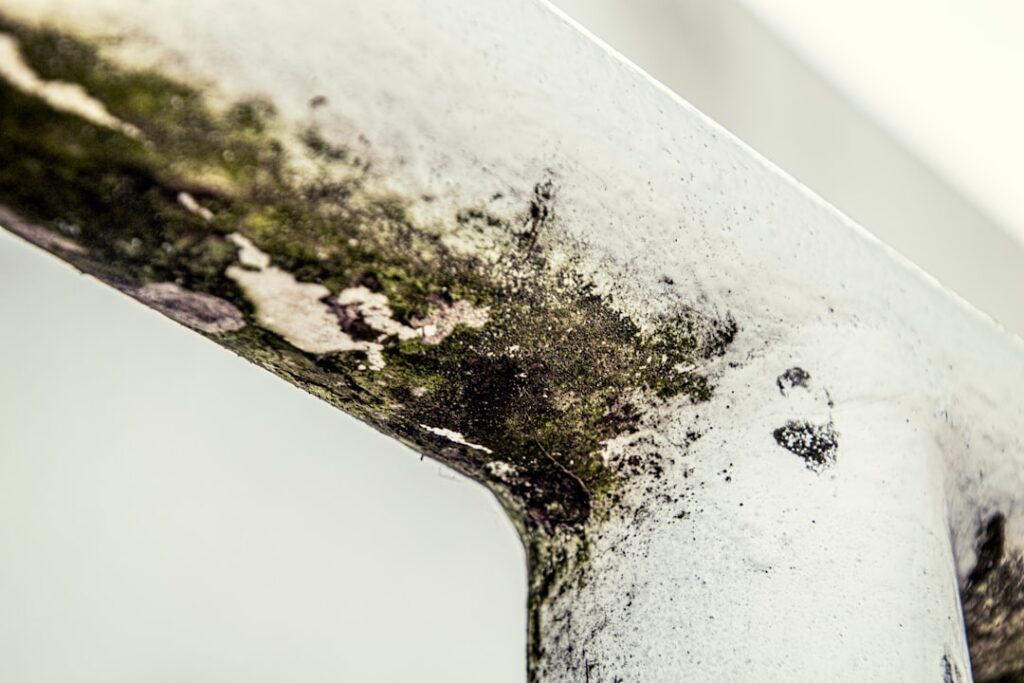
Homeowners staring at a patch of mold on a bathroom ceiling or a basement wall usually ask one question first. Do they have to hire a professional, or can they handle it themselves? The honest answer is that it depends on size, substrate, health status of the occupants, and sometimes legal requirements tied to the property type. EPA guidance gives a workable rule of thumb at ten square feet, but the full decision involves more than just area. This guide summarizes EPA, CDC, and InterNACHI recommendations current as of 2026. Consult a licensed remediator before tackling anything larger than a small surface patch, and consult your physician for any respiratory symptoms that prompted the discovery.
Is this mold, asbestos, or water damage? Get a free instant screen
Upload a clear photo of the suspect area. You'll get an instant AI screening opinion and what to do next. This is screening guidance, not a professional determination.
Screening guidance only. AI can be wrong. Confirm asbestos, mold type, or lead with lab testing or a licensed professional before acting.
The short answer with the standard EPA threshold
The EPA mold guide for schools and commercial buildings gives the most widely cited threshold. Areas smaller than ten square feet, roughly a three foot by three foot patch, on hard non porous surfaces can usually be cleaned by a homeowner using ordinary cleaning supplies and an N95 respirator. Areas larger than that, or growth on porous materials like drywall and carpet, should be handled by a professional remediator. This is a guideline, not a regulation. It assumes the homeowner is healthy, the moisture source is identified and fixed, and the work can be done safely with personal protective equipment.
Real homes rarely fit the guideline cleanly. A patch on a bathroom ceiling may be three square feet but extends into the drywall behind, making it functionally larger. Surface growth on tile grout may look like five square feet but extends through the entire bathroom over time. The threshold should be treated as a starting point for the decision, not a strict cutoff.
When DIY is the right call
Five conditions need to be true at once for a homeowner to handle removal themselves. First, the visible area is under ten square feet. Second, the surface is non porous, like tile, fiberglass, sealed concrete, painted metal, or glass. Third, no household member has documented asthma, mold allergy, immune suppression, or other respiratory illness. Fourth, the moisture source has been identified and can be fixed by the homeowner. Fifth, the homeowner can wear an N95 or P100 respirator, nitrile gloves, and eye protection for the duration of the cleaning.
If all five conditions hold, the cleanup itself is straightforward. Mechanically scrub the surface with detergent and water. Apply an EPA registered antimicrobial or a one part bleach to ten parts water solution with at least ten minutes of contact time. Rinse and dry completely. Monitor the area for recurrence over the next month. Address ventilation or moisture issues that contributed to the growth.
When a professional is recommended
Several conditions push the decision the other way. Any of these alone moves the project into professional territory.
Area over ten square feet
Once contiguous growth exceeds roughly ten square feet, the disturbance during cleaning produces enough airborne spore load that engineering controls are needed to keep the contamination contained. A homeowner working without containment will spread spores throughout the house.
Porous substrates
Drywall paper, insulation, carpet, carpet pad, fabric upholstery, and bare wood absorb water and allow mold to colonize beneath the visible surface. Cleaning the surface does not remove the hidden colony. Our porous surfaces removal guide walks through which materials can be saved and which need replacement.
Health vulnerabilities
The CDC and EPA both recommend professional removal if anyone in the household has asthma, immune suppression, allergies to mold, or other respiratory conditions. Children under two and adults over sixty five also fall in higher risk categories. Professional remediators use full containment that protects vulnerable occupants better than homeowner cleanup.
Hidden growth and structural involvement
Mold inside a wall cavity, on roof sheathing in an attic, on framing in a crawl space, or under flooring is rarely visible until exploratory work begins. A homeowner who finds mold during a renovation should stop and call a professional rather than continue without containment.
Sewage backflow or category three water
Mold tied to sewage involvement, flooding from outside sources, or other category three water damage requires IICRC S500 restoration protocols and is never a DIY scope. The biological contamination risk extends beyond mold spores to bacteria and pathogens.
When professional removal is legally or contractually required
Some property situations remove homeowner discretion entirely. Rental properties in several states require certified remediation for any documented mold finding once a tenant complains, regardless of size. Colorado does not have a state level mold remediation license, but Boulder and Denver have local rental codes that require habitability documentation. Commercial buildings, schools, and healthcare facilities trigger licensed remediation rules under OSHA and CDC building hygiene guidance. Real estate transactions that disclose mold during diligence often produce buyer demands for professional removal with documented clearance regardless of the EPA threshold.
Homeowner insurance policies vary. Some carriers will pay for mold remediation tied to a covered water loss only if the work is performed by a licensed remediator and documented with pre and post clearance testing. A homeowner doing the work themselves may forfeit coverage even if the underlying water loss was covered. Check the policy or call the agent before starting work on anything that might be a claim.
The hidden cost of a botched DIY cleanup
The genuine risk of DIY removal is not the price of cleaning supplies. It is the cost of cleanup gone wrong. Three failure modes account for most botched jobs. First, incomplete removal because the visible surface was cleaned but the hidden colony in porous substrate remained. Within weeks, the growth returns and may now spread further than the original patch. Second, cross contamination because cleaning disturbed spores without containment, depositing them throughout the house. The original problem becomes a whole house problem. Third, missed moisture source. Cleaning the visible mold without fixing the leak, condensation, or humidity issue that produced it guarantees recurrence.
A failed DIY cleanup commonly costs more than the original professional bid would have. The remediator now needs to address a larger area, more contamination, and sometimes a damaged substrate that has rotted from continued moisture. Documentation for a real estate sale or insurance claim is also harder to assemble after a homeowner has disturbed the evidence.
How to vet a professional if you decide to hire one
The basics worth checking on any mold remediator are training, insurance, and scope clarity. Ask for IICRC S520 training certificates for the project manager and lead technicians. Confirm pollution liability insurance is in place, not just general liability, because most contractor policies exclude mold claims. Request a written scope that specifies containment construction, PPE level, disposal method, and whether third party clearance testing is included.
The conversation with a reputable remediator should sound like a diagnostic interview before the bid is finalized. Where is the moisture coming from? Has the source been fixed? What size area is visible, and is hidden growth suspected? Are any occupants in higher risk health categories? A contractor who quotes a price without asking these questions is selling a template rather than scoping a project. Our mold inspection hub covers the diagnostic stage in more detail, and our guide to who removes mold walks through how the licensing landscape varies by state.
A decision tree for the typical homeowner
If the patch is under ten square feet, on a non porous surface, no occupants have respiratory vulnerabilities, the moisture source is clear and fixable, and the property is not a rental or commercial space, DIY is reasonable. Wear an N95 or better, work in a ventilated area, and address the moisture source before cleaning.
If any of those conditions fail, hire a professional. The same applies to any mold discovery during real estate diligence, any growth visible after a flood or sewage event, any patch in a rental property, and any case where the homeowner is uncertain about the extent. A 200 to 400 dollar inspection from a third party hygienist is cheaper than a botched cleanup and produces documentation that holds up if a claim or sale is on the line.
Cost comparison between DIY and professional removal
A DIY cleanup of a small bathroom patch usually costs less than fifty dollars in supplies. An N95 respirator runs about two dollars per disposable mask or twenty dollars for a reusable half mask with cartridges. Nitrile gloves, a stiff brush, EPA registered antimicrobial cleaner, and a roll of contractor trash bags round out the kit. Replacement caulk and a tube of mold resistant primer add another twenty to thirty dollars. The total for a confident homeowner handling a five square foot bathroom patch is well under one hundred dollars and a Saturday afternoon.
Professional remediation costs scale with size and complexity. A small bathroom job that a professional treats with proper PPE and disposal runs three hundred to seven hundred dollars in most Front Range markets. A 100 square foot basement project runs 1,500 to 3,500 dollars depending on substrate involvement. Full containment with third party clearance can push a similar size project to 3,500 to 6,000 dollars. The pricing difference is real, but so is the documentation and the lower risk of cross contamination. Homeowners who choose DIY for legitimate reasons should not be embarrassed about it, and homeowners who hire out a scope under ten square feet should also be comfortable with that choice if their circumstances justify it.
What about renters who discover mold?
Renters generally should not attempt removal themselves. Standard residential leases assign habitability responsibility to the landlord, and a tenant who cleans visible mold may inadvertently complicate a later complaint or move out claim. The correct workflow is to document the growth with timestamped photos, notify the landlord in writing, and request professional remediation. If the landlord refuses or delays, local code enforcement and the state attorney general’s renter protection guidance offer escalation paths. The HUD healthy homes program also publishes tenant resources on mold and indoor air quality.
When to call a professional
Call a remediator any time the visible area exceeds ten square feet, any time porous materials are involved, any time household occupants have respiratory or immune vulnerabilities, any time mold is tied to a flood or sewage event, and any time the moisture source cannot be identified or fixed by the homeowner. Call an independent mold inspector before hiring a remediator if the scope is uncertain or if a second opinion is needed on a high quote. The cost of a single inspector visit is usually under five hundred dollars and produces documentation that protects the homeowner during the project and afterward in any disputes that arise.
A second opinion is especially valuable on quotes above five thousand dollars or any quote that calls for whole house treatment. Reputable remediators welcome second opinions because their scope holds up under scrutiny. Contractors who pressure homeowners to sign quickly should be treated with skepticism.
References
- EPA mold cleanup in your home — United States Environmental Protection Agency
- CDC mold cleanup guidance — Centers for Disease Control and Prevention
- InterNACHI mold inspection standards — International Association of Certified Home Inspectors
- OSHA mold safety and health topics — Occupational Safety and Health Administration
If you are weighing DIY against a professional mold quote on a Front Range property, an independent inspector can give you a scope opinion before you commit. Reach out through our contact page for a vetted referral.