Bathtub Replacement Cost: Alcove, Freestanding and More
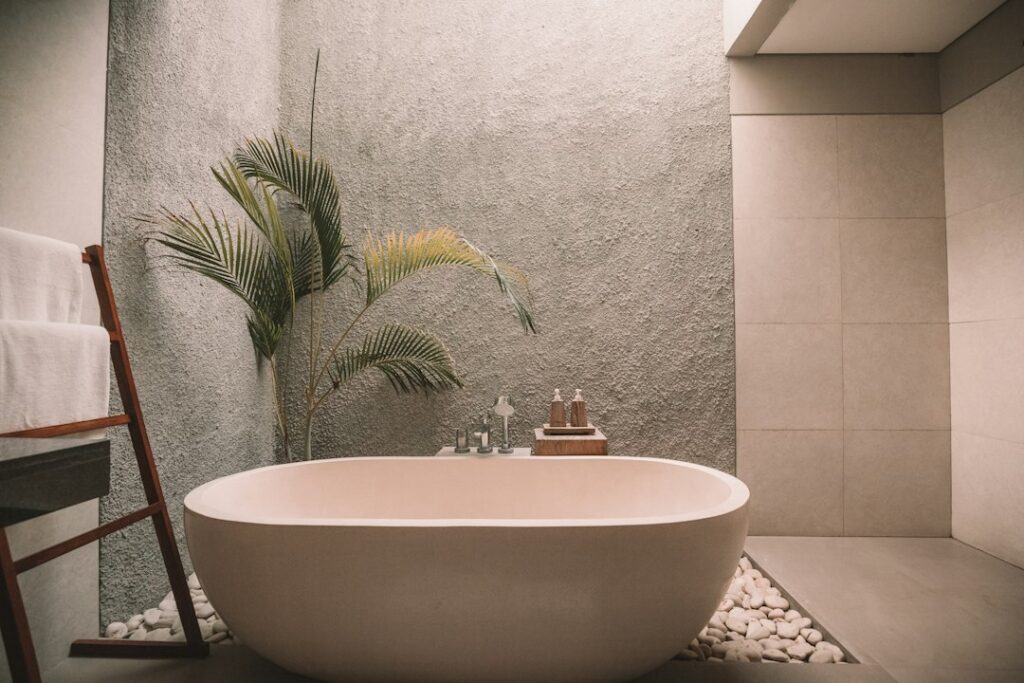
Bathtub replacement cost usually falls between about $1,500 and $5,000 for a standard acrylic or fiberglass alcove tub swapped into the same space, and climbs to $4,000 to $15,000 or more for cast iron, drop-in or freestanding tubs, especially when plumbing has to move. The tub itself is often the smaller part of the bill. Removal, the wall tile or surround around the tub, the drain and valve work, and the floor framing under a heavy tub drive most of the price. This guide covers typical national ranges by tub style and material, the hidden work that turns a simple swap into a remodel, when refinishing or a liner makes more sense, how to read a quote, and what a home inspector notices. All figures are typical planning ranges for 2026, not quotes; local labor and permit rules vary, so collect written bids from local contractors.
Part of our Structure & Exterior guide — start there for the full picture →
Planning a bathroom or kitchen remodel? Talk to a local remodeler.
📞 Call (844) 791-3031Bathtub Replacement Cost by Tub Type
The table below shows typical national ranges, 2026 — get local quotes. Ranges include the tub, removal of the old tub, basic plumbing reconnection and labor. They do not include major wall or floor repairs unless noted.
| Tub type | Typical installed range | Main cost driver |
|---|---|---|
| Alcove acrylic or fiberglass, same size, minimal wall work | $1,500–$4,000 | How much wall tile or surround must come off to reach the tub flange |
| Alcove tub plus new surround or tile walls | $3,500–$9,000 | Tile labor and waterproofing on the three walls |
| Enameled steel alcove tub | $1,800–$4,500 | Similar labor to acrylic; tub is inexpensive but louder and colder |
| Cast iron alcove tub | $3,500–$9,000+ | Heavy tub, extra crew, possible floor reinforcement |
| Drop-in tub with built deck | $3,000–$10,000 | Deck framing, tile or stone deck, access panel |
| Freestanding tub | $4,000–$15,000+ | Floor-mounted filler, relocated drain, finished floor under the tub |
| Walk-in tub | $5,000–$20,000 | Specialty unit, electrical for heaters or jets, larger drain and water supply |
If you are also replacing the vanity, toilet and flooring, see our bathroom remodel cost guide for whole-room numbers.
Alcove, Drop-In or Freestanding: How Style Changes the Job
Alcove tubs
An alcove tub sits in a three-walled recess and is the most common tub in American homes. It has a tiling flange along the back and sides that is fastened to the studs, with tile or a surround lapped over it. That design is good at keeping water out of the wall, but it also means the old tub cannot come out without removing at least the bottom rows of tile or the lower part of the surround. Replacing a tub in an alcove is therefore partly a wall project.
When the existing walls are a one-piece or multi-piece surround, many owners replace the tub and surround together. Our guide to the tub surround compares acrylic, solid-surface and tile options. Matching old tile after a partial removal is often hard, so contractors frequently recommend redoing all three walls.
Drop-in tubs
A drop-in tub sits inside a framed platform or deck, with only its rim showing. The deck is usually finished in tile or stone. Costs rise because the deck must be framed, waterproofed and finished, and because the plumbing should remain reachable through an access panel. Drop-in tubs suit larger bathrooms and corner layouts, and many jetted tubs are drop-in units.
Freestanding tubs
A freestanding tub stands on its own, away from walls or with its back near one wall. It looks simple, but the plumbing is often the costliest part: the drain usually has to move to the tub’s new position, and the faucet may be a floor-mounted filler that needs supply lines run up through the floor. The floor under and around the tub must be finished, since it is now visible. For deep, relaxing tubs in this style, our guide to the soaking tub covers sizing and capacity.
Tub Materials: Weight, Feel and Floor Framing
| Material | Weight | Strengths | Weaknesses |
|---|---|---|---|
| Fiberglass (gelcoat) | Light | Lowest cost, easy to carry and install | Can flex, scratch and fade; shorter typical life |
| Acrylic | Light | Warmer to the touch, many shapes, repairable surface | Needs proper base support to avoid flexing and cracks |
| Enameled steel | Moderate | Rigid, affordable, glossy finish | Enamel chips, can rust at chips; noisy and cools water faster |
| Cast iron (enameled) | Very heavy, often several hundred pounds empty | Very durable, holds heat, classic look | Hard to carry and remove; may need floor reinforcement |
| Solid surface or stone resin | Heavy | Premium look, often used for freestanding tubs | Higher material and handling cost |
Weight matters more than most shoppers expect. A filled cast iron or stone resin tub plus a person can place a large load on a small area of floor. On a ground-floor slab that is rarely an issue. On an upper floor or over a crawl space, the contractor should check joist size, spacing and condition, and some projects need sistered joists or added blocking before a heavy tub goes in. Ask the bidder directly whether they have checked the framing.
Lightweight acrylic and fiberglass tubs have their own requirement: many manufacturers call for a mortar or foam bed under the tub so the bottom does not flex. Skipping that bed is a common shortcut, and it is a frequent reason a newer tub creaks or cracks.
Removal: Why the Old Tub Can Cost More Than You Think
Removing a fiberglass or acrylic tub is usually straightforward: disconnect the drain and overflow, cut the surround or remove the lower tile, unfasten the flange and slide or cut the tub out. Cast iron is a different job. Old cast iron tubs often do not fit through modern doorways or around tight hallways, so crews either carry them out with several people or break them into pieces in place. Breaking requires eye and hearing protection and careful protection of nearby surfaces, and it adds labor.
Other removal factors:
- Wall tile set in mortar: older tile on a mortar bed is heavy and slow to remove compared with tile on drywall or cement board.
- Upper floors and stairs: carrying a heavy tub up or down stairs adds crew time.
- Disposal: some disposal sites charge more for heavy items or for mixed demolition debris.
- Older materials: homes built before 1978 may have lead-based paint on walls and trim around the tub, and older homes may have asbestos in some adhesives, joint compounds or textured surfaces. The EPA’s Renovation, Repair and Painting Rule requires firms that disturb painted surfaces in pre-1978 homes to be certified and to use lead-safe work practices, and EPA recommends accredited professionals for sampling suspected asbestos. Test before demolition if your home is that age.
Plumbing and Valve Work
Keeping the new tub’s drain on the same end as the old one is the simplest path. Changing from a left-hand to a right-hand drain, moving to a freestanding layout or switching to a center-drain tub means opening the floor to move the drain and trap. That is easy over an unfinished basement and harder over a finished ceiling or a slab.
The drain and overflow assembly, often called the waste and overflow, is normally replaced with the tub. Our guide to the bathtub overflow drain explains how it works and why a loose overflow gasket is a common leak source.
The valve deserves a decision too. If the wall around the valve is open, it is the cheapest time to replace an old valve with a pressure-balancing or thermostatic valve that limits sudden temperature swings. The U.S. Consumer Product Safety Commission notes that most tap water scald injuries involve older adults and children under five, and it urges households to set water heaters to 120 degrees Fahrenheit. That matters for tubs because children are bathed in them and because a deep tub is filled at full hot flow.
Large soaking and freestanding tubs raise one more question: can your water heater fill them? A tub that holds far more water than a standard alcove tub can empty a smaller tank before it is full. Ask the plumber to compare the tub’s capacity with your water heater, and remember that gas appliances lose some output at Front Range altitudes, so a gas heater’s recovery may be slower than its sea-level rating suggests.
Repair, Refinish, Line or Replace?
Not every worn tub needs to come out. These rules of thumb help frame the choice; they are guidelines, not fixed thresholds.
| Option | Typical range | Best for | Limits |
|---|---|---|---|
| Spot chip or crack repair | $150–$500 | Small chips in enamel or acrylic | Cosmetic; does not fix flexing or leaks |
| Refinishing or reglazing | $400–$1,200 | Sound cast iron or steel tub with a worn or dated finish | Coating can peel if prep is poor; fumes during work |
| Acrylic liner or insert | $1,500–$5,000 | Covering a sound tub, often with matching wall panels | Hides the original surface; water can get trapped if poorly sealed |
| Full replacement | $1,500–$15,000+ | Cracked, leaking or flexing tubs; layout changes | More demo, wall work and plumbing |
A reasonable rule of thumb: if the tub is structurally sound and does not leak, refinishing a cast iron or steel tub is often the best value, because the shell can outlast several coatings. If the tub is cracked, flexes underfoot, or water is getting into the floor, replacement is usually the better choice. Our bathtub refinishing guide covers prep, durability and what to ask a refinisher.
If bathing is becoming difficult, a different fixture may make more sense than a new tub of the same type. A walk-in tub provides a door and seat but costs more and fills and drains more slowly. Replacing the tub with a shower is another path; our guide to tub-to-shower conversion walks through it. If this is the only tub in the house, consider resale, since some buyers want at least one.
Three Common Scenarios and How They Price Out
Real projects rarely match a single table row. These three illustrative scenarios show how the same goal, a new tub, can land at very different prices. The figures are typical ranges for planning, not quotes.
Scenario 1: Fiberglass alcove tub in a hall bath, same size
The existing tub is a 1990s fiberglass unit with a matching one-piece surround, and the drain is on the same end as the new tub. The crew cuts out the old unit, checks the subfloor, sets a new acrylic tub on a mortar or foam bed, installs a new three-piece surround and replaces the valve trim. With no surprises, this is usually a two- to three-day job toward the low-to-middle part of the alcove range. The main swing factor is whether the subfloor around the drain is soft once the old tub is out.
Scenario 2: Cast iron tub with original tile in a 1960s home
The cast iron tub is chipped but structurally sound, and the original wall tile is set in mortar. Replacing it means testing for lead and asbestos first, breaking the tub out in pieces, removing the mortar-set tile, possibly repairing framing, then installing a new tub and three tiled walls with waterproofing. That moves the project firmly into the upper range, and it may take one to two weeks. In this situation, many owners compare the replacement bid against simply refinishing the existing cast iron tub and regrouting the tile, which can cost a small fraction of the full job if the walls are dry and sound.
Scenario 3: Freestanding soaking tub in a primary bath
The owner wants to remove a drop-in tub and deck and set a freestanding tub in the middle of the room. The drain must move, a floor-mounted filler needs new supply lines through the floor, and the area where the deck stood needs new flooring. If the bathroom is on the second floor, the framing under the new location should be checked for the added load. Plumbing and flooring often cost more than the tub itself here, which is why freestanding projects so often exceed early budgets.
How long tubs typically last
Lifespans vary widely with material, installation quality and care, so treat these as rough expectations. Fiberglass tubs tend to be the shortest-lived and show wear first as fading, scratches and flex cracks. Acrylic generally lasts longer, especially when bedded properly. Enameled steel lasts as long as the enamel holds; rust at chips is the usual end point. Cast iron can last for many decades and is often refinished rather than replaced. A tub that is still sound but simply dated is a candidate for refinishing; a tub that flexes, cracks or leaks is a candidate for replacement.
How to Read a Bathtub Replacement Quote
Ask two or three contractors to bid the same tub and scope in writing, then compare line by line.
What should be listed
- Removal method for the old tub, especially for cast iron, and disposal
- Wall scope: how many tile rows or how much surround comes off, and how it will be finished
- The new tub’s material, size, drain side and whether it needs a mortar or foam bed
- Drain and overflow replacement, plus any drain relocation
- Valve: trim only, or valve body replacement, and the valve type
- Subfloor and framing inspection, with unit prices for repairs
- Waterproofing at the tub flange and surround seams
- Permit responsibility and any testing for lead or asbestos in older homes
- Warranty on workmanship and leaks, and a payment schedule tied to progress
Red flags
- A price that does not mention the walls on an alcove tub, which almost always need work
- No bed under an acrylic or fiberglass tub when the manufacturer requires one
- No discussion of floor framing for a cast iron or stone tub on an upper floor
- Same-day pressure to sign, or a large deposit before materials arrive
- Bundled packages that add unrequested upgrades
- An installer who plans to move the drain without a permit where one is required
Questions to ask
- Will you check the subfloor once the old tub is out, and what will repairs cost?
- Can my water heater fill this tub?
- Will the overflow and drain be leak-tested before the walls are closed?
Front Range Factors
- Altitude and gas water heaters: gas appliances are typically derated at elevation, which affects how fast a tank recovers. Factor that in before choosing a very large tub.
- Cold exterior walls: a tub on an exterior wall may have supply lines in a cold cavity. A replacement is a good time to add insulation behind the plumbing so pipes are less likely to freeze.
- Dry winters: low humidity can shrink caulk joints and expose gaps at the tub-to-wall seam. Plan on recaulking that joint every year or two, or whenever gaps appear.
- Permits: requirements differ by city and county along the Front Range. Check with your city or county building department before moving drains or changing valves.
What a Home Inspection Notices About a Bathtub
Under the ASHI Standard of Practice, a home inspector inspects interior water supply and drain systems, including fixtures and faucets. The inspector runs the tub, watches how it drains and looks for leaks and damage, but is not required to fill fixtures to test for leaks, so a slow leak at the overflow may not appear during a short inspection.
Common findings include:
- Cracks, flexing or soft spots in the tub floor
- Chipped enamel with rust on steel tubs
- Open or failed caulk at the tub-to-wall joint
- Loose spout or handles, and a diverter that does not seal
- Slow drainage or a stopper that does not hold water
- Staining on the ceiling below or on framing visible from a basement
- Peeling refinishing coatings
Water that escapes around a tub tends to stay hidden in the floor and walls. The EPA notes that wet materials dried within 24 to 48 hours usually will not grow mold, but a repeated slow leak never dries. When an inspector sees staining or soft flooring near a tub, the usual recommendation is evaluation by a licensed plumber. Buyers can use that information to request repairs or negotiate before closing.
References
- Lead Renovation, Repair and Painting Program — U.S. Environmental Protection Agency
- Protect Your Family from Exposures to Asbestos — U.S. Environmental Protection Agency
- Avoiding Tap Water Scalds — U.S. Consumer Product Safety Commission
- A Brief Guide to Mold, Moisture and Your Home — U.S. Environmental Protection Agency
- ASHI Standard of Practice for Home Inspection — American Society of Home Inspectors
Frequently asked questions
How much does it cost to replace a bathtub?
Typical national ranges in 2026 run from about $1,500 to $4,000 for a standard acrylic or fiberglass alcove tub in the same space, and $4,000 to $15,000 or more for cast iron, drop-in or freestanding tubs. Wall work, plumbing moves and floor repairs add to those figures.
Can a bathtub be replaced without removing tile?
Usually not for an alcove tub, because its flange sits behind the bottom row of wall tile or surround. Some contractors remove only the lowest rows, but matching old tile is difficult, so many projects redo the walls.
Is it cheaper to refinish or replace a bathtub?
Refinishing typically costs a fraction of replacement and works well on sound cast iron or steel tubs. Replacement is the better choice when the tub is cracked, flexes, leaks or needs a different size or layout.
Does a cast iron tub need extra floor support?
Sometimes. A filled cast iron tub is very heavy, so on upper floors or over crawl spaces a contractor should check joist size and condition. Some installations need sistered joists or added blocking.
How long does bathtub replacement take?
A simple same-size alcove swap is often done in one to two days, plus time for wall finishing. Projects that add new tile walls, move drains or install a freestanding tub commonly take one to two weeks.
Wondering whether the tub in a home you are buying is hiding a leak? Get in touch to connect with a Front Range home inspector.