Average Cost of House Inspection: 2026 National Benchmarks
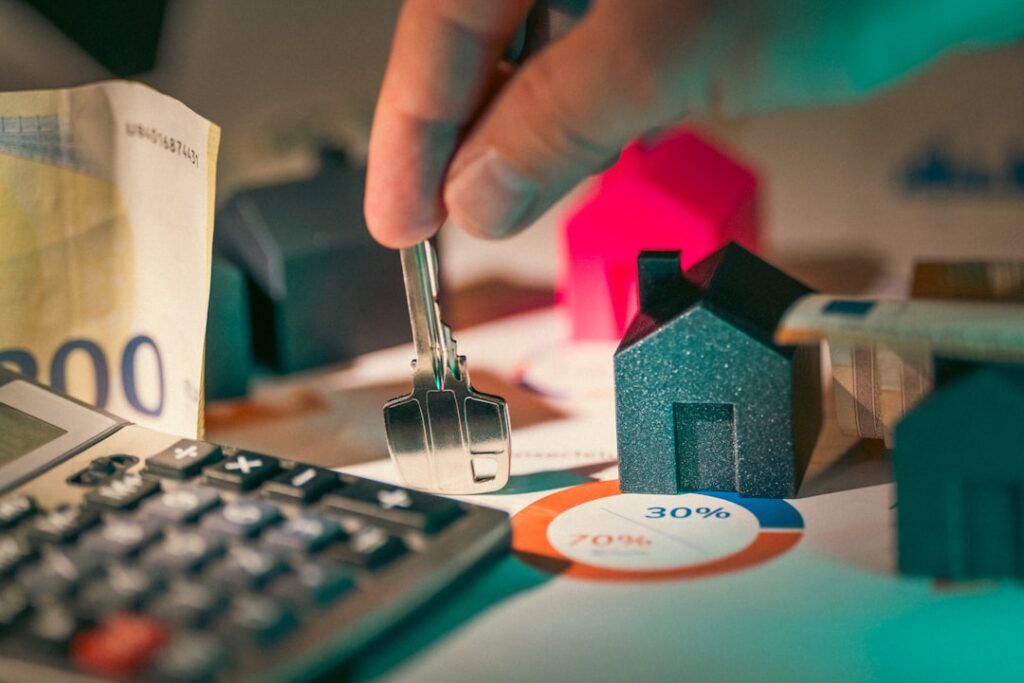
The average cost of a house inspection in the United States in 2026 sits between $350 and $500 for a single-family home under 2,500 square feet. That range covers a four-to-six-hour visual inspection by a licensed or certified inspector and a written report delivered within 24 to 48 hours. Real numbers vary by region, property size, age of home, and the inspector’s certification. This guide unpacks the national average, explains why regional variation is so wide, and identifies the add-ons that shift total spend up or down.
Part of our Home Inspections Explained guide — start there for the full picture →
The 2026 national benchmark
Industry surveys from the American Society of Home Inspectors (ASHI) and InterNACHI place the 2026 national average for a base home inspection at roughly $420 for a typical single-family home of 2,000 to 2,500 square feet. The range across the country runs from about $300 on the low end (rural markets, smaller homes, newer construction) to $700 on the high end (major metros, large homes, complex properties). Most buyers in most markets pay something close to the $400 mark for the base scope.
Why the average is a range, not a single number
The base price is a moving target because inspector pricing reflects time on site, report complexity, and market rates for the local trades. Larger homes take longer to inspect, so they cost more. Older homes have more systems to evaluate (steam boilers, knob-and-tube wiring, asbestos-suspect materials), so they cost more. Higher-cost-of-living markets carry higher labor rates, so inspections cost more. Specialty certifications — InterNACHI, ASHI Certified Inspector, state-licensed in regulated states — typically command modest premiums over uncredentialed competitors.
Property-size adjustments
Inspectors price by home size in several tiers. Homes under 1,500 square feet typically run $300 to $400. Homes 1,500 to 2,500 square feet run $375 to $500. Homes 2,500 to 4,000 square feet run $475 to $700. Homes above 4,000 square feet run $600 to $1,200 or more. The pricing reflects on-site time: a 1,200-square-foot ranch takes two to three hours, while a 5,000-square-foot custom home takes five to seven hours, and the inspector charges accordingly. Most inspectors publish a size-based fee schedule rather than negotiating each job.
Property-age adjustments
Older homes carry more systems and more potential issues. A home built in the 1920s with original galvanized plumbing, knob-and-tube electrical, and a steam radiator system requires more inspector attention than a 2020 production home with PEX plumbing and modern HVAC. Some inspectors add a 10% to 20% premium for homes older than 50 or 75 years. Others build the additional time into their standard fee for the size band. Buyers shopping for inspectors on older homes should ask whether the quoted price reflects the home’s age.
Regional price variation
Regional pricing follows broader cost-of-living patterns. Major metros — New York, Los Angeles, San Francisco, Boston, Washington DC — run 30% to 60% above the national average. Sun Belt secondary metros — Phoenix, Atlanta, Dallas, Charlotte — run close to the national average. Midwest secondary cities — Indianapolis, Kansas City, Columbus — run 10% to 20% below the national average. Rural markets in any region run 15% to 30% below national. Front Range Colorado pricing tracks slightly above the national average, with Denver-metro inspectors typically quoting $425 to $550 for a 2,500-square-foot home.
Single-family detached home pricing detail
Within the single-family detached market segment, pricing depends as much on home age and complexity as on raw square footage. A 2,500-square-foot 1985 ranch with one HVAC system, copper plumbing, and a 200-amp electrical panel inspects faster than a 2,500-square-foot 1925 craftsman with original wiring, hot-water radiant heating, and a coal-conversion furnace. The first might run $400; the second might run $550. Inspectors developing fee quotes typically ask buyers about year built, system inventory, and any known issues before producing a final number. Buyers should expect a small premium for older or complex homes.
Common add-on services
Most buyers add at least one specialty service to the base inspection. Radon testing adds $125 to $200 (Colorado homes have a high prevalence and almost always include this add-on). Sewer scope inspection adds $200 to $400 (recommended for any home over 30 years old). Mold sampling adds $200 to $500. Thermal imaging adds $150 to $300. Termite/wood-destroying-organism inspection adds $75 to $150. Water quality testing adds $100 to $250. A buyer scheduling all the common add-ons on a typical Front Range home typically lands at $900 to $1,200 total inspection spend.
What the base fee includes
The base home-inspection fee covers a defined scope: foundation, structure, roof, exterior cladding, attic, insulation, HVAC, electrical, plumbing, interior finish, doors, windows, and major appliances. The inspector provides a written report (typically 30 to 80 pages) with photos and findings. The scope is defined by ASHI and InterNACHI standards of practice and is consistent across credentialed inspectors. The base fee does not include destructive investigation, code compliance verification, or guarantees about future system performance — those are explicitly outside scope.
What the base fee does not include
Several common buyer expectations fall outside the standard scope. Inspectors do not move furniture, lift heavy stored items, or test buried or inaccessible systems. They do not certify the property’s condition or guarantee future performance. They do not check warranties, permits, or zoning. They do not evaluate pool and spa equipment without specific add-on scope. They do not perform septic-tank inspections (a separate specialty). Buyers expecting these services should confirm scope in writing before the inspection.
How inspectors price their work
Inspector pricing is shaped by three cost drivers: their labor time (typically billed at $75 to $150 per hour effective rate), their insurance and liability costs (errors-and-omissions coverage runs $1,500 to $4,000 annually), and their continuing-education and certification fees ($500 to $2,000 annually). High-end inspectors with specialty certifications, advanced equipment (thermal cameras, infrared moisture meters), and strong local reputations charge premium rates. Entry inspectors competing on price work at thinner margins and often supplement income with add-on services.
Negotiating inspector fees
Inspector pricing is generally not negotiable in the way real-estate commissions are. Most inspectors operate on published fee schedules and are reluctant to discount, both because their margins are thin and because price competition in inspection can correlate with reduced thoroughness. Buyers occasionally negotiate bundling discounts (5% to 10% off when combining inspection, radon test, and sewer scope), but base-fee discounts are uncommon. Buyers shopping primarily on price often end up with less experienced inspectors and thinner reports.
Who pays the inspection fee
In nearly all transactions the buyer pays the inspection fee. Some loan products and seller-disclosure agreements reverse this, but the default is buyer-paid. The inspector works for the buyer regardless of who pays, and the report goes to the buyer first. Sellers occasionally commission pre-listing inspections to identify issues before going to market, but those reports are technically separate transactions and may or may not be shared with eventual buyers. Buyers should never accept a seller-provided inspection report as a substitute for their own inspector.
Confused by your home inspection report? Decode it free in plain English
Upload your inspector's PDF and get a plain-English summary, what actually matters, rough repair costs, and negotiation talking points. Educational only — not a professional re-inspection. Your file is analyzed and discarded, never stored.
Educational summary only. AI can be wrong and cost figures are rough estimates. This is not a professional re-inspection, appraisal, or legal/financial advice — confirm major items with your inspector or a licensed contractor.
How to choose an inspector beyond price
Price is one factor, not the only one. Buyers should evaluate inspectors on certification (ASHI Certified Inspector, InterNACHI Certified, state-licensed where required), years of experience (a minimum of 250 inspections completed is typical of credible operators), sample report quality, response time to questions, and the equipment they bring to a job (thermal camera, moisture meter, gas analyzer). Reading a sample report before booking is a fast way to assess thoroughness. Inspectors who decline to share a sample report are worth skipping.
Pre-listing inspections versus buyer inspections
A pre-listing inspection commissioned by the seller before going to market costs the same as a buyer inspection. The deliverable goes to the seller, who can disclose findings, make repairs, or price accordingly. Some sellers share the report with buyers as a transparency move. Buyers receiving a pre-listing report should still order their own inspection: the original inspector worked for the seller, and a buyer’s inspector has fiduciary responsibility to the buyer. Treating the pre-listing report as informational and not as a substitute is standard practice.
New construction inspections
New construction inspections often involve multiple visits: a pre-pour foundation inspection ($200 to $400), a pre-drywall framing inspection ($300 to $500), and a final pre-closing inspection ($400 to $600). The total cost of $900 to $1,500 protects buyers against builder errors that become invisible once finish materials are installed. HUD references third-party new-construction inspection as a recommended buyer practice, and most builders accept (without enthusiasm) buyer-arranged third-party inspections during the build process.
Insurance and warranty implications
A thorough home inspection report provides documentation that supports insurance claims, warranty disputes, and post-purchase remediation negotiations. The few hundred dollars spent on inspection routinely returns thousands in negotiation leverage when significant findings appear. For a deeper dive into the financial returns of inspection-stage negotiation, the hiring a home inspector guide walks through the pre-purchase decision in more detail. The typical cost of home inspection guide covers segment pricing in parallel framing.
Condo and townhouse inspections
Condominium and townhouse inspections typically cost less than detached single-family inspections because the inspector’s scope is smaller — interior unit only for a true condo, exterior elements addressed by the HOA. Condo inspections run $250 to $450 in most markets. Townhouse inspections, where the buyer owns the structure including the roof and exterior, run closer to single-family pricing at $350 to $550. Buyers should confirm with the inspector which elements fall in scope for their specific unit type and HOA arrangement.
Multi-unit and investment property inspections
Inspections on duplexes, triplexes, and small multifamily properties typically run $500 to $1,200 depending on unit count, total square footage, and the scope of common-area systems. Investment-property buyers often request additional analysis beyond the standard scope: rent-roll review, cap-rate analysis, and capital-improvement planning. Some inspectors specialize in investment-property work and bundle these services into their inspection fee, while others stay strictly within the visual-inspection standard scope and refer buyers to property managers or financial analysts for the additional work.
How financing affects the inspection decision
Some loan programs influence the inspection process. VA loans require minimum property requirements documented by an appraiser, but the appraisal is not a home inspection. FHA loans similarly require minimum property standards inspection by an appraiser. Buyers using either program should still arrange a separate home inspection — the program inspections protect the lender’s collateral interest, not the buyer’s broader interest. Conventional loans typically do not require any inspection beyond the appraisal, leaving the inspection decision entirely to the buyer. The inspection costs are not rolled into the mortgage and are paid out of pocket at the time of service.
When to skip the inspection (almost never)
Some buyers in hot markets waive inspection to make competitive offers. This is almost always a mistake. The few hundred dollars saved are routinely overwhelmed by undiscovered defects that surface after closing — failed sewer lines, hidden moisture, electrical issues, roof problems. ASHI and InterNACHI both publish guidance warning against inspection waiver. In markets where waiver is common, buyers can sometimes negotiate an information-only inspection (no contingency, no right to cancel) that preserves the inspector’s deliverable without slowing the transaction.
References
- Home Inspection Standards for Buyers — ASHI
- Standards of Practice for Home Inspectors — InterNACHI
- For Your Protection: Get a Home Inspection — HUD
- Buying a Home Consumer Guide — Federal Trade Commission
Frequently asked questions
What is the average cost of a house inspection in 2026?
The national average for a base home inspection on a 2,000 to 2,500 square foot single-family home is approximately $420. The range across markets runs $300 to $700 depending on region, home size, and inspector certification. Add-on services raise the total spend to $700 to $1,200 in most cases.
Do larger homes cost more to inspect?
Yes, inspectors price by home size in tiers. Homes under 1,500 square feet typically run $300 to $400. Homes 2,500 to 4,000 square feet run $475 to $700. Homes above 4,000 square feet run $600 to $1,200 or more. The pricing reflects on-site time.
What does the base inspection fee include?
Foundation, structure, roof, exterior, attic, insulation, HVAC, electrical, plumbing, interior finish, doors, windows, and major appliances. The scope follows ASHI or InterNACHI standards of practice. Specialty tests (radon, mold, sewer scope) are typically add-ons.
Can I negotiate the inspector's fee?
Inspector pricing is generally not negotiable. Most inspectors operate on published fee schedules with thin margins. Bundling discounts of 5 to 10 percent are occasionally available when combining multiple services. Pure price-shopping correlates with reduced inspection quality.