Asbestos Testing in Colorado Springs, CO | InspectandTest
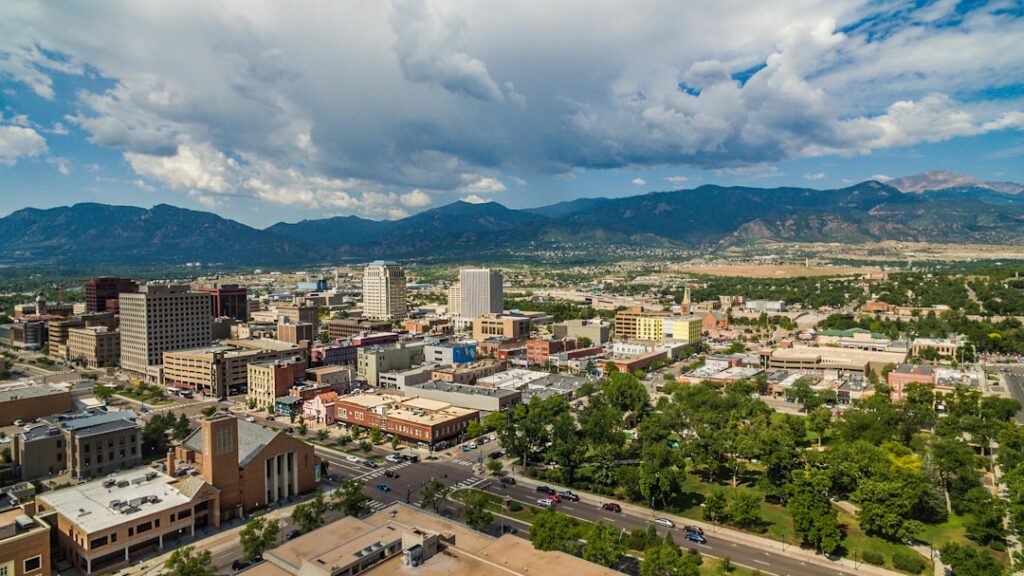
Colorado Springs blends two very different housing worlds: rapid military-driven growth that produced decades of newer homes, and the historic pre-1920 fabric of Old Colorado City and downtown, where asbestos was a standard building material. Anyone renovating an older Springs property needs to know what is in the walls before the demolition starts. This page explains how asbestos testing colorado springs homeowners should approach it, why local housing history matters, and what the rules and costs are. This summary reflects EPA, OSHA, and CDPHE guidance current as of 2026; consult a certified inspector before disturbing any suspect material.
Part of our Asbestos in the Home guide — start there for the full picture →
Is this mold, asbestos, or water damage? Get a free instant screen
Upload a clear photo of the suspect area. You'll get an instant AI screening opinion and what to do next. This is screening guidance, not a professional determination.
Screening guidance only. AI can be wrong. Confirm asbestos, mold type, or lead with lab testing or a licensed professional before acting.
Asbestos testing in Colorado Springs: what to know
Asbestos testing confirms whether a building material contains asbestos fibers before that material is disturbed. Intact asbestos in good condition is generally low-risk; the danger comes when sanding, cutting, or demolition releases microscopic fibers into the air. Testing means collecting small samples of suspect materials, popcorn ceilings, floor tile and the mastic under it, pipe wrap, drywall joint compound, and sending them to an accredited lab for analysis.
The cutoff that matters is 1978, when asbestos use in residential construction wound down. Homes built before that date in Colorado Springs, especially in Old Colorado City and the older downtown core, are the priority candidates for testing. For the full picture of where asbestos hides, our pre-1978 housing hazard guide maps out every common material.
Why fibers are so dangerous is worth understanding. Asbestos fibers are microscopic, durable, and sharp, and when inhaled they lodge in lung tissue where the body cannot break them down. Decades later that exposure can cause asbestosis, lung cancer, or mesothelioma, a cancer almost uniquely tied to asbestos. There is no safe level of exposure, which is why the rule is always to test first and disturb second. A homeowner who sands an old popcorn ceiling in an Old Colorado City bungalow without testing can release millions of fibers into the air of a small room in minutes.
Why Colorado Springs homes need asbestos testing
The driver is the city’s split housing timeline. Old Colorado City and the pre-1920 downtown carry the highest probability of asbestos in original plaster, pipe insulation, vermiculite attic fill, and 9-inch floor tiles. These neighborhoods are popular for renovation precisely because they are historic, which puts owners on a collision course with hidden asbestos every time they open a wall.
Even mid-century and 1960s-70s homes scattered across the Springs predate the 1978 transition and can contain asbestos in textured ceilings and duct tape. The region’s dry climate does not reduce the hazard; fibers stay airborne longer in dry indoor air once disturbed. Because El Paso County’s clay soils cause foundation movement, owners frequently end up repairing basements and crawl spaces, exactly where old asbestos pipe wrap and insulation tend to live.
The flip-and-renovate market in the Springs raises the stakes further. Historic Old Colorado City and the Westside have seen steady investment, and the older the home, the more layers of asbestos-bearing material a remodel is likely to disturb: original plaster keyed onto wood lath, multiple generations of flooring stacked one over another, asbestos cement siding, and boiler or steam-pipe insulation in basements. A buyer who plans to gut and update one of these homes should treat a pre-renovation asbestos survey as a standard line item, not an afterthought, because the cost of cleaning up after an uncontrolled disturbance dwarfs the cost of testing.
What a Colorado Springs asbestos test covers
A certified inspector walks the property and identifies every suspect material tied to the renovation scope. They collect representative samples using wet methods to avoid releasing fibers, then label and send them to an accredited lab that uses polarized light microscopy to confirm presence and percentage.
Common materials tested
Textured “popcorn” ceilings, vinyl floor tile and the black mastic beneath, joint compound in drywall seams, pipe and boiler insulation, and vermiculite attic insulation are the usual suspects in older Springs homes. Vermiculite deserves special attention because much of it historically came from a mine contaminated with asbestos; our explainer on vermiculite insulation and asbestos covers why attic fill is a frequent test target.
Friable versus non-friable materials
The lab result is only half the picture; the condition of the material matters too. Friable asbestos, the kind that crumbles under hand pressure such as old pipe insulation and some plasters, releases fibers easily and is the highest priority. Non-friable materials such as intact floor tile or asbestos cement board hold their fibers tightly until cut or broken. A good inspector reports both the asbestos content and the friability, so you know whether a material can be safely encapsulated and left in place or must be professionally removed before work proceeds. That distinction shapes the cost and scope of any abatement.
Asbestos testing cost in Colorado Springs
Individual lab sample analysis typically runs about $40 to $100 per sample. A professional inspection that includes sampling several materials across a home usually lands in the $300 to $600 range. A pre-renovation survey for a whole older home, where many materials must be cleared before a permit, can run higher depending on square footage and the number of distinct materials.
Testing is cheap insurance against a far costlier abatement surprise mid-project. Confirming materials are clean before demolition also avoids the work stoppage and fines that come from disturbing unidentified asbestos.
To put the math in perspective, sampling five suspect materials in an Old Colorado City remodel might cost $400 to $600 all in. If that survey clears the materials, demolition proceeds with confidence. If it finds asbestos, professional abatement of, say, a popcorn ceiling or a run of pipe insulation typically costs from several hundred to a few thousand dollars depending on quantity, but it is done legally and safely. The expensive scenario is the one a homeowner creates by skipping the test, disturbing asbestos, and then having to pay for emergency cleanup, air clearance, and contaminated-contents disposal in a home that is now unsafe to occupy.
Colorado regulations and disclosure
Colorado regulates asbestos under CDPHE Regulation 8, which requires inspection for asbestos before most renovation or demolition work that disturbs building materials, even in single-family homes above certain thresholds. Abatement of regulated amounts must be performed by state-certified contractors. The Seller’s Property Disclosure also asks sellers to report known asbestos. For renovations of pre-1978 homes, federal rules under EPA and OSHA govern fiber exposure and proper handling, so testing first keeps an owner on the right side of both state and federal requirements.
The thresholds in Regulation 8 are easy to underestimate. Even modest single-family projects can trigger the inspection requirement once the area of material disturbed crosses the regulated trigger levels, and the rule applies whether the home is owner-occupied or a rental. Pulling a renovation permit in El Paso County for an older home increasingly prompts questions about asbestos, so handling testing up front keeps the project on schedule rather than stalled at a permit desk.
Neighborhoods and areas served
The highest-priority areas track the oldest housing: Old Colorado City, the historic downtown core, and scattered pre-1978 pockets near the original city center. Mid-century homes in established neighborhoods also warrant testing before remodels. Service typically extends to adjacent Manitou Springs, a historic town with abundant pre-1920 stock, plus Monument and Fountain where older properties mix with newer development.
Manitou Springs is a standout: its dense concentration of late-1800s and early-1900s homes means asbestos in original construction is the rule rather than the exception, and many of those homes have changed hands and been partially remodeled multiple times, leaving an unpredictable mix of original and replacement materials. Anyone renovating in Manitou should plan on a thorough survey. The same caution applies to the older sections of Fountain and the historic pockets near downtown Colorado Springs.
Even within newer-looking neighborhoods, individual older homes turn up. A 1972 ranch tucked into an otherwise 1990s subdivision still predates the asbestos phase-out and can hold asbestos floor tile or textured ceilings. The build date on the property record, not the look of the street, is what should trigger a test. When in doubt, a quick check of the home’s construction year against the 1978 cutoff is the simplest screen before any El Paso County renovation that will disturb ceilings, flooring, or insulation. The El Paso County Assessor’s online records list each property’s year built, which makes that first screen a two-minute task before you ever pick up a tool.
How to choose a Colorado Springs asbestos testing provider
Use an inspector certified under Colorado’s asbestos program and confirm samples go to an accredited lab. A reliable provider explains which materials your specific renovation will disturb, samples only what is relevant, and gives you the written lab report. If asbestos turns up, that same documentation guides the certified abatement contractor. Pairing the test with a lead testing assessment in Colorado Springs makes sense for pre-1978 homes, since lead paint and asbestos almost always coexist in the same era of construction.
Keep testing and abatement separate where you can. An inspector who only tests has no financial reason to find asbestos that is not there, whereas a firm that both tests and abates faces an obvious conflict. Ask for the inspector’s Colorado certification number, confirm the analyzing lab’s accreditation, and request the full lab report with sample locations mapped, so any future contractor knows exactly what is where.
What happens if a sample comes back positive
A positive result is not a crisis; it is information that changes how the work proceeds. Depending on the material, friability, and quantity, the options range from leaving intact material undisturbed, to professional encapsulation, to full abatement by a Colorado-certified contractor working under containment. For a single popcorn ceiling in an Old Colorado City bedroom, abatement is a contained, one-room job. For widespread pipe insulation across a basement, it is a larger project that should be scoped and bid by a certified abatement firm, not a general remodeler. The key is that the renovation plan adapts to the finding rather than barreling ahead, which is the entire reason to test before you start.
Buyers under contract should also know how a positive result fits the transaction. Discovering asbestos during a pre-purchase survey is a legitimate basis to request an abatement credit or to renegotiate scope, and Colorado’s Seller’s Property Disclosure means a known result is supposed to be on the table already. Handling the test early in the inspection contingency gives a buyer time to get an abatement bid and fold the number into the deal rather than discovering it after closing, when the cost falls entirely on the new owner.
References
- Asbestos health risk and handling — U.S. Environmental Protection Agency
- Colorado asbestos regulations (Reg 8) — Colorado Department of Public Health and Environment
- Asbestos exposure standards — Occupational Safety and Health Administration
Frequently asked questions
Which Colorado Springs homes most need asbestos testing?
Pre-1978 homes are the priority, especially in Old Colorado City and the historic downtown core where pre-1920 construction used asbestos in plaster, pipe wrap, and flooring. Test before any renovation that disturbs these materials.
How much does asbestos testing cost in Colorado Springs?
Lab analysis runs about $40 to $100 per sample, and a professional inspection with multiple samples typically totals $300 to $600. A full pre-renovation survey of an older home can cost more.
Is asbestos testing required before renovating in Colorado?
CDPHE Regulation 8 requires asbestos inspection before most renovation or demolition that disturbs materials above certain thresholds. Abatement of regulated amounts must use state-certified contractors.
Is asbestos dangerous if I don't disturb it?
Intact, undisturbed asbestos in good condition is generally low-risk. The hazard arises when cutting, sanding, or demolition releases fibers into the air, which is why you test before renovating.
What is the difference between friable and non-friable asbestos?
Friable asbestos crumbles easily and releases fibers readily, making it high-priority. Non-friable asbestos, like intact floor tile, holds fibers tightly until cut or broken. A good test reports both content and friability.
Renovating a historic Old Colorado City or pre-1978 Springs home? Test before you open the walls. Get in touch through our contact page to connect with a vetted, state-certified asbestos inspector in El Paso County.