Asbestos Sheet: What Homeowners Need to Know
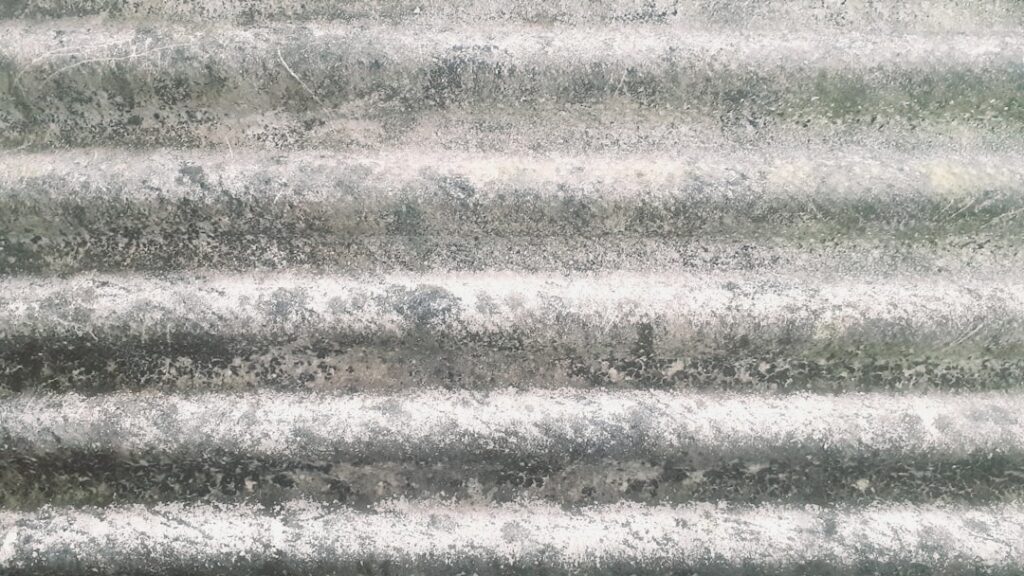
Behind a wood stove, lining an old garage wall, capping a soffit, or paneling a mid-century utility room, a flat gray rigid board in an older Front Range home may be an asbestos sheet. These flat panels, sometimes called asbestos board or cement sheet, were manufactured for decades as a cheap, fireproof, durable building material. They came in cement-based forms used for siding and partitions and in softer insulating-board forms used as heat shields. Knowing which kind you have matters, because the two differ in how readily they release fibers. This guide summarizes EPA, CDC, and OSHA guidance current as of 2026 and is informational only; a certified asbestos professional should make testing and removal decisions, and a physician should address any health questions. The sections below cover what asbestos sheet is, how to identify it, the risks, and how to handle it.
Part of our Asbestos in the Home guide — start there for the full picture →
Is this mold, asbestos, or water damage? Get a free instant screen
Upload a clear photo of the suspect area. You'll get an instant AI screening opinion and what to do next. This is screening guidance, not a professional determination.
Screening guidance only. AI can be wrong. Confirm asbestos, mold type, or lead with lab testing or a licensed professional before acting.
What Asbestos Sheet Is
Asbestos sheet is a flat, rigid panel made by binding asbestos fibers into a base material. The term covers a few related products. Asbestos-cement sheet, the most common, mixes asbestos into Portland cement to produce a hard board used for siding, soffits, wall and ceiling panels, partitions, and backing behind stoves and heaters. Asbestos insulating board, a softer and more porous product, was used where extra heat or fire resistance was needed, such as fireproofing and heat shields.
Manufacturers favored these sheets because asbestos made them fireproof, strong, weather-resistant, and inexpensive. They appeared in homes, garages, sheds, and outbuildings from the early twentieth century through the 1980s. The flat panel behind an old wood stove or furnace is a classic example, as is the gray cement board used as exterior soffit or as interior paneling in a utility space. The product overlaps closely with the material described in our guides to asbestos cement and asbestos board.
The key variable is the binder. Cement-based sheet is hard and non-friable, locking fibers tightly in place. Insulating board is softer, more friable, and more prone to releasing fibers when handled or damaged. Identifying which type is present shapes the entire risk assessment.
How to Identify Asbestos Sheet
Identification starts with age and location. Flat gray rigid panels installed before about 1980, especially as heat shields behind stoves and furnaces, as soffit or siding, or as utility-room paneling, are reasonable suspects. Cement sheet tends to be hard, dense, and gray, sometimes with a slightly mottled surface; it rings solid when tapped. Insulating board is lighter, softer, and more chalky or fibrous to the touch, and it can dent or crumble more easily.
The fireproofing context is a strong clue. A flat board specifically placed to protect a wall from a heat source, the panel behind a wood stove being the textbook case, was very likely chosen for its fire resistance, and asbestos was the common choice for that job before modern alternatives. Soffits and eaves panels on older homes are another frequent location, as the material resisted weather and flame.
None of these signs confirms asbestos, because the fibers are microscopic and invisible to the eye. Laboratory testing of a sample collected by a certified inspector is the only reliable way to know. This matters especially for suspected insulating board, which is friable; a homeowner should not snap off a corner to test it, since softer board can release fibers when broken. Professional sampling uses dust-suppression for exactly this reason, and the friable-versus-bound distinction is explained in our guide to non-friable asbestos.
The Health Risks
The disease risk from asbestos sheet is the standard asbestos hazard, and it scales with how easily a given sheet releases fibers. Inhaled asbestos fibers can lodge deep in lung tissue and remain for decades, driving the inflammation and scarring behind asbestosis, lung cancer, and mesothelioma, a rare cancer of the lining around the lungs and abdomen. Federal health agencies classify asbestos as a known human carcinogen with no firmly established safe exposure level.
For hard cement sheet that is intact and in good condition, the practical risk is low, since the bound fibers stay locked in place. The danger arises when the sheet is cut, drilled, sanded, snapped, or smashed, which pulverizes the matrix and releases fiber-laden dust. Softer insulating board is more concerning even when intact, because its friable nature means handling or minor damage can liberate fibers more readily.
Because asbestos diseases develop years to decades after exposure, feeling fine after working near a suspect panel is not reassurance. A homeowner who has cut or broken a suspect sheet should note the exposure and discuss it with a physician. This guide does not diagnose or treat any condition; it points toward the right professionals and precautions.
Safe Handling and Removal
The default guidance applies: leave intact asbestos sheet alone. A hard cement panel in good condition, or an undamaged heat shield, can often be managed in place or sealed with paint or encapsulant, since undisturbed material releases little fiber. The aim is to avoid the cutting, drilling, sanding, and breaking that liberate fibers, and to avoid disturbing softer insulating board at all where possible.
When a project will disturb suspect sheet, test first. A certified asbestos inspector collects a small sample under dust-suppressing conditions for accredited lab analysis. If the material proves to contain asbestos and must be removed, perhaps during a stove replacement, a soffit repair, or a renovation, the work belongs to a licensed asbestos abatement contractor. Professionals keep the material wet and intact rather than cutting it, seal it in approved bags, and dispose of it at a regulated facility, following the general approach in our overview of removing asbestos. Colorado regulates asbestos disposal, so the waste cannot go in ordinary trash.
The most damaging homeowner mistake is taking a power saw or sander to a suspect panel, which transforms a low-risk intact sheet into a cloud of fiber dust. Whether the goal is to remove a heat shield or replace old paneling, the safe path is to test before touching it and to bring in professionals if asbestos is confirmed.
When to Test and Call a Professional
Test before any renovation, repair, or demolition that would cut, drill, sand, or break a suspect flat panel in a pre-1980 home, and before replacing a stove or furnace where a heat-shield panel will be disturbed. Test as well if existing sheet is cracked, crumbling, or, in the case of insulating board, soft and shedding, since deteriorated or friable material is the most likely to release fibers. Laboratory testing costs little next to the consequences of disturbing the material blind.
Call a certified asbestos inspector for sampling and a licensed abatement contractor for removal and disposal. For the broader context of how asbestos and lead appear together throughout older Front Range housing, the pre-1978 housing hazard guide places sheet products within the full inspection picture. The consistent guidance from EPA and state authorities is that intact, bound sheet is low risk, friable board and any disturbed material are not, and testing is the step that lets a homeowner plan safely.
Cement Sheet Versus Insulating Board: Telling Them Apart
The single most useful skill with asbestos sheet is distinguishing the two main types, because they sit at opposite ends of the risk spectrum. Asbestos-cement sheet is dense and hard, with the heft and feel of a thin slab of concrete. It resists denting, rings solid when tapped, and feels cold and smooth to the touch. Its fibers are locked tightly in a Portland-cement matrix, making it non-friable and low-risk as long as it stays intact. This is the material used for siding, soffits, and durable wall panels.
Asbestos insulating board is a different animal. It is markedly lighter, softer, and more porous, with a chalky or fibrous surface that can be dented with a fingernail or scratched to reveal a fibrous interior. Because it was made for thermal and fire insulation rather than structural strength, the fibers are bound far more loosely, which makes it friable and prone to releasing fibers when handled, cut, or even bumped. A heat shield behind a stove or a fire-protective lining is more likely to be this softer, higher-risk board.
The difference matters because it changes the entire handling calculus. Hard cement sheet in good condition can often be left in place or sealed, posing little risk until someone takes a tool to it. Soft insulating board can shed fibers in ordinary use and deteriorates into a more hazardous state as it ages, so it warrants more caution even when undisturbed. A homeowner who can feel the difference between a dense, slab-like panel and a light, chalky board has a meaningful first clue, though only laboratory testing confirms either one.
Common Locations and Why They Were Chosen
Asbestos sheet ended up in predictable spots because builders reached for it wherever a flat, fireproof, weather-resistant surface was needed cheaply. Behind and beneath wood stoves and furnaces, a flat heat-shield panel protected combustible walls and floors from radiant heat, and this is one of the most common places a homeowner finds suspect board. The fireproofing purpose is itself a strong hint, since asbestos was the default choice for that job before modern alternatives.
On the exterior, cement sheet served as siding, soffit linings under eaves, fascia, and panels beneath windows, all places that demanded resistance to weather and, in the case of eaves, to the heat that can build up there. Garages, sheds, and outbuildings on older Front Range properties frequently used asbestos-cement panels for walls and roofs because the material was inexpensive and durable in an unheated structure exposed to the elements.
Inside, the board appeared as partition walls, ceiling panels, and linings in utility rooms, laundry areas, and around service ducts, again favored for fire resistance and low cost. Recognizing these patterns, fire protection, weather exposure, and cheap durable cladding, helps a homeowner anticipate where suspect sheet is likely to turn up and which materials to have tested before a renovation disturbs them.
The Stove Heat-Shield Scenario
The flat panel behind a wood stove deserves its own attention because it is one of the most common and most overlooked encounters with asbestos sheet in a home. For decades, a rigid board mounted on the wall behind a stove served as a heat shield, protecting the combustible wall from radiant heat, and asbestos sheet was a frequent choice for that job precisely because it resisted fire. A homeowner replacing an old wood stove, or upgrading to a modern appliance, routinely faces this panel without recognizing what it may be.
The risk arises during the stove swap. Removing the old appliance often means unfastening or prying off the heat shield, and if that panel is asbestos insulating board, the softer friable type, the act of taking it down can release fibers. A contractor or homeowner focused on the stove may treat the shield as an afterthought, snapping it off and tossing it aside, which is exactly the kind of disturbance that turns a low-risk intact panel into an exposure event.
The safe sequence mirrors the boiler-jacket case: identify and test the heat shield before the stove work begins, and if it contains asbestos, have it removed by a licensed abatement contractor ahead of the appliance change. Where a new stove or insert is going in, the old shield can be replaced with a modern non-combustible heat shield designed for the purpose. Building the test-and-handle step into the project, rather than discovering the panel mid-removal, keeps a straightforward stove upgrade from disturbing suspect material carelessly.
The defining lesson of asbestos sheet is that the type determines the risk. Hard cement sheet is non-friable and genuinely low-risk while intact, manageable in place and dangerous mainly when cut or broken with tools. Softer insulating board is friable, sheds fibers more readily, and warrants caution even when undisturbed. A homeowner who learns to feel the difference between a dense, slab-like panel and a light, chalky board has a meaningful starting clue, but the reliable answer always comes from a lab test on a professionally collected sample, which converts an uncertain guess into a sound basis for handling the material safely.
References
- Protect Your Family from Exposures to Asbestos — U.S. Environmental Protection Agency
- Asbestos Exposure and Health Effects — Centers for Disease Control and Prevention
- Asbestos Regulations and Abatement — Colorado Department of Public Health and Environment
Frequently asked questions
What is asbestos sheet?
Asbestos sheet is a flat rigid panel made by binding asbestos fibers into cement or an insulating board base. It was used for siding, soffits, wall and ceiling panels, and heat shields behind stoves and furnaces because asbestos made it fireproof and durable.
Is asbestos sheet dangerous?
Hard cement sheet that is intact is non-friable and low risk, since the fibers stay bound. Cutting, drilling, sanding, or breaking it releases fiber dust. Softer insulating board is more concerning because its friable nature lets it shed fibers more easily.
How can I tell if a panel contains asbestos?
Age and location are clues; flat gray panels from before about 1980, especially heat shields behind stoves, are suspect. Cement sheet is hard and dense, insulating board is softer and chalky. Only laboratory testing of a professionally collected sample confirms asbestos.
Can I remove asbestos sheet myself?
It is not recommended. Cutting or breaking it releases fibers, and softer board can shed even when handled. Removal belongs to a licensed abatement contractor who keeps the material wet and intact, seals it, and disposes of it at a regulated facility.
Front Range homeowners who suspect an asbestos sheet behind a stove or as old paneling can connect with a vetted local inspector for testing by reaching out through our contact page.