What Is Vermiculite Made Of? A Plain-Language Guide
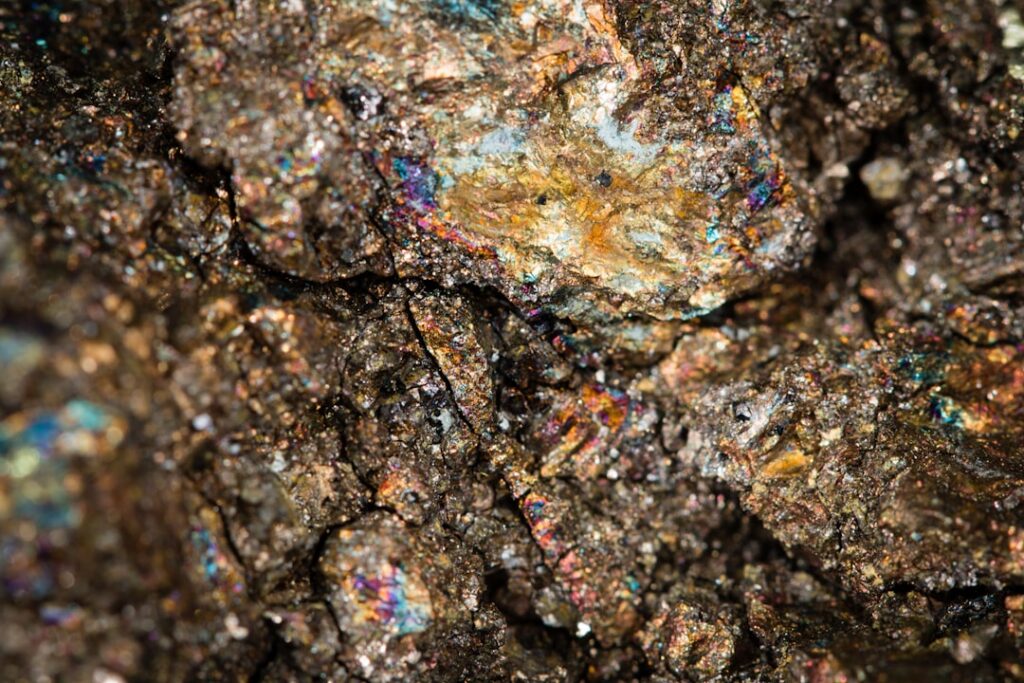
Vermiculite shows up in attic insulation, garden soil mixes, and fireproofing, and homeowners often want to know exactly what the lightweight, golden-brown flakes actually are. The short answer is that vermiculite is a natural mineral, but its composition and its mining source determine whether a particular batch carries an asbestos risk. This guide explains what is vermiculite made of, how it forms, why the Libby, Montana mine matters so much, and how to handle suspect material safely. This summary reflects EPA, CDC, and OSHA guidance current as of 2026; consult a certified professional for testing decisions and your physician about any health symptoms.
Asbestos or biohazard concern? Speak with a certified contractor.
📞 Call (877) 742-8496What is vermiculite made of?
Vermiculite is a hydrated magnesium-aluminum-iron silicate mineral. In geological terms it belongs to the phyllosilicate, or sheet-silicate, family, the same broad group that includes mica and clay minerals. Its layered crystal structure traps water molecules between the sheets, which is the key to its most famous property. The raw ore looks like dull, flaky rock and forms through the weathering and alteration of biotite and phlogopite mica over long periods.
Chemically, the mineral is built from sheets of silica and alumina tetrahedra bound to magnesium and iron, with water layered in between. That water content is what makes vermiculite behave so dramatically when heated. On its own, the pure mineral is not asbestos and is not inherently hazardous; the concern comes from where some of it was mined and what was mixed in naturally with the ore.
How vermiculite is processed
Raw vermiculite ore is mined, crushed, and then exfoliated. Exfoliation means heating the flakes rapidly to high temperature, which flashes the trapped water to steam and forces the mineral layers apart like an accordion. The result is the familiar lightweight, accordion-shaped granules that expand to many times their original volume. This expanded form is what ends up in insulation bags and potting soil.
The expanded granules are prized for being light, fire-resistant, absorbent, and good insulators. Those same traits made vermiculite a popular loose-fill attic insulation for decades. The processing itself does not add asbestos; the problem is that some ore deposits contained asbestos minerals before any heating took place. For a deeper look at the expanded product, our guide to what vermiculite is covers the finished material homeowners encounter.
Why the source matters: the Libby mine
A vermiculite mine near Libby, Montana supplied an estimated majority of the vermiculite sold in the United States for much of the twentieth century, often under the Zonolite brand. That deposit was naturally contaminated with amphibole asbestos. As a result, much of the loose-fill vermiculite insulation installed in American attics before the mine closed in 1990 may contain asbestos fibers.
This is why the EPA advises treating older vermiculite attic insulation as if it contains asbestos unless testing proves otherwise. The mineral vermiculite itself is harmless, but the asbestos that traveled with the Libby ore is not. Not all vermiculite is contaminated; material from other deposits may be clean. The practical problem is that a homeowner usually cannot tell the source by looking. Our overview of vermiculite and asbestos explains the connection in more detail.
How to identify vermiculite in a home
Vermiculite insulation looks like small, lightweight pebbles, usually gray-brown or silvery-gold, with a layered, accordion-like texture. It pours and shifts when disturbed, unlike the batts or blankets of fiberglass. It is most often found loose-filled in attic floors and sometimes inside masonry block walls. If an attic holds pebble-like, pour-in insulation in a home built before the late 1980s, vermiculite is a strong possibility.
Because the asbestos risk cannot be seen, identification alone does not settle the question. Visual recognition tells you that testing or professional assessment is the next step, not that the material is safe. Disturbing the insulation to get a closer look is exactly what releases fibers, so inspection should be cautious and from a distance.
The health concern
Asbestos becomes a hazard when fibers are released into the air and inhaled. Long-term exposure is linked by EPA and CDC to serious diseases including asbestosis, lung cancer, and mesothelioma, generally after repeated or prolonged exposure rather than a single brief contact. Undisturbed vermiculite sealed in an attic poses far less risk than material that is being moved, swept, or renovated around.
The clearest danger arises during home improvement: pulling wiring through an attic, adding insulation over the old fill, or finishing an attic space can all stir contaminated vermiculite into the breathing zone. This is the moment when an unaware homeowner is most at risk.
What to do if you have it
The safest rule is to leave vermiculite undisturbed. Do not sweep it, vacuum it, or store items in an insulated attic in a way that grinds the material. If the insulation is contained and you have no reason to enter the space, the EPA’s guidance generally favors leaving it alone.
When work must happen, do not handle it yourself. Hire an accredited asbestos professional to sample the material and, if needed, manage removal under proper containment. Certified labs can analyze a sample using polarized light microscopy to confirm whether asbestos is present. Sealing attic access and limiting time in the space reduces exposure in the meantime.
Vermiculite outside the attic
Not every use of vermiculite is a hazard. Modern horticultural vermiculite sold for gardening is sourced and processed to meet safety standards and is widely considered safe for its intended use. The serious concern centers on legacy attic insulation from the contaminated era. Knowing the difference keeps homeowners from panicking over a bag of potting mix while still taking old attic fill seriously.
The properties that made vermiculite popular
Understanding what vermiculite is made of explains why it was used so widely. The trapped water between its mineral sheets is the key. When the raw ore is heated quickly, that water flashes to steam and forces the layers apart, expanding the flakes to many times their original size. The result is a granule full of tiny air pockets, which is what makes expanded vermiculite so light and such a good insulator.
Those air pockets also let the material absorb and hold water, which is why gardeners prize it for moisture retention. The same mineral structure resists fire because there is nothing in pure vermiculite to burn, and the steam release during heating leaves a stable, inert granule. Light weight, fire resistance, water retention, and good insulation in a single inexpensive natural material made vermiculite attractive to builders and manufacturers for decades, long before the asbestos contamination problem was understood.
How vermiculite differs from asbestos
It helps to be clear about the distinction at the mineral level. Vermiculite is a sheet silicate that expands into soft, accordion-like flakes and has no fibrous, needle-like form. Asbestos is a group of silicate minerals defined by thin, durable fibers that separate into microscopic strands when disturbed. Those fibers are what lodge in lung tissue and cause disease. Vermiculite’s flat, layered granules behave nothing like asbestos fibers.
The two became linked only because they occurred together in certain ore deposits. Geologically, the same conditions that formed the vermiculite at the Libby site also produced amphibole asbestos nearby, so the asbestos contaminated the vermiculite as it was mined. This is contamination, not composition. A clean vermiculite deposit produces material that is simply the harmless mineral, while contaminated ore carried asbestos along with it into homes.
What this means for testing decisions
Because the hazard depends on the source rather than the mineral itself, visual inspection cannot resolve the question for a homeowner. Two attics could hold identical-looking vermiculite, one clean and one contaminated, and no amount of looking would tell them apart. That is why laboratory analysis exists and why the EPA’s conservative default treats older attic vermiculite as suspect.
For practical purposes, the safest path is to assume potential contamination in any pre-1990 loose-fill vermiculite and to leave it undisturbed until an accredited professional can sample it. Garden-grade vermiculite bought today is a separate matter, processed to meet safety standards for its intended use. Keeping these two contexts distinct prevents both needless worry over a potting-soil bag and dangerous complacency about decades-old attic insulation. The brand can offer a clue as well, since Zonolite-labeled material is strongly associated with the contaminated mine, though the absence of a label does not rule contamination out.
Vermiculite’s place among the silicate minerals
Putting vermiculite in its mineral family clarifies what it is and what it is not. As a phyllosilicate, it shares its sheet-like structure with mica, talc, clay, and chlorite, minerals built from stacked layers of silica tetrahedra. Vermiculite specifically forms when mica minerals such as biotite and phlogopite weather and hydrate over geologic time, taking on water between their layers. That water is the defining trait, since it is what flashes to steam and expands the flakes during processing.
Asbestos, by contrast, belongs to two different mineral groups: the serpentine group, which yields chrysotile, and the amphibole group, which includes the fibrous forms found at the Libby deposit. What unites all asbestos types is a fibrous habit, the tendency to split into thin, durable, needle-like fibers, rather than the soft sheets of vermiculite. Those fibers are small enough to stay airborne and reach deep into the lungs, which is the physical property behind their health hazard. So while both are silicates, their crystal structures and physical behaviors diverge sharply. The link between them is geographic coincidence at certain deposits, not shared mineralogy, which is the central point a homeowner needs to keep the two straight. A clean vermiculite deposit produces only the harmless flaky mineral, with no fibrous asbestos along for the ride.
Friable versus non-friable: why vermiculite matters
Asbestos materials are classified by how readily they release fibers, and this distinction explains why contaminated vermiculite ranks among the more concerning household sources. Friable materials are those that can be crumbled, pulverized, or reduced to powder by hand pressure when dry, which lets fibers escape into the air with little effort. Non-friable materials bind asbestos in a hard matrix, like the cement in floor tiles or asbestos-cement pipe, so fibers stay locked in place unless the material is cut or ground.
Loose-fill vermiculite sits firmly on the friable side. The granules pour and shift freely, and any asbestos fibers riding within or among them are not bound in a solid matrix. Sweeping, raking, or walking through the fill, or simply disturbing it while pulling wire or storing boxes, can release fibers into the breathing zone. That friability is exactly why EPA guidance leans so heavily toward leaving the material undisturbed and why professional handling, rather than DIY removal, is the standard recommendation for contaminated attic fill.
How testing and sampling work
Because the asbestos in vermiculite is invisible and unevenly distributed, laboratory analysis is the only reliable way to confirm whether a given batch is contaminated. An accredited asbestos professional collects the sample, not the homeowner, because the act of disturbing friable fill to gather material is itself a fiber-release event. The professional wets the area to suppress dust, collects representative material from more than one spot since contamination can vary across an attic, and seals it for transport.
At the lab, polarized light microscopy is the standard method for bulk samples, identifying asbestos fiber types by their optical properties. Vermiculite poses a recognized challenge because the asbestos can be present at low concentrations scattered through the granules, so some labs use additional preparation or methods to improve detection in vermiculite specifically. A homeowner arranging testing should confirm the lab is accredited for asbestos analysis and experienced with vermiculite. The broader hub on asbestos and lead hazards sets these testing decisions in context alongside other household materials.
References
- Asbestos-contaminated vermiculite insulation guidance — U.S. Environmental Protection Agency
- Asbestos exposure and health effects — CDC / NIOSH
- Asbestos hazards and worker protection — Occupational Safety and Health Administration
If you own a Front Range home with old attic insulation and want it sampled before a renovation, you can reach a vetted local asbestos professional through our contact page to arrange testing.