What Does Asbestos Siding Look Like? How to Spot It
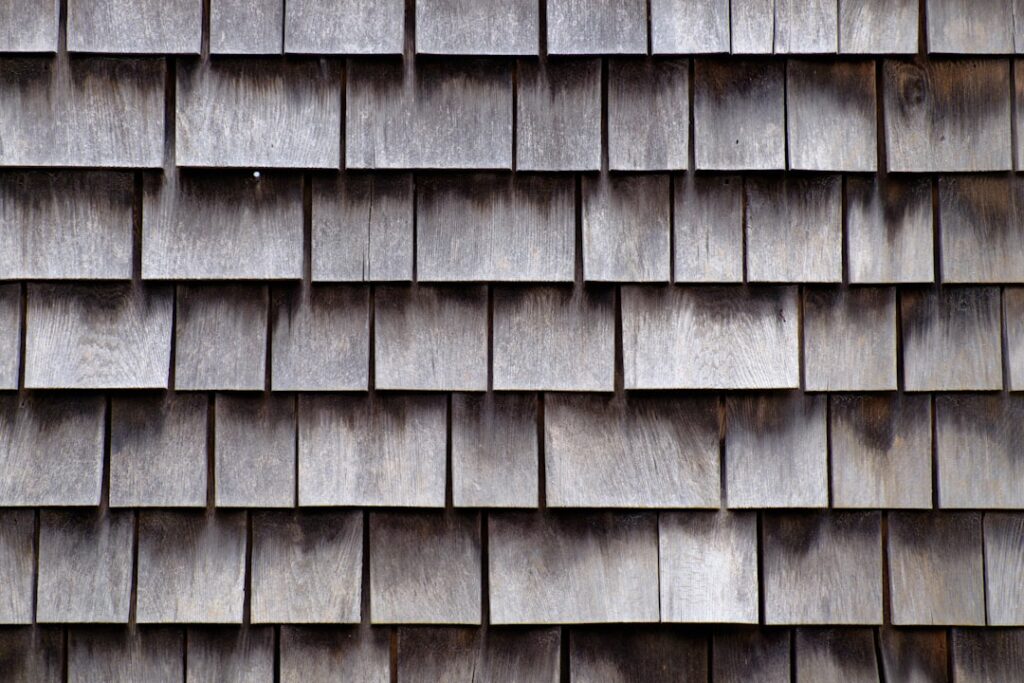
Plenty of mid-century houses still wear the same hard, gray-edged shingles they were built with, and owners planning to paint, re-side or add a window often stop to ask what does asbestos siding look like. The short version is that asbestos-cement siding has a recognizable size, edge profile and texture, and those clues are useful for deciding whether to test. They are not proof. Several modern products imitate the same look, and some older asbestos shingles look ordinary. This guide describes the common visual features in general terms, compares them with fiber cement, vinyl and wood, and explains testing, the leave-it, paint-it or remove-it decision, cracked shingles and why power washing is a bad idea. It summarizes EPA and OSHA guidance current as of 2026 for homeowners on the Colorado Front Range and elsewhere. It is informational only and not a substitute for an accredited asbestos inspector.
Part of our Asbestos in the Home guide — start there for the full picture →
Is this mold, asbestos, or water damage? Get a free instant screen
Upload a clear photo of the suspect area. You'll get an instant AI screening opinion and what to do next. This is screening guidance, not a professional determination.
Screening guidance only. AI can be wrong. Confirm asbestos, mold type, or lead with lab testing or a licensed professional before acting.
What Does Asbestos Siding Look Like? The Typical Features
Most asbestos siding in North American homes is asbestos-cement, sometimes called cement-asbestos board or transite-type siding. It was made by mixing Portland cement with asbestos fibers and pressing the mix into thin, stiff sheets. The result was fire-resistant, rot-proof and insect-proof, which is why builders used it widely through the middle of the twentieth century. Our overview of asbestos siding covers the history; here the focus is what it tends to look like on the wall.
The descriptions below are general patterns that inspectors and contractors commonly mention. Individual products varied by manufacturer and decade.
- Size and shape. Many asbestos-cement shingles are rectangular and often roughly 12 by 24 inches, installed in overlapping horizontal courses. Some were larger panels or different proportions.
- Rigid and thin. The shingles are stiff, flat and fairly thin, often around a quarter inch or less. They do not flex. Tapped with a knuckle, they tend to sound hard, closer to stone or tile than to plastic or wood.
- Bottom edge. A common style has a wavy, scalloped or deckled bottom edge. Others have a straight edge. The wavy edge is a strong hint, but some later non-asbestos products copied it.
- Surface texture. Many have an embossed wood-grain or striated texture pressed into the face. Others are smooth or lightly pebbled.
- Pre-punched nail holes. Because the material is brittle, shingles were often made with nail holes already punched near the top or bottom edge, and you may see neat, evenly spaced nail heads along each course.
- Chipped edges and corners. Where a corner has broken off, the exposed core typically looks gray and cement-like, even when the face is painted white, green or another color.
- Weathered face. Older unpainted shingles can look chalky, faded or slightly rough as the surface erodes over decades.
Where it appears matters too. Asbestos-cement shingles were used on main walls, gable ends, dormers, garages and detached sheds. Similar cement products show up as roof shingles and as flat panels around eaves and soffits. If the roof is a concern, our guide to asbestos roof shingles covers what to look for up there.
Asbestos-Cement vs Modern Fiber Cement and Other Look-Alikes
The most common source of confusion is modern fiber cement. It is also a cement-based board, it can carry a wood-grain texture and it is installed in courses, so at a glance the two can look alike. The key difference is the fiber: modern fiber cement uses cellulose (wood) fiber rather than asbestos. Our guide to asbestos cement explains the material in more depth.
The comparison below lists general tendencies. None of these features is a reliable test on its own, and many exceptions exist.
| Feature | Asbestos-cement shingles (older) | Modern fiber cement |
|---|---|---|
| Typical format | Individual shingles, often about 12 x 24 inches | Long horizontal planks, often 12 feet long, plus panels and shingle styles |
| Thickness and feel | Thin, hard and brittle; rings when tapped | Usually somewhat thicker; dense but less glassy-brittle |
| Bottom edge | Often wavy or scalloped; also straight | Usually straight; some shingle styles imitate scallops |
| Texture | Embossed wood grain, striations or smooth | Embossed wood grain or smooth |
| Nail holes | Often pre-punched, with exposed nail heads in rows | Usually blind-nailed under the next course, nail heads hidden |
| Chipped core | Gray, cement-like | Gray to off-white, may show fine fibrous texture |
| Era | Mostly installed in the mid-twentieth century | Widely used from the late twentieth century onward |
| Markings | Usually none visible from outside | Back of boards may carry manufacturer stamps |
| Can you confirm by eye? | No; lab test needed | No; age records or a test help |
Vinyl and aluminum
Vinyl siding is plastic. It flexes when pressed, sounds hollow when tapped, and is usually installed in long interlocking panels with a slight sag or ripple in hot weather. Aluminum siding dents rather than chips and shows bare metal where scratched. Neither is an asbestos product, though one caution applies: vinyl or aluminum was sometimes installed directly over older asbestos shingles. A house that looks vinyl from the street can still have cement shingles underneath, which matters before any project that cuts into the wall.
Wood and wood composite
Wood shingles and shakes are thicker at the butt, show real grain that varies from piece to piece, and splinter rather than snap. Wood composite and hardboard siding is softer, may swell at cut edges when wet and shows a fibrous core. These materials are not asbestos products, though old coatings on them may have their own issues.
Other cement products near siding
Flat cement panels on soffits, under windows or around chimneys, along with cement pipes and some exterior boards, can also be asbestos-containing. The guide on asbestos in concrete explains how cement-based products differ in risk.
Why You Cannot Confirm Asbestos Siding by Eye
Every visual clue above is a reason to test, not a conclusion. EPA’s homeowner guidance says that, generally, you can’t tell whether a material contains asbestos simply by looking at it, unless it is labeled. It adds that if in doubt, you should treat the material as if it contains asbestos and leave it alone.
Two practical reasons make visual identification unreliable for siding. First, manufacturers made both asbestos and non-asbestos cement products during transition years, sometimes in similar styles. Second, painted, weathered or patched siding hides the features that might otherwise help. Age gives context; see when asbestos was used in homes. But build date and appearance only raise or lower suspicion.
EPA’s Learn About Asbestos page also notes why the material appeared in so many products: its fiber strength and heat resistance led to its use in building materials for insulation and as a fire retardant, including roofing shingles and asbestos cement products. That background explains why cement siding is a common suspect, but it does not identify any particular house.
How to Test Suspected Asbestos Siding
Laboratory analysis of a sample is the standard way to confirm asbestos. There are two common routes.
Mail-in sample kits
Consumer kits typically include a container, instructions and a prepaid lab fee; the owner collects a small piece and mails it to a laboratory. They can be a reasonable choice for an owner-occupant with an intact, accessible shingle. Our guides to the asbestos siding test kit and to asbestos home testing kits explain how to choose one and what to look for in the lab’s accreditation.
A caution: EPA highly recommends that sampling, like minor repair, be done by a trained and accredited asbestos professional, because taking a sample disturbs the material. If an owner does sample, the usual precautions include misting the area first, taking only a small piece from an inconspicuous spot such as a corner already chipped, avoiding power tools, bagging the sample immediately and sealing the spot with tape or caulk.
Accredited inspector
An accredited asbestos inspector collects samples under controlled conditions, often across several building materials at once, and produces a written report. EPA advises that an inspection should include a complete visual examination and the careful collection and laboratory analysis of samples, with a written evaluation of location and extent if asbestos is present. For a planned remodel, re-siding job or sale, this is usually worth the cost, and some local permitting offices require it before exterior demolition. Once results arrive, the guide to asbestos test results explains how to read them.
EPA also suggests avoiding a conflict of interest by using a different firm for the assessment than for any repair or removal work.
Leave It, Paint It or Remove It
Finding asbestos in siding is not automatically a reason to remove it. EPA’s guidance says asbestos-containing materials that are not damaged or disturbed are not likely to pose a health risk, and that usually the best thing is to leave asbestos-containing material alone if it is in good condition. Asbestos-cement siding is a non-friable material in normal condition, meaning the fibers are locked into the cement and are not easily released by hand pressure.
Leave it in place
For intact siding with no planned work, leaving it alone is often the lowest-risk option. Keep it in good repair, avoid nailing or drilling into it, and note its presence in household records so future contractors know before they start.
Paint it
Many owners repaint asbestos-cement siding to refresh its appearance and help seal the surface. This is commonly done, but it should be approached with care. EPA’s homeowner list of don’ts includes not sawing, sanding, scraping or drilling holes in asbestos-containing materials, which rules out the aggressive prep that many paint jobs involve. A gentle wash with a garden hose and soft brush, a suitable masonry primer and a brush or roller application avoid most of the risk. Some contractors use low-pressure spraying instead. Rules for paid work vary by state and locality, so a painting contractor should confirm what applies before starting.
Cover it
Installing new siding over old asbestos shingles is sometimes done to avoid removal. It requires fastening through or around brittle shingles, which can crack them, so the installer needs to plan the method and follow applicable rules. Covering also means the material is still there for the next owner, which must be disclosed where required.
Remove it
Removal makes sense when the siding is extensively damaged or a planned project would disturb it anyway. OSHA’s construction asbestos standard (29 CFR 1926.1101) classifies the removal of asbestos-containing siding and roofing shingles as Class 2 asbestos work, and sets specific work practices for removing cementitious asbestos-containing siding and shingles on building exteriors. Those include prohibiting cutting, abrading or breaking the shingles unless less fiber-releasing methods cannot be used, spraying each shingle with amended water before removal, and lowering shingles to the ground through a covered chute or in impervious bags or plastic wrapping rather than dropping them. OSHA’s standard applies to employers and their workers, but it shows how much care removal is expected to involve. Costs and process are covered in our guides to asbestos siding removal and asbestos siding removal cost.
EPA notes that federal law does not require people who inspect, repair or remove asbestos-containing materials in detached single-family homes to be trained and accredited, but that some states and localities do. Colorado has its own asbestos rules, including requirements tied to building permits and disposal, so Front Range owners should check state and local requirements before planning any removal.
Cracked Shingles, Repairs and Power Washing
Damaged shingles are where most practical risk shows up. A cracked or broken shingle is not usually an emergency, but the broken edges can release fibers when handled, scraped or struck again.
- Do not break it out yourself. Prying loose a cracked shingle, snapping it off or grinding the edge is exactly the kind of disturbance EPA advises against. EPA recommends that removal and major repair be done by trained and qualified people.
- Temporary stabilization. For a small crack, some owners mist the area and seal it with exterior caulk or paint to hold pieces in place until a professional can assess it. Avoid sanding or scraping while doing this.
- Debris on the ground. Do not sweep or vacuum chips with a regular vacuum. EPA advises against dusting, sweeping or vacuuming debris that may contain asbestos. Mist small pieces, pick them up with damp paper towels and bag them, or call a professional if there is much debris.
- Replacement shingles. Matching old shingles usually means a non-asbestos replacement, which may differ in color or texture. Painting the whole wall afterward often hides the difference.
Why power washing is a problem
High-pressure washing is one of the most common ways owners accidentally damage asbestos-cement siding. A strong jet can erode the weathered surface, blast loose paint and chips across the yard and into neighbors’ properties, and drive water behind brittle shingles where it can crack them during a freeze. EPA’s broader guidance against abrading asbestos-containing materials points the same way. A garden hose and soft brush are the safer choice for cleaning. Front Range freeze and thaw cycles, intense sun and hail make old cement siding more brittle over time, so gentle cleaning matters more here than in milder climates.
A Walk-Around Checklist for Spotting Suspect Siding
A careful look around the outside of the house, without touching or prying anything, can tell an owner a lot about whether testing is worth arranging. The goal is to gather clues, take photos and note locations, not to break off pieces.
Start with the easy views
Stand back and look at the pattern of the courses. Asbestos-cement shingles usually create a regular grid of short rectangles with visible vertical joints every couple of feet, rather than the long uninterrupted lines of modern plank siding. Look at the bottom edges of each course in low, raking light early or late in the day; scalloped or wavy edges show up best when the sun hits the wall at an angle.
Look at corners and edges
Outside corners, the edges around windows and doors, and the lowest course near the ground take the most abuse from hoses, mowers and ladders. These are the places most likely to show a chipped corner revealing the core. Note the color of any exposed core and whether the break looks clean and stony or splintered and fibrous, but do not pick at it.
Check the less obvious places
- Garages and sheds. Outbuildings were often sided with the same material as the house, or with leftover shingles, and they are less likely to have been re-sided later.
- Gable ends and dormers. These areas were sometimes finished in a different product from the main walls, so check them separately.
- Behind newer siding. Look at the bottom edge of vinyl or aluminum siding near the foundation, around utility penetrations, or inside an unfinished attic gable. Old shingles are sometimes visible at these edges.
- Utility rooms and attics. Leftover shingles were occasionally stored in attics, basements or crawl spaces, sometimes still in their original bundle with a manufacturer label.
Record what you find
Photograph each elevation, close-ups of edges and texture, and any damaged areas. Those photos help an inspector decide where to sample and help a contractor estimate the job if removal ever becomes necessary. They also give a baseline for spotting new damage after storms.
Asbestos Siding When Buying or Selling
Suspected asbestos siding comes up often during real estate transactions on the Front Range, where many neighborhoods were built in the decades when cement shingles were popular. A general home inspection may note siding that appears to be asbestos-cement, but most general inspectors do not sample it, and a note in a report is not a lab result.
Buyers who expect to re-side, add windows or remodel exterior walls soon after closing often order testing during the inspection period, so they can price the project accurately. Sellers who already have a positive result should keep the report and be prepared to disclose it as state forms require. Intact, painted asbestos-cement siding is common, and many buyers accept it once they understand that leaving it in good condition is usually the lowest-risk approach. Damaged siding or a plan to remove it is a different conversation, and removal estimates should come from accredited contractors familiar with Colorado’s rules.
Next Steps Before Any Exterior Project
For an owner who suspects asbestos siding, a sensible sequence looks like this:
- Check the build year and any original records, and look for siding under newer cladding.
- Compare the shingles against the features above, and note any damaged areas.
- Have the siding tested before any project that will cut, drill, nail, sand or remove it.
- If results are positive and the siding is intact, decide between leaving it, careful painting or planned removal.
- Hire accredited professionals for removal and for anything beyond minor repair, and confirm local permit and disposal rules.
- Keep the test report and any work records for future buyers and contractors.
Siding is only one place older homes may contain asbestos. For the wider picture, start with our asbestos guides or the main asbestos and lead hub.
References
- U.S. EPA: Learn About Asbestos
- U.S. EPA: Protect Your Family from Exposures to Asbestos
- OSHA: Asbestos Standard for Construction, 29 CFR 1926.1101
Frequently asked questions
How can asbestos siding be identified without a test?
It cannot be confirmed by eye. Clues such as roughly 12 x 24 inch rigid shingles, wavy bottom edges, embossed texture, exposed nail heads and a gray cement core raise suspicion, but EPA says you generally can't tell whether a material contains asbestos by looking at it unless it is labeled.
Is asbestos siding dangerous if it is left alone?
EPA says asbestos-containing materials that are not damaged or disturbed are not likely to pose a health risk, and that the best thing is usually to leave material in good condition alone. Risk rises when it is broken, sanded, drilled or removed.
Can asbestos siding be painted?
Many owners paint it, but avoid sanding, scraping and power washing during prep. Gentle cleaning, a suitable primer and brush or roller application keep disturbance low. Check state and local rules for paid work.
Is it safe to power wash asbestos siding?
It is best avoided. High pressure can erode the surface, scatter chips and crack brittle shingles. A garden hose and soft brush are the safer way to clean it.
Who should remove asbestos siding?
Trained, accredited asbestos professionals. OSHA treats siding shingle removal as Class 2 asbestos work with specific wet, no-breakage handling practices, and Colorado has its own permit and disposal requirements.
Looking at old cement shingles and planning a project? Reach out with a few details about the house, and we can help connect you with an accredited asbestos inspector on the Front Range before any work begins.
Asbestos test kits
Asbestos can only be confirmed by a lab. A mail-in kit gets you a sealed sample container and accredited analysis — never sand or disturb suspect material first.
| Product | Why | Buy |
|---|---|---|
 Asbestos Test Kit (mail-in lab) Asbestos Test Kit (mail-in lab) | Includes PPE + sealed mailer. | Amazon — $34.99 |
| Pro-Lab Asbestos Test Kit | Widely available; lab fee separate. | Amazon — $34.99 |