Thermal Imaging Inspection Park County, CO
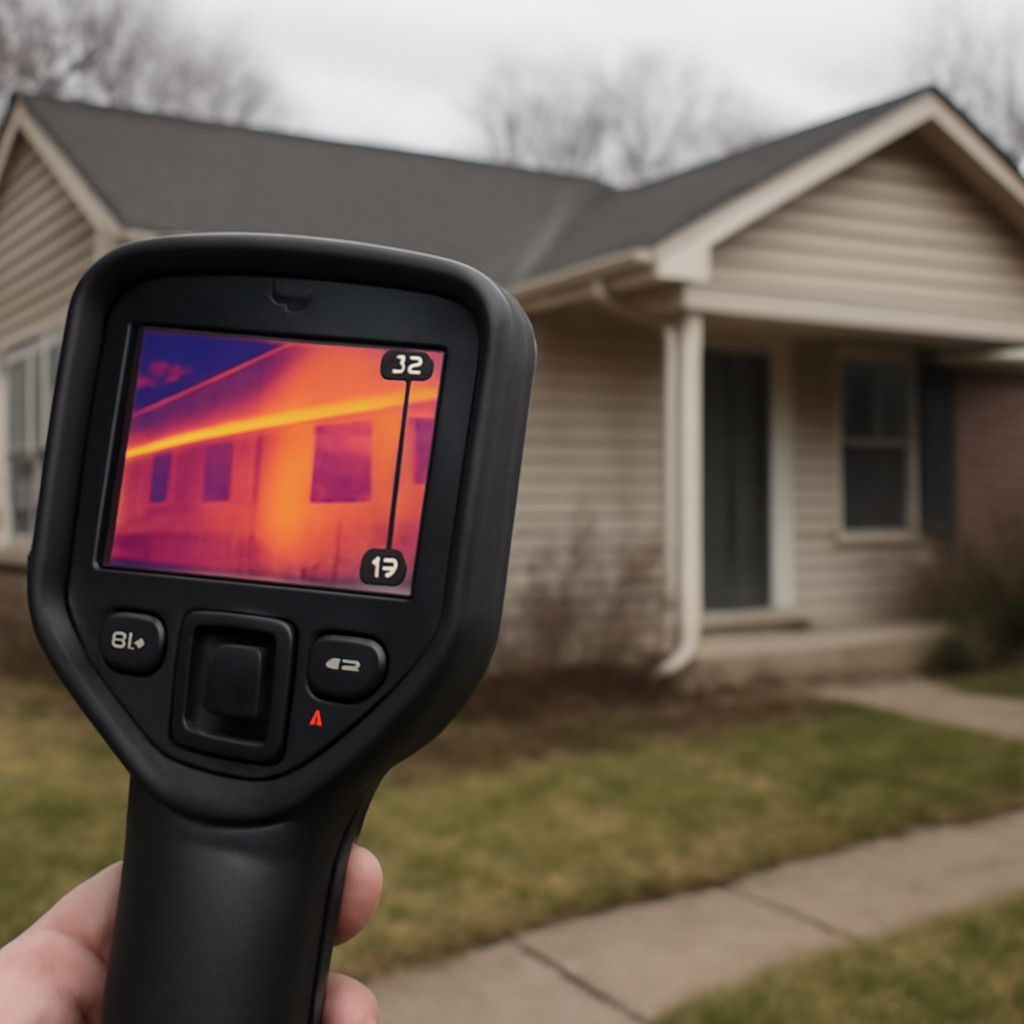
Thermal imaging inspection park county buyers and homeowners add when they want to see what a standard walkthrough cannot — hidden moisture, missing insulation, energy loss, and electrical hot spots behind finished surfaces. A thermal (infrared) camera reads surface temperature differences that reveal problems invisible to the eye, and in Park County’s extreme-cold, high-elevation homes those differences are pronounced and diagnostic. The county is a vast, very high basin southwest of Denver — South Park at roughly 9,000 to 10,000-plus feet — running from Bailey along US-285 through Como and Shawnee to the county seat of Fairplay, with Alma, Hartsel, Guffey, and Lake George across the high country. This page is a county-level hub covering what thermal imaging finds here, local costs, and how it fits a mountain inspection.
Part of our Thermal Imaging for Homes guide — start there for the full picture →
Thermal imaging inspection in Park County: what to know
Thermal imaging is a non-invasive technique that uses an infrared camera to map surface temperatures across walls, ceilings, and floors. It does not see through walls; instead, it detects the temperature patterns that hidden conditions create — a cold streak where insulation is missing, a cool damp patch where moisture sits, or a warm spot at an overloaded electrical connection. An inspector interprets those patterns and confirms findings with a moisture meter or further investigation.
In Park County, the severe temperature gap between a heated interior and a deeply cold exterior makes thermal imaging especially revealing. The large differential sharpens the contrast the camera reads, so missing insulation, air leaks, and cold-wall condensation stand out clearly in a Bailey or Fairplay home during the long heating season — exactly when these problems cost the most in a county with some of the harshest winters in the state.
For the broader inspection context and how thermal imaging fits a buyer’s due diligence, our guide to hiring a home inspector covers the fundamentals. This page stays focused on the Park County picture — extreme-cold energy loss, high-country moisture, and older or off-grid construction — and what an infrared scan adds locally.
Why Park County homes benefit from thermal imaging
The climate makes energy loss costly and visible. Heating a home at 9,000 to 10,000-plus feet through a brutal South Park winter is expensive, and gaps in insulation or air-sealing waste money every cold day. Thermal imaging maps exactly where heat escapes — at rim joists, around windows, in under-insulated attics and cathedral ceilings — turning an abstract high heating bill into a specific, fixable map of weak points in a Como or Bailey home. For off-grid homes on limited solar or propane, that efficiency matters even more.
Hidden moisture is the second driver. Snowmelt, ice dams, and roof or plumbing leaks introduce water that often hides behind finishes, and a cool, evaporatively damp patch shows up on a thermal scan before a stain appears. In a county where mold follows liquid water and seasonal homes can sit closed for weeks with an undetected leak, finding that moisture early — behind a Fairplay wall or a Hartsel cabin ceiling — is genuinely valuable.
Older and off-grid construction adds a safety dimension. Mining-era homes in the Fairplay and Alma area often have aged or modified electrical, and a thermal camera can reveal an overheating breaker, connection, or circuit before it becomes a fire risk. Off-grid solar inverters, battery banks, and generator connections also benefit from a thermal check, and with wood stoves and furnaces running hard, scanning around heating appliances and flues can flag clearance and venting concerns.
What a Park County thermal imaging inspection covers
A thermal scan is typically an add-on to a home or pre-purchase inspection, sweeping the interior systematically and following up on anomalies. Several areas get particular attention in a Park County home.
Building envelope and insulation
The inspector scans exterior walls, ceilings, and floors for the cold patterns of missing or settled insulation and the streaks of air leakage at penetrations and junctions. In an extreme-cold mountain home, these envelope gaps drive both high heating costs and the cold interior surfaces where condensation and mold can form, so the scan serves comfort, energy, and moisture goals at once.
Moisture and electrical anomalies
Cool, evaporative patches flag possible hidden moisture from snowmelt, ice dams, or plumbing, which the inspector confirms with a moisture meter. Warm anomalies at the electrical panel, along circuits, or at off-grid power components can reveal loose or overloaded connections, a meaningful safety check in older or off-grid Park County homes. The camera points the inspector to where these problems hide.
Thermal imaging inspection cost in Park County
Thermal imaging in the Park County market is usually priced as an add-on to a home or pre-purchase inspection, commonly $100 to $250 on top of the base fee, depending on home size and scope. A standalone infrared scan — for an energy assessment or to chase a specific moisture or electrical concern — typically runs $200 to $450, with long drive times to remote South Park properties affecting the total.
The value is leverage and savings. Catching a hidden snowmelt leak before it feeds mold, or mapping insulation gaps that drive a punishing high-country heating bill, often returns far more than the scan costs. For buyers, an infrared finding during the inspection period can support a repair request on a Bailey or Fairplay home before the deadline, making the add-on an easy decision on a remote property.
Colorado regulations and disclosure
Colorado does not license home inspectors or thermal imaging technicians, so training and method are the buyer’s responsibility. Reputable inspectors hold infrared certification in addition to national home-inspection credentials, and they understand that a thermal camera shows temperature, not moisture or wiring directly — findings must be confirmed with a moisture meter or further inspection rather than reported as conclusions on their own.
For real-estate transactions, anything a thermal scan uncovers — hidden moisture, insulation defects, an electrical hot spot — feeds into the buyer’s inspection objection and the seller’s disclosure obligations under Colorado’s Seller’s Property Disclosure. A documented infrared finding, confirmed and photographed, carries weight during the objection period on a Park County property far from the highway.
Communities and areas served across Park County
Thermal imaging adds value county-wide, with emphasis shifting by community. Bailey’s year-round homes benefit from envelope and energy scanning given the heating climate. Fairplay and Alma, with older mining-era stock and dated electrical, see particular value in the electrical-safety side of a thermal scan. Como, Shawnee, Hartsel, Guffey, and Lake George cabins, often seasonal or off-grid and prone to slow-drying moisture, gain from moisture and insulation imaging. The scan typically rides along with the work described on our county page on home inspection in Park County.
Coverage extends across the South Platte headwaters and the high South Park basin, including properties reached over Kenosha Pass. Buyers on the eastern edge near the Jefferson County line can reference our nearby work on thermal imaging inspection in Conifer, a foothills community with comparable cold-climate housing. Across Park County, thermal imaging pairs naturally with a moisture-focused mold assessment, since both target the same hidden water.
How extreme cold sharpens the scan
Thermal imaging works best when there is a strong temperature differential across a surface, and Park County’s winters supply that as dramatically as anywhere in Colorado. A heated interior against a deeply sub-zero South Park night produces sharp contrasts that make missing insulation, air leaks, and thermal bridges leap out on the camera. A scan run on a frigid Bailey morning reveals envelope defects that the same camera would barely register in mild weather, which is why timing matters for an energy-focused scan.
The same differential aids moisture detection. Evaporative cooling from a damp area shows up as a distinct cool zone against warm interior surfaces, so a hidden snowmelt or plumbing leak behind a Fairplay wall stands out during the heating season. The inspector then confirms with a moisture meter, because a cool spot can have other causes — but in an extreme-cold mountain home the thermal signature is a strong first indicator worth chasing, especially in a seasonal home where a slow leak can run undetected.
Older and off-grid homes reward the electrical sweep. Dated panels, mixed wiring vintages, off-grid inverters, and generator connections are common in Park County, and an overheating connection radiates a warm signature the camera catches before any visible sign appears. In a tightly sealed mountain home running wood, propane, and electric heat through a long winter, that early electrical warning is one of the most practical safety benefits thermal imaging provides across South Park.
What thermal imaging cannot do in a Park County home
Thermal imaging is powerful, but understanding its limits keeps a Park County homeowner from over-relying on it. The camera reads surface temperature, not the conditions behind a wall directly, so it cannot confirm mold, see a pipe, or detect moisture by itself — it reveals temperature patterns that suggest those things and must be confirmed by other means. A cool patch on a Bailey ceiling might be moisture, but it could also be a draft, a missing-insulation void, or a thermal bridge, which is why a credible inspector always verifies with a moisture meter before drawing a conclusion.
Conditions have to cooperate for the scan to work. Thermal imaging needs a meaningful temperature differential across the surface being scanned, so a scan run in mild weather, or on an exterior wall in full sun, can wash out the very contrasts the inspector is looking for. In Park County this usually favors the scan — the extreme cold supplies strong differentials — but it also means an inspector schedules and interprets the work with the weather in mind rather than treating any scan as equally revealing on a remote property.
The camera also cannot see through insulation or assess what it cannot reach. A deeply buried defect, a problem inside a sealed cavity with no surface temperature signature, or an area blocked by furniture or stored belongings in a seasonal cabin may not register at all. A Fairplay or Como homeowner should view thermal imaging as a powerful pointer that directs further investigation, not a guarantee that every hidden problem has been found, and an honest inspector frames it exactly that way in the report.
How to choose a Park County thermal imaging provider
Confirm the inspector holds infrared certification alongside national home-inspection credentials, and ask how they confirm thermal findings — a credible provider verifies moisture with a meter and treats the camera as a guide, not a verdict. A provider who understands extreme-cold envelope loss, high-country moisture, and older or off-grid electrical will scan the right areas and interpret the patterns correctly in a Park County home.
Because the scan is most often an add-on, coordinating it with a full home or pre-purchase inspection gives one report covering both the visible condition and the hidden patterns the camera reveals. That combined approach fits Park County’s cold-climate, remote-housing reality and gives a buyer more to work with before an objection deadline on a Bailey or Fairplay property.
References
- ENERGY STAR: Seal and Insulate — U.S. Environmental Protection Agency (ENERGY STAR)
- Residential standards of practice — International Association of Certified Home Inspectors
- Moisture control and mold prevention — U.S. Environmental Protection Agency
Frequently asked questions
What does thermal imaging find in a Park County home?
Hidden moisture from snowmelt, ice dams, and leaks; missing or settled insulation; air leaks driving high mountain heating bills; and overheating electrical connections in older or off-grid homes. The camera reads temperature patterns the eye cannot see.
Is thermal imaging a standalone service or an add-on?
Most often an add-on to a home or pre-purchase inspection, though standalone energy or moisture scans are available. Pairing it with a full inspection gives one combined report on visible and hidden conditions.
How much does thermal imaging cost in Park County?
As an add-on it commonly runs $100 to $250 over the base inspection fee. A standalone scan typically runs $200 to $450, with long drive times to remote South Park properties affecting the total.
Does the extreme cold make thermal imaging more effective?
Yes. The large gap between a heated interior and a deeply sub-zero exterior sharpens the temperature contrasts the camera reads, so insulation gaps, air leaks, and moisture stand out clearly during a Park County winter.
A thermal scan turns a Park County home’s hidden moisture, heat loss, and electrical risks into a clear picture before you buy or before another South Park winter. To add infrared imaging to your inspection, get in touch through our contact page.
Thermal imaging cameras
Infrared cameras reveal hidden moisture, missing insulation, and air leaks. Phone-attachment models are the budget entry point; standalone units have higher resolution.
| Product | Why | Buy |
|---|---|---|
 FLIR ONE Pro (phone) FLIR ONE Pro (phone) | Plugs into iPhone/Android; inspector favorite. | Amazon — $349.00 |
 Topdon TC001 Topdon TC001 | High-res phone module at a low price. | Amazon — $199.99 |
 FLIR C5 Compact FLIR C5 Compact | Standalone pocket camera with Wi-Fi. | Amazon — $611.50 |