Thermal Imaging Inspection Castle Pines, CO
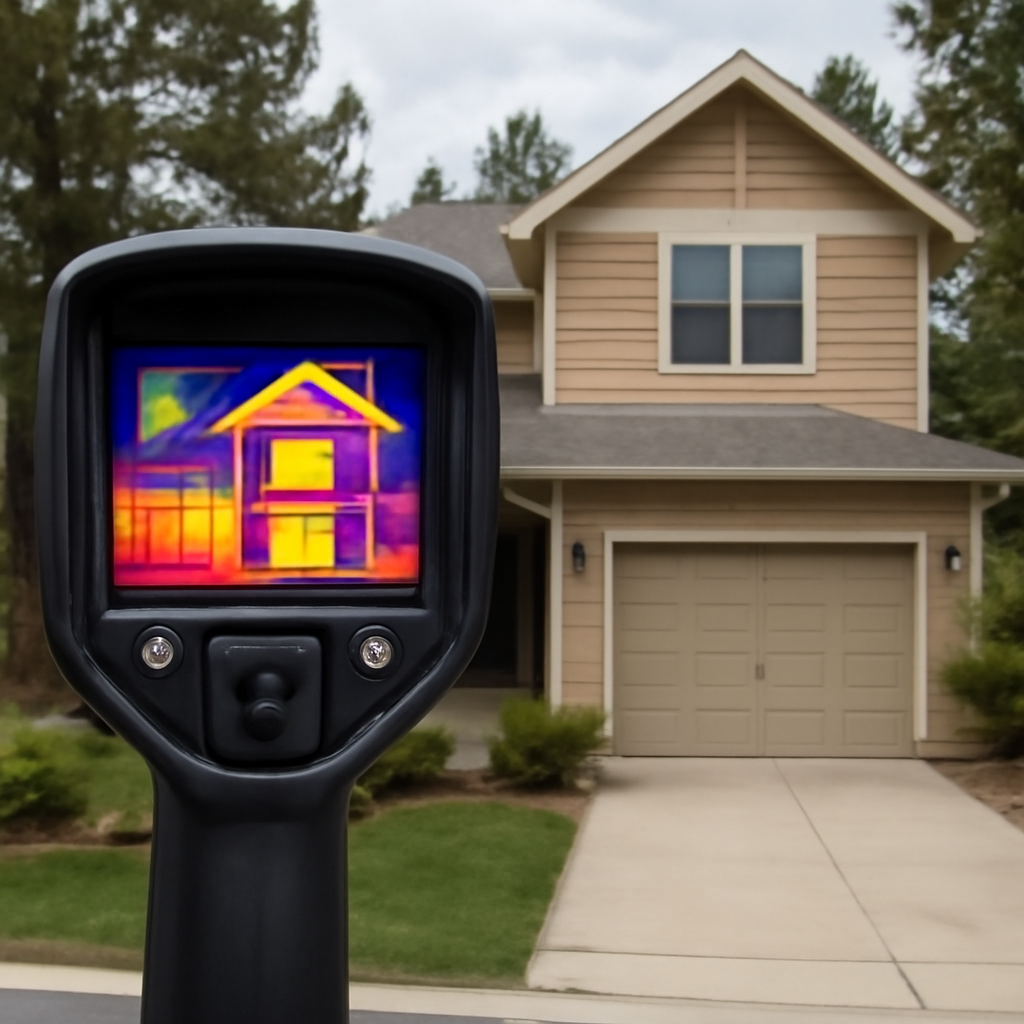
Thermal imaging adds a layer of insight a standard visual inspection cannot reach, using an infrared camera to reveal temperature differences that point to hidden moisture, missing insulation, and air leakage behind finished surfaces. In Castle Pines, where large custom homes sit on a forested ridge at 6,400 feet and endure long, cold winters, those hidden issues carry real consequences for comfort, energy bills, and moisture damage. A thermal imaging inspection castle pines buyers and owners request turns invisible problems into a visible map. This page explains what infrared can and cannot find, why it fits the local housing, and what to expect on cost.
Part of our Thermal Imaging for Homes guide — start there for the full picture →
Thermal imaging inspection in Castle Pines: what to know
A thermal imaging inspection uses an infrared camera to detect surface temperature variations across walls, ceilings, and floors. Those variations are clues: a cool patch may indicate moisture evaporating from drywall, a warm streak may show heat escaping where insulation is missing, and a cold draft outline may reveal an air leak. The camera does not see through walls or detect mold directly; it reveals the thermal signatures that point an inspector toward a problem worth investigating.
The technique works best as part of a broader inspection rather than in isolation. An inspector uses the camera to scan systematically, then confirms suspicious findings with a moisture meter or closer examination. For the methodology and equipment behind infrared scanning, our guide to hiring a home inspector covers how thermal imaging fits into a professional inspection.
For Castle Pines’s large, finished homes, thermal imaging is especially useful because so much of the structure is hidden behind drywall and finishes. A walkout basement with finished walls, a vaulted great room, and multiple levels of insulated assemblies all conceal conditions that infrared can flag without invasive opening. That non-destructive quality is what makes it valuable on a high-end home where a buyer wants information without cutting into finished surfaces.
Why Castle Pines homes benefit from thermal imaging
The high-elevation climate is the first reason. At 6,400 feet, Castle Pines homes face long heating seasons and significant indoor-outdoor temperature differences, which is exactly the condition under which infrared performs best, since the temperature contrast makes insulation gaps and air leaks show up clearly. A scan during the heating season can reveal where a large home is losing heat and money.
The forested, sloped setting makes hidden moisture a genuine concern. Walkout basements built into the ridge, finished lower-level walls in soil contact, and roofs shaded by pine that dry slowly after snow all create conditions for moisture intrusion that stays hidden behind finishes. Thermal imaging can catch the cool signature of a damp basement wall or a roof leak’s path before staining appears, which matters in a finished space worth thousands to restore.
The custom construction itself rewards scanning. Large Castle Pines homes have complex assemblies, vaulted ceilings, bonus rooms over garages, intricate rooflines, where insulation is easy to install incompletely and where missing coverage drives cold spots and ice-damming on north-facing eaves. Infrared maps these gaps so an owner can target insulation improvements precisely rather than guessing. Buyers frequently add thermal imaging to a broader pre-purchase inspection in Castle Pines to get this hidden-condition layer before closing.
What a Castle Pines thermal imaging inspection covers
An infrared scan covers the accessible interior surfaces of the home, with the inspector moving room by room to capture thermal images of walls, ceilings, and floors, then correlating findings with moisture readings and visual confirmation.
Moisture and water intrusion
Infrared excels at revealing the cool signature of evaporative moisture, so it can show the path of a roof leak, a plumbing leak behind a wall, or dampness in a finished basement before visible damage appears. In a Castle Pines walkout basement, this early detection can mean catching a drainage problem while it is still a small repair.
Insulation gaps and air leakage
The scan also maps missing or settled insulation and the cold outlines of air leaks around windows, doors, and top plates. For a high-elevation home with high heating demand, identifying these losses translates directly into comfort and energy savings. A focused thermal scan complements the structural findings of a Castle Pines home inspection, giving the owner a fuller picture of building performance.
Thermal imaging inspection cost in Castle Pines
When added to a full home inspection, thermal imaging typically adds about $100 to $250 to the inspection fee, depending on home size and the depth of the scan. As a standalone service for an owner investigating a specific problem or planning insulation upgrades, a dedicated infrared inspection generally runs $200 to $400.
Large Castle Pines custom homes sit toward the upper end because more square footage and more complex assemblies take longer to scan thoroughly. The cost reflects the time and the equipment, a quality infrared camera is a significant tool, rather than a per-room formula.
The value comes from catching expensive problems early and targeting improvements precisely. Finding a hidden basement moisture path before it ruins finished walls, or pinpointing the exact insulation gaps driving high heating bills in a large home, can save far more than the scan costs. For a buyer, a thermal inspection that reveals a concealed leak or widespread missing insulation provides concrete negotiating information, and for an owner, it turns a vague comfort complaint into a specific, fixable map. In both cases the modest fee buys clarity that visual inspection alone cannot provide.
Colorado regulations and disclosure
Colorado does not license home inspectors or thermographers, so a buyer should confirm the inspector’s certification and experience with infrared interpretation. Thermal imaging is an interpretive skill as much as a tool; a competent thermographer knows the difference between a meaningful moisture signature and a harmless thermal variation, and verifies findings with a moisture meter rather than reporting every cool spot as a defect.
For a Castle Pines transaction, thermal findings can support the inspection objection if they reveal hidden moisture or significant insulation deficiencies, but the report should describe findings accurately and recommend confirmation where appropriate. The Seller’s Property Disclosure covers known defects, while a thermal scan can surface conditions a seller may not have known about, making it a useful complement to disclosure during a purchase.
What drives thermal imaging cost in Castle Pines
The cost of a thermal imaging inspection in Castle Pines reflects the time a thorough scan takes and the equipment behind it rather than a simple per-room rate. Home size is the primary driver: a quality infrared scan means moving methodically through every accessible room, capturing images of walls, ceilings, and floors, then correlating each suspicious signature with a moisture meter, so the city’s large custom homes with multiple finished levels naturally take longer and cost more than a modest house. Whether the service is added to a full inspection or ordered standalone also shifts the price, with the bundled add-on costing less than a dedicated standalone scan because the inspector is already on site.
Architectural complexity raises the figure further. Vaulted great rooms, bonus rooms over garages, intricate rooflines, and finished walkout basements all create more concealed assemblies to scan, and each is a place where insulation can be installed incompletely or moisture can hide behind finishes. A sprawling Village at Castle Pines estate with several wings takes considerably longer to scan thoroughly than a compact home, which is why such properties sit at the upper end of the range.
The interpretive skill of the thermographer is the quieter part of the cost. A meaningful infrared inspection is not just running a camera; it requires a trained eye that distinguishes a genuine moisture signature from a harmless thermal variation and verifies findings rather than flagging every cool spot as a defect. A provider who invests in quality equipment and that interpretive judgment commands a fair fee, and the value, catching a hidden basement leak before it ruins finished walls or pinpointing the exact insulation gaps driving high heating bills in a large home, far exceeds the modest cost when the scan turns up a real problem.
When to schedule a Castle Pines thermal scan
Timing makes a large difference to what a thermal scan can reveal in Castle Pines, and the city’s high-elevation climate gives a clear answer. Infrared works by detecting temperature differences, so the technique performs best when there is a strong contrast between indoor and outdoor temperatures. At roughly 6,400 feet, Castle Pines endures long, cold winters with substantial heating demand, and a scan during the heating season makes insulation gaps, air leaks, and missing coverage in vaulted ceilings and bonus rooms show up vividly as the warm interior loses heat through the weak points.
That same winter contrast helps reveal moisture. A damp walkout-basement wall fed by snowmelt against the below-grade foundation, or the path of a roof leak under the slow-drying pine-shaded north side of a home, shows the cool evaporative signature infrared is designed to catch, often before any staining appears on the finish. A buyer under contract during the colder months gains the most from a thermal add-on for exactly this reason, since the conditions for detection are at their best.
In the warmer months the indoor-outdoor contrast shrinks and subtle insulation gaps become harder to see, though active moisture and significant air leaks can still register. A good thermographer sets honest expectations about this seasonal limitation, recommends the heating season for an energy-focused scan, and ties findings back to the home’s specific systems rather than overpromising what a summer scan can deliver. For an owner planning insulation upgrades on a large Castle Pines home, scheduling the scan for winter turns a vague comfort complaint into a precise, actionable map of where heat and money are escaping.
Neighborhoods and areas served
Thermal imaging inspection serves homes across Castle Pines, from The Village at Castle Pines and Castle Pines North to Hidden Pointe and Lagae Ranch. The shared profile, large custom homes with complex assemblies and finished walkout basements on a high, forested ridge, makes infrared scanning broadly useful across the city’s neighborhoods.
Service typically extends to adjacent Castle Rock, Lone Tree, Highlands Ranch, and Sedalia within Douglas County. Buyers and owners comparing nearby communities can also review our thermal imaging inspection guide for Lone Tree, a neighboring city with a similar newer custom-home stock.
How to choose a Castle Pines thermal imaging provider
Choose an inspector who is trained in infrared interpretation, uses a quality thermal camera, and confirms findings with a moisture meter rather than treating every temperature variation as a defect. Ask to see sample thermal images in a report so you can judge how clearly the provider documents and explains what the camera reveals.
For the best results, schedule the scan when there is a meaningful indoor-outdoor temperature difference, which in Castle Pines means the heating season, since the contrast makes hidden conditions show up most clearly. A good provider explains what infrared can and cannot detect, sets honest expectations, and ties findings back to the home’s specific systems. That interpretive judgment, not just owning a camera, is what makes a thermal inspection worthwhile on a large Castle Pines home.
References
- Infrared thermal imaging in inspections — International Association of Certified Home Inspectors
- Inspection standards and ethics — American Society of Home Inspectors
- ENERGY STAR: Seal and Insulate — U.S. Environmental Protection Agency (ENERGY STAR)
Frequently asked questions
What can a thermal imaging inspection find in a Castle Pines home?
Infrared reveals temperature differences that point to hidden moisture, missing or settled insulation, and air leaks behind finished surfaces. It does not see through walls or detect mold directly, but it guides the inspector to problems worth confirming with a moisture meter.
How much does thermal imaging cost in Castle Pines?
Added to a full inspection it typically adds $100 to $250, while a standalone infrared inspection generally runs $200 to $400. Large custom homes sit at the upper end because more area takes longer to scan.
When is the best time to do a thermal scan in Castle Pines?
During the heating season, when the indoor-outdoor temperature difference is largest. That contrast makes insulation gaps, air leaks, and moisture signatures show up most clearly, which matters at the city's 6,400-foot elevation.
Why is thermal imaging useful on large custom homes?
Big Castle Pines homes have complex assemblies, vaulted ceilings, bonus rooms, and finished walkout basements, where insulation is easy to install incompletely and moisture stays hidden behind finishes. Infrared maps these conditions without cutting into surfaces.
Does thermal imaging replace a regular home inspection?
No. It is a complement that adds a hidden-condition layer to a standard visual inspection. Buyers typically add it to a full home or pre-purchase inspection rather than ordering it alone.
If you are buying or improving a large Castle Pines home and want to see what hides behind the finishes, an infrared scan adds a layer visual inspection misses. To connect with a vetted Front Range inspector, reach out through our contact page.
Thermal imaging cameras
Infrared cameras reveal hidden moisture, missing insulation, and air leaks. Phone-attachment models are the budget entry point; standalone units have higher resolution.
| Product | Why | Buy |
|---|---|---|
 FLIR ONE Pro (phone) FLIR ONE Pro (phone) | Plugs into iPhone/Android; inspector favorite. | Amazon — $349.00 |
 Topdon TC001 Topdon TC001 | High-res phone module at a low price. | Amazon — $249.00 |
 FLIR C5 Compact FLIR C5 Compact | Standalone pocket camera with Wi-Fi. | Amazon — $611.50 |