Pre-Purchase Inspection in Castle Pines, CO
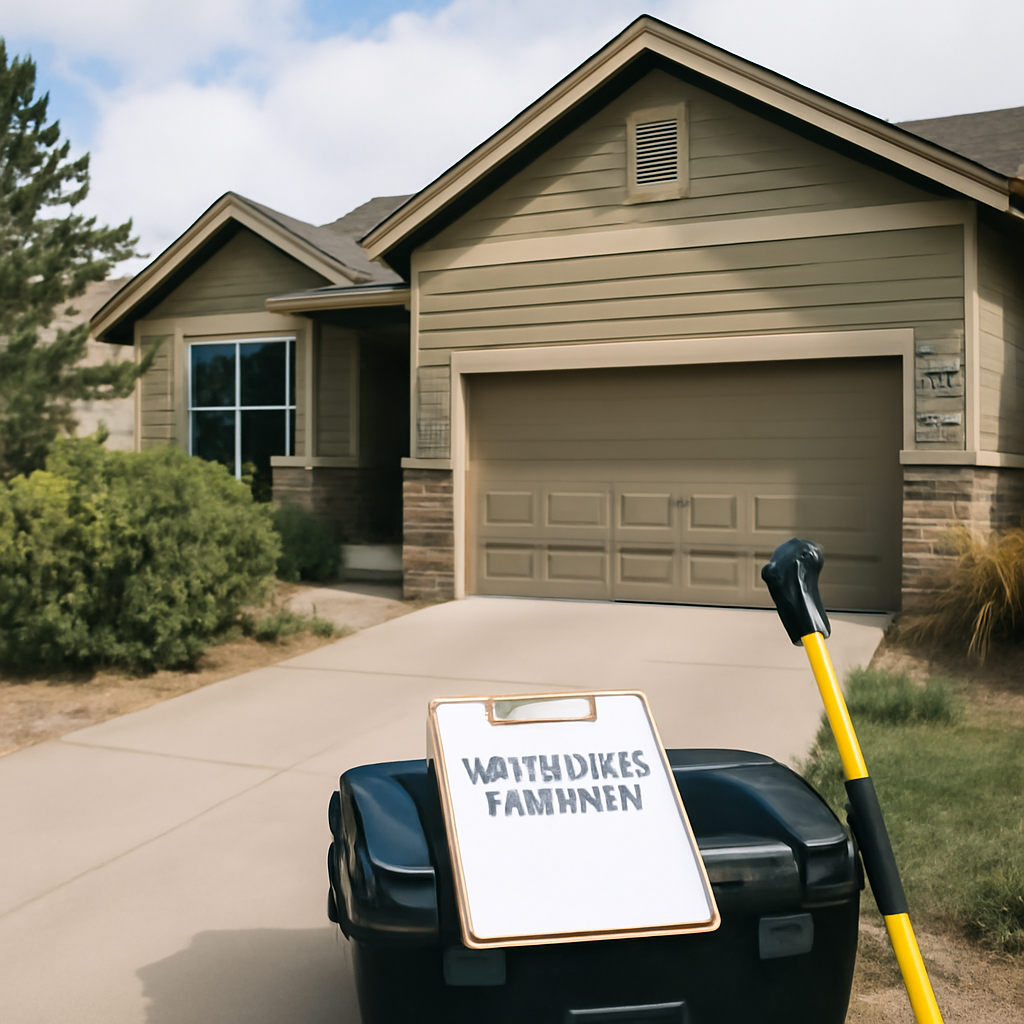
A pre-purchase inspection is the assessment a buyer orders during the contract contingency, after an offer is accepted but before closing, to learn the true condition of a home while there is still room to negotiate or walk away. In Castle Pines, where buyers are typically committing to large, relatively new custom homes on forested Douglas County ridge lots, that independent check carries real weight. A pre-purchase inspection castle pines buyers commission turns a high-stakes decision into an informed one. This page explains what the inspection covers, how the timing works within a Colorado contract, and what to expect on cost.
Pre-purchase inspection in Castle Pines: what to know
A pre-purchase inspection is functionally a full home inspection performed within the window of an active purchase contract. The distinction is timing and purpose: the report feeds directly into the inspection objection deadline, where a buyer can request repairs, negotiate a price reduction or credit, or terminate the contract based on what the inspection reveals.
Colorado real-estate contracts include an inspection objection and resolution deadline, and the pre-purchase inspection has to land in time for the buyer to act before that date. Because Castle Pines homes are large and complex, scheduling the inspection early in the contingency period leaves room for any specialist follow-ups. For the broader vetting framework, our guide to hiring a home inspector covers how to choose the right professional for a transaction.
Buyers of newer Castle Pines homes sometimes question whether a pre-purchase inspection is necessary on a house only 15 or 20 years old. It is. A single previous owner’s deferred maintenance, drainage issues on a sloped lot, original systems now reaching the end of their service life, and construction defects that never surfaced are all things the inspection can catch while the buyer still has leverage. After closing, those become the new owner’s problem and expense.
Why Castle Pines buyers need a pre-purchase inspection
The local risk profile rewards a careful pre-purchase look. Castle Pines homes built into the ridge frequently have walkout basements, and on a sloped, forested lot the grading and drainage that protect those lower levels are easy to get wrong. A pre-purchase inspection that flags poor grading or a downspout dumping against a finished basement gives the buyer a concrete item to negotiate before taking ownership.
The wooded setting adds roof and exterior stakes. Heavy ponderosa-pine shade keeps roof sections damp and snow-laden longer, debris collects in gutters and valleys, and the wildfire and defensible-space discussion is part of buying on a forested ridge. A pre-purchase inspection documents roof condition, drainage, and vegetation contact so the buyer understands the maintenance commitment a wooded lot entails.
System age is the quieter risk. At 6,400 feet, Castle Pines homes work their heating systems hard, and the city’s earliest homes now have original furnaces, water heaters, and roofing approaching replacement. A pre-purchase inspection that identifies a 20-year-old furnace or a roof near the end of its life lets the buyer budget or negotiate rather than face a surprise expense months after closing. Given the county’s radon profile, many buyers pair the inspection with a full Castle Pines home inspection scope plus radon testing to cover both structure and soil-gas risk in one contingency.
What a Castle Pines pre-purchase inspection covers
The pre-purchase inspection covers the same systems as any full home inspection, delivered on a transaction timeline with the report written to support negotiation. The inspector examines the readily accessible components and produces a detailed, photo-documented report.
The core systems review
Roof, structure, foundation, electrical, plumbing, water heater, and HVAC all get evaluated, with finished walkout basements checked for moisture staining and proper egress. On a Castle Pines lot, grading and drainage receive particular scrutiny because they determine the long-term health of below-grade living space.
Specialist follow-ups within the contingency
If the inspection flags something beyond a generalist’s scope, a structural concern, a possible sewer-line issue, or elevated moisture, the buyer can order a specialist evaluation before the objection deadline. Building radon testing into the pre-purchase process is standard here given Douglas County’s Zone 1 status, and buyers focused on hidden moisture or energy loss sometimes add a thermal imaging inspection in Castle Pines to the package.
Pre-purchase inspection cost in Castle Pines
A pre-purchase inspection in the Castle Pines market typically runs about $400 to $700, scaling with the size and complexity of the home, so larger custom houses with walkout basements and extensive features sit at the upper end. The transaction context does not change the base price; it changes the timing and the use of the report.
Add-on services common in Castle Pines, radon testing, sewer scoping, and thermal imaging, increase the total, and many buyers bundle radon as a matter of course in this Zone 1 county. The combined package still represents a small fraction of the purchase price.
The return on that spend is concentrated in the negotiation it enables. A pre-purchase inspection that uncovers a failing furnace, a drainage defect, or a roof near replacement can support a repair request or credit worth many times the inspection fee, or justify walking away from a home with problems the buyer would rather avoid. On a high-value Castle Pines purchase, the few hundred dollars an inspection costs is the cheapest leverage a buyer will have in the entire transaction, which is why skipping it to make an offer more attractive is rarely worth the risk.
Colorado regulations and disclosure
Colorado does not license home inspectors, so buyers should confirm certification through a national body such as InterNACHI or ASHI and verify the inspector follows a published standards of practice. The Colorado contract’s inspection objection and resolution deadlines define when the pre-purchase inspection must be completed and acted upon, making prompt scheduling important.
The Seller’s Property Disclosure requires sellers to report known material defects, but a buyer should never rely on it in place of an independent inspection, since sellers may genuinely be unaware of hidden issues in a large home. In a Castle Pines transaction, the pre-purchase inspection report is the buyer’s primary tool for the objection period, and a thorough, well-documented report carries far more weight in negotiation than a cursory one.
Confused by your home inspection report? Decode it free in plain English
Upload your inspector's PDF and get a plain-English summary, what actually matters, rough repair costs, and negotiation talking points. Educational only — not a professional re-inspection. Your file is analyzed and discarded, never stored.
Educational summary only. AI can be wrong and cost figures are rough estimates. This is not a professional re-inspection, appraisal, or legal/financial advice — confirm major items with your inspector or a licensed contractor.
What drives pre-purchase inspection cost in Castle Pines
The cost of a pre-purchase inspection in Castle Pines is governed by the same factors as any full inspection, with the size and complexity of the home doing most of the work. The city’s large custom houses, frequently with a finished walkout basement and multiple finished levels, take longer to inspect thoroughly than a modest single-story home, so a sizable property sits at the upper end of the typical range. A buyer should treat a suspiciously cheap quote on a big house with caution, since a rushed walkthrough defeats the purpose of an inspection meant to protect a major purchase.
Architectural complexity adds time and therefore cost. Vaulted great rooms, bonus rooms over garages, elaborate rooflines, and steep forested lots with extensive grading and long downspout runs all create more to evaluate than a flat suburban parcel. The age of the home plays a part too: documenting the condition of first-generation systems in the city’s earliest houses, a 20-year-old furnace, water heater, or roof nearing replacement, takes more careful assessment than clearing a brand-new build.
Add-on services are the larger variable in a transaction. Radon testing, which buyers routinely bundle given Douglas County’s Zone 1 status, sewer scoping on an older home, and a thermal imaging scan each raise the total beyond the base inspection fee. The transaction context does not change those base prices; it changes how the report is used. On a Castle Pines purchase that often runs well into seven figures, the few hundred dollars an inspection and its add-ons cost is the cheapest leverage a buyer will have in the entire deal, which is why bundling the relevant services is usually the wiser choice than trimming the scope to save a small sum.
A Castle Pines pre-purchase inspection scenario
Consider a buyer under contract on a walkout-basement home in Hidden Pointe, one of the city’s steepest forested neighborhoods. The buyer schedules the pre-purchase inspection early in the contingency, bundling a radon test given the Zone 1 county and a thermal scan to check the finished lower level. The inspection surfaces three findings that matter: grading on the uphill side channels snowmelt toward the foundation, the original furnace is twenty years old and near the end of its service life, and the radon monitor returns a reading above 4 pCi/L.
None of these is necessarily a deal-breaker, but together they give the buyer concrete, documented items to act on before the objection deadline. The buyer can request that the seller correct the grading, provide a credit toward furnace replacement, and install a radon mitigation system before closing, or negotiate a price reduction covering all three. Had the buyer skipped the inspection to make the offer more attractive, each of these would have become an out-of-pocket surprise after the keys changed hands, the furnace and mitigation alone running thousands. This is the core value of the pre-purchase inspection in Castle Pines: on a high-value home with forested-lot drainage, aging systems, and near-certain radon, the report converts hidden risk into negotiating leverage while the buyer still has the contractual room to use it. The same pattern recurs across the city, whether the home is a Village at Castle Pines estate or a Castle Pines North original, which is why experienced buyers here treat the inspection as standard rather than optional. The lesson holds even on the newest Lagae Ranch construction, where a buyer might assume a recent build needs no scrutiny: an inspection there frequently surfaces builder-grade component shortcuts, incomplete attic insulation, and grading that has not yet settled, each of which becomes a documented negotiating item before the objection deadline rather than a post-closing surprise.
Neighborhoods and areas served
Pre-purchase inspection serves buyers across Castle Pines, from The Village at Castle Pines and Castle Pines North to Hidden Pointe and Lagae Ranch. The shared profile, large custom homes on forested, sloped lots, makes drainage, roofing, and system-age review consistent priorities across the city’s neighborhoods.
Service typically extends to adjacent Castle Rock, Lone Tree, Highlands Ranch, and Sedalia within Douglas County. Buyers weighing nearby options can also review our pre-purchase inspection guide for Lone Tree, a neighboring community with a comparable newer-suburban housing stock.
How to choose a Castle Pines pre-purchase inspection provider
Choose a certified inspector who can work within your contract timeline, produces a detailed report quickly enough to meet the objection deadline, and explains findings clearly. Ask whether they offer the add-ons your purchase warrants, radon testing in particular, and confirm they carry appropriate insurance and follow a recognized standards of practice.
For a large Castle Pines home, prioritize an inspector who budgets enough time and who has experience with forested-lot drainage and high-elevation systems. A provider who turns the report around promptly, walks you through it, and helps you understand which findings are negotiation-worthy versus routine is exactly what a buyer needs during a time-pressured contingency. That responsiveness is as important as technical skill when the inspection has to fit a contract deadline.
References
- Residential standards of practice — International Association of Certified Home Inspectors
- Inspection standards and ethics — American Society of Home Inspectors
- Radon in real-estate transactions — U.S. Environmental Protection Agency
If you are under contract in Castle Pines and need an independent inspection before your objection deadline, prompt scheduling preserves your leverage. To connect with a vetted Front Range inspector, reach out through our contact page.