Home Inspection in Castle Pines, Colorado
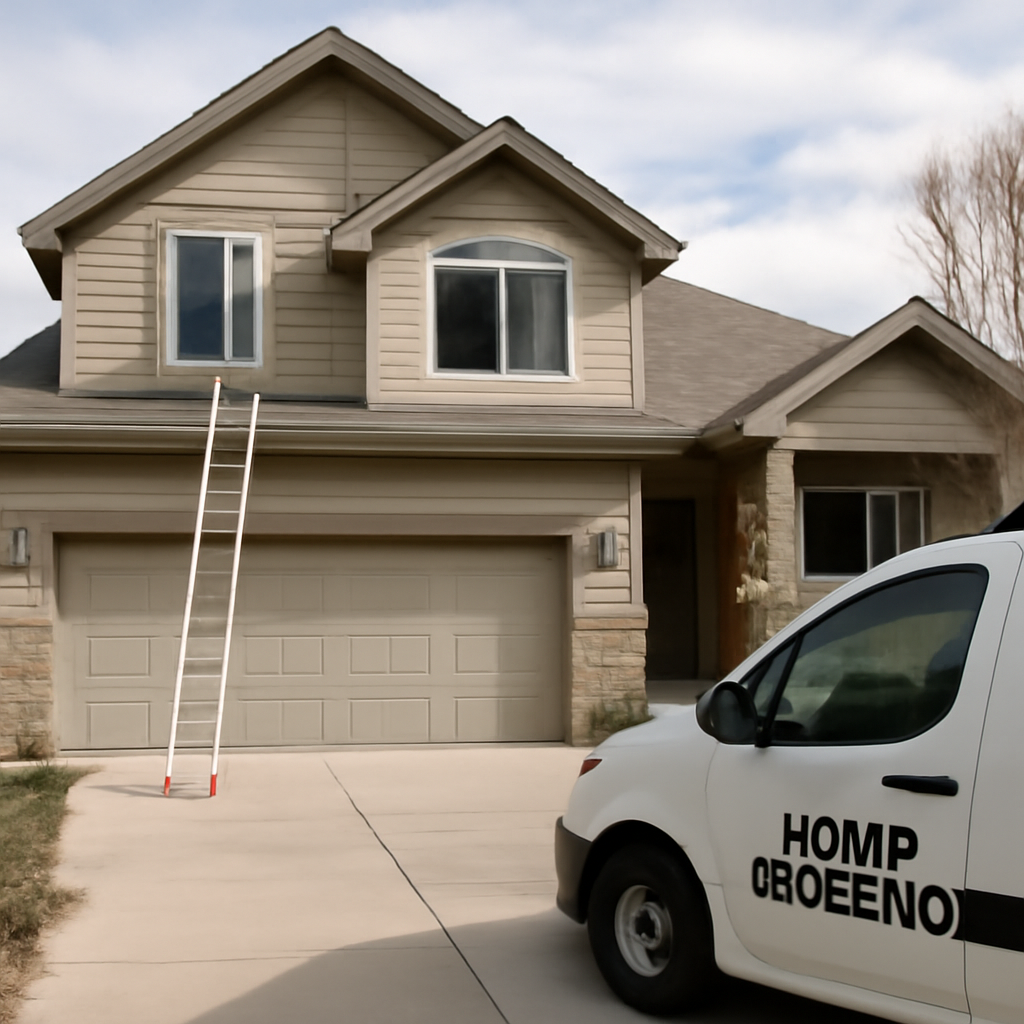
Buying a home in Castle Pines usually means buying a large, relatively new custom house on a forested Douglas County ridge, and that profile shapes what a thorough inspection should examine. The city, incorporated in 2008 and built mostly from the 1990s onward, has its own set of priorities: extensive walkout basements, complex rooflines under heavy pine shade, and high-elevation building systems that face long, cold winters. A home inspection castle pines buyers commission gives an independent, top-to-bottom assessment before closing on what is typically a significant purchase. This page explains the scope, the local issues, and what to expect on cost.
Home inspection in Castle Pines: what to know
A home inspection is a non-invasive, visual evaluation of a property’s major systems and components, from the roof and structure to the electrical, plumbing, heating, and cooling. The inspector documents defects, safety concerns, and maintenance items in a written report that a buyer uses to make decisions during the contract’s inspection contingency.
In Castle Pines, the inspection has to match the homes. These are often sizable custom builds with multiple finished levels, walkout basements, and elaborate exterior features, so a competent inspector budgets the time to cover the whole property rather than rushing a large house. The credentialing context matters too: Colorado does not license home inspectors, so buyers should verify an inspector’s certification and standards of practice. For the full framework on selecting one, our buyer’s guide to hiring a home inspector walks through what to look for.
Because Castle Pines homes are newer, buyers sometimes assume an inspection is a formality. It is not. Newer custom homes can carry construction defects, deferred maintenance from a single previous owner, drainage problems on sloped lots, and aging first-generation systems that are now 20 or more years old. The inspection is where those issues surface before they become the buyer’s expense.
Why Castle Pines homes need a thorough inspection
The forested, sloped setting drives several local priorities. Homes built into the ridge often have walkout basements where grading and drainage determine whether water moves away from or toward the foundation. An inspector checks lot grading, downspout discharge, and window-well drainage closely here, because a sloped Castle Pines lot that channels snowmelt against a finished lower level invites moisture and structural concern.
The pine canopy adds roof and exterior considerations. Heavy tree cover drops needles and debris into gutters and valleys, shades roof sections so they dry slowly and shed snow unevenly, and raises the wildfire and defensible-space discussion that comes with living in a ponderosa forest. A good inspection notes roof condition, gutter function, and vegetation contact with the structure, all of which carry extra weight on a wooded ridge lot.
Elevation and age shape the systems review. At roughly 6,400 feet, Castle Pines homes endure long heating seasons that stress furnaces, water heaters, and roofing, and the oldest homes in the city are now decades into their service life with original systems nearing replacement. An inspector evaluates HVAC age and condition, looks for evidence of ice-damming on north-facing eaves, and flags first-generation components that a buyer should budget to replace. Pairing the inspection with radon and moisture review is wise given the local profile, which is why many buyers schedule a radon test in Castle Pines alongside the structural inspection.
What a Castle Pines home inspection covers
A standard inspection follows a recognized standards of practice and examines the readily accessible systems and components of the home. The inspector produces a report with photos, descriptions of defects, and recommendations for repair or further evaluation.
Exterior, roof, and drainage
The inspector evaluates the roof covering, flashing, gutters, and drainage, the siding and trim, decks and railings, and the all-important lot grading. On a Castle Pines ridge lot, this section gets extra attention because slope and tree cover combine to make water management the most consequential exterior issue.
Structure, systems, and interior
Inside, the inspection covers the foundation and visible structure, electrical panel and wiring, plumbing supply and drainage, water heater, and the heating and cooling equipment. Finished walkout basements get a careful look for moisture staining and proper egress. The inspector also checks attic insulation and ventilation, which matter at elevation for both energy performance and ice-dam prevention. Buyers often combine this with a focused pre-purchase inspection in Castle Pines when a transaction timeline is involved.
Home inspection cost in Castle Pines
A standard home inspection in the Castle Pines market typically runs about $400 to $700, with larger custom homes commanding the upper end because square footage and complexity drive the time required. A sizable walkout-basement home with multiple levels and extensive exterior features naturally costs more to inspect than a modest single-story house.
Add-on services raise the total. Radon testing, sewer scoping, and specialized moisture or thermal evaluation each add to the base fee, and many Castle Pines buyers bundle radon given the county’s Zone 1 status. Pricing varies with home size, age, and the scope of optional services requested.
Against a purchase that often runs well into seven figures in this market, an inspection is inexpensive insurance. Identifying a failing first-generation furnace, a drainage problem threatening a finished basement, or a roof nearing replacement before closing lets a buyer negotiate repairs or credits, or walk away, while it is still possible. The few hundred dollars an inspection costs is trivial against the cost of discovering those issues after the keys change hands, which is why even buyers of newer Castle Pines homes treat a full inspection as standard.
Colorado regulations and disclosure
Colorado does not license home inspectors, so the responsibility falls on buyers to confirm credentials. Reputable inspectors hold certification through national organizations such as InterNACHI or ASHI and follow a published standards of practice. Colorado’s Seller’s Property Disclosure requires sellers to report known material defects, but that disclosure is no substitute for an independent inspection, since sellers may not know about hidden issues.
In a Castle Pines transaction, the inspection report drives the contingency period. A buyer uses it to request repairs, negotiate credits, or, if findings are serious, exit the contract. Because the homes are large and the stakes high, allowing adequate inspection time and choosing a certified, thorough inspector protects the buyer’s interests far better than a quick, low-cost walkthrough.
What drives home inspection cost in Castle Pines
The fee for a Castle Pines home inspection tracks the size and complexity of the home more than anything else, which puts this market toward the upper end of regional pricing. Square footage is the foundation of the quote: a thorough inspector budgets time proportional to the area covered, and the city’s large custom homes, often with a finished walkout basement, a main level, and an upper level, simply take longer to inspect properly than a modest single-story house. A buyer should be wary of a quote that seems too low for a big house, since it usually signals a rushed walkthrough rather than a careful one.
Architectural complexity adds to the time as well. Vaulted great rooms, bonus rooms over garages, intricate multi-plane rooflines, and extensive decks all create more components to evaluate, and a steep forested lot with elaborate grading and long downspout runs demands more attention to drainage than a flat suburban parcel. Age plays a quieter role: the city’s earliest homes now carry first-generation systems nearing replacement, and documenting the condition of a 20-year-old furnace, water heater, and roof takes more careful assessment than clearing a brand-new build.
Add-on services are the other major variable. Radon testing, which many buyers include as a matter of course given Douglas County’s Zone 1 status, sewer scoping on an older home, and thermal imaging each raise the total beyond the base inspection fee. A buyer assembling a full package, structural inspection plus radon plus a sewer scope, pays more than one ordering the base service alone, but on a high-value Castle Pines purchase the combined cost still represents a small fraction of the price and the cheapest leverage available before closing.
Castle Pines home inspection by neighborhood
Each Castle Pines neighborhood steers the inspection toward slightly different priorities. In The Village at Castle Pines, the gated estates around the golf course are the largest and most feature-rich homes, so the inspection covers extensive rooflines, multiple HVAC zones, elaborate finished walkout levels, and irrigation systems pressed close to the foundation; the time required reflects that scale. Castle Pines North, the older and more densely platted side of the city, holds the earliest homes, where the inspector weighs aging roofing, original windows, and first-generation mechanical systems more heavily than in newer construction.
Hidden Pointe sits on some of the steepest forested terrain, so grading, hillside runoff, and walkout-basement drainage dominate the exterior review, and north-facing roof sections under dense pine shade get extra scrutiny for slow drying and uneven snow shedding that can drive ice-damming. Lagae Ranch and the newest development on the city’s edge bring the tightest, most energy-efficient envelopes, where the inspector watches for construction defects, builder-grade component shortcuts, and ventilation details rather than age-related wear. Knowing which neighborhood pattern a home fits lets the inspector concentrate on the issues most likely to surface there, which is why local experience with Castle Pines’s forested-lot housing matters more than a generic checklist when a buyer’s money is on the line. An inspector who has worked the ridge knows, for instance, that a Hidden Pointe walkout demands a longer look at hillside grading, that a Castle Pines North original is the home most likely to need a roof or furnace budgeted soon, and that a Lagae Ranch new build is where builder-grade shortcuts and ventilation gaps hide. That pattern recognition turns a general inspection into a targeted one and is exactly the experience a buyer pays for on a high-value purchase.
Neighborhoods and areas served
Home inspection serves buyers across Castle Pines, from the estates of The Village at Castle Pines to the family neighborhoods of Castle Pines North, Hidden Pointe, and the newer Lagae Ranch area. The shared profile, large custom homes on forested, sloped lots, means drainage, roofing, and aging-systems review are consistent priorities citywide.
Service typically extends to adjacent Castle Rock, Lone Tree, Highlands Ranch, and Sedalia within Douglas County. Buyers comparing options across nearby communities can also review our home inspection guide for Lone Tree, a neighboring city with a similar newer-suburban housing profile.
How to choose a Castle Pines home inspection provider
Choose an inspector who is certified through a recognized national body, follows a published standards of practice, and carries errors-and-omissions and general-liability insurance. Ask to see a sample report; a thorough Castle Pines inspector produces a detailed, photo-rich document rather than a checklist, and budgets enough time to cover a large custom home properly.
Confirm the inspector is experienced with forested-lot drainage and high-elevation building systems, since those are the local issues most likely to bite a buyer. A good provider explains findings in plain language, distinguishes safety concerns from routine maintenance, and offers add-ons like radon testing without pressure. The inspector who walks you through the report and answers questions afterward is worth more than the one who simply emails a file, especially on a purchase of this size.
References
- Residential standards of practice — International Association of Certified Home Inspectors
- Home inspection standards and ethics — American Society of Home Inspectors
- Radon and home transactions — U.S. Environmental Protection Agency
If you are buying in Castle Pines and want an independent read on a large custom home before your inspection deadline, a thorough inspection protects the purchase. To connect with a vetted Front Range inspector, reach out through our contact page.