Texas Home Inspection Requirements: 2026 Summary
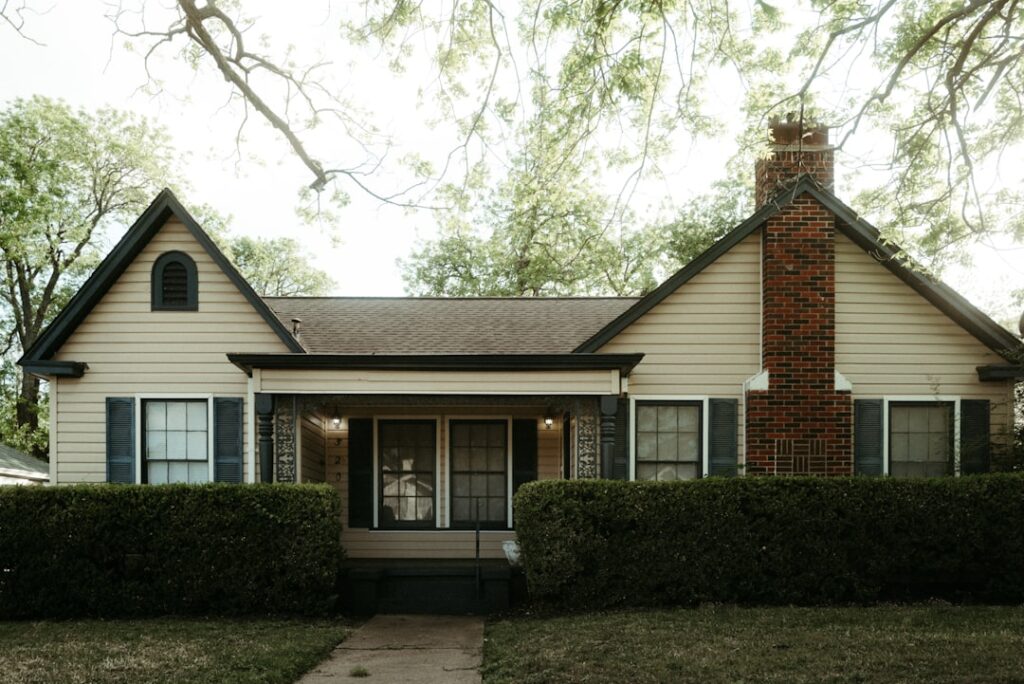
Texas home inspection requirements rank among the strictest in the United States. Anyone performing a residential inspection for compensation in Texas must hold a current license issued by the Texas Real Estate Commission (TREC) and must move through a structured apprenticeship before earning independent authority. This guide condenses the full requirement set into a usable summary: 154 hours of approved classroom education, 90 hours of supervised field experience, a two-part licensing exam, an application fee around $325, and 32 hours of biennial continuing education. Citations referenced are current as of 2026 and draw from HUD, InterNACHI, and ASHI guidance.
Part of our Home Inspections Explained guide — start there for the full picture →
What are the Texas home inspection requirements?
The Texas home inspection requirements have five core components. First, classroom education from a TREC-approved provider totaling 154 hours. Second, supervised field experience under a sponsoring Professional Inspector totaling roughly 90 hours of inspections logged by property and date. Third, a two-part licensing examination covering a national general-knowledge portion and a Texas-specific state portion. Fourth, an application fee that runs about $325 for the top Professional Inspector class. Fifth, biennial license renewal with 32 hours of continuing education.
Each component must be documented and submitted through the TREC online portal. A candidate cannot skip steps or substitute one component for another. The combination is what produces a licensed Professional Inspector authorized to inspect Texas homes independently.
The 154-hour education requirement
TREC-approved education must cover the Standards of Practice, Texas-specific legal and ethics modules, and core technical content across structural systems, roofing, plumbing, HVAC, electrical, exterior, and report writing. Courses come from approved providers operating in classroom, online, or hybrid formats. Each completed module produces a certificate that the candidate retains for the application package.
The 154-hour total is fixed by TREC and is not negotiable. Education hours can be accumulated over months or years, but they must all be on file before a candidate sits for the Professional Inspector exam. Candidates often pace coursework alongside paid work and the apprentice or real-estate phase of their progression. The International Code Council training catalog contains overlapping building-science content useful as a study supplement, though ICC courses alone do not satisfy TREC’s specific curriculum.
The 90-hour field-experience requirement
Field experience is the clinical-rotation analog of medical training. A candidate accumulates 90 hours of supervised inspection time under a Professional Inspector sponsor, with each inspection logged by property type, date, and scope. The sponsor signs off on the log, attesting that the candidate participated in the inspection in a meaningful capacity. Apprentice and Real Estate Inspector classes exist to make this supervised work possible.
The 90-hour minimum is not a ceiling. Many candidates accumulate well above the minimum before sitting for the top exam, because hands-on practice with a wider range of homes (slab vs. crawlspace, urban vs. rural, single-family vs. multifamily) better prepares a candidate for the variability of real inspections. ASHI’s inspector resources and the InterNACHI online learning catalog include sample field-log templates that some candidates use as supplements to TREC requirements.
The two-part licensing exam
Candidates for Professional Inspector must pass a two-part examination. The national portion covers general home-inspection knowledge shared across most state programs: roof systems, structural systems, plumbing and electrical fundamentals, HVAC, and basic report-writing logic. The state portion focuses on Texas Standards of Practice, statutory and ethical obligations under Texas Occupations Code Chapter 1102, and TREC-approved report formats.
Each portion is scored independently. A candidate who passes one section but fails the other only needs to retake the failed section. Candidates may retake the exam after a short waiting period set by the testing vendor. First-time pass rates are highest for candidates who complete the full 154-hour curriculum and use practice exams from approved providers.
Fees and application timing
The Professional Inspector application fee is approximately $325 in 2026. The Apprentice Inspector and Real Estate Inspector classes have smaller fees, typically under $200. Exam-vendor fees are billed separately at the test center, generally $60-$100 per attempt. Background-check fees add a small additional cost at application. Inspectors carrying errors-and-omissions insurance pay an annual premium on top of the licensing fees, though E&O is not always required by TREC.
Application timing depends on documentation completeness. A complete application with all education certificates, sponsor verifications, and field logs in order typically moves through TREC review within several weeks. Incomplete applications can stall for months. Candidates should treat the application as a final deliverable and review it line by line before submission.
Continuing education and biennial renewal
TREC licenses renew every two years. Each Professional Inspector must complete 32 hours of TREC-approved continuing education in the cycle. The CE total includes required modules on Standards of Practice and ethics, with the remainder available across elective topics. Inspectors choose electives that match the homes they inspect most often: foundations and slabs for inspectors working Dallas-Fort Worth or Houston, energy-code updates for inspectors working new construction, or pier-and-beam systems for older East Texas housing.
Failure to complete CE on time triggers an inactive status. Continued non-compliance results in license expiration, at which point the inspector cannot accept paid work until reinstatement procedures are completed. HUD’s own training expectations for FHA-related inspectors at the HUD information portal follow similar continuing-education logic.
How Texas requirements compare nationally
Roughly 30 U.S. states license home inspectors. Texas sits at the strict end. Florida, North Carolina, and Illinois have substantial requirements but generally lower than Texas’s 154-hour education floor. Colorado has no state license at all, leaving inspector quality to voluntary credentials like ASHI ACI or InterNACHI CPI. The TREC framework is widely treated as a benchmark by industry observers.
For buyers, this difference matters. A Texas-licensed inspector has cleared a higher uniform bar than an inspector in many other states. For candidates, the difference means Texas demands more upfront investment, but a TREC license carries credibility well beyond the state border. Candidates considering the path should also review the dedicated TREC license-class guide and the broader Texas home inspector requirements overview.
Common gaps that delay licensure
Three issues delay most TREC applications. The first is incomplete education documentation. Candidates who lose course certificates or pull together hours from too many providers can struggle to produce a clean transcript at application time. Storing all certificates in a single cloud folder organized by date solves this.
The second is incomplete field logs. Candidates working under sponsors who do not consistently sign logs end up with insufficient documented experience when they reach the exam stage. Building a weekly habit of logging immediately after each inspection prevents this.
The third is background-check surprises. Applicants with prior convictions should disclose them at application rather than have TREC discover them during review. Disclosure does not automatically disqualify a candidate, but late disclosure can.
Verifying a Texas inspector’s license
Texas buyers can verify any inspector’s license status through the TREC public license-lookup tool. The lookup returns the inspector’s name, license class, expiration date, and disciplinary history. A buyer should always confirm an active Professional Inspector license before signing an inspection agreement, unless they have explicitly agreed to work with a Real Estate Inspector operating under sponsor supervision.
Beyond the state license, buyers may also look for ASHI ACI or InterNACHI CPI credentials as supplementary verification. These voluntary credentials add a second layer of accountability but do not substitute for the state license. Buyers comparing inspectors can use our hiring-a-home-inspector hub as a buyer-side companion to these requirements.
Cost picture for new inspectors
The total out-of-pocket cost for a new Texas inspector typically runs $2,500-$5,000 before earning revenue. The breakdown: 154 hours of education ($1,200-$3,000 depending on provider format), exam fees ($60-$100 per attempt), application fee (~$325), background check ($40-$60), and any errors-and-omissions insurance the inspector elects to carry. Marketing, vehicle, and tool costs come on top of licensing.
The investment generally pays back within the first six to twelve months of independent practice, given typical Texas inspection fees in the $400-$600 range. Candidates planning the financial side should treat the licensing cost as a one-time business setup rather than an ongoing expense, since the bulk of it does not repeat at renewal.
References
- HUD housing-inspector training resources — U.S. Department of Housing and Urban Development
- InterNACHI state-licensing reference — International Association of Certified Home Inspectors
- ASHI Standards of Practice — American Society of Home Inspectors
- ICC building-science training catalog — International Code Council
Frequently asked questions
What are the minimum Texas home inspection requirements?
A candidate must complete 154 hours of TREC-approved education, accumulate roughly 90 hours of supervised field experience under a sponsoring Professional Inspector, pass a two-part licensing exam, pay the application fee, and renew the license every two years with 32 hours of continuing education.
How long does it take to earn a TREC Professional Inspector license?
Most candidates complete the full sequence within six months to two years. The pace depends on how quickly the candidate accumulates 154 education hours and the supervised field-experience minimum under a sponsor.
Does Texas accept inspector licenses from other states?
Texas does not offer broad reciprocity. Out-of-state inspectors must complete Texas-specific coursework and sit for the state portion of the exam. Some national-portion credit may apply if the inspector already holds a comparable license.
How much continuing education does TREC require?
Texas-licensed home inspectors must complete 32 hours of TREC-approved continuing education every two years. The CE total includes required modules on Standards of Practice and ethics, with the remainder available across elective technical topics.