Radon Mitigation in Palmer Lake, Colorado
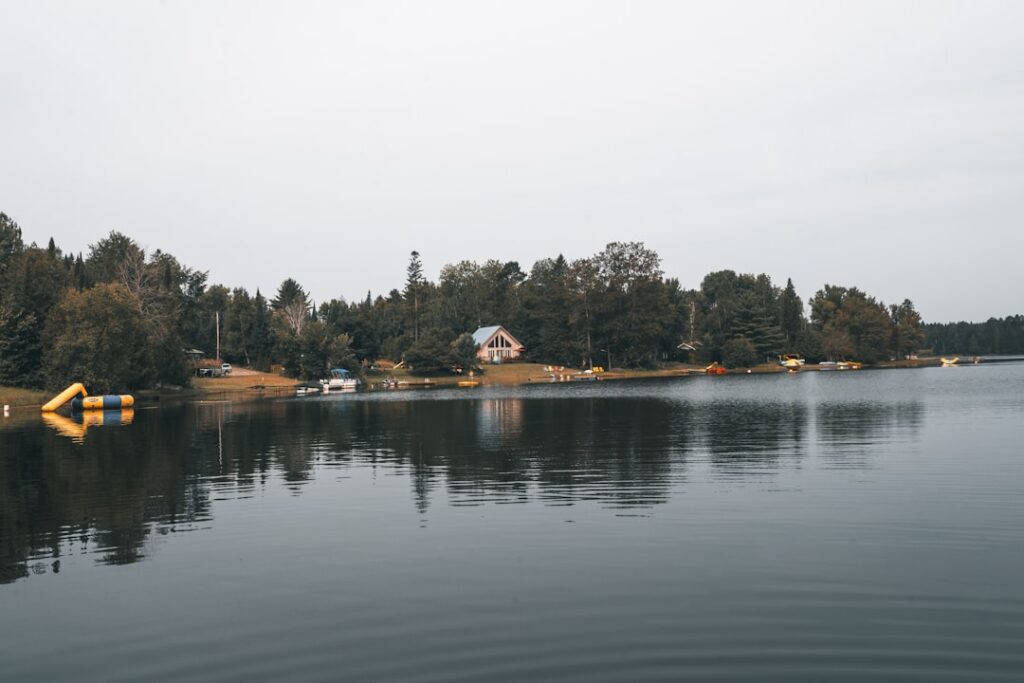
When a radon test in Palmer Lake comes back at or above the EPA’s 4 pCi/L action level, mitigation is the next step. Palmer Lake sits in EPA Radon Zone 1, the highest-risk category, and its granite geology near 7,200 feet at the top of the Monument Divide in El Paso County drives elevated soil-gas readings, while its long sealed winters let radon accumulate indoors. Radon is a colorless, odorless radioactive gas and the second-leading cause of lung cancer after smoking, so reducing it is a genuine health measure. This page explains how radon mitigation palmer lake homeowners install actually works, what a system includes, and what it costs. This summary reflects EPA and CDPHE guidance current as of 2026; consult a certified professional for mitigation decisions.
Part of our Radon Mitigation Systems guide — start there for the full picture →
Radon mitigation in Palmer Lake: what to know
Radon mitigation is the set of engineering steps that lower indoor radon, most often well below 4 pCi/L. The dominant method for Front Range and foothills homes is active sub-slab depressurization, which uses a fan and a sealed vent pipe to draw soil gas from beneath the foundation and exhaust it above the roofline before it enters living space. Done correctly, a system routinely cuts radon by 90 percent or more.
Mitigation follows testing, not the other way around. A home is mitigated because a measured result justified it, and a post-installation test confirms the system worked. For the science behind the readings that trigger a system, our radon guide for Front Range homeowners explains the thresholds, and Palmer Lake owners can see how mitigation fits the regional picture in radon mitigation across El Paso County.
Palmer Lake homes present mountain-specific design considerations. Newer multi-level builds, walkout lower levels, and older homes with crawl spaces each route pipe differently, and the long cold winters make a quiet, efficient system worth getting right since it runs all heating season. A competent contractor designs around the specific foundation rather than installing a template.
Why Palmer Lake homes need radon mitigation
Geology and climate together make mitigation important here. The granite beneath the Monument Divide releases radon readily, and Palmer Lake’s Zone 1 status means elevated readings are common. When a lower-level test exceeds 4 pCi/L, the gas is entering through slab cracks, control joints, sump pits, and foundation penetrations, and mitigation is the engineered way to intercept it before it reaches living space.
The long heating season makes untreated radon worse. At 7,200 feet, homes stay sealed for months while furnaces and wood stoves create slight negative pressure that pulls more soil gas indoors, so the highest concentrations occur in the lowest occupied rooms during exactly the season families spend the most time inside. A finished basement bedroom, home office, or walkout living area is the worst case: maximum soil contact plus maximum winter occupancy.
Construction variety shapes the solution. Newer tightly built mountain homes trap radon effectively once it enters, so a system that intercepts soil gas at the source is the reliable fix. Older homes with crawl spaces may need a sub-membrane approach over the crawl-space floor rather than a slab penetration. In every case, mitigation turns the home’s entry points, including any open sump, into a controlled, vented system rather than uncontrolled pathways for the gas.
What a Palmer Lake radon mitigation system covers
A standard active sub-slab system is simple in concept and precise in execution. The contractor’s task is to capture soil gas at the source and move it safely outside.
Sub-slab depressurization
The installer cores a hole through the basement slab and removes some sub-slab material to create a suction pit, then seals a PVC vent pipe into the slab. An inline fan, usually mounted in an attic, garage, or on an exterior wall, draws air continuously from beneath the foundation and exhausts it above the roofline where it disperses. Visible slab cracks, control joints, and the sump are sealed so the fan pulls from the soil rather than from conditioned indoor air.
System monitoring and verification
A manometer, a simple U-tube gauge on the vent pipe, shows at a glance that the fan is moving air. After installation, a follow-up radon test confirms the system brought levels below 4 pCi/L, ideally as low as reasonably achievable. A reputable contractor includes or recommends this post-mitigation test rather than assuming success.
Design for Palmer Lake foundations
Homes with crawl spaces may need a sealed sub-membrane system, while multi-level and walkout homes may require multiple suction points or careful pipe routing to reach above the roofline. The cold climate makes pipe placement matter, since an interior routing through heated space avoids condensation and keeps the fan effective through long winters. Matching the system to the actual foundation keeps it both effective and quiet. For homeowners weighing whether they need mitigation at all, the testing logic in our radon testing in Palmer Lake guide explains when a result truly calls for a system.
Radon mitigation cost in Palmer Lake
A typical active sub-slab radon mitigation system in the Palmer Lake and El Paso County market runs about $1,200 to $2,500 installed, with most standard basements landing in the middle of that range. Simpler layouts with easy pipe routing sit lower; homes needing multiple suction points, crawl-space membranes, or long runs to reach the roofline cost more.
Palmer Lake factors move the number. A mountain home with a crawl space or a walkout lower level usually costs more than a clean modern slab because the design is more involved. A home where the vent must be routed carefully through heated space or up an exterior wall to clear a tall roofline can add pipe and labor. A straightforward basement with an accessible slab sits at the lower end.
Set the cost against the benefit. A roughly $1,500 to $2,000 system that takes a 7 or 8 pCi/L lower level down under 2 pCi/L removes a lifetime lung-cancer risk for everyone who uses that space, and the fan runs on a modest amount of electricity even through a long mountain winter. For a home being sold, a documented, professionally installed system is also a selling point that reassures Zone 1 buyers rather than becoming a negotiation liability. Spread across the many years a system runs, the cost works out to a small annual figure for continuous protection, which compares favorably to almost any other home upgrade. For a Palmer Lake family settling into a mountain home for the long haul, that steady reduction in exposure through every extended winter is the real return on the investment.
Colorado regulations and disclosure
Colorado requires radon disclosure in residential real-estate transactions, and the Seller’s Property Disclosure asks sellers to report known radon results and any existing mitigation system. CDPHE runs the state radon program and references the 4 pCi/L action level. Colorado does not license mitigation contractors through a state inspector program, so look for nationally recognized radon-mitigation credentials and verify the installer follows AARST mitigation standards.
Disclosure makes a documented system an asset. A Palmer Lake seller who installed mitigation and kept the post-test results can show a buyer a clean number, which removes radon as a sticking point. A buyer offered a home with a high test and no system should factor the roughly $1,500 to $2,500 fix into the negotiation rather than walking away, since the problem is solvable and the system pays for itself in health terms over a long mountain residency.
Neighborhoods and areas served
Mitigation needs span Palmer Lake by foundation type as much as by location. Historic homes near the lake may have crawl spaces or older foundations needing custom designs, newer Glenway builds usually take a clean standard sub-slab system, and walkout mountain homes in the Red Rocks Ranch-adjacent areas may need multiple suction points. The Zone 1 designation covers all of it, so any home with an elevated test is a mitigation candidate.
Service typically reaches surrounding Tri-Lakes and Divide communities, including neighboring Monument, Woodmoor, Larkspur, and Castle Rock to the north. Homeowners in adjacent Monument and across the county can review the El Paso County radon mitigation overview for how systems are designed regionally. The right system always starts from the specific foundation in front of the contractor.
How to choose a Palmer Lake radon mitigation provider
Choose a contractor with nationally recognized radon-mitigation certification who follows AARST installation standards and includes a post-mitigation test to verify the result. A good installer inspects the foundation before quoting, explains where the suction point and vent will go, and commits in writing to bringing levels below 4 pCi/L. Ask about the warranty on the fan and the workmanship, and whether the system includes a monitor on the vent pipe.
Be wary of a quote that ignores your foundation type or skips the confirmation test, since a system that is never re-tested is one no one has proven works. For a Palmer Lake mountain home, ask specifically how the contractor will handle a crawl space, a walkout level, or pipe routing through a cold climate. A provider who designs around your actual house, guarantees the outcome, and verifies it with a follow-up test is the one worth hiring.
Living with a mitigation system at elevation
A radon system in a Palmer Lake home runs continuously and asks little of the owner, but the mountain climate adds a few considerations worth understanding. The fan draws a modest amount of electricity to keep soil gas venting above the roofline year-round, and it works hardest through the long heating season, exactly when the family spends the most time on the lower level. The manometer on the vent pipe is the simplest health check: as long as the liquid shows the pressure difference the installer marked, the fan is doing its job. A flat reading signals a failed fan or blocked pipe and should be serviced before radon creeps back in.
Cold-climate design choices show up in how a well-built Palmer Lake system behaves. An installer who routes the vent pipe through heated interior space rather than up a frigid exterior wall reduces the chance of condensation freezing inside the pipe, which can impede airflow in a hard mountain winter. Insulated pipe sections and careful placement of the fan also help the system run reliably when temperatures drop well below freezing for extended stretches. These details are part of why matching the system to the home and climate, rather than installing a generic template, matters at this elevation.
Ongoing peace of mind comes from a little monitoring and the occasional re-test. Pairing the system with a plug-in continuous radon monitor in the lowest living area gives the owner an ongoing number rather than relying on the manometer alone. Radon fans have a finite service life of many years, so planning for an eventual inexpensive fan replacement avoids surprise. After any significant change, finishing more of a walkout level, sealing the home tighter, or a foundation repair, a follow-up test confirms the system still holds levels below the action threshold under the new conditions. Treated as a long-term asset and checked occasionally, a Palmer Lake mitigation system keeps a mountain home’s radon controlled through every long winter for the life of the home.
References
- Consumer’s guide to radon reduction — U.S. Environmental Protection Agency
- Colorado radon program — Colorado Department of Public Health and Environment
- Radon and lung cancer — Centers for Disease Control and Prevention
Frequently asked questions
When does a Palmer Lake home need radon mitigation?
When a radon test reads at or above the EPA action level of 4 pCi/L. At that point EPA and CDPHE recommend installing a system, most often active sub-slab depressurization, to reduce the gas.
How does sub-slab depressurization work?
A fan and sealed vent pipe draw soil gas from beneath the foundation and exhaust it above the roofline before it enters living space. Slab cracks and the sump are sealed so the fan pulls from the soil, routinely cutting radon by 90 percent or more.
How much does radon mitigation cost in Palmer Lake?
A typical active sub-slab system runs about $1,200 to $2,500 installed. Crawl spaces, walkout levels, or long vent runs to clear a tall roofline push the cost toward the higher end.
Do crawl-space mountain homes need a different system?
Often yes. A home with a crawl space may need a sealed sub-membrane system over the crawl-space floor rather than a slab penetration. The contractor designs around the specific foundation type.
How do I know the system actually worked?
A post-mitigation radon test confirms levels dropped below 4 pCi/L, and a manometer on the vent pipe shows the fan is moving air. A reputable contractor includes or recommends the follow-up test.
If a Palmer Lake radon test came back at or above 4 pCi/L, a properly designed mitigation system can cut your exposure by 90 percent or more through every long winter. To connect with a vetted local contractor who verifies the result, get in touch through our contact page.
Test your home for radon
Radon is invisible and odorless, so a test is the only way to know your level. A short-term kit gives a first reading in days; a digital monitor tracks it over time.
| Product | Why | Buy |
|---|---|---|
 AirChek Charcoal Radon Test Kit AirChek Charcoal Radon Test Kit | Lab fee usually included; EPA short-term protocol. | Amazon — $21.95 |
 First Alert RD1 Radon Test Kit First Alert RD1 Radon Test Kit | Widely stocked; 48-hour charcoal test. | Amazon — $16.98 |
 Airthings Corentium Home Airthings Corentium Home | Digital monitor with a long-term average. | Amazon — $142.99 |