Professional Home Inspection: A Buyer’s Guide
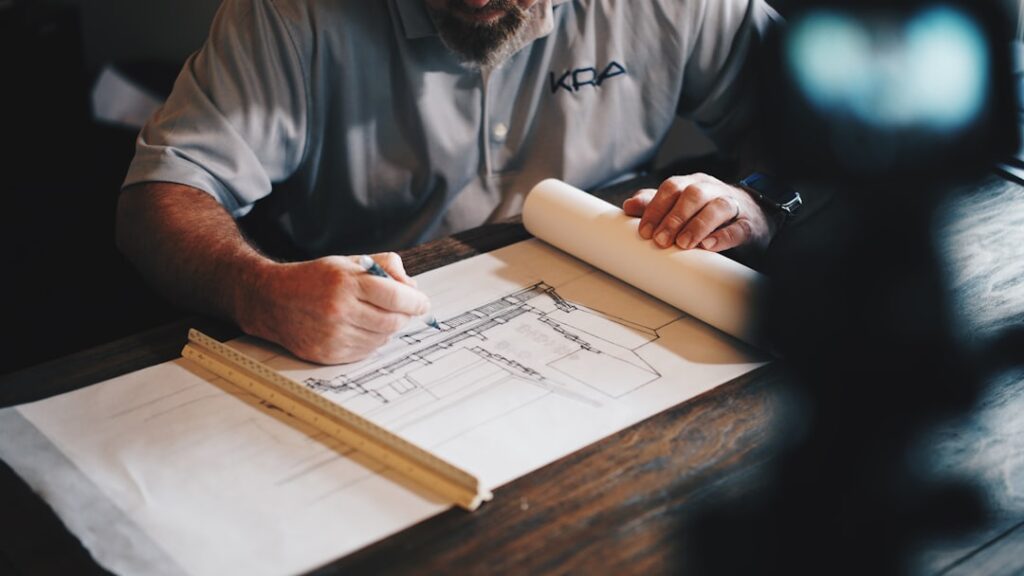
A professional home inspection is one of the few moments in a real estate transaction where a buyer can step back, slow down, and find out what they are actually purchasing. It is a visual, non-invasive examination of a home’s accessible systems and components, conducted by a trained inspector who works for the buyer rather than the seller or the lender. The findings shape negotiations, repair requests, and sometimes the decision to walk away. For most homeowners, it is the single best defense against an expensive surprise after the keys change hands.
This guide explains what a professional inspection covers, who performs it, what it costs, and how to vet an inspector so the report you receive is worth the money you spend on it.
What a Professional Home Inspection Actually Covers
A standard inspection follows a published Standard of Practice, most commonly the one maintained by the American Society of Home Inspectors or the International Association of Certified Home Inspectors. These documents define the floor for what an inspector must examine and report. The roof, exterior cladding, foundation, grading, structural components, attic, insulation, and ventilation all fall within scope.
Inside the home, the inspector evaluates the electrical service panel and visible wiring, the plumbing supply and drain systems, the water heater, the heating and cooling equipment, and the condition of walls, ceilings, floors, windows, and doors. Built-in appliances are typically operated to confirm they function. The inspector checks for safety hazards such as missing smoke detectors, improper stair railings, and reversed electrical polarity at outlets.
What the inspection does not cover matters just as much. A general inspection is visual and non-invasive. The inspector will not open walls, dig up sewer lines, or move heavy furniture. Items hidden behind finishes, buried underground, or otherwise inaccessible remain unknown. That limitation is why ancillary tests exist for issues a general inspection cannot resolve on its own.
How Professional Inspections Differ From a Casual Walkthrough
Buyers sometimes assume a careful personal walkthrough can substitute for a paid inspection. It cannot. The difference is training, tools, and accountability. A licensed or certified inspector spends two to three hours methodically working a checklist that a homeowner would not think to follow.
The tooling gap is real. Inspectors carry moisture meters to find dampness behind drywall, and many use thermal imaging cameras to reveal missing insulation, overloaded circuits, and concealed water intrusion. These instruments turn invisible problems into documented findings. Our overview of home inspection tools and what they reveal walks through the equipment a thorough professional brings to the job.
Accountability is the other distinction. A professional inspector produces a written report, carries errors-and-omissions coverage, and stakes a reputation on the work. A weekend walkthrough produces nothing you can rely on during negotiation.
What a Professional Home Inspection Costs
Pricing varies with home size, age, location, and the inspector’s experience. National averages reported by industry sources generally land between $300 and $500 for a single-family home, with larger or older properties pushing higher. Condominiums and small homes sometimes fall below that band, while sprawling rural properties with outbuildings can run well past it.
Several factors move the number. Square footage is the biggest driver, since more area means more time. Distance and travel can add a surcharge in rural service areas. Add-on tests such as radon measurement, sewer scoping, or a separate mold assessment each carry their own fee. A cheap quote is not automatically a bargain. Our look at whether cheap home inspections are worth the risk explains how a low price can signal a rushed, shallow report.
Think of the fee in proportion to the purchase. A few hundred dollars spent up front routinely uncovers thousands of dollars in deferred maintenance, failing equipment, or safety defects. The return on that spend is rarely in doubt.
How to Vet and Hire a Qualified Inspector
Not every inspector delivers the same quality, and many states still do not license the trade. Vetting falls to the buyer. Start with credentials. Membership in ASHI or InterNACHI signals adherence to a recognized Standard of Practice and a continuing-education requirement. Where state licensing exists, confirm the license is current.
Ask for a sample report before you book. A strong report uses clear language, includes photographs of every flagged item, and separates safety hazards from minor maintenance. A weak report is a thin checklist with no context. The sample tells you more than any sales pitch.
Questions Worth Asking Before You Book
Confirm how long the inspector has worked, how many inspections they complete annually, and whether they carry errors-and-omissions and general liability insurance. Ask whether you are welcome to attend. A good inspector wants you there, because walking the home together turns a document into a teachable tour. Reading defects on a page is useful; seeing the corroded shutoff valve in person is better.
Clarify scope and add-ons in writing. If the home is older or sits in a region with known radon, asbestos, or moisture concerns, decide before the appointment which ancillary tests you want. Buyers who hire well tend to start by understanding the broader process of hiring a home inspector, then narrow to the right person for their property and timeline.
Reading the Report and Acting On It
A professional report can run thirty pages or more, which intimidates first-time buyers. The trick is triage. Focus first on the summary of major defects: structural movement, roof failure, electrical hazards, and aging mechanical systems near the end of their service life. These items carry real cost and real safety weight.
Cosmetic and minor maintenance items belong in a second tier. A cracked switch plate or a sticking door is not a deal-breaker. Confusing the two is how buyers either over-negotiate trivia or overlook a genuine problem. When a finding is serious but uncertain, the report should recommend a specialist, whether a licensed electrician, a structural engineer, or a foundation contractor.
Use the findings to negotiate from facts rather than fear. A documented defect supports a repair request or a price concession in a way a vague worry never will. The report is leverage, and a professional inspection is what produces it. Treat the inspection not as a hurdle to closing but as the most informative few hours you will spend on the purchase.
Ancillary Tests a General Inspection Does Not Cover
A general inspection is broad but shallow by design, and several specialized conditions fall outside its scope entirely. Recognizing those gaps before the appointment lets a buyer order the right add-ons rather than discovering a blind spot after closing. The most common add-ons exist precisely because the standard visual inspection cannot resolve them.
Radon is the clearest example. A radioactive soil gas, radon cannot be seen during a walkthrough and requires a dedicated measurement device left in the home for days. In high-radon regions, including much of Colorado’s Front Range, ordering a radon test alongside the general inspection is routine and inexpensive relative to the risk it measures. A separate sewer scope, in which a camera is pushed through the main line, catches root intrusion and collapsed pipe that a general inspector cannot see. Mold and moisture assessments, wood-destroying-insect inspections, and well or septic evaluations round out the list of services a thorough buyer considers.
None of these is included in a standard inspection fee, and none should be assumed. A buyer who tells the inspector up front about the home’s age, location, and known regional hazards gets a far more complete picture than one who books the base service and hopes for the best. The general inspection is the foundation; the right ancillary tests fill the gaps it leaves by design.
Timing the Inspection in the Transaction
When the inspection happens matters as much as how well it is done. In most purchase agreements, the inspection falls within a defined contingency period after the offer is accepted, a window during which the buyer can investigate the home and renegotiate or withdraw based on what they find. Missing that window can mean forfeiting the right to act on the report, which is why buyers should schedule the inspection promptly rather than waiting.
The sequence usually runs as follows. The offer is accepted, the inspection contingency clock starts, the buyer hires and schedules the inspector, the inspection takes place, and the report drives any repair request or renegotiation before the contingency expires. A tight market can compress this timeline, tempting buyers to waive the inspection entirely to make a more competitive offer. That is a gamble with real downside, because a waived inspection means buying blind on the largest purchase most people make.
Buyers who feel pressure to waive should at least consider an information-only inspection, conducted for knowledge rather than negotiation, so they understand the home even if they have agreed not to renegotiate. Knowing what you are buying has value regardless of whether you can act on it, and a professional inspector delivers that knowledge in a few documented hours.
What Separates a Thorough Inspector From an Average One
Two inspectors can hold the same credentials and produce very different work, and a buyer who knows the markers of thoroughness can tell them apart. The clearest signal is how the inspector spends time. A thorough professional moves deliberately through every accessible area, climbing into the attic to check insulation and ventilation, entering the crawl space rather than peering in from the hatch, and operating systems rather than merely looking at them.
Communication is the second marker. A strong inspector explains findings as they go, distinguishing a cosmetic blemish from a genuine concern in plain terms a buyer can act on. They welcome questions, invite the buyer to look closely at flagged items, and frame each finding with context about severity and likely cost to address. An inspector who rushes, deflects questions, or speaks in vague generalities is delivering less than the fee implies.
The report seals the impression. A thorough inspector’s report is organized, photo-rich, and specific, naming the location and nature of each defect and recommending a specialist where the issue exceeds the general scope. It avoids both alarmism and false reassurance, giving the buyer an honest picture of the home’s condition. A buyer who chooses an inspector on these qualities, rather than on price alone, ends up with a document worth relying on. The few hours and few hundred dollars buy clarity at the exact moment a buyer most needs it, which is the entire purpose of a professional inspection.
References
- ASHI Standard of Practice — American Society of Home Inspectors
- Residential Standards of Practice — InterNACHI
- Buying a Home: Inspection Guidance — U.S. Department of Housing and Urban Development
- Indoor Air Quality Guidance — U.S. Environmental Protection Agency