Pre-Purchase Inspection Gilpin County, Colorado
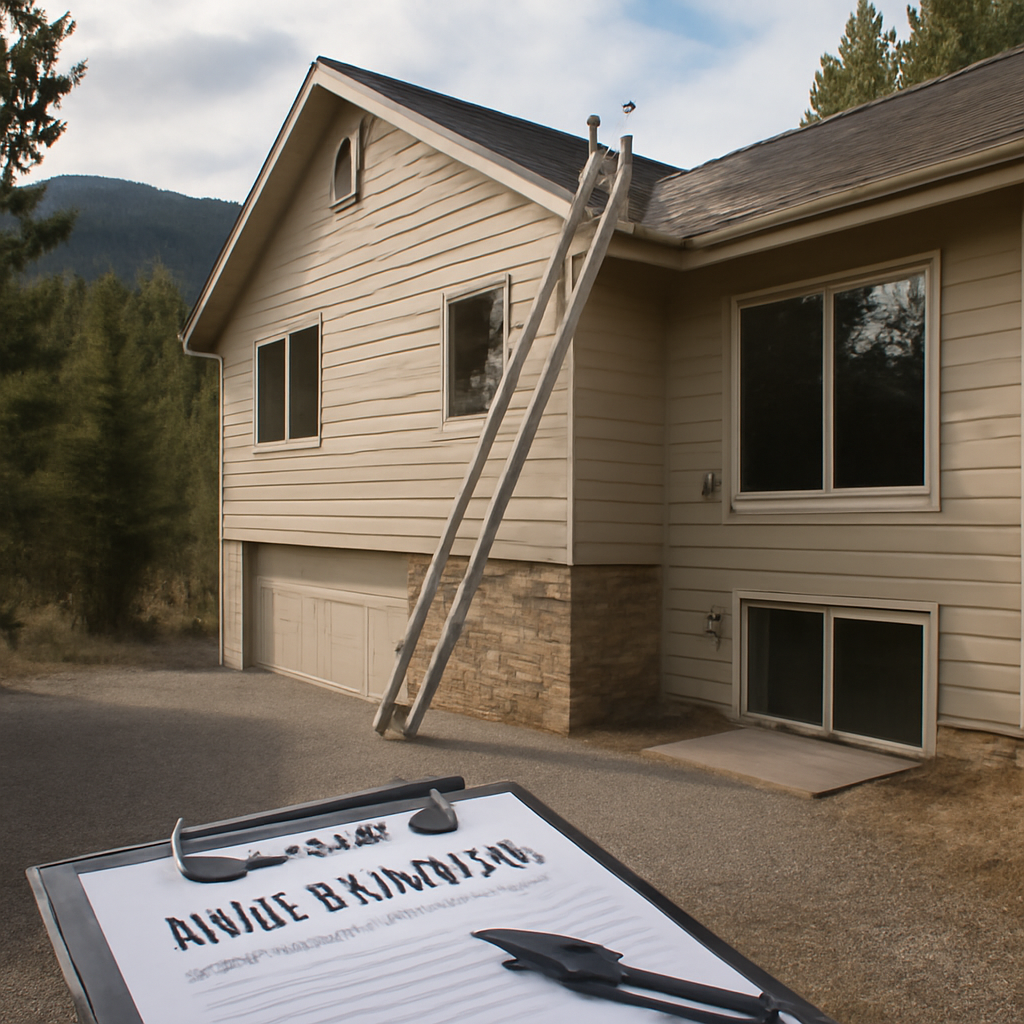
Pre-purchase inspection gilpin county buyers search for is the step that turns a romantic mountain listing into a clear-eyed decision. Gilpin County is a tiny, high-elevation gold-mining county in the foothills west of Boulder and Denver, anchored by the historic twin towns of Central City and Black Hawk and reaching out to Rollinsville, Russell Gulch, Nevadaville, Apex, and the Gilpin community along the Peak to Peak Highway. Buying here means buying steep-lot cabins, 1800s Victorians, or newer mountain homes, almost all on well and septic, often heated by woodstove, and sometimes off-grid. A pre-purchase inspection gives you the full condition picture before your contingency deadline. This page is a county-level hub covering what the inspection examines, what it costs, and how to use it in a mountain transaction.
Part of our Home Inspections Explained guide — start there for the full picture →
Pre-purchase inspection in Gilpin County: what to know
A pre-purchase inspection is a home inspection performed for a buyer under contract, timed to fit the inspection contingency so the findings can shape negotiation or the decision to proceed. It is non-invasive and comprehensive, covering structure, roof, foundation, electrical, plumbing, heating, and the rural systems that define mountain property. In Gilpin County, the purpose is sharper than usual: the inspection is your protection against the specific surprises a remote, high-country home can hide.
The stakes are higher here because the systems are less forgiving. A failed well, an aging septic system, an unsafe woodstove, or hidden snow-load damage on a remote property is expensive and difficult to fix, and these are exactly the conditions a pre-purchase inspection is built to surface. The county’s elevation, between roughly 8,000 and 9,500 feet, its steep forested lots, and its mix of gold-rush-era and modern homes all factor into what the inspection prioritizes for a buyer.
For a broader look at how the inspection process works and how to time it within a contract, our buyer’s guide to hiring a home inspector covers the fundamentals. This page focuses on the Gilpin County transaction and how a pre-purchase inspection protects a mountain buyer.
Why Gilpin County buyers need a pre-purchase inspection
The property risks are concentrated in systems a buyer cannot easily evaluate. Nearly every Gilpin County home runs on a private well and septic system, and a buyer under contract has no way to know the well’s yield or the septic’s condition without an inspection and specialist follow-ups. A weak well or a failing leach field on a remote lot near Apex or Russell Gulch can cost thousands to remedy, which is precisely the kind of finding that belongs in the contingency period, not after closing.
Heating and the building envelope are the next concern. Many homes here rely on woodstoves, propane, or alternative heat, and an unsafe chimney or an undersized heating setup is both a safety and a cost issue in a place with long, hard winters. Snow-load damage, ice-dam intrusion, and hillside drainage problems on a steep lot can compromise a roof or foundation, and a Central City Victorian carries the added questions of stone foundations and a century of renovations. The inspection documents all of this before the buyer is committed.
Seasonal and off-grid properties raise the stakes further. A cabin that has sat unheated through winters may have frozen plumbing, condensation damage, or stressed off-grid systems, and an off-grid home’s well pump, propane, solar, or generator each need to function in deep cold and remote conditions. For a buyer drawn to a Rollinsville cabin or an off-grid parcel along the Peak to Peak Highway, the pre-purchase inspection is what reveals whether the lifestyle dream rests on sound systems or on deferred problems.
What a Gilpin County pre-purchase inspection covers
The inspection works through the home’s systems with the contract clock and the mountain conditions in mind, producing a report a buyer can act on quickly.
Condition assessment and the deal-breakers
The inspector evaluates the roof and snow-load capacity, the foundation and hillside drainage, the electrical and plumbing, and the heating including any woodstove and chimney, flagging the major-cost items that most affect a purchase decision. On a Black Hawk historic home, stone-foundation moisture and old wiring are common findings; on a newer Rollinsville home, the questions center on how construction handled the steep, snowy site. The goal is to separate routine maintenance from genuine deal-breakers.
Rural systems and specialist referrals
Because wells and septic dominate Gilpin County, the inspector assesses them visually and recommends specialist evaluations, well-flow and water-quality testing, a septic inspection, that a buyer should complete within the contingency window. The inspector also flags whether a radon test is warranted, which in this Zone 1 county it almost always is, and whether a seasonal cabin’s systems show winterization problems. These referrals let a buyer line up every check before the deadline.
Pre-purchase inspection cost in Gilpin County
A pre-purchase inspection in the Gilpin County market typically runs about $450 to $700, with mountain travel, steep access, complex roofs, and the extra rural systems pushing it above a Front Range price. A larger historic home or a multi-building mountain property sits at the upper end; a small cabin near the lower end. Specialist add-ons, septic, well-flow, radon, and chimney, are priced separately and best bundled into the same visit.
Against the price of a mountain home and the cost of a post-closing surprise on a remote property, the inspection is a small, decisive expense. A documented pre-purchase report frequently pays for itself in a single negotiated repair credit, and it protects a buyer from inheriting a failing well or septic that would otherwise surface only after the keys change hands.
Colorado regulations and disclosure
Colorado does not license home inspectors, so a buyer should choose one with recognized national credentials and an enforced standard of practice. Colorado’s real-estate contracts build in an inspection objection deadline, and the Seller’s Property Disclosure asks sellers to report known defects and the condition of systems including wells and septic. A thorough pre-purchase inspection lets a Gilpin County buyer exercise these contractual protections with documented evidence rather than guesswork.
Because the state sets no inspector license, the written report, with photographs, system findings, and prioritized recommendations, is what gives the buyer leverage. For a mountain property with a well, septic, and woodstove, that record is the basis for an objection, a repair request, or a confident decision to proceed before the contingency expires.
Confused by your home inspection report? Decode it free in plain English
Upload your inspector's PDF and get a plain-English summary, what actually matters, rough repair costs, and negotiation talking points. Educational only — not a professional re-inspection. Your file is analyzed and discarded, never stored.
Educational summary only. AI can be wrong and cost figures are rough estimates. This is not a professional re-inspection, appraisal, or legal/financial advice — confirm major items with your inspector or a licensed contractor.
Communities and areas served across Gilpin County
Pre-purchase needs span the county and shift with the listing. Central City, Black Hawk, and Nevadaville bring historic Victorian and stone homes where age and renovation history dominate the inspection. Rollinsville, along the Peak to Peak Highway, leans toward cabins and newer mountain homes on forested lots. Russell Gulch and Apex add older mining-camp structures and remote, sometimes off-grid cabins, each with the well, septic, and heating questions a buyer must resolve before closing.
Coverage extends across the Gilpin community and the rural parcels near Golden Gate Canyon State Park and the Nederland end of the corridor. Gilpin County has no live in-county city pages, so this hub anchors the local cluster; for the general process behind the same service, see our page on home inspection in Gilpin County. Buyers across the Boulder County line often compare notes with nearby pre-purchase inspection in Nederland, which shares the same mountain-transaction realities.
Using the report in a mountain transaction
A pre-purchase inspection only pays off if the report drives action within the contract timeline, which is tight in Colorado. The strongest reports separate findings into safety issues, major-cost items, and routine maintenance, so a Gilpin County buyer can quickly see what matters. A failing septic or a weak well is the kind of finding that supports a serious objection or a price adjustment, while cosmetic wear on a historic home is simply the character of an old mountain house.
Timing the specialist follow-ups is the practical challenge unique to this county. Because wells, septic, radon, and chimneys often need separate evaluations, a buyer benefits from an inspector who coordinates them early enough to complete every check before the objection deadline. Lining up these visits in one trip to a remote property avoids the scramble of repeated mountain service calls and gives the buyer a complete picture, not a partial one, when the moment to decide arrives. That coordination is what makes a pre-purchase inspection genuinely protective rather than just a formality.
Common findings on Gilpin County purchases
Certain issues recur often enough on Gilpin County pre-purchase inspections that experienced buyers expect to see at least one of them. Roof and snow-load concerns lead the list: aged shingles worn by intense high-elevation sun, framing that shows the strain of decades of heavy snow, and the telltale staining of past ice-dam intrusion along north-facing eaves. None of these necessarily kills a deal, but each carries a repair cost that belongs in the negotiation rather than as a post-closing surprise on a remote property.
Water and the foundation are the next recurring theme. On the historic stone foundations of Central City and Nevadaville, inspectors regularly note moisture wicking through masonry, poor hillside grading that channels meltwater toward the structure, and crawlspaces that stay damp under heavy tree shade. On newer Rollinsville homes, the questions center on whether the builder handled the steep, snowy site with adequate drainage and waterproofing. Documenting these conditions before closing lets a buyer weigh the cost of correction against the price of the home.
Systems round out the typical findings. Aging woodstoves and chimneys that need cleaning or repair, electrical panels expanded piecemeal over the years, wells with uncertain yield, and septic systems of unknown age and condition all surface routinely. Because each of these can be expensive to remedy on a remote lot, an inspection that flags them, and points the buyer toward the right specialist follow-up, is what keeps a Gilpin County purchase from becoming a sequence of costly discoveries after the keys change hands.
Access and the calendar shape how these findings get handled. A property under contract in deep winter may have a roof under snow, a frozen exterior faucet, or a septic field buried and inaccessible, which limits what any inspector can evaluate on a single visit. A good Gilpin County inspector is candid about what the season prevented and recommends a follow-up or a price-protective contingency for the systems that could not be fully assessed. For a buyer, understanding these seasonal limits is part of using the inspection wisely, since a clean report in January should not be read as a guarantee about a roof or a septic field no one could actually see.
How to choose a Gilpin County pre-purchase inspection provider
Choose an inspector with mountain-property experience and recognized credentials who will examine the snow-load roof, hillside drainage, woodstove, well, and septic that decide a Gilpin County purchase, and who delivers a clear, prioritized report within your contract window. A provider who coordinates the well, septic, radon, and chimney specialists for a single visit understands how to fit a mountain transaction’s timeline.
Ask for a sample report and confirm the turnaround fits your objection deadline. That mountain-aware, transaction-focused approach fits the steep-lot, rural-systems reality of Gilpin County and gives buyers the documented basis they need to negotiate or walk away with confidence.
References
- Residential standards of practice — International Association of Certified Home Inspectors
- Professional standards and inspector ethics — American Society of Home Inspectors
- Septic system guidance for homeowners — U.S. Environmental Protection Agency
Frequently asked questions
Why is a pre-purchase inspection so important in Gilpin County?
Mountain homes hide expensive surprises, weak wells, failing septic, unsafe woodstoves, and snow-load damage, that a buyer can't see. The inspection surfaces them during the contingency period, when you can still object, renegotiate, or walk away.
Does the inspection check the well and septic before I buy?
It assesses them visually and recommends specialist well-flow, water-quality, and septic evaluations. Because nearly every Gilpin County home is on well and septic, completing these follow-ups before your objection deadline is strongly advised.
How much does a pre-purchase inspection cost in Gilpin County?
Typically $450 to $700, higher than the Front Range due to travel, steep access, and extra systems. Septic, well-flow, radon, and chimney add-ons are separate but best bundled into one mountain visit to save repeated trips.
Can the report help me negotiate?
Yes. A clear report separating safety issues and major-cost items from routine wear gives you documented leverage for an objection or a repair credit within Colorado's contract timeline, which often pays for the inspection many times over.
Should I add a radon test to the inspection?
Almost always. Gilpin County is EPA Radon Zone 1 with mining geology that makes high readings common, so a radon test belongs in a pre-purchase package rather than as an afterthought.
A Gilpin County mountain home is a big decision, and a pre-purchase inspection gives you the facts before your deadline. To connect with a mountain-experienced inspector who can coordinate the well, septic, and radon checks too, get in touch through our contact page.