NYS Home Inspector: Licensing and Hiring Guide
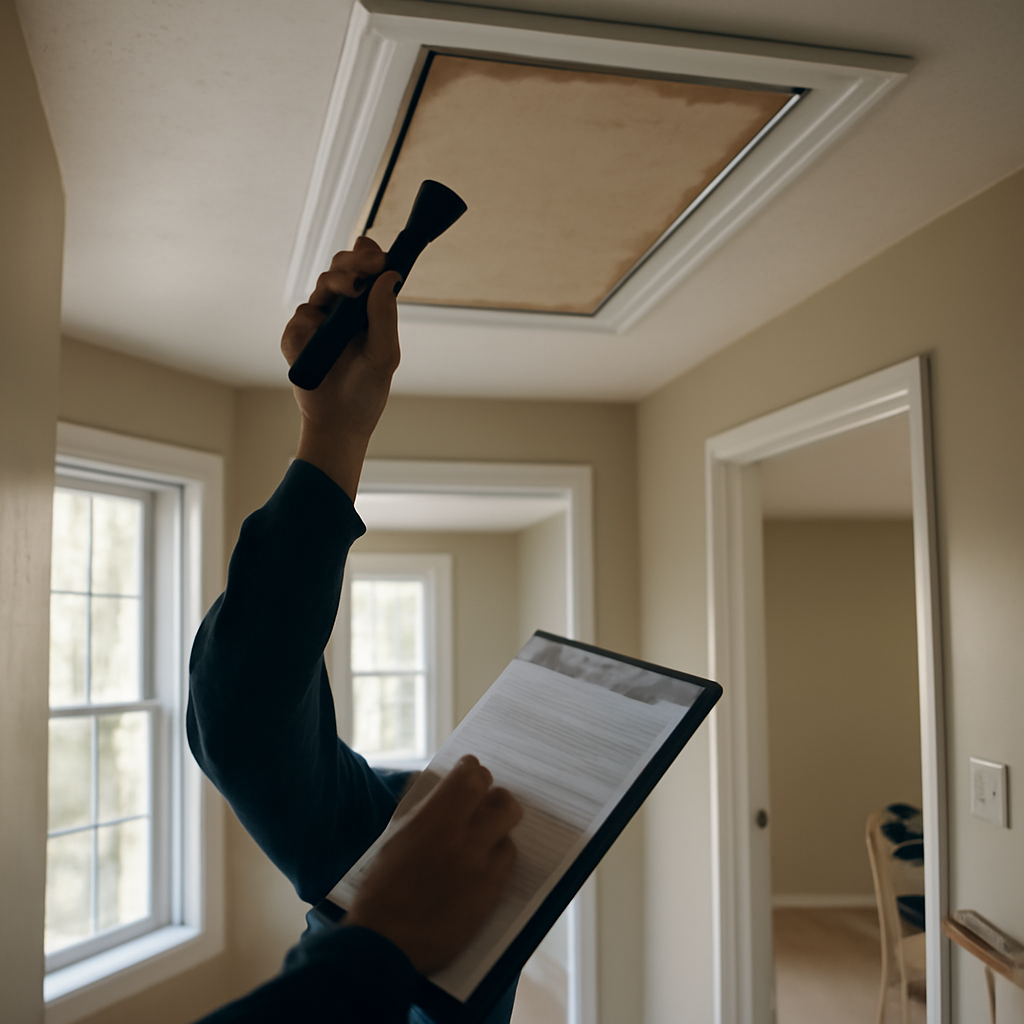
Hiring a NYS home inspector is one of the smartest steps a buyer can take before closing on a property anywhere in New York State. New York is one of the states that licenses home inspectors, which means the person walking your future home should meet education, examination, and experience standards set in law.
Part of our Home Inspections Explained guide — start there for the full picture →
Understanding how inspectors are regulated, what they are required to examine, and how to confirm someone is qualified puts you in a stronger position. This guide explains the framework behind New York licensing in plain terms and shows you how to vet an inspector before you sign.
How New York Regulates Home Inspectors
New York added home inspector licensing through its Real Property Law, with Article 12-B establishing the licensing requirement and the regulations under 19 NYCRR Part 197 spelling out the standards of practice and ethics inspectors must follow. The practical effect is that anyone performing a home inspection for a fee in New York is expected to hold a valid state license.
Licensing in New York generally requires a combination of approved education hours, passing a recognized examination, and supervised field experience or its equivalent. Licensees must also carry liability insurance and follow a code of conduct that governs how they disclose conflicts of interest and report findings.
The standards of practice define what a licensed inspector must examine and how. They also describe the limits of an inspection, since an inspector reports on readily accessible, visible conditions rather than tearing into walls. Knowing these boundaries helps you set realistic expectations for what a report can and cannot reveal.
What a NYS Home Inspector Examines
A licensed home inspection in New York follows a defined scope similar to the standards published by national organizations like the American Society of Home Inspectors and the International Association of Certified Home Inspectors. The inspector evaluates the major systems and components of the home and documents their condition.
- Structure and foundation. Visible framing, foundation walls, and signs of settlement or moisture intrusion.
- Roof and exterior. Roof covering, flashing, gutters, siding, windows, and grading around the home.
- Electrical. Service panel, visible wiring, outlets, and safety devices.
- Plumbing. Supply and drain lines, water heater, and visible fixtures.
- Heating and cooling. The HVAC equipment, distribution, and accessible ductwork.
- Interior. Walls, ceilings, floors, stairs, and built-in components.
The deliverable is a written report describing the condition of each system, noting deficiencies, and flagging items that need further evaluation. A good report includes photos and clear language so you can act on what it says.
Why Licensing Matters for Buyers
A license is not a guarantee of a perfect inspection, but it sets a floor. It tells you the inspector has met minimum education and examination requirements, agreed to follow a standard of practice, and is accountable to a regulatory framework. That accountability gives you recourse if something goes seriously wrong.
Licensing also tends to standardize the inspection itself. When inspectors follow a common standard, reports across providers become easier to compare, and you are less likely to encounter a stripped-down walkthrough disguised as a full inspection. The structure protects buyers who cannot judge technical quality on their own.
For New York buyers, confirming licensure is the first filter. After that, experience, report quality, and communication style separate an adequate inspector from an excellent one.
How to Vet a New York Inspector Before You Buy
Once you have confirmed someone holds a current license, dig into the details that predict a good experience. The checks below take little time and reveal a lot.
Verify the License and Insurance
Ask for the inspector’s license number and confirm it is active. New York requires liability insurance for licensees, so ask to see proof. An inspector who hesitates to share credentials is a poor fit.
Review a Sample Report
Request a recent, redacted report. Look for photos, detailed descriptions, and a clear summary of significant findings. The depth of the sample tells you what to expect for your own home far better than a price quote does.
Ask About Experience and Add-Ons
Find out how many inspections the person performs each year and whether they specialize in the type of property you are buying, such as older homes, condos, or multifamily buildings. Ask whether they offer or coordinate add-ons like radon or pest evaluations, which are often handled separately.
Confirm You Can Attend
An inspector who invites you to walk the home during the inspection is giving you a chance to learn the property firsthand. Attending lets you ask questions on the spot and understand the severity of each finding.
Where a NYS Inspection Fits in the Buying Process
Schedule the inspection promptly after your offer is accepted so you have time to review the report and respond within your contingency window. The report becomes a planning tool for repairs and a negotiating tool with the seller. Major findings can justify asking for repairs, a price reduction, or credits at closing.
Treat the inspection as the start of an ongoing relationship with your home rather than a one-time hurdle. The report documents the baseline condition of every major system, which helps you budget for maintenance and future replacements. For a broader view of selecting the right professional, see our guide to finding the best home inspectors and our overview of what a home inspector does.
If you want to understand the credentialing path that licensed inspectors follow, our broader guide to hiring a home inspector shows what stands behind a license. Reviewing it can sharpen the questions you ask when you vet a New York professional.
The Limits of a Home Inspection
Even the best New York inspection has boundaries, and understanding them prevents disappointment later. A home inspection is a visual evaluation of readily accessible conditions on the day of the inspection. It is not a guarantee, a warranty, or a prediction of future failures.
An inspector reports on what can be seen and safely reached. They do not open walls, move heavy furniture, or dismantle systems. Concealed defects behind finished surfaces may go undetected simply because they are not visible. This is a feature of the standard of practice, not a shortcoming of a particular inspector, and it is why the standards describe both what is included and what is excluded.
Some conditions also fall outside a general inspection entirely. Pest infestations, radon, mold, lead, asbestos, and sewer line interiors typically require specialized testing or separate inspectors. A licensed home inspector may note visible signs and recommend further evaluation, but a full assessment of those items is a distinct service. Knowing this helps you order the right add-ons rather than assuming the base inspection covers everything.
The inspection also reflects a single point in time. A system that works on inspection day can fail weeks later, and seasonal conditions can hide issues, such as a furnace problem that only appears in deep cold. Treating the report as a snapshot rather than a permanent guarantee sets realistic expectations.
Using the Report to Make Your Decision
The real value of a New York inspection comes from how you act on the report. A well-written report organizes findings by significance, separating cosmetic items from material defects that affect safety, function, or value. Focus your attention on the items that matter most rather than getting distracted by minor blemishes.
Start by reading the summary of significant findings, then trace each one back to the detailed section with its photos and descriptions. For major items, get repair estimates from qualified trades so you understand the true cost before you negotiate. A documented defect with a contractor estimate is far more persuasive to a seller than a general request.
From there, you have several paths. You can ask the seller to make repairs before closing, request a credit or price reduction to handle the work yourself, or accept the home as is if the issues are manageable and priced into the deal. In a competitive New York market, knowing which findings are deal-breakers and which are routine maintenance keeps your decision grounded.
Keep the report after closing as well. It becomes a maintenance roadmap, documenting the baseline condition of each system so you can plan upkeep and budget for eventual replacements. The inspection you paid for keeps delivering value long after you move in.
Questions Worth Asking Your New York Inspector
A short conversation before you book reveals how an inspector works and whether they fit your needs. The right questions also signal that you are an engaged buyer, which tends to bring out an inspector’s best effort.
Ask how long the inspection will take for a home of your size, since a rushed timeline is a warning sign. Ask whether you can attend and walk through findings in person. Ask what the report looks like and how soon you will receive it after the inspection, because a slow turnaround can squeeze your contingency window.
Clarify the scope and any exclusions in writing, and confirm which add-ons the inspector offers or coordinates. Finally, ask about experience with your property type, whether that is a century-old upstate farmhouse, a city condo, or a suburban multifamily. An inspector familiar with the quirks of your housing stock catches problems a generalist might overlook, and that experience is worth as much as the license itself.
Pay attention to how the inspector responds, not just what they say. A professional who answers patiently, explains technical points in plain language, and does not rush you is signaling the kind of service you will receive on inspection day. An inspector who is evasive about scope, dismissive of your questions, or unwilling to share a sample report is showing you how the rest of the engagement is likely to go. The conversation before you book is itself a useful test of fit, and trusting that impression alongside the license check leads to a better experience and a more useful report when you walk through your future New York home.
Special Considerations for New York Properties
New York’s housing stock is unusually varied, and that variety shapes what a licensed inspection should focus on. From century-old upstate farmhouses to dense city co-ops and suburban multifamily homes, each property type carries distinct concerns worth understanding before you book.
Older homes, common across much of the state, may have outdated knob-and-tube wiring, aging plumbing, and original windows that affect safety and efficiency. A licensed inspector familiar with vintage construction knows where these systems tend to fail and examines them closely. For very old homes, lead paint and asbestos are realistic concerns, though confirming them requires specialized testing beyond a general inspection.
Condominiums and cooperatives raise a different question of scope. A general inspection typically covers the unit itself, while building-wide systems and common areas fall under the association’s responsibility. Clarify with your inspector what is and is not included so you understand your unit’s condition and where building documents fill the gaps.
Multifamily and rental properties add layers of systems and, often, regulatory obligations for owners. An inspection of a two- or three-family home covers more equipment and more potential failure points, which is reflected in the scope and timeline. Discuss the property type when you book so the inspector allocates enough time and brings the right focus.
Across all of these, confirming the inspector’s license remains the first step, but matching their experience to your specific property type is what turns a competent inspection into a genuinely useful one for your New York purchase.
Frequently asked questions
Do home inspectors have to be licensed in New York?
Yes. New York licenses home inspectors under Real Property Law Article 12-B, with standards of practice and ethics set out in 19 NYCRR Part 197. Anyone inspecting homes for a fee in the state should hold a valid license.
What does a NYS home inspection cover?
A licensed inspection examines the structure, roof, exterior, electrical, plumbing, heating and cooling, and interior. The inspector reports on visible, accessible conditions and flags items needing further evaluation.
How do I confirm an inspector is licensed?
Ask for the inspector's license number and confirm it is current, then request proof of the liability insurance that New York requires of licensees. A qualified inspector shares this readily.
When should I schedule the inspection?
Book it soon after your offer is accepted so you have time to review the report and respond within your inspection contingency window, leaving room to negotiate repairs or price.
Do you need a home inspection when buying a co-op in New York?
A home inspection is not required to buy a New York co-op, but it is worthwhile. The inspector evaluates the unit's systems, windows, and appliances. The building itself is usually reviewed through board financials and engineering reports rather than the buyer's inspection.
Can a NYS home inspection be done with snow on the roof?
Yes, inspections continue in winter, but snow on the roof limits what a NYS home inspector can see. The report will state that the roof was not fully visible. Buyers can request a follow-up roof evaluation after the snow melts if the contract allows.
What can you do if a NYS home inspector missed a defect?
If a NYS home inspector missed a defect, contact the inspector first with photos and the report, since the inspection agreement explains how claims are handled. Unresolved disputes can be filed as complaints with the New York Department of State.
More Questions About Hiring a NYS Home Inspector
How much does a NYS home inspector charge?
A NYS home inspector typically charges a few hundred dollars for an average single-family home, with fees higher in the New York City metro and Long Island than upstate, according to industry estimates.
Price rises with square footage, age, and extras such as a detached garage or multiple units. Add-on services like radon testing, termite inspection, sewer scope, oil tank sweeps, and well water testing are priced separately. Co-op and condo unit inspections are often cheaper because they cover less of the building.
How long does a NYS home inspection take?
A NYS home inspection typically takes two to four hours for an average single-family home. Larger, older, or multifamily properties can take longer, especially two- to four-family homes common in New York cities.
Homes with oil heating, steam boilers, basements, and finished attics add time because each system needs inspection. Buyers should plan to attend the last part of the visit for a walkthrough of the findings. The written report usually arrives within a day or two, which helps buyers meet the attorney review and contract deadlines common in New York transactions.
Can a NYS home inspector also fix the problems found?
No, New York rules restrict home inspectors from performing repairs on a home they inspected, to avoid a conflict of interest. An inspector who profits from fixing defects has a reason to find or exaggerate problems.
The inspector can explain what a defect is and which type of contractor typically handles it, such as a licensed electrician or roofer. Buyers should get repair quotes from independent contractors. If an inspector offers to do the work, that is a warning sign worth reporting to the Department of State.
Does a NYS home inspection include an oil tank?
A standard NYS home inspection checks visible parts of an above-ground or basement oil tank, such as signs of leaks, rust, and fill and vent pipes, but it does not test buried tanks.
Underground oil tanks, common in older homes on Long Island and in other parts of the state, require a separate tank sweep using metal detection, and sometimes soil testing. Leaking buried tanks can be expensive to remove and remediate. Buyers of older homes previously heated by oil should ask the inspector about adding a tank sweep.