How Long Does a Radon Test Take: A Plain-Language Guide
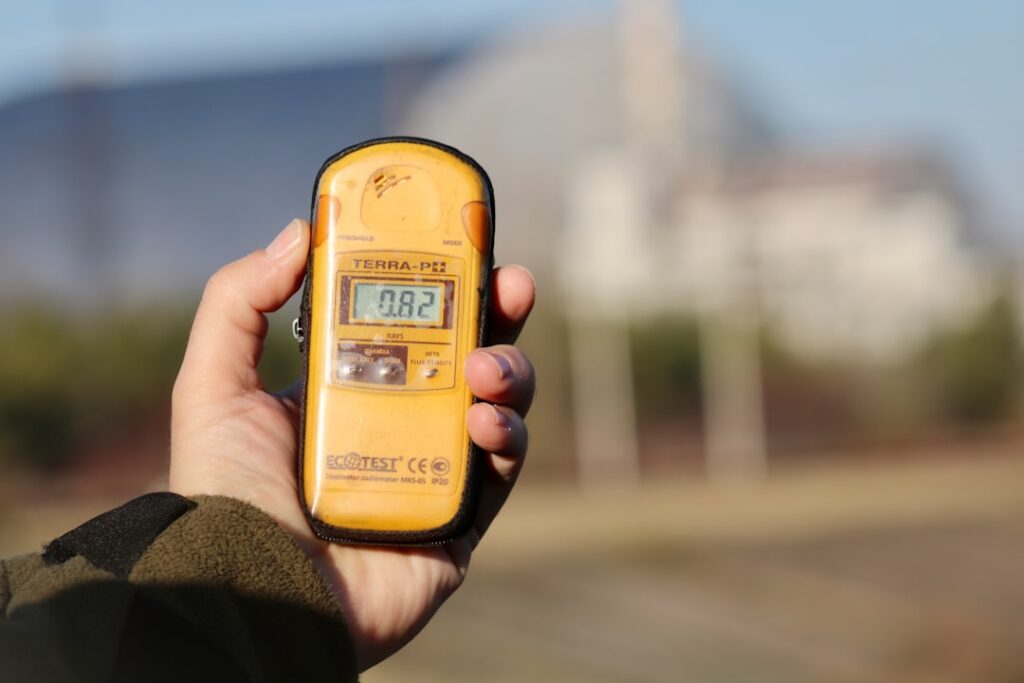
How long does a radon test take depends on which test the homeowner chooses. Short-term canister tests run a minimum of 48 hours but are usually deployed for 2 to 7 days. Continuous radon monitors used by professional inspectors typically run 48 hours during real estate transactions. Long-term tests run 90 days to one year and produce the most accurate picture of a home’s average exposure. This guide summarizes EPA, CDC, and CDPHE guidance current as of 2026 — it is informational, not medical advice. Consult a physician for any health concerns and a certified radon professional for testing and mitigation decisions in your specific home. The goal here is to help Colorado homeowners pick the right test for the time available.
Part of our Radon Levels guide — start there for the full picture →
How long does a radon test take? The quick answer
For most Front Range buyers and homeowners, the practical answer is 48 hours of active testing time, plus 1 to 5 days of lab analysis or data download for results. Short-term charcoal canisters require a 48-hour minimum and are commonly deployed for 2 to 4 days. Continuous radon monitors (CRMs) — the digital electronic devices professional inspectors place during real estate transactions — also typically run 48 hours, with results available immediately when the device is retrieved.
Long-term tests, which use alpha-track or electret devices, run 90 days to one year. They do not produce instant results: the device is left in place for the full duration, then mailed to a lab for analysis. Long-term tests are the most accurate way to characterize a home’s typical radon exposure because indoor radon levels fluctuate with seasons, weather, and HVAC operation. Short-term tests give a snapshot; long-term tests give the average.
EPA guidance recommends short-term testing as a first step for most homeowners, with long-term testing or repeat short-term testing recommended for borderline results. The parent Front Range radon testing guide covers Colorado-specific testing strategy in more depth, including which test types match which use cases.
Short-term test durations and how they work
Short-term radon tests are the most common testing method for homes in the U.S. They include charcoal canisters, charcoal liquid scintillation devices, electret ion chambers configured for short-term use, and continuous monitors. The minimum duration recommended by EPA is 48 hours; the maximum for most short-term devices is 7 days.
Charcoal canisters, sold at hardware stores for $15 to $30, sit open in the lowest livable level of the home for 2 to 4 days. The canister adsorbs radon and its decay products, then is sealed and mailed to a lab. Lab analysis takes 1 to 5 business days. Total time from start to result: roughly 5 to 10 days. The kits are inexpensive but susceptible to handling errors and shipping delays, particularly in hot weather, which can affect accuracy.
Continuous radon monitors are the gold standard for short-term testing in real estate transactions. Devices like the Sun Nuclear 1028 or AccuStar CRM-1 measure radon hour-by-hour for the test duration (typically 48 hours), then produce a digital report when retrieved. Results are immediate — no shipping, no lab wait. Professional inspectors charge $125 to $200 for a CRM placement bundled with a general inspection. The cluster article on DIY radon test accuracy covers how short-term tests compare on accuracy.
Long-term test durations and when they’re worth it
Long-term radon tests run 90 days at minimum, with one year being optimal. They use alpha-track detectors (a small piece of plastic that records alpha-particle hits over time) or long-term electret devices. The detector sits in the home for the full duration, then is mailed to a lab for analysis. Lab turnaround after the device arrives is typically 5 to 10 business days.
The advantage of long-term testing is averaging. Indoor radon levels fluctuate dramatically with weather, season, and HVAC operation. A home that tests at 5 pCi/L on a closed-up January day might average 2.5 pCi/L over a full year. A home that tests at 3 pCi/L during a windy October week might actually average 6 pCi/L over winter. Long-term tests cut through the noise.
EPA guidance recommends long-term testing for homes with borderline short-term results (between 2 and 4 pCi/L) and as a confirmatory test after short-term results above 4 pCi/L. Long-term tests cost $25 to $50 for the device plus mailing. Total time from deployment to result: 95 to 380 days depending on test length.
Real estate testing: timing under contract pressure
Buyers in real estate transactions usually have 7 to 14 days for the inspection contingency period, which means short-term continuous monitor testing is the only practical option. The standard real estate radon test runs 48 hours under closed-house conditions, with results available when the inspector retrieves the device.
Closed-house conditions mean the home is operated normally for living except that windows and exterior doors are kept closed (except for normal entry and exit) starting 12 hours before the test begins. HVAC fans should be on auto, not constant. The intent is to capture typical winter or non-ventilated conditions, which produce conservative (higher) radon readings.
The 48-hour test is short and may not represent the home’s average annual exposure, but it is the standard for real estate transactions because of contingency timeline limitations. Buyers receiving a borderline result (2 to 4 pCi/L) often request a longer follow-up test post-closing to characterize the home more accurately. Buyers receiving a result above 4 pCi/L typically negotiate either a credit or seller-installed mitigation as part of closing.
Continuous radon monitor results: how they’re generated
Continuous radon monitors record hourly radon concentrations for the duration of the test. The device’s report typically shows the test start time, end time, average concentration, peak concentration, lowest concentration, and an hour-by-hour graph. Many devices also report tampering events — if the device was moved, unplugged, or exposed to interference during the test, the report flags it.
The 48-hour average is the headline number compared against the 4.0 pCi/L EPA action level. Some inspectors and reports also examine the hour-by-hour pattern. A home with relatively flat hourly readings is producing radon at a steady rate. A home with high overnight readings and lower daytime readings is showing a typical radon-from-soil pattern. Spikes that don’t follow this pattern can indicate measurement issues or tampering.
The cluster article on AirThings vs Corentium continuous radon monitors covers consumer-grade CRMs that homeowners can buy for ongoing monitoring, which differ in display and integration from the professional-grade devices inspectors use during transactions. Professional CRMs such as the Sun Nuclear 1028, the AccuStar CRM-1, and the Femto-Tech CRM-510 also log barometric pressure and ambient temperature alongside radon, which lets reviewing inspectors correlate spikes against weather events and rule out anomalous readings before signing the report. Front Range inspectors deploying CRMs in basements during a Chinook wind event or a barometric drop will frequently note both conditions in the report so buyers and listing agents understand the context behind any unusually high or low hourly readings.
Ongoing monitoring after the initial test
Homeowners who receive a low initial result (under 2 pCi/L) generally do not need immediate follow-up. EPA recommends retesting every two to five years, particularly after any structural change to the home (new HVAC, foundation work, basement finishing, additions). Borderline results in the 2 to 4 pCi/L range warrant either a long-term test or a repeat short-term test to confirm.
Homeowners who install mitigation systems should test after installation to confirm the system is working, then retest periodically. The EPA recommends post-mitigation testing within 30 to 60 days of system installation and every two years thereafter. Many homeowners also install a consumer-grade continuous radon monitor (around $200 to $300) for ongoing visibility.
Long-term homeowners in Colorado who never tested their home should plan for a short-term test every 2 to 5 years even without symptoms or recent renovation. The state’s geology and Front Range housing stock make elevated radon common, and a 48-hour test costs less than $30 for a DIY canister. The cluster article on radon mitigation cost in 2026 covers what to do if test results indicate mitigation is needed.
References
- EPA radon testing and mitigation guidance — U.S. Environmental Protection Agency
- CDC radon health information — Centers for Disease Control and Prevention
- CDPHE Colorado radon program — Colorado Department of Public Health and Environment
- EPA Consumer’s Guide to Radon Reduction — U.S. Environmental Protection Agency
Frequently asked questions
How long does a radon test take in real estate transactions?
Most real estate radon tests are 48-hour continuous monitor tests, with results available when the inspector retrieves the device. The total turnaround from deployment to written report is typically 2 to 3 days, fitting within standard inspection contingency periods.
How long is a short-term radon test?
Short-term radon tests run 2 to 7 days. Charcoal canisters and most professional continuous monitors run 48 hours, the EPA-recommended minimum. Lab-analyzed canister tests add 1 to 5 days for analysis after the device ships.
How long is a long-term radon test?
Long-term radon tests run 90 days to one year. They produce more representative results because indoor radon fluctuates with weather, season, and HVAC operation. Lab analysis after the device returns adds 5 to 10 business days.
How often should I retest my home for radon?
EPA recommends retesting every 2 to 5 years for homes with low initial results. Retest after structural changes (HVAC, basement finishing, foundation work) and after any mitigation system installation. Borderline initial results warrant a long-term confirmatory test.
Front Range homeowners considering radon testing or follow-up after a borderline result can reach a vetted Colorado inspector through our contact page for a referral to a certified radon professional.
Test your home for radon
Radon is invisible and odorless, so a test is the only way to know your level. A short-term kit gives a first reading in days; a digital monitor tracks it over time.
| Product | Why | Buy |
|---|---|---|
 AirChek Charcoal Radon Test Kit AirChek Charcoal Radon Test Kit | Lab fee usually included; EPA short-term protocol. | Amazon — $21.95 |
 First Alert RD1 Radon Test Kit First Alert RD1 Radon Test Kit | Widely stocked; 48-hour charcoal test. | Amazon — $16.98 |
 Airthings Corentium Home Airthings Corentium Home | Digital monitor with a long-term average. | Amazon — $147.14 |