How Long Does Mold Removal Take: A Plain-Language Guide
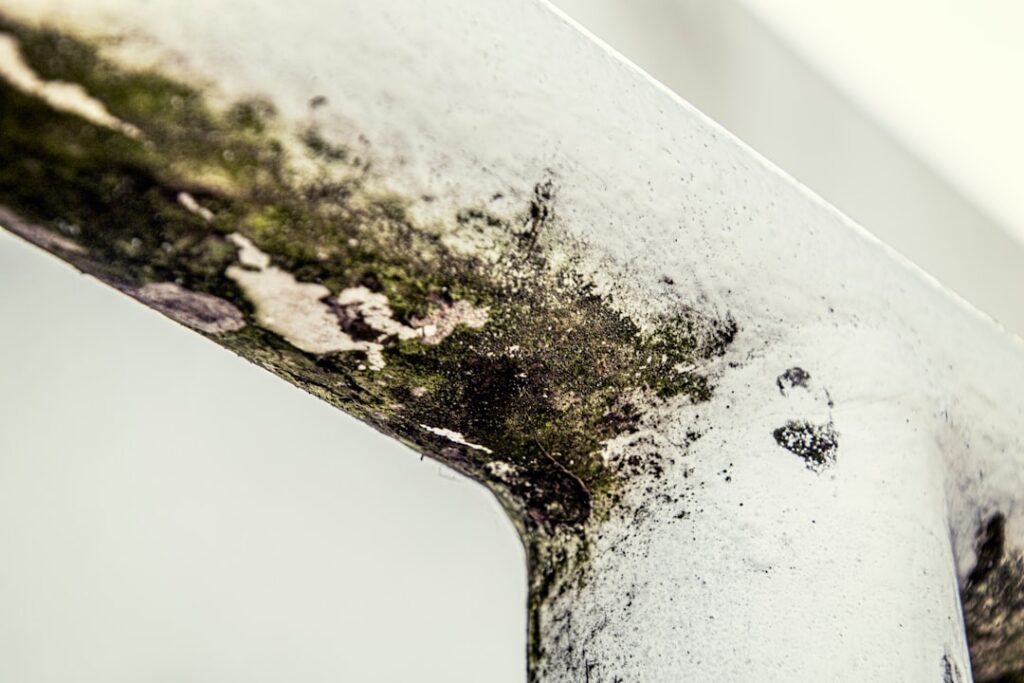
Once a homeowner decides to deal with a mold problem, the next worry is the calendar: how long does mold removal take, and how long will rooms be off limits? The honest answer is that it depends on the size of the affected area, the materials involved, and how much drying the structure needs. This guide summarizes EPA and CDC guidance current as of 2026 and is educational only; a certified professional should assess your specific situation, and your physician should address any health symptoms.
Is this mold, asbestos, or water damage? Get a free instant screen
Upload a clear photo of the suspect area. You'll get an instant AI screening opinion and what to do next. This is screening guidance, not a professional determination.
Screening guidance only. AI can be wrong. Confirm asbestos, mold type, or lead with lab testing or a licensed professional before acting.
How long does mold removal take?
For most homes, professional mold removal takes one to five days of active work. A small, contained job such as a single closet or a section of bathroom wall can finish in a day. A moderate job spanning a few rooms commonly runs two to four days. Large or whole-house projects, or jobs tied to flooding, can stretch to a week or more.
That range covers the remediation itself. It does not always include the drying time before work starts, the time to repair or rebuild what was removed, or any post-remediation verification. The full project, start to rebuilt, often spans longer than the cleanup alone.
What drives the timeline
Several factors move the schedule up or down, and understanding them helps you set realistic expectations with a contractor.
Size of the affected area
The EPA uses roughly 10 square feet as the line between a homeowner-scale cleanup and a job that benefits from professional handling. Below that, a careful DIY effort might take an afternoon. Above it, containment, equipment, and labor scale up, and so does the clock.
Type of material involved
Non-porous surfaces like tile and metal clean quickly. Porous materials such as drywall, carpet, ceiling tile, and insulation usually have to be removed and replaced rather than cleaned, which adds demolition and rebuild time. A bathroom of tile cleans faster than a finished basement of moldy drywall and carpet.
Moisture source and drying
Mold grows because something is wet. If the source is an active leak, that repair has to happen first. Then the structure has to dry, often with commercial dehumidifiers and air movers running for two to several days before remediation can safely conclude. Drying is frequently the longest single phase.
DIY timelines versus professional timelines
A homeowner tackling a small job and a crew tackling a large one operate on very different clocks, and the difference is not only labor. For a contained patch under the EPA’s roughly 10-square-foot threshold, a careful homeowner might spend an afternoon: gathering supplies, donning gloves, an N95 respirator, and eye protection, cleaning the non-porous surface, and setting up a fan to dry the area. The slow part for a do-it-yourselfer is usually the drying and the trips to the hardware store, not the scrubbing.
A professional crew compresses the active work because it arrives with everything at once: containment sheeting, a negative-air machine, HEPA vacuums, commercial dehumidifiers, and several hands. That equipment shortens the real timeline even on a larger job, because drying that might take a homeowner a week with a household fan can finish in a couple of days under commercial air movers. The counterintuitive result is that a bigger professional job can sometimes conclude its active phase faster, per square foot, than a cautious DIY effort, simply because the drying capacity is far greater. Where the professional clock lengthens is in setup, containment, and the verification step a homeowner typically skips.
The other reason crews finish faster is that they rarely have to redo work. A homeowner who scrubs visible growth but misses the moisture source, or seals a surface before it is fully dry, often finds the mold back within weeks and starts over. A professional confirms dryness with a moisture meter before closing anything up, which front-loads a little time but avoids the longest delay of all: a second remediation. Done right the first time is almost always the fastest path overall.
The steps inside a mold removal project
Knowing the sequence explains why the timeline is what it is. A typical professional remediation follows the CDC and EPA framework: assess, contain, remove, clean, dry, and verify.
First comes assessment and finding the moisture source. Next, the work area is sealed with plastic sheeting and negative air pressure so spores do not spread. Then affected porous materials are removed and bagged, surfaces are HEPA-vacuumed and cleaned, and the area is dried thoroughly. Finally, many contractors recommend a post-remediation check, sometimes with independent sampling, to confirm the job worked. Our overview of what a good remediation company does walks through each of these stages in more detail.
Timelines by job size
Small jobs (under about 10 square feet)
A localized patch of surface mold on a non-porous surface can be handled in a few hours to a day. If a homeowner takes it on, the EPA’s small-area guidance applies: gloves, an N95 respirator, eye protection, and proper drying afterward.
Moderate jobs (one to several rooms)
Containment setup, removal of drywall or flooring, cleaning, and drying typically fill two to four days. The drying phase, with equipment running continuously, often accounts for half of that window.
Large or water-damage jobs
Mold tied to a flood, a long-running leak, or category-three water can run five to seven days or longer. Extensive material removal, structural drying, and verification all stack up, and rebuild work follows separately.
A realistic full-project timeline
The active-work window is only one slice of the calendar, and homeowners who plan around it alone are often surprised. A complete project usually moves through several phases that stack up in sequence rather than overlapping.
It begins with assessment and scheduling, which can take a few days to line up an inspector and a crew. If an active leak or a roof failure caused the problem, the source repair comes next and may involve a separate trade, adding its own lead time. Structural drying frequently runs two to several days before remediation can safely conclude. The remediation itself fills the one-to-five-day range covered earlier. Then comes rebuild: replacing the drywall, flooring, trim, and paint that were removed, a phase that can run from a couple of days for a small patch to a week or more for a finished basement, and which often waits on a separate contractor’s availability. Add it all up and a job described as “three days of work” can occupy two or three weeks end to end. Building that buffer into your expectations prevents frustration when the contractor’s active-work estimate proves accurate but the home is not livable as quickly as that number implied.
How insurance and documentation affect the schedule
When a claim is involved, paperwork can move the timeline as much as the labor. An insurer may want to inspect or document the loss before work begins, which can pause a project for days. Photographs, moisture readings, and a written scope are typically gathered up front, and that record-keeping continues through the job.
Independent post-remediation verification adds a deliberate step at the end. After the crew finishes, a neutral assessor inspects and, when warranted, samples the area to confirm the work succeeded before any rebuilding seals it up. That clearance check protects you, but it inserts a scheduling gap while you wait for results, and a failed clearance sends the crew back in. Keeping the assessing party separate from the remediating party, as the EPA suggests where feasible, makes that verification meaningful rather than a rubber stamp. The trade-off is a slightly longer calendar in exchange for confidence the problem is genuinely resolved.
Why drying takes so long
Drying cannot be rushed because mold will simply return if materials stay damp. The EPA stresses that surfaces must be completely dry before they are sealed, painted, or covered. Commercial dehumidifiers and air movers speed the process, but wood framing, masonry, and thick materials release moisture slowly.
Inspectors and remediators confirm dryness with moisture meters rather than guessing, comparing readings to a dry baseline elsewhere in the structure. If you are curious how that measurement works, our guide to the moisture meters inspectors use explains the readings that tell a crew the structure is truly dry.
What can cause delays
Several surprises commonly extend a project. Hidden mold behind walls or under flooring, discovered once demolition begins, expands the scope. An unrepaired moisture source, such as a foundation leak, must be fixed before work can finish. Permits or HVAC involvement can add steps.
A common surprise is hidden material that has to be removed once demolition exposes it: insulation that wicked water far beyond the visible stain, subflooring softened under a tub, or a wall cavity that grew mold on the back of the drywall while the painted side looked nearly clean. Each discovery expands the scope mid-job and pushes the finish date out.
Health-sensitive occupants, large square footage, and the need for independent post-remediation clearance also lengthen the timeline. Scheduling the rebuild, painting, and flooring after remediation is a separate phase that many homeowners forget to factor in. Planning for a buffer beyond the contractor’s active-work estimate keeps expectations realistic, and asking the contractor up front which of these delays are likely in your specific situation lets you plan lodging, storage, and time off with fewer surprises.
How the Front Range climate shapes the schedule
Colorado’s dry air can work in a homeowner’s favor during the drying phase. Low ambient humidity means dehumidifiers and air movers have an easier time pulling moisture out of framing and masonry than they would in a humid climate, so structural drying sometimes finishes a touch faster here than in the Southeast or mid-Atlantic. That advantage is real but limited; thick materials and trapped cavity moisture still release water slowly regardless of room humidity.
Local moisture sources also tend to be pinpointable, which shortens diagnosis. Front Range mold often traces to a specific event, spring snowmelt against a foundation, a swamp cooler that ran all summer, or an unvented bathroom, rather than chronic whole-house dampness. A source a crew can identify and fix quickly keeps the project from stalling. Seasonal timing matters too: scheduling rebuild work during the dry months avoids the brief high-humidity windows that follow heavy spring storms, when freshly dried materials are most likely to pick moisture back up.
Can you stay in the home during removal?
For small, contained jobs, occupants often stay, simply keeping out of the sealed work zone. For larger projects, especially those involving extensive demolition or affecting central HVAC, temporary relocation is sometimes recommended, particularly for anyone with asthma, allergies, or a weakened immune system, as the CDC advises caution for these groups.
Containment with negative air pressure is designed to keep the rest of the home livable, but the noise, equipment, and disruption can be significant. A reputable contractor will tell you upfront whether staying is reasonable for your specific job.
When to call a professional
Call a professional when the affected area exceeds about 10 square feet, when mold follows flooding or sewage, when it has spread inside HVAC, or when occupants report breathing problems or other symptoms a doctor links to the home. A pro brings containment, HEPA filtration, structural drying equipment, and the experience to find hidden growth, all of which shorten the real timeline by getting the job done right the first time.
Getting two or three estimates is worth the wait. The mold inspection and testing hub covers how assessment and remediation should be kept separate, and why an independent check at the end protects your investment.
References
- Mold Cleanup in Your Home — U.S. Environmental Protection Agency
- Mold Cleanup Guidelines — Centers for Disease Control and Prevention
- A Brief Guide to Mold, Moisture and Your Home — U.S. Environmental Protection Agency
If you are weighing mold removal in the Denver metro or Front Range and want help scoping the job before you commit, reach out through our contact page to connect with a vetted local inspector.
Mold removal & cleanup picks
For a small, contained patch (under ~10 sq ft) these EPA-friendly removers handle surface mold. Larger or recurring growth warrants a professional assessment first.
| Product | Why | Buy |
|---|---|---|
 RMR-86 Instant Mold Stain Remover RMR-86 Instant Mold Stain Remover | Fast-acting on stains; ventilate and wear PPE. | Amazon — $29.99 |
 Concrobium Mold Control Concrobium Mold Control | No-bleach formula that also helps prevent regrowth. | Amazon — $13.48 |
 Mold Armor Mold & Mildew Remover Mold Armor Mold & Mildew Remover | Widely stocked bathroom/surface remover. | Amazon — $22.98 |