Home Mold Removal: Honest Homeowner Walkthrough

Most homeowners who type “home mold removal” into a search bar are staring at something dark spreading across drywall, a musty basement smell that will not go away, or a recent leak with discolored patches blooming around it. This guide summarizes EPA, CDC, and HUD guidance current as of 2026 — consult a physician for symptoms and a certified remediation professional for anything beyond a small patch. The plain truth is that home mold removal is a sliding scale: a coffee-cup-sized patch on a tile shower is one job, and a wall cavity behind a leaking dishwasher is a different job entirely. Knowing which is which keeps families safer and budgets sane.
Part of our Mold Removal & Remediation guide — start there for the full picture →
Is this mold, asbestos, or water damage? Get a free instant screen
Upload a clear photo of the suspect area. You'll get an instant AI screening opinion and what to do next. This is screening guidance, not a professional determination.
Screening guidance only. AI can be wrong. Confirm asbestos, mold type, or lead with lab testing or a licensed professional before acting.
What Home Mold Removal Actually Means
Mold removal means physically taking visible mold growth off surfaces and, where surfaces are too porous to clean, removing the affected material itself. The Environmental Protection Agency does not certify “mold removers” as a federal license category, and there is no EPA-registered product that “kills” mold in a way that ends the problem. Removal is mechanical: scrub, wipe, vacuum, bag, discard, and dry. Killing live mycelium without removing the residue still leaves allergenic and potentially mycotoxin-bearing fragments behind, which is why the EPA’s published guidance focuses on physical removal plus moisture control rather than chemical sterilization.
For Front Range homeowners along Denver, Boulder, and Douglas county foothills, the moisture sources behind most calls are pretty predictable: ice-dam leaks at the eaves, walk-out basement window-well flooding after a heavy spring snow, swamp-cooler condensation lines, and slow plumbing leaks behind kitchen islands. Removing the visible patch without fixing the source guarantees a return visit.
The EPA 10 Square Foot Threshold
The single most important number in homeowner mold work is ten square feet. The EPA’s “A Brief Guide to Mold, Moisture, and Your Home” sets that as the practical line between do-it-yourself cleanup and hiring a licensed remediation contractor. Below ten contiguous square feet — roughly a three-foot-by-three-foot patch — a homeowner with N95 protection, nitrile gloves, eye protection, and a disposable Tyvek suit can reasonably tackle the job. Above ten square feet the EPA recommends professional remediation because of containment, negative-pressure air control, and disposal requirements that exceed what a household can safely produce.
The ten-square-foot rule is contiguous area, not total area. Three separate one-square-foot spots in a bathroom are still inside the DIY threshold. A single patch that runs four feet wide and three feet tall is not. When in doubt, treat hidden growth behind walls as automatically exceeding the limit because you cannot see how far the colony extends until the cavity is opened.
Personal Protective Equipment for Homeowners
Even at small scales, mold work releases spores into the air. The CDC’s mold cleanup guidance for homeowners names four pieces of PPE as the baseline: an N95 respirator (not a surgical or cloth mask), splash-rated goggles without ventilation holes, nitrile or rubber gloves that extend past the wrist, and old clothing or a disposable coverall that you can wash in hot water or bag and discard. Skin contact with mold can cause irritation; inhalation is the bigger concern, especially for households with asthma, immunocompromised members, or infants.
The cheapest mistake to avoid is the dust mask. A loose paper or cloth mask does not filter the small particles that matter. N95 respirators sold for construction dust are fit-rated for the 0.3-micron range that captures mold spores effectively, and they cost only a few dollars each at any hardware aisle. Replace gloves between rooms; spores travel on glove surfaces and re-contaminate clean areas.
The Cleaning Process for Non-Porous Surfaces
Non-porous materials — glass, glazed ceramic tile, metal, hard plastic — can be cleaned and reused. The EPA-recommended method is detergent and water, scrubbed with a stiff brush, rinsed, and then dried completely. Bleach is not required. In fact, EPA and CDC guidance now both note that household bleach is not necessary on non-porous surfaces and creates its own respiratory and ventilation problems. Hydrogen peroxide at 3% drugstore strength is a milder alternative that many homeowners prefer.
“Dried completely” is the step homeowners skip most. Mold needs a moisture source to regrow, and a damp wiped surface in a humid bathroom is a moisture source. After scrubbing and rinsing, dry the area with towels and then run a dehumidifier or fan for at least twenty-four hours before considering the job finished. Our broader walkthrough on how to clean mold safely covers ventilation, containment plastic, and bag-out steps in more detail.
Porous Materials Usually Need Replacement
Drywall, carpet, ceiling tile, fabric upholstery, insulation, and any wood that is soft, punky, or rotted from prolonged wetness are porous enough that mold colonies penetrate the structure. The EPA’s guidance is clear: heavily affected porous materials should be discarded rather than cleaned. Cutting out a foot of contaminated drywall and patching with new gypsum board is cheaper, faster, and more reliable than trying to bleach the stain away. A bleached drywall surface still has hyphae driven into the paper face, and the colony will return.
The exception is solid framing lumber. If a stud or floor joist shows surface mold but the wood is still structurally sound when probed with a screwdriver, you can HEPA-vacuum it, sand or wire-brush the surface, and treat it with a borate solution. This is one of the few cases where chemical treatment is reasonable, because borate penetrates wood and provides residual protection. Severely rotted framing is structural and warrants a contractor, not a homeowner cleaner.
Fixing the Moisture Source First
Every certified remediator says the same thing in different words: if you do not fix the water, the mold comes back. The CDC’s homeowner mold pages list four common Colorado-relevant sources to check before any cleaning starts. Roof leaks are the obvious one — ice damming over poorly insulated soffits is a recurring Front Range issue. Plumbing leaks under sinks, around toilets, and behind washing machines account for a large share of bathroom and kitchen calls. High indoor humidity, often above 60%, supports growth even without a leak; aim for 30% to 50% relative humidity. Foundation moisture in below-grade walls is the basement story, and it usually involves grading, gutter extensions, and sometimes interior drain tile.
A homeowner moisture meter is a worthwhile thirty-dollar tool. Probing the drywall above a stain to see if the current reading is still elevated tells you whether the leak is active or historical. An active reading means cleaning is premature. Our companion guide on how to fix mold in house walks through the moisture diagnosis sequence in more detail.
When to Escalate to a Remediation Contractor
Several specific conditions push a job over the homeowner threshold regardless of visible square footage. Mold inside an HVAC system or duct interior should be handled professionally because contamination will be redistributed every time the blower runs. Sewage or Category 3 black-water flooding contains pathogens the homeowner cleanup approach does not address. Hidden mold discovered when opening a wall cavity is almost always larger than it first appears. Household members with asthma, COPD, immune suppression, infants, or pregnancy benefit from professional containment even on smaller jobs.
A qualified remediation contractor will follow industry standards for containment plastic, negative air machines with HEPA filtration, and post-remediation verification. Ask whether they will provide a written scope of work, the EPA references they follow, and whether they can produce post-clearance air samples. For a wider view of how the whole mold ecosystem fits together — inspection, testing, remediation — start at our mold inspection and testing hub, which links every related guide on the site.
The Mold Inspection Question Before Removal
Many homeowners ask whether they need a formal mold inspection or air test before starting removal. For visible growth under ten square feet on a clear substrate — a tile bathroom shower, a window frame, a small drywall patch — the answer is usually no. The visible patch tells you the cleanup story, and laboratory testing at three to four hundred dollars per air sample is not money well spent for an obvious visual finding. Where pre-cleanup testing earns its keep is when occupants are symptomatic but no visible source is found, when the buyer or seller in a real-estate transaction wants documentation, or when the moisture source is unclear and species identification might point to the right wall cavity to open.
Post-cleanup verification testing is the more common use case. After remediation of a meaningful area, an indoor environmental professional can sample the cleaned area and compare it to outdoor reference air. The cleaned area should show spore counts at or below the outdoor reading, with no species dominance that would suggest residual indoor amplification. This kind of clearance documentation matters most when the work is insurance-funded, real-estate-related, or destined for documentation against any future health claim.
Air Movement, Containment, and Why Bagging Matters
Even a small homeowner mold cleanup releases spores into the air. The simple containment practice for jobs under ten contiguous square feet is to hang a single layer of 4-mil plastic across the doorway and tape the bottom edge to the floor, with the HVAC supply and return for that room turned off or filter-taped. Mechanical air movement during the cleanup is fine — a window-mounted exhaust fan blowing outward, or a HEPA portable air cleaner running in the room — but the work area should not be ventilated into the rest of the house.
Bagging removed materials inside the containment matters more than most homeowners realize. The act of cutting out a moldy patch of drywall and carrying it through the house to the trash spreads spores along the route. The right practice is to bag the removed material inside the work area, seal the bag, HEPA-vacuum the bag exterior, and only then carry the sealed bag out. The bagged waste goes into regular construction-debris disposal in most jurisdictions, not hazardous-waste handling.
Cost Expectations for the Front Range
Homeowner cleanups on small bathroom or window-frame patches cost the homeowner only the price of PPE, cleaning supplies, and a possible dehumidifier rental — typically under one hundred dollars. Professional remediation on a single room with isolated wall growth ranges from roughly fifteen hundred to four thousand dollars in Front Range markets. Whole-basement remediation after major water damage can climb past ten thousand dollars when framing replacement, insulation removal, and reconstruction are included. Insurance coverage depends entirely on whether the underlying water event was a covered peril; sudden plumbing failure is often covered, while gradual seepage and high-humidity mold typically are not.
Get at least two written estimates before signing. Look for clarity on what is included — does the price cover demolition, disposal, post-clearance testing, and reconstruction, or only the demo phase? Beware of contractors who push immediate antimicrobial fogging without first identifying the moisture source.
More Questions About Home Mold Removal
How do I remove mold from carpet?
Mold on carpet usually means the carpet and pad should be removed and replaced, especially if the growth came from a leak or flood, because mold grows into the backing and padding where cleaning cannot reach. Small surface spots on a carpet that was only briefly damp may sometimes be cleaned with a carpet cleaner and dried quickly with fans and a dehumidifier. Check the subfloor underneath for moisture or growth. Bag moldy carpet before carrying it through the house to limit spreading spores.
How do I remove mold from wood?
Mold on finished or sealed wood can usually be removed by scrubbing with detergent and water, wiping clean, and drying thoroughly. Unfinished wood, such as framing or subfloor, is more porous; light surface growth can often be scrubbed or sanded away while wearing an N95 respirator, gloves, and eye protection. Wood that is soft, crumbling, or rotted needs replacement rather than cleaning. Use a HEPA vacuum on dust from sanding. Keep the wood dry afterward, since mold returns quickly to wood that stays damp.
What should I do with moldy items in my home?
Moldy household items should be sorted by material. Hard, non-porous items such as glass, metal, ceramic, and hard plastic can usually be cleaned with detergent and water and dried thoroughly. Washable fabrics may be saved by laundering, sometimes more than once. Porous items with visible growth, such as mattresses, upholstered furniture, carpet padding, and paper goods, are usually best discarded in sealed bags. Valuable items such as documents, photographs, or artwork may be worth taking to a restoration specialist rather than throwing away.
How do I keep mold from coming back after removal?
Mold stays away after removal only if the moisture that caused it is controlled. Fix leaks in roofs, plumbing, and windows, and dry any wet materials within about 24 to 48 hours. Keep indoor relative humidity below about 50% to 60% with exhaust fans, a dehumidifier, or air conditioning. Improve airflow in closets and behind furniture against exterior walls. Clean gutters, extend downspouts, and slope soil away from the foundation to keep basements dry. Checking problem areas monthly catches new growth while it is still small.
References
- A Brief Guide to Mold, Moisture, and Your Home — U.S. Environmental Protection Agency
- Basic Facts About Mold and Dampness — Centers for Disease Control and Prevention
- Mold Cleanup in Your Home — U.S. Environmental Protection Agency
- Healthy Homes Program Resources — U.S. Department of Housing and Urban Development
- Mold Inspection Standards — International Association of Certified Home Inspectors
Frequently asked questions
Can I remove mold myself or do I have to hire a pro?
The EPA's threshold is ten contiguous square feet. Below that, a homeowner with N95 respirator, gloves, and goggles can handle the cleanup. Above it, hire a licensed remediation contractor for containment and air management.
Does bleach work for home mold removal?
On non-porous surfaces, detergent and water work as well as bleach without the fumes. On porous materials like drywall or carpet, bleach does not penetrate and the EPA recommends discarding the material instead.
How long does home mold removal take?
A small bathroom patch can be cleaned in an afternoon with another day for drying. A professional single-room remediation typically runs three to five days including containment setup, removal, drying, and post-clearance verification.
Will my homeowners insurance pay for mold removal?
Coverage usually depends on the water source. Sudden plumbing failure or storm damage may be covered; long-term seepage and humidity-driven mold are usually excluded. Read your policy and document the cause before filing.
Is it safe to sleep in a room with mold?
Sleeping in a room with visible mold is not recommended, especially for children, older adults, and people with asthma, allergies, or weakened immune systems. Moving to another room until the mold is removed and the moisture fixed is a sensible precaution. Anyone with symptoms should speak with a doctor.
Can I paint over mold?
No, painting over mold does not solve the problem. Mold can continue growing under paint and will often show through again. Remove the mold, fix the moisture source, let the area dry fully, then prime and paint. Mold-resistant paint can help in bathrooms but does not replace cleanup.
Does a dehumidifier remove mold?
A dehumidifier does not remove existing mold, but it helps prevent new growth by lowering humidity. Running one in a basement or crawl space to keep relative humidity below about 50% to 60% supports long-term mold control after visible growth has been cleaned up.
If you are in the Denver metro or anywhere along the Front Range and want a vetted local mold inspector to scope the work before you spend on remediation, reach out through our contact page and we will point you in the right direction.
Mold removal & cleanup picks
For a small, contained patch (under ~10 sq ft) these EPA-friendly removers handle surface mold. Larger or recurring growth warrants a professional assessment first.
| Product | Why | Buy |
|---|---|---|
 RMR-86 Instant Mold Stain Remover | Fast-acting on stains; ventilate and wear PPE. | Amazon — $29.99 |
 Concrobium Mold Control | No-bleach formula that also helps prevent regrowth. | Amazon — $11.26 |
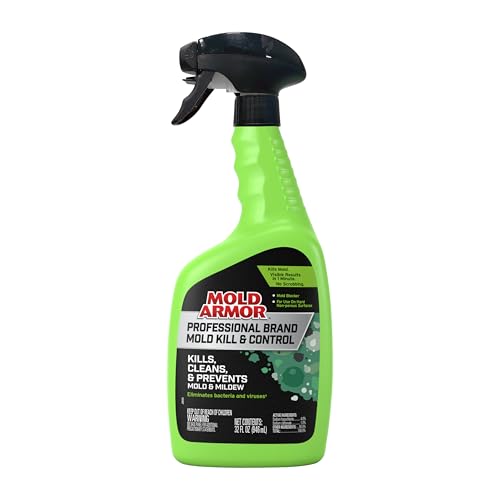 Mold Armor Mold & Mildew Remover | Widely stocked bathroom/surface remover. | Amazon — $22.98 |