Home Inspector Scottsdale AZ: What Buyers Need to Know
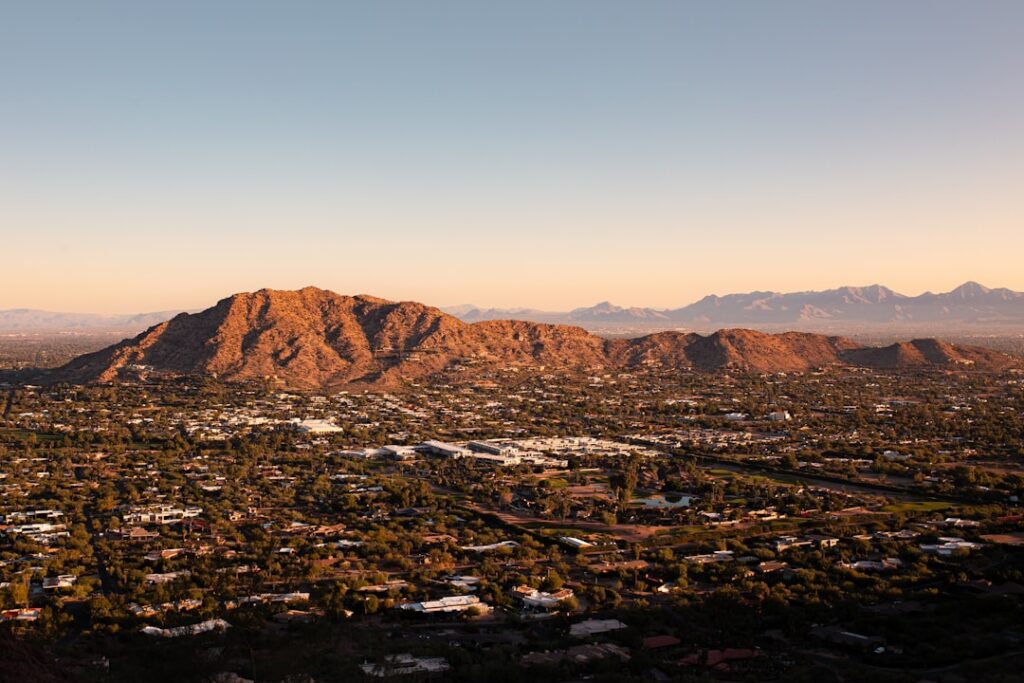
Buying in Scottsdale means navigating a market and a climate unlike most of the country. The desert puts unique stress on roofs, cooling systems, and foundations, and a good inspection catches those issues before they become your problem. Finding the right home inspector Scottsdale AZ buyers can trust starts with understanding Arizona’s licensing rules and the desert-specific conditions that matter here. This guide covers what to verify and which issues deserve extra attention.
Part of our Home Inspections Explained guide — start there for the full picture →
What to look for in a home inspector in Scottsdale AZ
Arizona is one of the states that licenses home inspectors, which gives buyers a clear baseline. The Arizona Board of Technical Registration administers the certified home inspector program, and inspectors must be certified to legally perform inspections in the state. The first step in Scottsdale is confirming the inspector holds a current Arizona certification. That sets it apart from unregulated states where anyone can hang a shingle.
Beyond the license, look for membership in a national association like ASHI or InterNACHI, errors and omissions insurance, and a sample report that shows how thoroughly they document findings. Ask how long they have worked in the Phoenix metro specifically, since desert construction and failure patterns differ from other regions. An inspector who knows local conditions will flag the things a transplant might miss.
Arizona licensing and what it means
Arizona’s certification process requires inspectors to meet training and examination standards and to follow the state’s standards of professional practice. For buyers, certification means a measurable floor of competence and accountability. If an inspector cannot produce a current Arizona certification number, treat that as a reason to keep looking.
Verifying the credential is straightforward. Ask for the certification number and confirm it is active. A legitimate, licensed inspector will share it without hesitation. The general principles for vetting an inspector, certification, insurance, sample reports, are the same everywhere; the guide to hiring a home inspector walks through that framework, which applies in Scottsdale just as it does on the Front Range.
Desert-specific issues a Scottsdale inspection should catch
Scottsdale’s climate creates problems that rarely appear in cooler, wetter markets. A capable inspector knows where to look.
Roofing and sun exposure
Intense, year-round sun degrades roofing materials faster than in milder climates. Flat and low-slope roofs, common in desert architecture, need careful evaluation of the membrane, coatings, and drainage. Tile roofs hide underlayment that can fail while the tiles look fine. An inspector familiar with Scottsdale roofs checks for UV damage, cracked tiles, and ponding water that signals drainage trouble.
Cooling systems
In a climate where air conditioning runs hard for much of the year, the HVAC system is critical. The inspector should evaluate the age and condition of the cooling equipment, since a failing unit in a Scottsdale summer is more than an inconvenience. Some older homes use evaporative coolers, which carry their own maintenance and moisture considerations. Equipment age and condition carry real weight in a buyer’s planning here.
Foundations and soil movement
Arizona soils, including expansive clays and caliche, move with moisture changes and can stress foundations. Inspectors look for cracks, uneven floors, and signs of settlement. The desert’s wet-dry cycles, plus the way irrigation and monsoon rains concentrate water near foundations, make grading and drainage important findings.
Pools, spas, and irrigation in the desert
Scottsdale homes carry features uncommon in colder markets, and a thorough inspection accounts for them. Pools and spas are widespread, and a dedicated pool inspection evaluates the pump, filter, heater, plumbing, and surface condition, items a general inspection may note only in passing or exclude entirely. Given the cost of pool equipment and resurfacing, ordering a pool inspection on a property that has one is usually money well spent.
Irrigation and landscape systems also deserve a look. Desert landscaping relies on drip and irrigation systems that can hide leaks, and improper drainage near the foundation, sometimes worsened by irrigation placement, contributes to soil movement. An inspector familiar with the Phoenix metro checks how water is managed around the home, since both too much and too little moisture stress desert foundations. These regional features are exactly why local experience matters; an inspector trained in a wetter climate may not know where Scottsdale homes typically fail.
Monsoon season and water intrusion
Arizona’s monsoon season brings brief, intense rainfall that tests a home’s water management in ways the dry months never do. A capable Scottsdale inspector looks for the signs that a roof, flashing, or drainage system has struggled with monsoon storms: water staining on ceilings and walls, evidence of past roof leaks, pooling near the foundation, and gutters or scuppers that cannot handle a sudden downpour. Flat and low-slope roofs are especially vulnerable, since standing water finds any weakness in the membrane.
Because monsoon damage can be intermittent, an inspector reads the clues left behind rather than catching a leak in the act. Discoloration, efflorescence on masonry, and repairs that look hastily done all hint at a water history worth probing. For buyers, knowing whether a home has handled past monsoons well is a meaningful part of the picture, and it is the kind of regional insight a local inspector brings that a checklist alone does not capture.
What a Scottsdale inspection does and does not include
Like inspections everywhere, a Scottsdale home inspection is a visual evaluation of accessible systems following recognized standards. It covers the roof, exterior, structure, electrical, plumbing, heating and cooling, interior, and appliances. It is not a code audit, an appraisal, or a guarantee, and it does not include specialized testing unless ordered separately.
In the desert, a few add-ons come up often. A pool and spa inspection is common given how many Scottsdale homes have them. Termite and wood-destroying-organism inspections matter in Arizona. And while radon is more associated with regions like Colorado, buyers concerned about it can order a radon test as an add-on; the guide to choosing a home inspection company covers how firms bundle these extras. Decide which add-ons you want before the inspection so they can be scheduled in one visit.
Older versus newer Scottsdale homes
The age of a Scottsdale property shifts where an inspection should focus. Older homes in established neighborhoods may have aging electrical panels, original plumbing nearing the end of its life, and roofs that have weathered decades of intense sun. They are also more likely to have had renovations and additions, some permitted and some not, which an inspector evaluates for quality and safety. Galvanized or other dated plumbing, outdated wiring, and older cooling equipment are common findings worth budgeting for.
Newer homes carry different considerations. Rapid desert development has at times outpaced careful construction, so an inspection of a recently built home looks closely at workmanship: proper flashing, adequate attic ventilation, correct grading, and whether systems were installed to standard. Even a newer home benefits from a thorough inspection, since builder defects are easier to address while warranties may still apply. An experienced Scottsdale inspector tailors the depth of attention to the home’s age rather than applying an identical lens to a 1970s ranch and a brand-new build.
How to vet and hire the right inspector
Start by confirming Arizona certification and association membership. Then ask for a sample report and read it critically. A strong report documents findings with photos, rates severity in plain language, and separates true defects from cosmetic wear. A thin report with vague boilerplate signals an inspector who may move fast and miss things.
Ask about local experience directly. How many Scottsdale-area homes have they inspected? Are they familiar with tile roofs, evaporative coolers, and caliche soils? Do they carry errors and omissions insurance? Can you attend the inspection to ask questions in real time? The answers reveal whether you are hiring a local expert or a generalist. Price matters, but the cheapest quote is rarely the best value when the inspection is your one chance to learn a major purchase’s condition before closing.
Stucco, EIFS, and exterior finishes in the desert
Many Scottsdale homes wear stucco or synthetic exterior finishes that demand particular attention. Traditional stucco can crack as a home settles or as desert temperature swings expand and contract the surface, and cracks that let water behind the finish can cause hidden damage. Synthetic finishes such as EIFS require correct installation and flashing to shed the brief but intense monsoon rains; when installed poorly, they can trap moisture against the structure.
An inspector familiar with the region knows to look for cracking patterns, staining, and signs of past patching that might mask a recurring problem. They check that the finish is properly separated from the soil and that weep screeds and flashing are intact. Because exterior finish problems can be expensive to remediate, this is one more area where local experience pays off, and one more reason to favor an inspector who has examined many Scottsdale-area homes rather than a generalist new to desert construction.
Reading the report and acting on it
Once you have the report, focus on the items that matter: the roof’s remaining life, the age and condition of the cooling system, any foundation movement, and electrical or plumbing safety concerns. A handful of minor flags is normal for any home. The desert-specific big-ticket items, roof, HVAC, and foundation, are where your attention and any negotiation should concentrate.
Use the findings to plan repairs, request seller credits, or reconsider the purchase if the problems are severe. A good Scottsdale inspector will walk you through the report and explain which issues are urgent versus routine maintenance. That clarity, paired with Arizona’s licensing baseline, is what makes the inspection worth far more than its fee.
Use the findings to shape your next steps. Significant items, a roof near the end of its life, a struggling cooling system, foundation movement, or water-intrusion evidence, become grounds to request repairs, negotiate a credit, or reconsider the purchase. Minor maintenance notes are simply a to-do list for after you move in. Where a finding calls for deeper evaluation, a roofer, an HVAC technician, or a structural engineer, schedule that specialist before your contingency window closes. Acting promptly and deliberately on a Scottsdale inspection turns it from a stack of pages into real protection on a major desert-market purchase. Keep the report after closing as well, since it doubles as a maintenance plan: the roof life, the cooling-system age, and the items flagged for monitoring give you a schedule for the repairs and replacements a desert home will eventually need, letting you budget for them rather than meet them as emergencies.
Questions to ask a Scottsdale inspector before booking
A short list of pointed questions reveals whether an inspector is the right fit for a desert property. Start with credentials: are you certified in Arizona, and what is your certification number? Then probe local experience: how many homes in the Phoenix metro have you inspected, and are you familiar with tile roofs, flat-roof membranes, evaporative coolers, and caliche soils? An inspector who answers specifically signals genuine regional expertise, while vague reassurances suggest a generalist.
Ask about scope and deliverables too. Which tests are included in the base fee, and which cost extra? Do you offer pool, termite, and radon add-ons, and can you do them in the same visit? May I attend the inspection to ask questions as you go? Will I receive a sample report so I can see how you document findings? How quickly will I get the final report? Clear answers to these let you compare inspectors on more than price and confirm they will cover what your specific home needs. The same vetting framework that applies anywhere, certification, insurance, sample reports, and clear communication, is laid out in the guide to choosing a home inspection company.
References
- Standards of Practice — International Association of Certified Home Inspectors
- Standard of Practice — American Society of Home Inspectors
- Buying a Home — U.S. Department of Housing and Urban Development
Frequently asked questions
Do home inspectors in Scottsdale AZ need a license?
Yes. Arizona certifies home inspectors through the Arizona Board of Technical Registration, and inspectors must be certified to work legally in the state. Always confirm a current Arizona certification number before hiring, along with national association membership and errors and omissions insurance.
What desert-specific issues should a Scottsdale inspection cover?
Sun-degraded roofing, including tile roofs and flat-roof membranes, the condition of hard-working cooling systems and any evaporative coolers, and foundation movement from expansive clay and caliche soils. An inspector experienced in the Phoenix metro knows where these failures show up.
What add-on tests are common in Scottsdale?
Pool and spa inspections are common given how many homes have them, and termite or wood-destroying-organism inspections matter in Arizona. Buyers concerned about radon can order it separately. Decide on add-ons before the inspection so they can be done in one visit.