Home Inspection School: 2026 Training Format Comparison
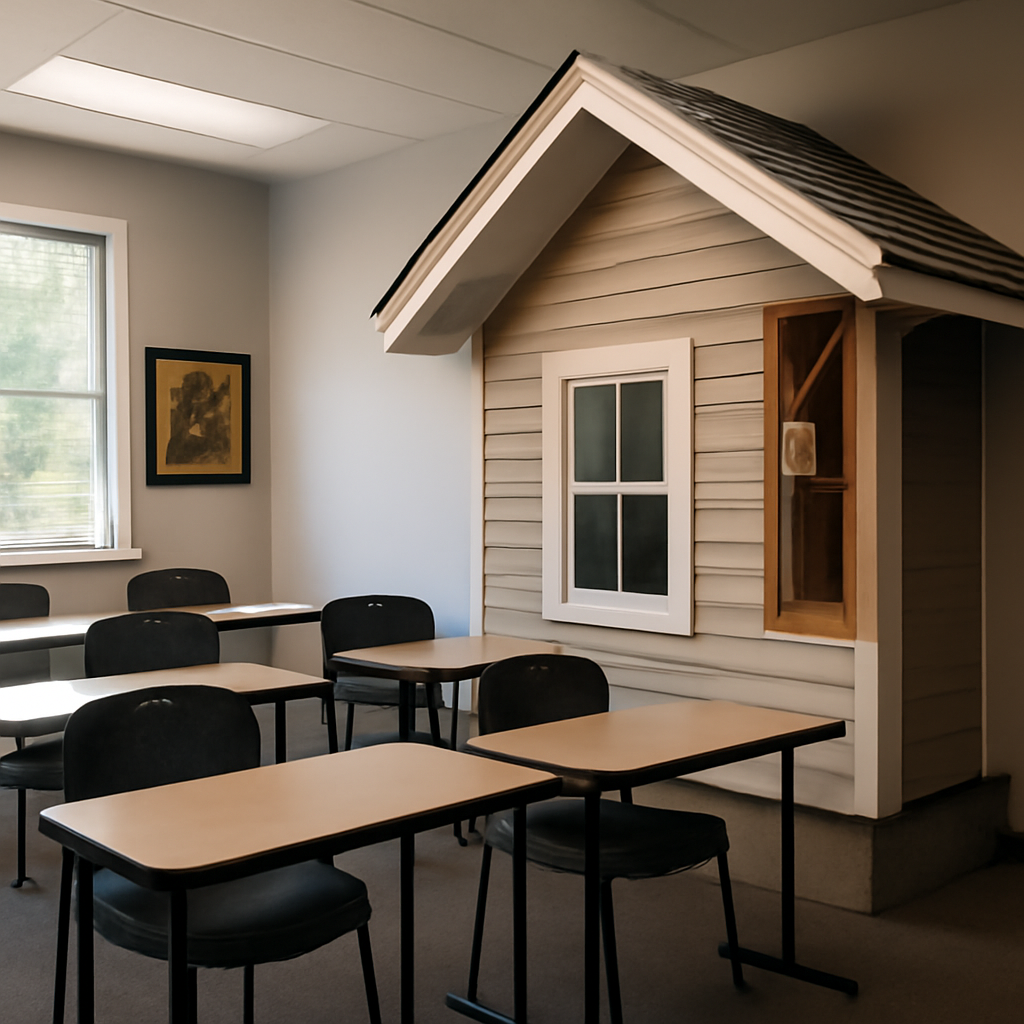
A home inspection school is any training program that prepares an aspiring inspector to enter the field and ultimately pursue ASHI or InterNACHI certification. The category spans four distinct formats — community college continuing education programs, regional International Code Council (ICC) chapter training, ASHI training partner schools, and InterNACHI online coursework. Each format costs differently, takes a different amount of time, and produces a different credential structure at the end. This guide compares the four so an aspiring inspector can pick the right entry point for their market, schedule, and budget.
Part of our How to Become a Home Inspector guide — start there for the full picture →
Why training format matters
Home inspection is a hands-on field. A trainee who learns only from textbooks and slides will struggle on their first solo inspection. A trainee who completes a hybrid program with classroom work plus ride-alongs with a mentor inspector enters the field prepared. The format choice drives how much hands-on work the program builds into the curriculum.
Cost varies widely too. A community college continuing education program costs $1,500 to $3,500 for a complete pre-licensure track. An online-only InterNACHI program runs $700 to $2,000 depending on membership level. An ASHI training partner program costs $2,500 to $6,000 for a longer combined classroom-plus-field course. The lowest-cost option is not always the best fit; the format that builds in actual inspection practice is.
Community college continuing education programs
Many community colleges offer home inspection continuing education tracks through their workforce development or adult-education divisions. These programs typically run 8 to 16 weeks part-time, meeting evenings or weekends. Tuition runs $1,500 to $3,500 and covers classroom instruction, course materials, and access to laboratory facilities (basement-mock-ups, electrical-panel training boards, plumbing rigs).
The community college format suits aspiring inspectors who want structured, in-person instruction without committing to a full college degree. Instructors are usually working or retired inspectors. Class sizes are small (8 to 20 students). The format does not always include mentored field ride-alongs, so trainees often need to arrange independent shadow inspections after the coursework ends.
Community college credit sometimes transfers to InterNACHI as continuing education credit, depending on the specific course content and the InterNACHI policy in effect at the time. InterNACHI’s education policies publish the current transfer credit framework.
ICC chapter training
Regional International Code Council (ICC) chapters run training events focused on residential building codes and inspection techniques. These chapters serve both building inspectors (employed by jurisdictions) and home inspectors (independent contractors). The training format varies by chapter — multi-day intensives, ongoing monthly meetings, certification exam prep.
ICC training is the strongest option for inspectors who want deep code knowledge layered on top of the inspection skill set. The training cost varies by chapter and course; a multi-day intensive typically runs $400 to $1,500. ICC training is rarely a complete pre-licensure track on its own — it works best as a supplement to community college or InterNACHI training, adding code-cycle expertise that translates directly into report-writing quality.
ASHI training partner schools
The American Society of Home Inspectors recognizes a network of training partner schools that offer ASHI-aligned curriculum. These schools deliver hybrid programs combining classroom instruction, field ride-alongs with mentor inspectors, mock inspections, and exam preparation for the National Home Inspector Examination. Programs typically run 4 to 12 weeks at an intensive pace or 16 to 26 weeks at a part-time pace.
Tuition runs $2,500 to $6,000 for a complete pre-licensure track. The higher cost reflects the hands-on component — ride-alongs and mock inspections require instructor time on-site and produce the strongest field readiness of any format. ASHI’s training partner directory lists the current partner schools by region.
An ASHI training partner program does not automatically grant ASHI Certified Professional Inspector status. The CPI designation still requires passing the National Home Inspector Examination and completing 250 verified paid inspections. But ASHI partner schools structure the curriculum to set students up for both milestones.
InterNACHI online coursework
InterNACHI’s online education platform is the largest single source of home inspection coursework in the U.S. The basic membership grants access to an extensive online course catalog covering every major system, specialty topic, and report-writing skill. Annual InterNACHI membership runs $499, and most coursework is included in the membership.
The InterNACHI format suits aspiring inspectors who want flexible self-paced training without geographic constraint. The format trades the hands-on field component for breadth — a trainee can complete coursework on every topic at their own schedule but does not get mentored ride-alongs through the program itself. Trainees usually arrange independent shadow inspections with a working inspector to fill the field gap.
InterNACHI’s certification path is integrated with the online coursework: students complete required courses, pass the Online Inspector Exam, agree to the Standards of Practice and Code of Ethics, and submit a mock inspection report for review. The full path from enrollment to InterNACHI Certified Professional Inspector status can compress to 6 to 12 months for a focused trainee.
Choosing the right format
The right format depends on three factors: budget, schedule, and access to a mentor inspector. Aspiring inspectors with full-time day jobs, tight budgets, and no local mentor often pick InterNACHI online plus self-arranged shadow inspections. Aspiring inspectors with time flexibility and a willingness to invest more upfront often pick an ASHI training partner program because it builds field exposure into the curriculum.
Aspiring inspectors in Front Range Colorado have an additional resource: regional ICC chapter training combined with InterNACHI online produces strong code knowledge plus broad system coverage. Many Colorado inspectors layer all three credentialing paths (ICC training, InterNACHI cert, ASHI cert) over their first two to three years in the field.
For broader hiring-side context on what buyers look for in a certified inspector, the hiring a home inspector buyer’s guide walks through the vetting framework. A companion piece, home inspection training schools 2026 format comparison, covers similar territory from a school-shopping angle.
What to verify before enrolling
Three checks separate legitimate training programs from low-quality operators. First, confirm the program’s published completion outcomes — does the school report how many graduates passed the National Home Inspector Examination on the first attempt? Second, confirm the curriculum aligns with ASHI’s Standard of Practice or InterNACHI’s Standards of Practice — programs that ignore the published SoPs produce trainees who fail exam questions on scoping. Third, confirm whether mentored ride-alongs are included or whether the trainee must arrange shadow inspections independently.
A program that costs $5,000 but includes mentored ride-alongs often produces a better-prepared inspector than a $1,500 program without field exposure. The cost-per-skill ratio matters more than the headline tuition.
State-specific add-ons
States with licensure requirements (Texas, Florida, California, North Carolina, others) often have state-specific training requirements beyond the national certification path. Colorado does not require state licensure for home inspectors, so the national certification path is sufficient. Aspiring inspectors planning to work across state lines should check each state’s requirements before committing to a single training format.
What a typical curriculum covers
Across all four formats, the core curriculum covers the same major content areas. Structural components — foundations, framing, load paths, settling and deflection assessment. Exterior systems — siding, trim, flashing, grading and drainage, walks and driveways. Roofing — coverings, flashings, drainage, penetrations, accessible attic systems. Plumbing — supply lines, drains, fixtures, water heaters, common defect patterns.
Electrical — service entry, panels, branch circuits, GFCI and AFCI protection, common code-update issues. HVAC — furnaces, boilers, heat pumps, central air conditioning, ductwork, controls. Interior finishes — floors, walls, ceilings, doors, windows, stairs, fireplaces. Insulation and ventilation — attic insulation, wall insulation, vapor retarders, ventilation paths. Report writing — defect description, photograph standards, severity ranking, client communication.
Strong curricula add specialty content: environmental hazards (radon, asbestos, lead-paint, mold), building science (heat flow, moisture migration, air movement), and report-writing software training. The specialty content is often what differentiates a passable program from a strong one.
Field experience integration
The training format determines how much hands-on field experience the program builds in. Pure online programs (basic InterNACHI membership) include zero field hours; the trainee must arrange independent shadow inspections. Hybrid programs (ASHI training partner schools) typically build in 2 to 8 ride-alongs with mentor inspectors as part of the tuition. Community college programs sometimes include lab work on mock-up systems but rarely arrange field ride-alongs.
The single biggest predictor of new-inspector success in the first year of paid work is how many mentored field inspections the trainee completed before going solo. A trainee who shadowed 20 to 50 inspections enters the field with a defect-recognition pattern that classroom training alone cannot teach. A trainee who shadowed zero or fewer than five inspections faces a steep learning curve on the first paid jobs.
What schools do not teach
Two skills that working inspectors develop on the job, but few schools teach explicitly: managing client expectations under the contractual time pressure of a real estate transaction, and writing reports that communicate clearly with non-technical clients. A trainee fresh out of school often writes overly technical reports that buyers struggle to interpret, leading to back-and-forth phone calls that consume after-hours time. The fix is practice and feedback from a senior inspector reviewing draft reports.
Another underappreciated skill: the physical conditioning required for daily attic and crawl-space work. School curricula rarely emphasize the body mechanics of moving through tight spaces with a tool belt, ladder, and flashlight. New inspectors often experience back, knee, and shoulder issues in the first six months before adapting. Working in trades fitness rather than gym fitness helps; deliberately training the muscle groups used in attic work pays dividends.
School accreditation and how to verify it
For community college programs, regional accreditation through one of the six U.S. regional accrediting bodies confirms the institution meets baseline academic standards. For ASHI training partner schools, the partnership is listed on ASHI’s training partner directory. For InterNACHI coursework, the org publishes its own course completion records to the member’s profile. Each format has a verification path.
Programs without any accreditation or recognized affiliation should be approached carefully. The training market includes some operators whose curriculum does not align with the published Standards of Practice and whose graduates struggle to pass the National Home Inspector Examination. A few minutes verifying the program against ASHI, InterNACHI, or community-college accreditation prevents tuition waste.
More Questions About Home Inspection School
Do you need a license after finishing home inspection school?
In most states, yes. Finishing home inspection school is usually only one step toward a license. Licensing states typically also require passing a state or national exam, carrying insurance, submitting an application, and sometimes completing supervised or ride-along inspections. A few states do not license home inspectors, so graduates there can start working after training, though most still join a professional association. Students should confirm their state’s requirements before choosing a school, since not every course is approved everywhere.
Is home inspection school hard?
Home inspection school is moderately challenging, mainly because it covers a wide range of systems. Students learn the basics of roofing, structure, electrical, plumbing, HVAC, insulation, and interiors, plus report writing and standards of practice. People with construction or trades experience often find the material easier. The licensing exam can be the harder part, since it tests broad knowledge across all systems. Field training is important, because recognizing defects in real homes takes practice that classroom study alone cannot provide.
What is the National Home Inspector Examination?
The National Home Inspector Examination is a standardized test used by many states as the licensing exam for home inspectors. It covers property and building inspection, analysis of findings, reporting, and professional responsibilities across major home systems. The exam is multiple choice and delivered at testing centers. Many home inspection schools design their curriculum to prepare students for it. Students should confirm whether their state uses this exam, a state-specific exam, or both before choosing a course.
Can you work while attending home inspection school?
Yes, most people can work while attending home inspection school, especially through online programs. Online coursework is usually self-paced, so students can study evenings and weekends. Classroom programs at community colleges often offer evening or weekend schedules. Field training and ride-along inspections can be harder to fit around a full-time job, because they happen during the day when homes are inspected. Planning time off for field work helps students finish training without long delays.
How do you choose the best home inspector training school?
The best home inspector training school is one approved by your state’s licensing board that also includes real field training. Students should confirm that the course hours meet state requirements, that it prepares students for the required exam, and that it offers hands-on inspections, not just video lessons. Other factors include instructor experience, pass rates if published, report-writing practice, business training, and support after graduation. Comparing total cost, including exam fees, insurance, and tools, avoids surprises.
References
- ASHI Standard of Practice — American Society of Home Inspectors
- Residential Standards of Practice — InterNACHI
- International Code Council — ICC
Frequently asked questions
How much does home inspection school cost?
Costs vary by format. Community college continuing education runs $1,500 to $3,500. InterNACHI online membership runs $499 per year with most coursework included. ASHI training partner schools cost $2,500 to $6,000. ICC chapter training runs $400 to $1,500 per multi-day intensive.
How long does home inspection school take?
Community college tracks run 8 to 16 weeks part-time. ASHI training partner programs run 4 to 26 weeks depending on pace. InterNACHI online coursework can complete in 6 to 12 months for a focused trainee. ICC chapter training is usually supplemental rather than a complete track.
Does home inspection school grant certification automatically?
No. School coursework prepares the trainee for certification but the ASHI and InterNACHI CPI designations still require passing the relevant exam, completing verified inspections, and agreeing to Code of Ethics. School is a step in the path, not the destination.
Is online home inspection school enough?
Online-only coursework covers the academic content but does not provide hands-on field exposure. Most successful trainees combine online coursework with independent shadow inspections under a working mentor inspector. The hybrid approach produces the strongest field readiness.
Does home inspection school include ride-along inspections?
Some home inspection schools include ride-along or field inspections, while online-only programs often do not. Many licensing states require supervised inspections, so students may need to arrange them separately with an experienced inspector. Field practice is one of the most valuable parts of training.
Can GI Bill benefits pay for home inspection school?
Some home inspection training programs are approved for GI Bill benefits, but many are not. Veterans should check whether a specific school is approved through the Department of Veterans Affairs before enrolling. Approval can depend on the program format, state, and school.
Do you need a degree to attend home inspection school?
No, a college degree is not required to attend home inspection school. Most programs only require a high school diploma or equivalent, and some states set a minimum age. Experience in construction or trades is helpful but not required.
Home inspector exam prep & study picks
Studying for the National Home Inspector Examination (NHIE) or a state licensing exam? These are the study guides and field references aspiring inspectors rely on.
| Product | Why | Buy |
|---|---|---|
 NHIE Exam Prep Study Guide | Practice questions + content review for the national exam. | Amazon — $0.00 |
 Principles of Home Inspection (Dearborn) | Widely used training reference series. | Amazon |
 Code Check Complete | Illustrated building-code field guide inspectors carry. | Amazon — $55.00 |
 Home Inspector Starter Tool Kit | Flashlight, outlet tester, and basics to get started. | Amazon — $28.59 |